



[EMI/EMC Expert Dialogue ①] Professor Kim Ji-seong: "In the evolving electromagnetic environment, it's crucial to consider EMI/EMC early in the design process."
 Published2024.05.10 14:12
전동화로 전원회로부 노이즈·고신뢰성 설계 이슈 증가
‘비접촉 고속 인터커넥트’ 연구 中, LVDS 전송 단계 完
“EMI/EMC 전문가 육성에 힘쓰고 싶다”...인재 육성 강조
[편집자주] IT제품 설계 시 발생하는 전자파 노이즈는 제품 성능 저하와 오작동 등 치명적인 결함을 유발한다. 최근 자동차의 전동화와 각종 IT 디바이스의 소형화, 5G·6G 통신으로의 패러다임 전환 등으로 전자파 환경에서의 노이즈가 증가하고 있으며, 각종 기기와 시스템의 오작동으로 이어지고 있다. 이에 기획연재 시리즈인 ‘EMI/EMC 명사(名士) 대담’을 통해 안전하고 신뢰성 높은 첨단 IT 제품 개발을 위해 EMI·EMC 대책의 중요성을 조명하고, 각계각층에서 활동하는 EMI/EMC 전문가들을 만나 최신의 이야기를 듣는 자리를 마련했다.
EMI/EMC 명사 대담의 첫 인터뷰이인 김지성 KAIST 녹색교통시스템연구센터 초빙교수를 만나 이야기를 나눴다.
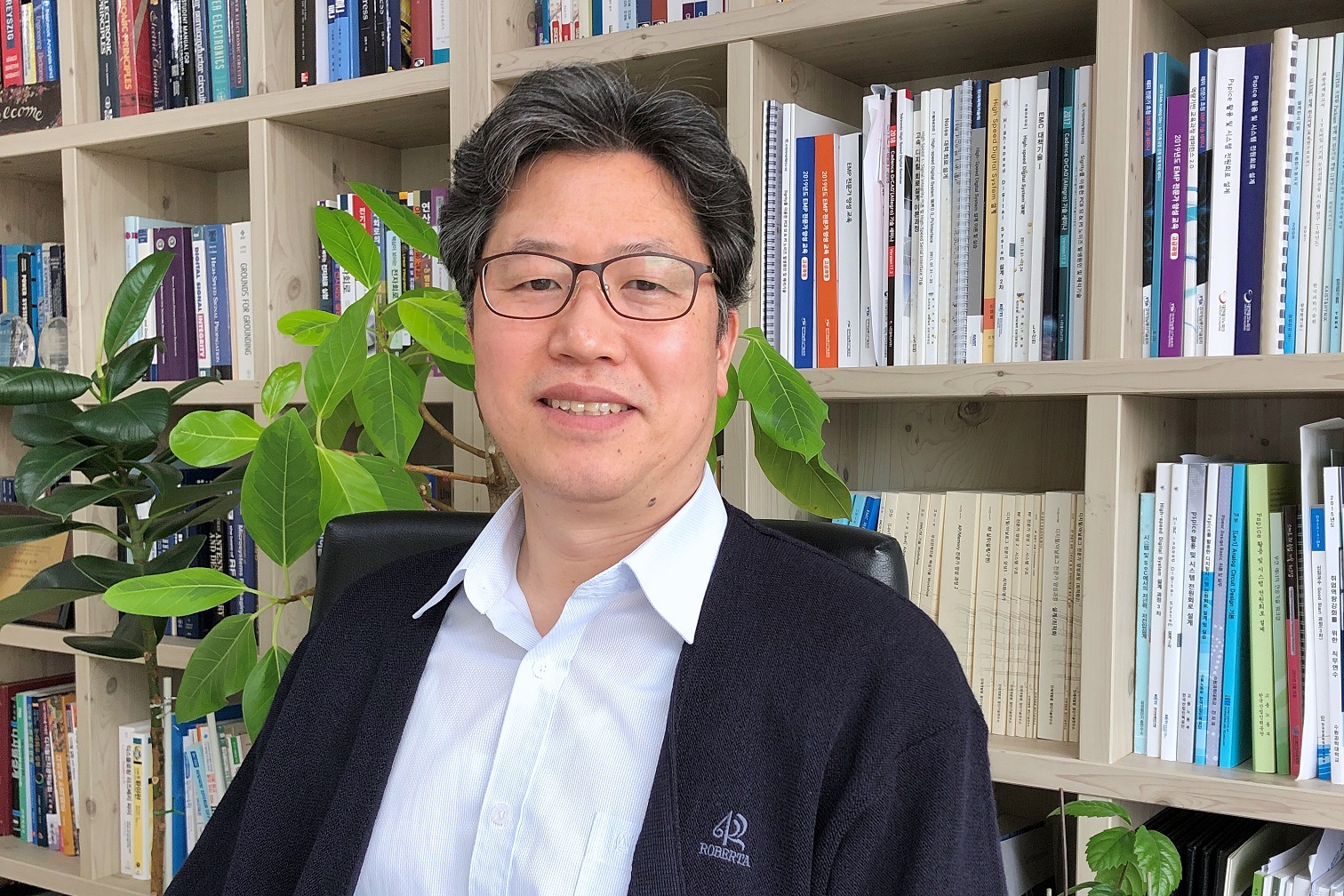
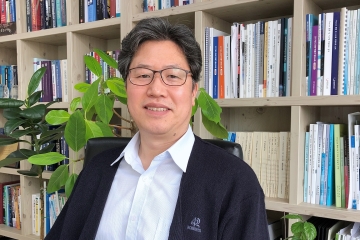
▲김지성 교수
[기자] 간단한 자기소개 부탁드립니다.
[김지성 교수] 미국 텍사스 주립대에서 박사학위를 취득하고 삼성전자에서 고속디지털시스템 설계 업무를 담당했습니다. 이후 수원과학대 교수를 거쳐 현재 KAIST 녹색교통시스템연구센터에서 초빙교수로 재직하고 있습니다.
고속 디지털시스템 및 전원 시스템의 전자파(EMI/EMC)에 관해 주로 연구를 합니다. 이러한 기술은 전자제품 설계 시 발생하는 노이즈를 줄이고 인체에 해로운 전자파를 최소화해 고신뢰성 설계를 확보하기 위한 중요한 기술입니다.
또한 고속 신호 전송을 위한 인터커넥트(interconnect) 설계를 연구하고 있으며 이러한 기술은 반도체, IT, 가전, 자동차, 군사, 항공 등 전자회로가 들어가는 모든 분야에 필요합니다.
[기자] 근황이 궁금합니다. 어떤 활동들을 하고 계시나요?
[김지성 교수] 최근에는 학술활동 및 산학활동에 매진하고 있습니다.
저의 연구 분야에서 관련 전문가로서 한국전자파학회 EMC 연구회를 비롯해 고속 인터커넥트 및 패키징 연구회 연구위원으로 활동하고 있습니다. 관련 기술을 주제로 국내 대기업과 중소기업 재직자를 상대로 강연과 자문을 많이 하고 있습니다.
EMI/EMC 분야는 중소기업부터 대기업까지 제품을 개발하는 데 반드시 필요한 기술이지만 특히 중소기업의 경우 기술 내재화에 어려움을 겪고 있고 외부 전문가의 도움이 많이 필요한 현실입니다. 따라서 새로운 기술에 대한 학습과 연구도 꾸준히 하고 있지만 지금까지의 제 경험과 지식을 바탕으로 산업 현장에 좀 더 기여하고자 노력하고 있습니다.
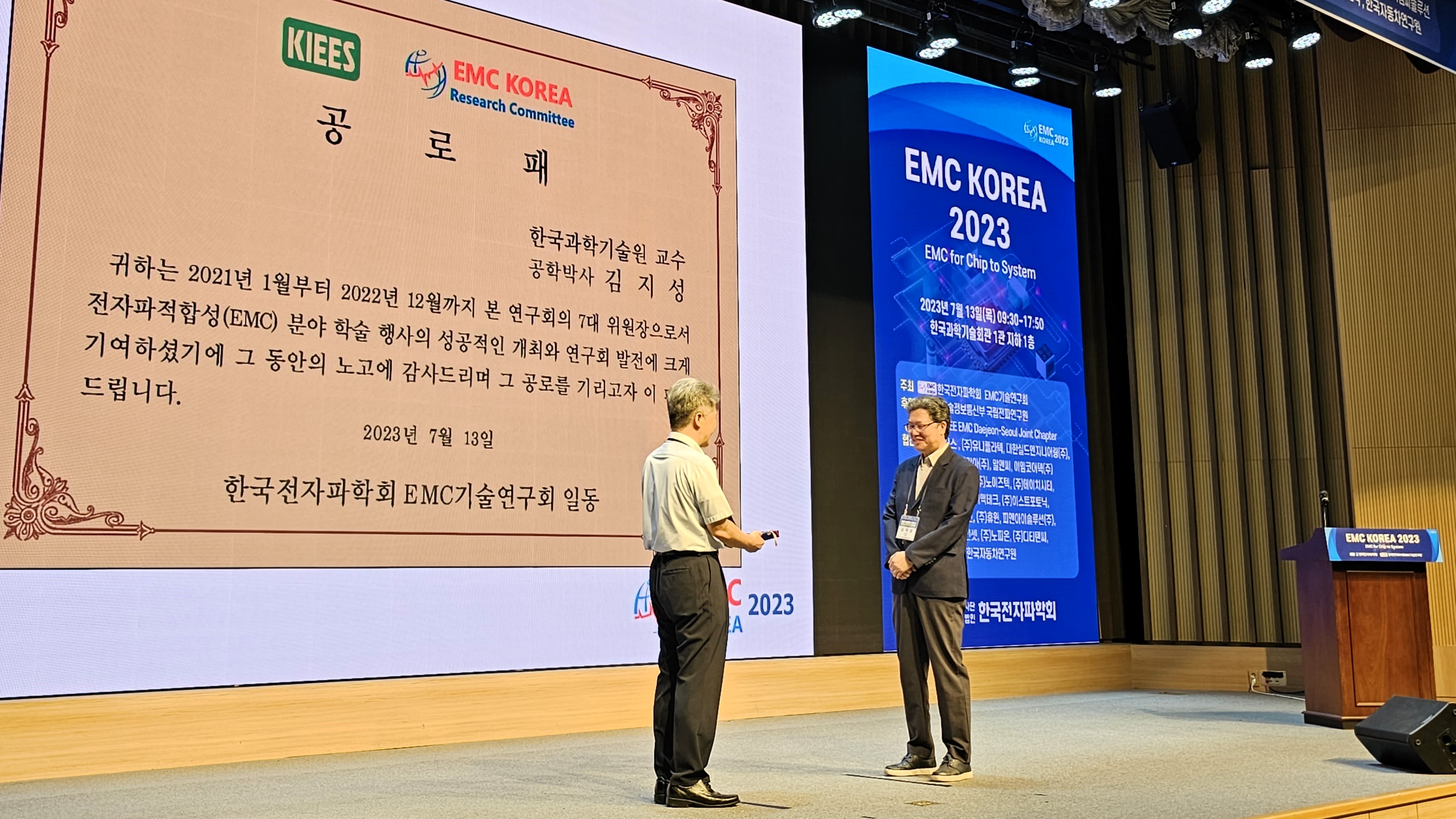
▲지난해 한국전자파학회 EMC기술연구회에서 주최한 EMC KOREA 2023에서 공로패를 전달받는 김지성 교수의 모습.
[기자] EMI/EMC와 관련해 최근 화두가 되고 있는 이슈는 무엇이 있을까요? 최신 대책 기술 가운데 관심있게 지켜보고 계신 것도 있다면 소개 부탁드립니다.
[김지성 교수] 최근에 화두가 되는 점은 자동차의 전동화로 특히 전원회로와 같은 부분에서 전자파가 많아지고 고신뢰성 설계에서 이슈가 증가하고 있습니다.
특히, 모터/인버터에서 발생하는 노이즈는 상대적으로 더 많이 발생하고 있으며 대부분의 부품이 전자화되어 있어 신호무결성(Signal Integrity, SI), 전원무결성(Power Integrity, PI), EMI/EMC 설계가 중요해지고 있습니다.
또 다른 이슈 분야에는 반도체 산업이 있습니다. 반도체 IC설계도 중요하지만 최근에는 CPU, GPU, Power, I/O, Memory 등 기능별로 구현된 개별 칩을 패키징으로 연결하는 칩렛(chiplet) 기술을 학계와 산업계에서 활발히 연구·개발하고 있습니다.
이러한 2.5D/3D 첨단 패키징 기술은 미세 공정, 소재 등도 중요하지만 연결 구조 및 인터커넥트 설계도 중요한 부분입니다. 재료, 기계, 반도체공학 등 다양한 연구분야의 융합이 필수적인 기술이고 SI, PI, EMI/EMC 기술도 매우 중요합니다. 여러 기능의 개별 칩들을 연결하고 고속의 신호를 전송하기 위해서는 인터커넥트의 최적 설계가 중요하기 때문입니다.
[기자] 최근 더 높은 효율성을 위해 시스템 크기는 줄이면서도 더 높은 스위칭 주파수를 가져가는 경향성이 눈에 띄는 것 같습니다. 이때 EMC 고려사항은 어떻게 될까요?
[김지성 교수] 스위칭을 하는 전원시스템(SMPS)을 개발할 때 효율·동일성능·전자파를 모두 고려하기는 어려운 현실입니다.
가장 중요한 성능 지표인 효율을 높이기 위해 스위칭을 빨리하면 그만큼 전자파 노이즈는 커질 수 있고, 노이즈를 줄이기 위해서는 추가적인 부품이 필요해 가격이 상승합니다. 하지만 전자파 대응 설계는 제품을 출시하기 위해 반드시 필요한 것이므로 설계 단계부터 여러가지 성능 지표와 함께 고려되어야 합니다.
기술 동향을 보면 모바일 분야의 경우 전원회로의 소형화를 위해 스위칭 주파수가 높아지고 있으며 On-Chip DC-DC 컨버터를 개발하고 있습니다. 이렇게 주파수가 높아지면 소자가 작아져서 소형화될 수 있지만 전자파 측면에서는 주파수가 높아지면 통신 주파수와의 간섭 등 문제가 더 커질 수 있기 때문에 설계 단계에서 EMI를 고려한 설계가 이루어져야 합니다.
전원회로의 주된 노이즈는 MOSFET과 같은 스위칭 소자에서 발생하는데 최근에는 SiC, GaN 디바이스와 같은 와이드밴드갭(Wide-bandgap) 소자를 많이 사용하고 있습니다. 주파수의 변화와 함께 이러한 소자의 특성 변화도 발생 노이즈에 영향을 주기 때문에 EMC 분야에서는 관련해 많은 연구가 진행되고 있습니다.
[기자] 전기차는 OBC와 컨버터를 통합하는 등 효율을 위해 시스템을 통합하는 추세를 보이는데 이때 노이즈도 상당히 문제가 된다고 들었습니다.
[김지성 교수] 자동차와 같이 고전압·고전력 시스템의 경우, 발생 노이즈가 상대적으로 커서 대책도 어려운 것이 현실입니다. 특히 여러 주파수의 스위칭 회로가 같이 통합되어 설계되는 경우, 저전압과 고전압, 센서, 통신 회로 등이 하나의 하우징에 함께 패키징 되는 경우 전자파 노이즈가 하우징 내부에서 회로 간에 쉽게 커플링 되어 전도 및 방사 노이즈 대책뿐만아니라 고신뢰성 설계도 어려워질 수 있습니다.
이러한 문제는 개발 후에 해결하기가 어렵기 때문에 설계 초기부터 고려하여 설계하는 것이 중요합니다.
[기자] 교수님께서 가장 근래 발표하신 학술연구로 ‘비접촉 인터커넥트를 활용한 디지털 통신’이 있습니다. 어떤 내용인가요?
[김지성 교수] 4년 전부터 과학기술정보통신부에서 지원하는 ‘초연결 E-Vehicle 전력 및 신호 EMC 고도화 기술 개발’ 사업을 추진 중에 있습니다. 이 사업을 통해서 미래 전기자동차에서 필요한 전자파 기술 연구를 하고 있는데 그 중에 제가 수행하고 있는 연구 중 하나는 비접촉 고속 인터커넥트(Contactless High-speed Interconnect) 연구입니다.
커넥터를 통해 신호를 전송하지 않고 근거리 비접촉 인터커넥트를 통해 신호를 전송하는 기술로 안테나를 이용하는 무선통신과 다른 점은 근역장 용량성 결합을 이용해 신호를 전송하는 기술입니다.
최근 60GHz 밀리미터파와 안테나를 이용해 10Gbps의 빠른 디지털 신호를 전송하는 상용 IC들이 출시되고 있고 관련 시장도 형성되고 있습니다. 이러한 기술은 커넥터를 통해서 직접 연결하지 않고 고속의 디지털 신호를 전송하는 기술로서 RF 소자와 안테나가 필요한데 제가 하고 있는 연구는 근접한 도체 사이에 용량성 결합을 이용하기 때문에 저가로 구현 가능하고 자동차와 같은 분야에서 활용할 수 있을 것으로 보고 있습니다.
[기자] 발표 이후 추가적인 연구·개발 진척은 어떻게 되고 있나요?
[김지성 교수] 자동차에서 사용하는 CAN/LIN 통신은 이미 구현을 했고, 최근에는 카메라 모듈의 인터페이스인 LVDS 통신까지 전송이 가능하도록 개발했습니다. 앞으로는 수 Gbps까지 속도를 자동차 차체를 이용해 전송하는 기술을 연구할 계획입니다.
[기자] 앞선 비접촉 인터커넥트 기술뿐 아니라 무선전력전송, 근거리 무선 통신 기술, IoT 등이 사회 전반에 고루 개발·적용되면서 대(大)무선의 시대, 초연결사회가 더욱 심화되고 있는 것 같아요. 이러한 전파 기술의 범람 속에서 EMI/EMC적으로 대응·대비해야 할 지점은 어떤 것들이 있다고 보시나요?
[김지성 교수] 앞서 짧게 언급했지만 많은 무선통신 기술이 등장하고 주파수 또한 지속적으로 증가하고 있습니다. 따라서 전자파 노이즈가 해당 주파수에 간섭을 일으키지 않도록 규제도 지속적으로 추가, 개정되고 있습니다.
한 예로 디지털 통신의 전송속도로 증가하고 있는데 USB와 같은 경우 10Gbps 속도가 현재 사용되고 있지만 이보다 더욱 빠른 속도로의 증가가 예상됩니다. 이러한 디지털 신호에서 발생하는 주파수는 Wi-Fi, GPS 등과 쉽게 간섭을 일으키고 있습니다.
앞서 언급한 전원회로의 스위칭 노이즈는 AM/FM 밴드의 통신 주파수에 쉽게 영향을 줄 수 있습니다. 이에 EMI/EMC 분야에서는 무선통신기술의 변화를 포함해 새롭게 등장하는 신기술에 대응하기 위해 관련 대책 등을 지속적으로 연구하고 있습니다.
[기자] 앞으로의 계획과 목표는 어떻게 설정하고 계신가요?
[김지성 교수] 개인적으로 관련 분야에서 연구도 지속하고 있지만 앞으로는 EMI/EMC 분야에 전문가 육성에 힘쓰고 싶습니다. 산업 현장에서 반드시 필요한 현장 중심의 기술인데 관련 교육 프로그램도 부족하고, 이론과 함께 많은 경험을 필요로 하는 분야라 전문가 육성도 쉽지 않습니다.
우리나라는 이 분야에서 이미 기술 선진국과 비교해 뒤지지 않는 기술을 확보하고 있습니다. 국가적으로 기술적인 경쟁력을 확보하기 위해서는 이 분야에 많은 전문가들이 필요한데 지금까지의 지식과 경험을 바탕으로 교육과 기술자문을 통해 이 분야의 전문가 양성에 기여하고자 합니다.
[기자] 어느새 마지막 질문입니다. EMI/EMC 분야의 미래 전망은 어떻게 보시나요?
[김지성 교수] 기술 변화가 점점 빨라지고 최근에는 AI와 같은 신기술이 크게 사회에 영향을 주고 있습니다. EMI/EMC 기술은 이러한 기술 변화 속에서 크게 주목받지 못하고 있지만, 어떠한 기술 또는 제품이라도 EMI/EMC 분야는 반드시 필요한 기술입니다. 이러한 측면에서 EMI/EMC 기술의 수요는 과거부터 현재 그리고 앞으로 미래까지 꾸준할 것으로 생각합니다.
감사합니다.
Comments
Related news
[Interview] Professor Ji-Seong Kim, Department of Electronics, Suwon Science University - “Training and securing EMC/EMI experts is the core of national industry”
Professor Kim Ji-sung from the Department of Electronics at Suwon Science University, who recently participated in an interview with this publication, stated that experienced specialized personnel will be needed to address increasingly complex and rapidly growing EMI issues in the future. With automotive electrification and 5G communication, the radio frequency environment is expected to become increasingly complex, and securing EMI expertise is anticipated to emerge as a critical factor for domestic industrial development.
2021.09.27by 배종인 기자
[Analog Day] Professor Kim Ji-seong, “New technology emerges, EMI possibility high”
[Editor's Note] Electromagnetic noise generated during IT product design causes critical defects such as product performance degradation and malfunction. Recently, as automotive electrification transitions accelerate, products become miniaturized, and the use of high-frequency bands (millimeter waves) such as 5G and 6G communications expands, the possibility of device and system malfunctions caused by both intentional and unintentional electromagnetic noise is growing. As the importance of EMI/EMC design gains attention, e4ds news hosts Analog Day annually, bringing together EMI/EMC experts to share the latest technology trends and seek solutions.
2022.11.14by 명세환 기자
EMI/EMC(1)-EMI packaging, increasing demand in mobile and automotive
"Packaging is not a single major field. Semiconductor packaging contains everything—electronics, mechanics, materials, and chemistry all mixed together," said Kang Sa-yun, chairman of the Korean Microelectronics and Packaging Society, at EMC KOREA 2023. He indicated that as the historically labor-intensive packaging industry has transformed into a technology-intensive one, packaging that combines various industrial technologies has emerged as an advanced technology capable of responding to diverse customer requirements and product development.
2023.07.20by 명세환 기자
2023 e4ds Analog Day Completed… “EMI/EMC Consideration in Early Design is Important”
As electrical components in future vehicles such as electric vehicles increase in number, resulting in higher integration density, noise issues are also rising proportionally. Against this backdrop, proactive EMI/EMC countermeasures and preventive design strategies are expected to provide significant advantages in the product development process. At the e4ds Analog Day seminar, relevant EMI/EMC insights were shared among industry participants.
2023.11.30by 명세환 기자
EMI/EMC(2)-High-power products, finding solutions in active EMI filters
As product development continues to trend toward miniaturization and higher power density, EMI·EMC issues are inevitably arising. In response, efforts are being observed to overcome the limitations of passive EMI filters by researching and developing active EMI filters (AEF) and entering the market.
2023.12.14by 명세환 기자











