


"The era of answering AI is over"…OpenAI declares 'age of working AI'
 Published2026.09.09 14:00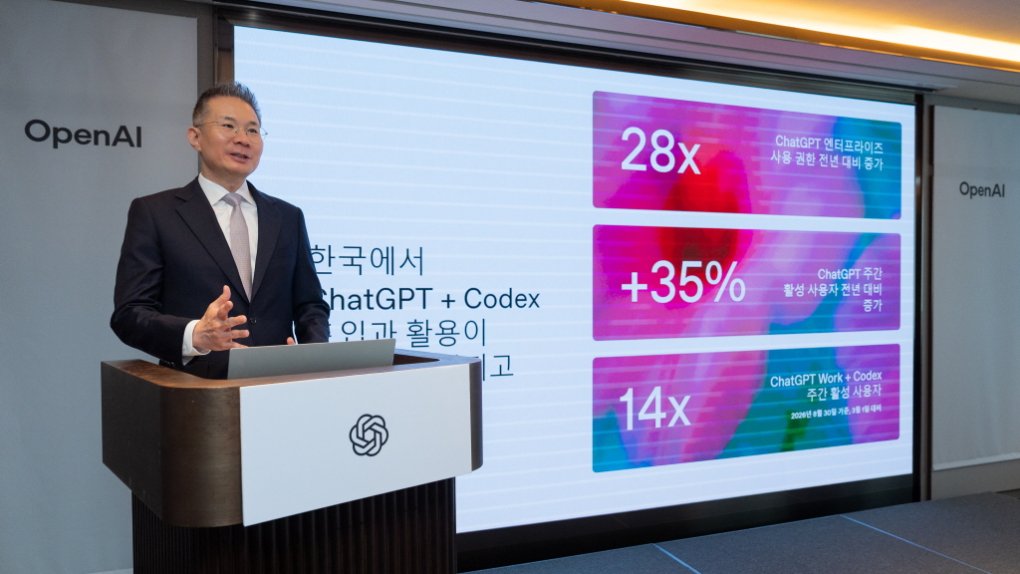
AI 특정 업무 보조하는 수준 넘어 실제 프로젝트 수행 단계 도달
韓 인프라·사업 거점 격상, ‘추론 레지던시’ 준비·국내 업체 협업
오픈AI가 ‘답하는 AI’에서 ‘일하는 AI’로의 전환을 선언했다. 사람의 질문에 답하거나 문서를 요약하는 수준을 넘어 목표만 주어지면 조사와 분석, 기획, 디자인, 개발, 문서 작성까지 스스로 수행하는 AI 에이전트 시대가 열리고 있다는 것이다. 오픈AI는 한국 진출 1주년을 맞아 공개한 GPT-6 아스트라를 통해 이러한 변화를 제시하며 한국 시장 공략 확대 계획도 함께 내놨다.
오픈AI는 9일 서울 강남구 조선팰리스 호텔에서 기자간담회를 열고 지난 1년간의 국내 사업 성과와 향후 전략을 공개했다. 겉으로는 한국 진출 1주년 행사였지만 발표의 중심에는 최근 공개된 ‘GPT-6 아스트라(GPT-6 Astra)’가 있었다.
김경훈 오픈AI 코리아 총괄대표는 AI 발전 과정을 2023년 챗봇, 2024년 추론 모델, 2025년 초기 에이전트 시대로 구분한 뒤 현재는 여러 에이전트가 협력해 작업을 수행하는 단계에 진입하고 있다고 설명했다.
그는 “AI가 다른 AI를 호출하고 협력하면서 에이전트가 하나의 팀이 되고 있다”며 “사람이 목표를 제시하면 AI가 기억하고 판단하며 결과물을 완성하는 시대로 들어가고 있다”고 말했다.
실제로 이날 공개된 아스트라 시연은 기존 AI 데모와 결이 달랐다. 과거처럼 코드를 작성하거나 특정 기능을 수행하는 모습이 아니라 하나의 사업을 운영하는 전 과정을 보여주는 데 초점이 맞춰졌다.
GPT-6 아스트라를 시연을 맡은 심대열 오픈AI 엔지니어는 가상의 스타트업 ‘블러썸 컴퍼니’를 설정한 뒤 음성만으로 AI에게 업무를 지시했다.
AI는 매장 홍보 영상과 인테리어 제안서를 찾고, 브랜드 로고와 홈페이지 시안을 제시했으며, 제품 기획안과 광고 영상을 생성했다.
이어 매출 자료를 분석하고 회의록을 정리하는가 하면 새로운 제품 출시 전략까지 제안했다.
사용자는 결과를 검토하고 승인할 뿐 개별 작업 과정에 직접 개입하지 않았다.
이는 AI가 특정 업무를 보조하는 수준을 넘어 실제 프로젝트를 수행하는 단계에 도달했음을 보여주려는 의도로 해석된다.
오픈AI가 강조한 것은 언어 모델의 성능이 아니라 ‘업무 완결 능력’이었다. GPT-6 아스트라는 정보를 찾고 분석한 뒤 문서를 만들고, 디자인하고, 협업 자료를 관리하며, 후속 업무까지 이어가는 일종의 디지털 직원으로 제시됐다.
이 같은 변화는 실제 사용 지표에서도 나타나고 있다는 것이 오픈AI의 설명이다.
한국 내 챗GPT 엔터프라이즈 이용 규모는 지난 1년 동안 28배 증가했다.
특히 AI 에이전트 기능을 활용하는 챗GPT 워크와 코덱스 이용자는 지난 3월 이후 6개월 만에 14배 성장했다.
단순 대화형 서비스가 아니라 실질적인 업무 처리 도구에 대한 수요가 빠르게 늘고 있다는 의미다.
흥미로운 점은 AI 활용 범위가 개발 조직을 넘어가고 있다는 사실이다.
김경훈 대표는 최근 코덱스 사용자 증가 속도가 가장 빠른 분야 중 하나로 법무 조직을 꼽았다.
그는 법무·재무·인사·회계·마케팅·영업 등 다양한 직군에서 AI 에이전트가 사용되고 있으며, AI가 기술 조직만의 도구에서 전사적 업무 플랫폼으로 확산되고 있다고 설명했다.
오픈AI가 소개한 삼성전자와 서울대학교 사례 역시 같은 흐름을 보여준다.
삼성전자는 연구개발, 마케팅, 영업, 생산관리 등 전사 업무에 챗GPT를 활용하고 있으며, 서울대는 학생과 교직원 약 5만 명 규모로 AI 기반 연구와 행정 혁신을 추진하고 있다.
AI가 특정 부서의 실험 도구가 아니라 조직 전체의 업무 기반으로 자리 잡고 있다는 의미다.
이번 행사에서 또 하나 눈에 띄는 대목은 오픈AI의 한국 전략 변화였다.
지난해까지 한국이 중요한 사용자 시장이었다면 이제는 인프라와 사업 거점으로 격상시키려는 움직임이 뚜렷해졌다.
오픈AI는 현재 제공 중인 데이터 레지던시에 더해 국내에서 AI 추론까지 수행하는 ‘추론 레지던시’를 준비 중이라고 밝혔다.
이를 위해 국내 인프라 사업자들과 협의하고 있으며 향후 국내 데이터센터를 통한 서비스 제공도 추진하고 있다.
기업 고객이 민감하게 여기는 데이터 주권과 보안 요구를 충족하기 위한 조치다.
사이버 보안 역시 새로운 성장 축으로 제시됐다.
오픈AI는 보안 전용 서비스 ‘데이브레이크’를 중심으로 국내 기업 및 공공기관과 협력을 확대하고 있으며, 삼성SDS를 비롯한 국내 기업들과 파일럿 프로젝트를 진행 중이라고 밝혔다.
AI를 이용해 공격자를 막고 보안 취약점을 찾아내는 시장이 차세대 핵심 분야가 될 것이라는 판단이다.
광고 사업 역시 본격 확대된다.
지난 6월 국내에 도입된 챗GPT 광고는 현재 일부 무료 이용자를 대상으로 운영되고 있으며, 오픈AI는 한국에 전담 조직을 꾸리고 광고주 및 광고대행사 네트워크 확대에 나서고 있다.
이는 AI 서비스가 단순 기술 플랫폼을 넘어 거대한 소비자 플랫폼으로 성장하고 있음을 보여주는 대목이다.
결국 이날 기자회견의 핵심은 28배 성장이나 이용자 증가가 아닌 AI의 역할 변화다.
오픈AI는 더 이상 챗GPT를 질문에 답하는 챗봇으로 설명하지 않았다.
대신 목표를 주면 스스로 계획을 세우고, 여러 도구를 활용하며, 결과물까지 완성하는 ‘업무 수행형 에이전트’로 정의했다.
한국 진출 1년을 맞은 오픈AI는 이날 사실상 새로운 선언을 내놨다.
‘답변하는 AI’의 시대가 저물고, 사람과 함께 일하거나 때로는 사람을 대신해 일하는 AI의 시대가 시작됐다는 선언이다.
그리고 GPT-6 아스트라는 그 변화의 출발점으로 제시됐다.

Comments
Related news
[Planning-ChatGPT①]ChatGPT Syndrome, AI Permeating Everyday Life
The launch of ChatGPT, which OpenAI disclosed last December, demonstrated the possibility that ultra-large-scale AI could replace humans. Amid curiosity or concerns, interest in ChatGPT is spreading not only throughout the industry but also to general consumers. The government plans to invest a total of 826.2 billion won in developing domestic AI semiconductors by 2030, with 265.5 billion won allocated to AI development that surpasses ChatGPT. Domestically, interest is intensifying among major enterprises including the three telecommunications companies, Kakao, and Naver, as well as startups.
2023.02.27by 김예지 기자
78% of U.S. Say “ChatGPT Will Contribute to Advancements in Science and Medicine”
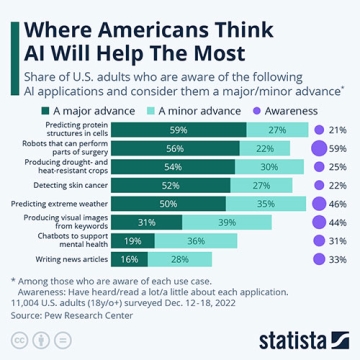
OpenAI released the new multimodal language model ChatGPT-4 just four months after making ChatGPT 3.5 available to the public, a version that sent shockwaves across the world on the 14th. Following ChatGPT's initial launch in December of last year, the Pew Research Center conducted a survey of approximately 11,000 Americans who had experienced it, asking for their opinions on how AI would impact the future. In response to whether AI could reduce the time journalists spend writing news articles, 44% of respondents answered that it would have an impact.
2023.03.17by 김예지 기자
OpenAI Launches 'GPT Store'… "Opportunity or Crisis"
OpenAI has launched the 'GPT Store,' a marketplace where AI can be bought and sold, similar to Google's App Store. Through the GPT Store, AI is expected to undergo quality-driven advancement, enabling consumers to access AI technology more easily in their daily lives. However, domestic AI startups are expressing concerns that OpenAI will completely dominate the market ecosystem.
2024.01.12by 김예지 기자
.jpg)
SKT, “LLM for Telecommunications Companies to be Launched in June”
SKT held a press briefing on the 30th at the SKT Tower Spex Hall and introduced Telco LLM developed based on general-purpose models such as OpenAI and Anthropic. SKT created the Telco LLM through an 8-month development period, and plans to introduce a version for the domestic market as early as June, followed by a focus on the global version.
2024.04.30by 김예지 기자
Snowflake, Cortex AI Provide OpenAI Latest Models
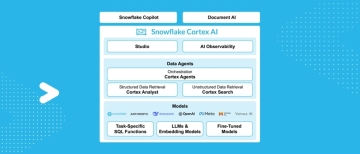
Global AI data cloud company Snowflake has introduced functionality enabling direct utilization of OpenAI's latest models in the AI agent 'Snowflake Cortex AI'. Snowflake customers are expected to easily build OpenAI-based applications and data agents without additional configuration, and quickly obtain reliable AI insights.
2025.03.10by 배종인 기자











