



[IFA 2026 Settlement ②] AI Everywhere, Now It's About Life, Not Technology
 Published2026.10.06 11:07
IFA 2026 Demonstrates the Era of Self-Judging Appliances
Entire Home 'AI Companion' Evolution, All Appliances Making AI Judgments
[Editor's Note] The world's largest consumer electronics exhibition IFA 2026, held in Berlin, Germany, concluded with record-breaking scale. This year's event went beyond a simple product launch stage to become a massive future laboratory showcasing how AI, robotics, smart homes, and next-generation computing technologies will transform everyday life. Accordingly, through the eyes of Kim Hak-yong, a visiting correspondent (CEO of WhatsMatter) who covered IFA 2026 on-site, this publication plans to conduct in-depth analysis of key IFA 2026 trends one by one and examine global corporate strategies and tasks that the domestic industry must prepare for through a nine-part series.
AI is now becoming basic infrastructure that makes judgments and choices for users in daily life rather than a special feature of products. IFA 2026 was a stage that demonstrated AI permeating throughout appliances and the full-scale beginning of the 'AI Everywhere' era.
The most powerful keyword that ran through the exhibition venues of IFA 2026 held in Berlin, Germany, was undoubtedly 'AI Everywhere.' Just a few years ago, AI was close to an added function that emphasized the differentiation of premium products.
In contrast, at this year's exhibition, AI could be found in almost all home appliances, including TVs, refrigerators, ovens, dishwashers, washing machines, and air conditioners.
A more important change was not about whether AI was installed. The industry's interest was shifting from whether AI exists to what AI judges and executes on behalf of users. Recognition of surrounding environments through sensors and cameras, followed by situation analysis and autonomous determination of optimal operation, was becoming the new standard for AI appliances.
■ The Era of Self-Judging Appliances
One of the most notable changes at IFA 2026 was that appliances began making judgments on their own rather than waiting for user selection.
A prime example is Miele's G8 Diamond dishwasher. The camera embedded inside the product and AI-based image recognition technology analyze the type of dishes and loading status, then automatically adjust washing intensity and drying method. Users no longer need to select a program each time; the product itself determines the most suitable conditions.
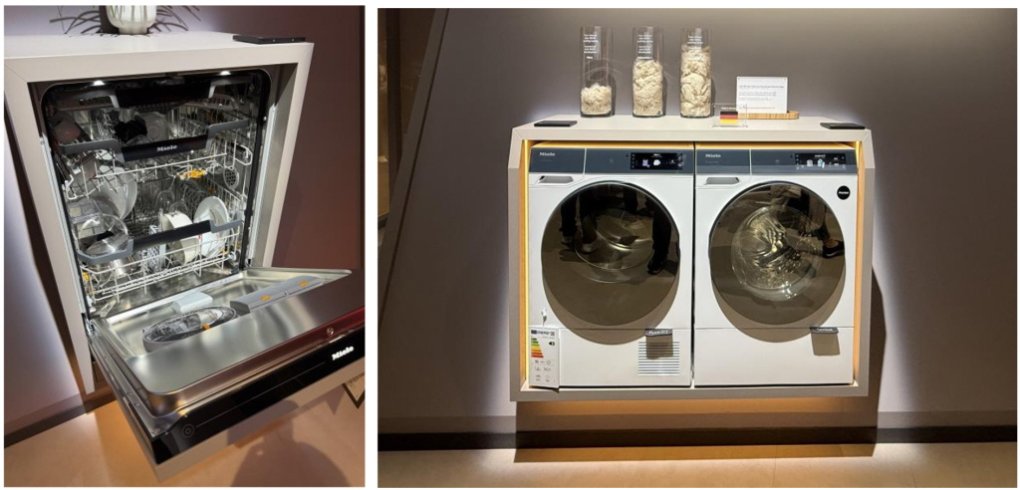
Miele made 'The End of Housework Is in Sight' its core message at this exhibition. AI was defined not as a simple automation technology but as technology that makes the numerous decisions that arise in household chores on behalf of the user. The future-oriented laundry concept 'Cary' also presented a direction to automatically recognize fabric type and color and determine the optimal washing method and detergent amount.
Siemens' iQ700 oven shows the same trend. Through a camera, it recognizes over 100 types of food, recommends appropriate cooking programs, and learns and repeatedly applies cooking patterns frequently used by users. AI is evolving beyond simple recipe recommendations to a stage where it directly understands and manages the cooking process.
This change is ultimately transforming the role of appliances themselves. In the past, appliances were tools that operated only when users directly set them, but now they are evolving into life partners that understand user intentions and situations and then self-optimize.
■ Entire Home Evolves into 'AI Companion'
The evolution of AI is expanding beyond individual products to the entire smart home. Various devices such as refrigerators, TVs, and air conditioners are being connected to one another and developing to understand user lifestyle patterns.
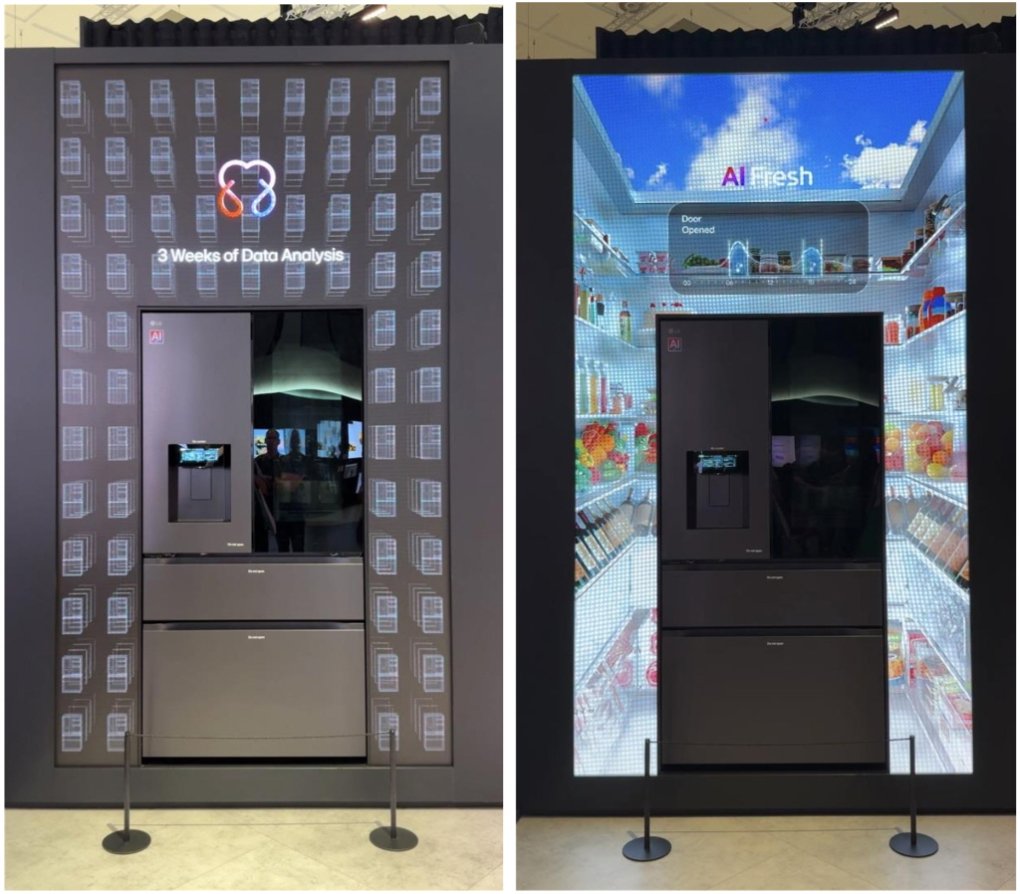
LG Electronics' next-generation LG SIGNATURE refrigerator features a voice interface based on large language models (LLM). Users can naturally ask questions about how to store and use ingredients, and the 'AI Fresh' function learns usage patterns and begins cooling up to 2 hours before the refrigerator door is expected to be opened. The refrigerator is evolving into a device that predicts user behavior beyond being a simple storage space.
Hisense presented the 'AI Companion' concept expanded one step further. The air conditioner analyzes indoor environment and human location to adjust wind direction, the refrigerator recognizes ingredients and recommends menus, and the oven receives this information and performs optimal cooking processes. Washing machines and dryers also identify clothing characteristics and automatically select appropriate washing courses. A direction is being implemented where not individual appliances but the entire home operates as a single AI system.
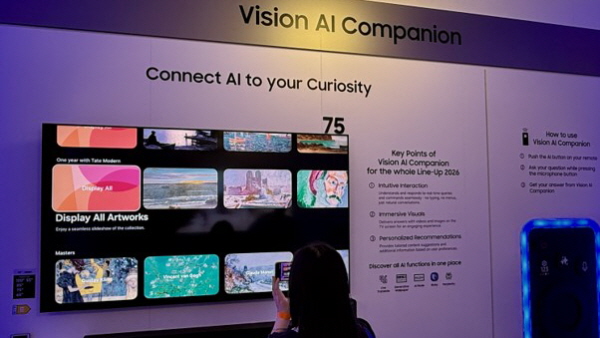
TVs are also changing. Samsung Electronics' Vision AI Companion understands content being watched and answers user questions or recommends personalized content. While past AI TVs focused on improving picture and sound quality, they are now evolving into roles that understand content itself and interact with users.
Samsung Electronics' Bespoke AI WindFree Pro air conditioner also detects human movement using radar sensors and adjusts cooling. When linked with wearable devices, the cooling environment can be automatically changed according to sleep state. This demonstrates how AI is evolving beyond simply controlling devices to considering both human state and spatial environment together.
■ In the AI Era, What Matters Is 'Life Value'
What this exhibition suggests is clear. AI is no longer a special feature but is becoming a standard feature that is basically installed in all appliances.
Accordingly, the criteria consumers consider important are also changing. Rather than the size of AI models or algorithm names, what becomes more important is how much the product reduces the burden of choosing a washing program, how much it reduces the number of times users directly operate an air conditioner, and how efficiently the refrigerator manages ingredients.
Along with this, the industry is also becoming increasingly cautious about so-called 'AI Washing.' The era of using the term AI merely as a marketing tool is gradually ending. As AI begins to be applied to almost all products, consumers ask, "So what has changed?" and "What judgments does it make on my behalf?"
This is why products that received attention at IFA 2026 commonly recognized the state of people, environments, and objects through cameras and sensors and directly reflected this in product control. Going forward, competitiveness will be determined not by the fact that AI is installed but by how much AI actually reduces inconvenience in daily life.

Ultimately, the essence of 'AI Everywhere' demonstrated by IFA 2026 is not the increase in AI products. The point is that an environment is being created where devices understand situations and act appropriately even without users being conscious of AI. The true everyday normalization of AI lies not in users manipulating AI more, but in the reduction of judgments and operations users must directly perform thanks to AI.
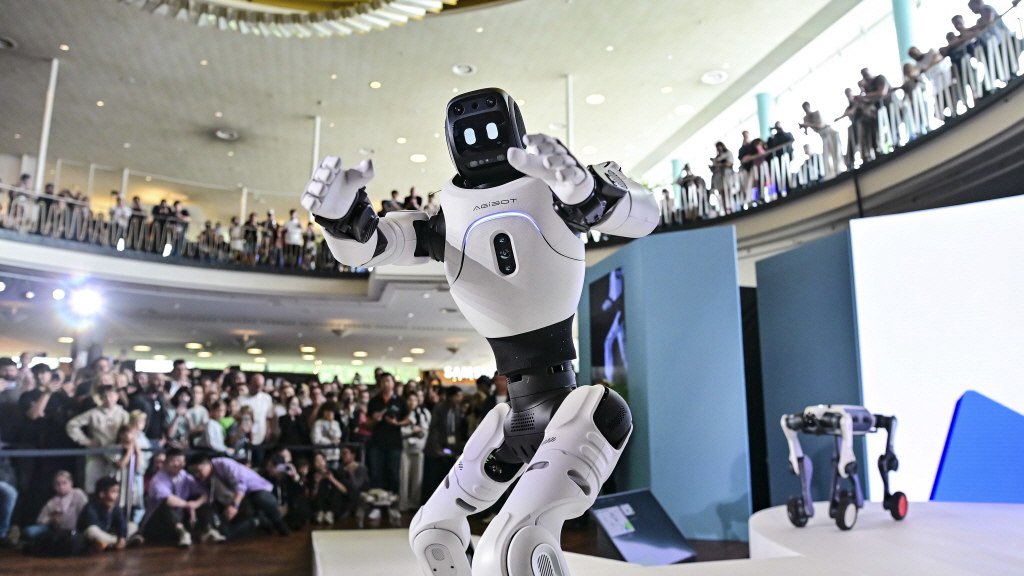
IFA 2026 showed exactly the starting point of that change. AI is moving from a special technology to a basic function of life, and from a tool that executes user commands to a companion that understands user intentions. And the next stage is leading to 'Physical AI' that understands and acts within physical spaces beyond appliance interiors.

Comments
Related news
[IFA 2026 ①]"AI Operates Homes, China Controls Market"
The world's largest consumer electronics and IT trade show, IFA 2026, held in Berlin, Germany, was not merely a showcase for new products. This year's exhibition marked a declaration of entry into an era where AI transcends being embedded in home appliances to integrally operating them. Simultaneously, Chinese companies, comprising nearly half of participating enterprises, brought their technological competitiveness to the forefront in displays, smart homes, and robotics, moving to secure leadership in the global market. IFA 2026 is projected to be recorded as an event that distinctly revealed two major currents: "the opening of the AI agent era" and "China's manufacturing technical hegemony challenge."
2026.09.14by 김학용 기자
[IFA 2026 ②]AI was the same, but strategies differed…Samsung and LG's winning moves diverged at IFA 2026
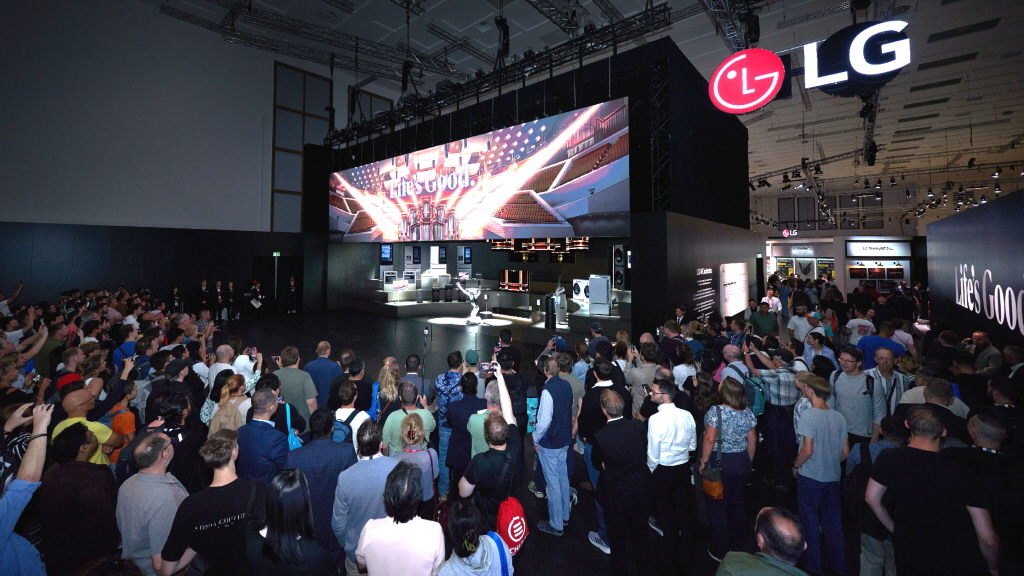
At IFA 2026 held in Berlin, Germany, Samsung Electronics and LG Electronics discussed the same AI but approached the market in completely different ways. While Chinese companies occupied nearly half of the exhibition space with volume and technology offensives, the two domestic companies shifted their focus from simple product competition to AI ecosystem building, energy efficiency, and space design competition. In particular, both companies presented a future where AI manages users' daily lives on their behalf, but Samsung Electronics differentiated itself with a consumer experience and content-focused strategy, while LG Electronics led with a B2B and platform-focused strategy.
2026.09.14by 김학용 기자
[IFA 2026 ③] AI Computing Shifts from Data Centers to Homes…AMD and NVIDIA Present the Blueprint for the 'Personal AI' Era
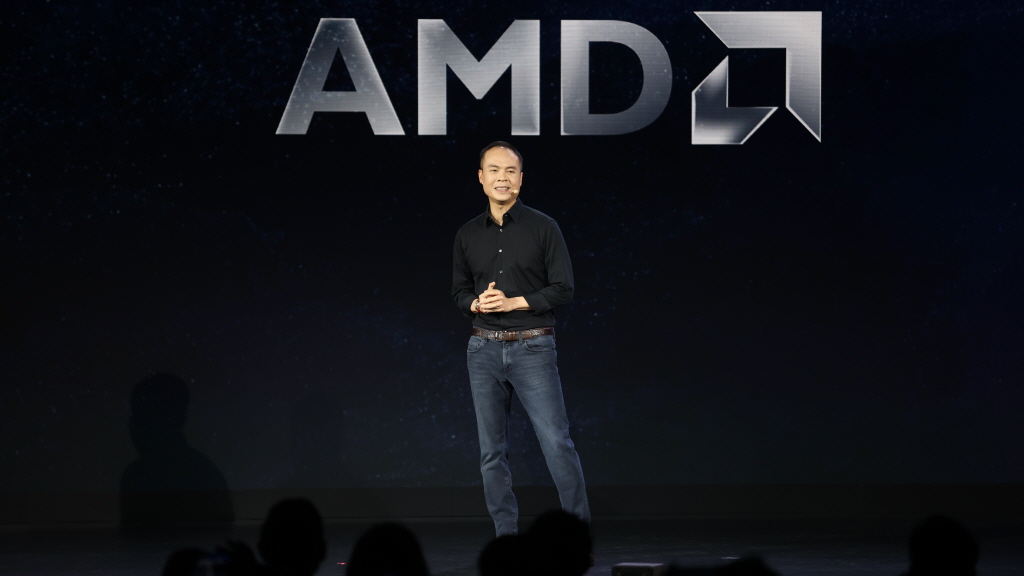
IFA 2026, held in Berlin, Germany, was no longer a traditional consumer electronics exhibition. As AI emerged as the central axis of the home appliance industry, the protagonists of this year's event were not home appliance manufacturers like Samsung Electronics, LG Electronics, and TCL, but semiconductor companies like AMD and NVIDIA. In particular, AMD's opening keynote and NVIDIA's public disclosure of its local AI ecosystem expansion strategy demonstrated that the competition for dominance in the AI era is extending beyond data centers into personal devices and smart home sectors.
2026.09.15by 김학용 기자
[IFA 2026 Settlement ①] IFA 2026 Opens the Era of 'Smart Living'…The Future of Smart Living and 7 Major Trends Showcased at IFA 2026
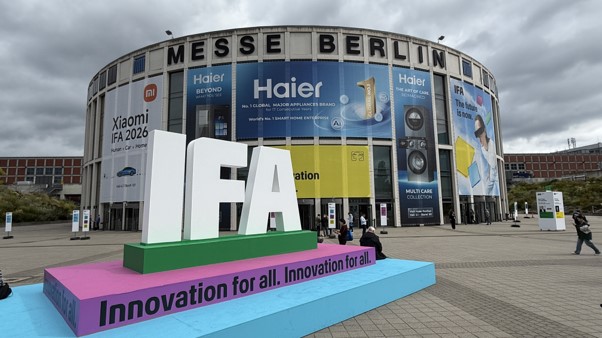
The world's largest consumer electronics trade show, IFA 2026, held in Berlin, Germany, closed its doors after achieving record-breaking scale. This year's event transcended being a mere new product launch platform and served as a massive future laboratory showcasing how AI, robotics, smart home, and next-generation computing technologies will transform everyday life. Accordingly, this publication plans to conduct a nine-part series through the eyes of Kim Hak-yong, a contributing reporter (CEO of WhatsMatter) who covered IFA 2026 on-site, providing in-depth analysis of the core trends of IFA 2026 one by one, and subsequently examining the strategies of global companies and the tasks the domestic industry must prepare for.
2026.09.22by 김학용 기자
Lenovo leads digital education for people with developmental disabilities and local residents...Holt Children's Welfare Society receives 50 million won in IT equipment support
Korean Lenovo has provided a total of 50 million won worth of IT devices including notebooks, tablets, and desktops to two welfare centers under Holt Children's Welfare Society in Gangdong and Hanam, and established the 'Lenovo Digital Learning Center.' This support initiative, aimed at improving digital education accessibility for people with developmental disabilities and local residents, is part of the global corporate social responsibility campaign 'LMOS' in which employees worldwide participate.
2026.10.06by 배종인 기자











