


Will Windows 10 and the Launch of Next-Generation 14nm Change the Landscape of the PC Market?
 Published2015.08.15 12:12
관련뉴스
.jpg)
SalePoint Signs Multi-Year Partnership Agreement with AWS… Promoting Identity Security that Integrates Even AI Agents
세일포인트가 AWS와 다년간의 전략적 협력 계약을 체결하고, 인간과 비인간 아이덴티티를 함께 관리하는 통합 거버넌스 체계 구축에 나선다. AI 에이전트가 업무 수행 주체로 늘어나는 환경에서 접근 권한을 일관되게 관리하고, 최소 권한 원칙과 자동화된 정책 집행을 적용하겠다는 구상이다. 양사는 AWS 환경에서 AI 에이전트를 포함한 다양한 주체의 아이덴티티를 하나의 레이어에서 관리하는 기능을 공동 확대할 계획이다. 이번 협력은 AI 도입이 확대되는 기업 환경에서 보안과 거버넌스를 함께 설계하려는 움직임으로 해석된다.
2026.03.26by 배종인 기자
.png)
Databricks Unveils Open AI Security Monitoring 'Lakewatch'
데이터브릭스가 3월 24일 개방형 에이전틱 SIEM ‘레이크워치’를 공개하며 보안 시장에 진입했다. 이 제품은 보안, IT, 비즈니스 데이터를 단일 환경에서 통합 분석해 AI 기반 위협 탐지와 조사를 지원하는 것이 핵심이다. 회사는 고비용 구조 때문에 일부 데이터를 포기해온 기존 보안관제의 한계를 줄이고, 개방형 형식과 생태계를 바탕으로 대규모 데이터 분석과 자동화를 가능하게 한다고 설명했다. 레이크워치는 현재 프라이빗 프리뷰로 제공되며, 어도비와 드롭박스 등이 초기 고객으로 언급됐다. 데이터브릭스는 앤트로픽과 협력을 확대하고 안티매터, SiftD.ai 인수도 함께 발표했다.
2026.03.26by 배종인 기자
Ecolab Expands AI Data Center Cooling Business Through Acquisition of CoolIT
Ecolab has agreed to acquire CoolIT Systems, a liquid cooling company for AI data centers, for approximately $4.75 billion. The transaction is expected to close by Q3 2026, subject to regulatory approvals. CoolIT has been supplying direct-to-chip cooling-based coolant distribution units, cold plates, and manifolds, serving hyperscale data centers and colocation operators as customers. This acquisition is a measure to address the high-heat and high-density server environments created by AI proliferation. Ecolab plans to combine its water management and digital monitoring capabilities with CoolIT's hardware technology to expand its data center cooling business.
2026.03.26by 명세환 기자
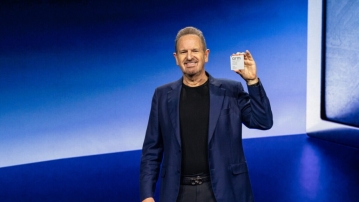
Arm Unveils First Data Center CPU Targeting 'Agentic AI' Era… Securing Both Cost-Effectiveness and Scalability for Large-Scale AI Infrastructure
Arm이 ‘에이전틱 AI’ 시대를 겨냥해 대규모 AI 인프라의 경제성 및 확장성을 동시에 확보한 첫 데이터센터 CPU ‘Arm AGI CPU’를 공개하며, 인공지능(AI) 인프라의 새로운 전환점을 선언했다.
2026.03.25by 배종인 기자
.jpg)
ETRI Develops Multimodal AI Technology That Retains Existing Information Even When Learning New Knowledge
한국전자통신연구원(ETRI)이 멀티모달 AI가 새 지식을 학습하는 과정에서 기존 정보를 잃어버리는 ‘치명적 망각’ 문제를 줄이는 기술을 개발했다. 이 기술은 이미지와 텍스트 정보를 분리해 저장한 뒤 필요할 때만 연결하는 방식으로, 기존 모델의 지식 손상을 줄이면서 복합 질문에 대한 응답 정확도를 높이는 데 초점을 맞췄다. 연구 결과는 인공지능 학술대회 NeurIPS 2025에 채택됐으며, 정책·법령, 제품 정보, 산업 데이터처럼 지속적인 업데이트가 필요한 분야에 활용 가능성이 제시됐다.
2026.03.24by 명세환 기자











