


This is the future technology that small and medium-sized enterprises should pay attention to.
 Published2015.09.03 14:03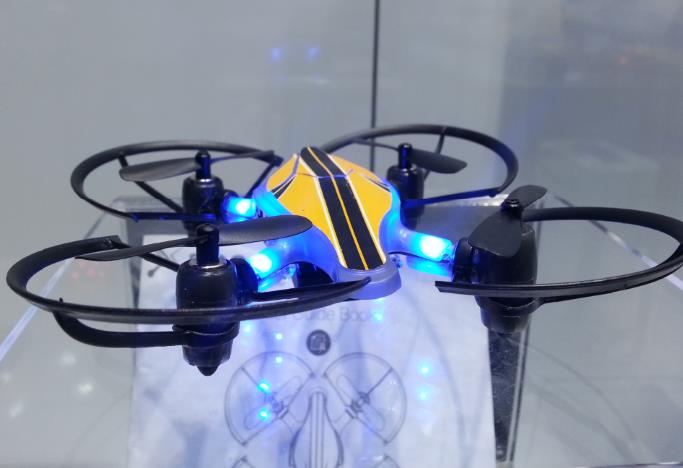
Seo Jin-i, director of KISTI's Technology Innovation Analysis Center, said, "KISTI has developed, applied, and advanced its own unique framework for discovering promising small and medium-sized enterprise (SME) businesses ," adding, " We will discover and select promising business items through SME needs analysis , business area definition , industry analysis , technology analysis , market analysis, and evaluation, and carry out follow-up projects such as technology acquisition and commercialization strategies . "
관련뉴스
The Problem with AI is Not Performance, but Trust
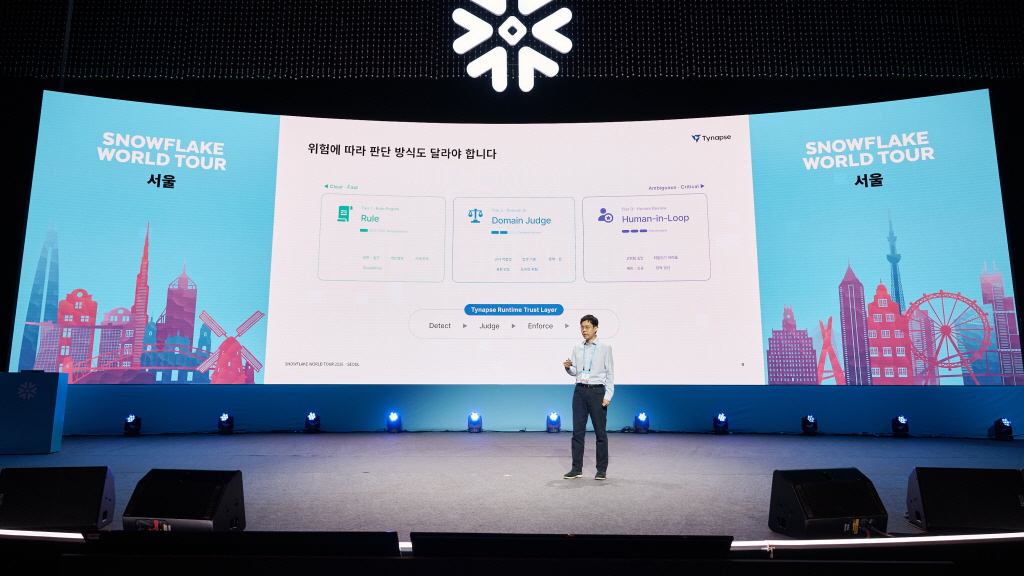
CEO Kang Min-seung emphasized at Snowflake's World Tour Seoul that generative AI has entered a phase where "trust" rather than accuracy becomes the key competitive advantage. As AI is applied to various tasks including consultation, risk management, and operational automation, incorrect data, erroneous responses, and bias are creating actual business risks. He pointed out that enterprises must build a trust layer above AI. To achieve this, accurate data management, semantic structuring, governance, and prompt security are essential. He explained that AI is not merely an automation tool but a technology that reorganizes the entire organization's workflows and decision-making systems. Snowflake provides a platform that supports this trust-based AI operation, emphasizing that enterprises should build "trustworthy AI" rather than "intelligent AI."
2026.08.28by 배종인 기자
The Decisive Factor for AI Agents in Finance: "Trustworthy Data Infrastructure"
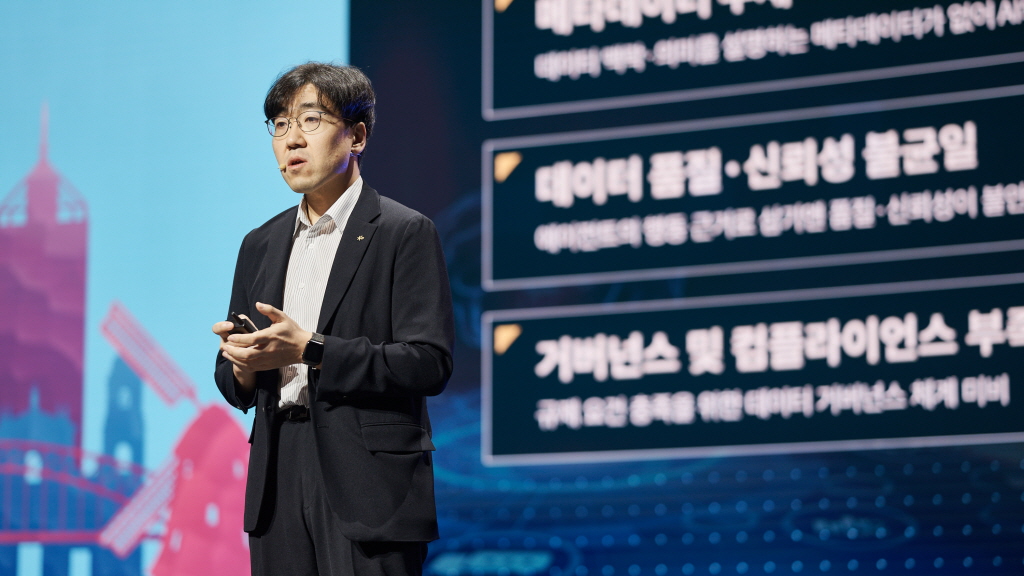
The key to spreading AI agents in the financial sector is establishing a trustworthy data system. KB Kookmin Bank is operating over 100 AI agents by 2025 and is promoting expansion to 300. AI is automating repetitive tasks across various areas such as consultation, risk management, wealth management, and relationship management. However, if data quality, governance, and semantic structuring are insufficient, errors and risks increase. KB is building an AI-Ready organization through a multi-model strategy of GPT, Gemini, and Claude, as well as a Snowflake-based data system. The bank emphasized that AI has entered a phase where it restructures not just simple automation but the entire work process and decision-making system.
2026.08.28by 배종인 기자
Snowflake Presents Data Platform Roadmap for Agentic AI Era
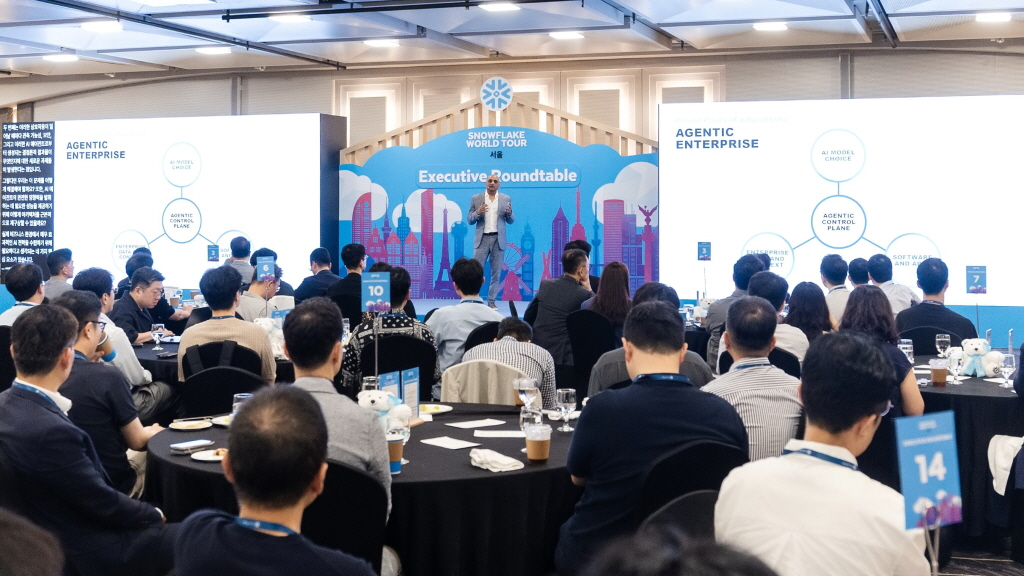
Snowflake emphasized at the Seoul roundtable that the key to enterprise AI proliferation lies in "Agentic AI" and the integration of data and workflows. Bala Kasivisvanathan stated that AI is evolving beyond simple analytics to become the driver of task automation and operational optimization, and that organizations must strengthen their data quality, processes, and governance as prerequisites for this. CJ OliveNetworks introduced that it is currently expanding AI applications in logistics and operational automation. Snowflake stressed that companies need a strategic shift to connect AI adoption to tangible business impact.
2026.08.28by 배종인 기자
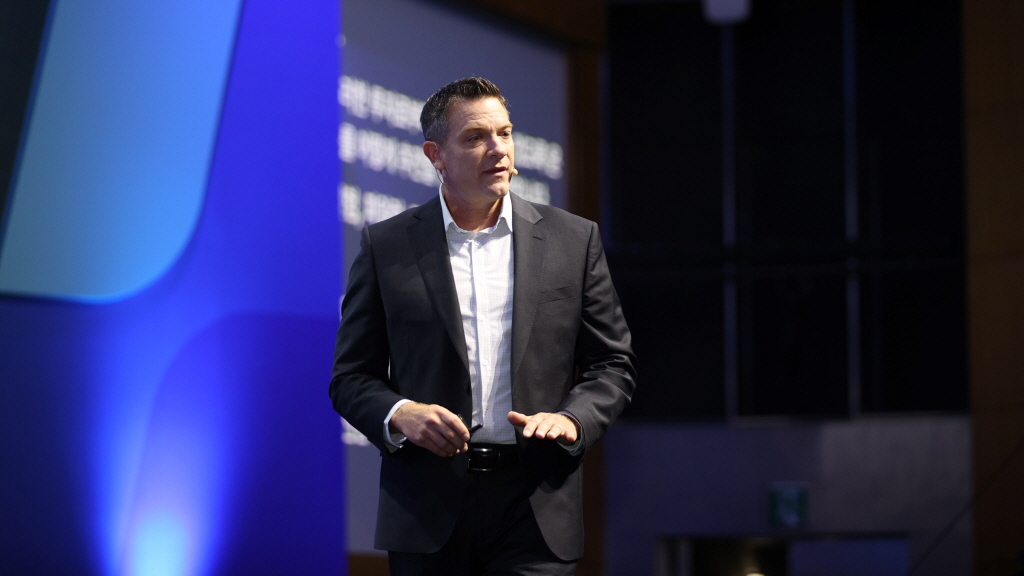
"All office workers will become agent managers"
At the Dell Technologies Forum 2026, Matt Dunfee, Senior Vice President at Dell Technologies headquarters, forecast that in the AI era, every worker will take on the role of managing dozens to thousands of agents, and emphasized that rather than simply adding AI to existing tasks, processes themselves must be redesigned. He pointed out that the success or failure of AI adoption depends not on technology itself, but on cost efficiency, data preparation, and AI economics, prototyping, and change management.
2026.08.28by 배종인 기자
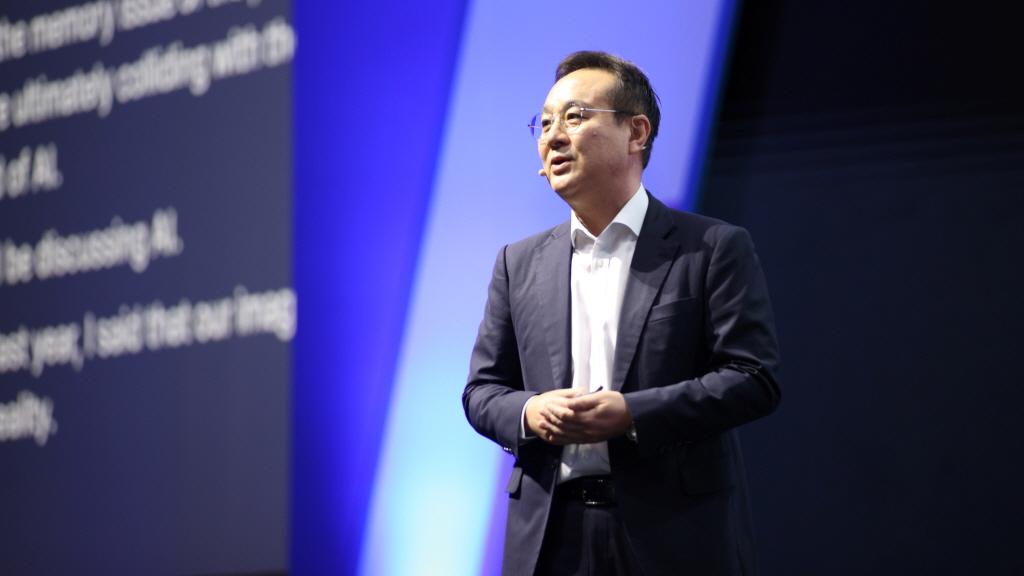
Sang-Mo Yu, Dell President: "AI Is Now Infrastructure—Integrated Approach to Security, Power, and Data Centers Is Essential"
At Dell Technologies Forum 2026, Sang-Mo Yu, President of Dell Technologies Korea, emphasized that AI has transcended the role of a productivity tool to become core infrastructure for enterprises and everyday life, underscoring the necessity of a hybrid AI infrastructure strategy integrating power, cooling, security, and data centers. He disclosed that he utilizes more than 20 AI agents daily and identified embedded security and the absence of unified roadmaps as major challenges for enterprises.
2026.08.28by 배종인 기자











