



Heart rate sensor demonstrates high accuracy by detecting even fake motion
 Published2015.10.07 10:49
Maintains relatively high accuracy regardless of whether you are resting or exercising.
ams, a company specializing in sensors and analog ICs, announced the launch of the AS7000 as its first product family suitable for wearable devices.
Based on ams's optomechanical design, it was manufactured in a package measuring 6.1 millimeters (mm) in width, 4.1 mm in height, and 1 mm in thickness to be suitable for 24-hour wearable devices.
AS7000 refers to the AS7000 module, which includes an LED, photosensor, analog front-end (AFE), and controller, as well as the application software essential for implementing a precision optical HRM/HRV fitness band product. This module can measure skin temperature and skin resistance in conjunction with external sensors.
ams supports OEMs in successfully and rapidly implementing electrical, mechanical, and optical design guidelines. This guideline addresses important optomechanical challenges such as design and materials in wrist straps and housings, as well as specific optical design considerations such as the sensor, air gap, and glass thickness. 
The AS7000 measures heart rate using the HRM technique, based on photoplethysmography (PPG) that detects the expansion and contraction of blood vessels via sampling light. Unlike conventional optical AFEs that provide raw PPG readings, the AS7000 integrates a digital processor that operates on an algorithm developed by ams. This algorithm converts PPG readings into digital HRM and HRV values.
When the AS7000 is used with an external accelerometer, this algorithm filters out motion artifacts that cause heartbeats and interfere with PPG readings, which are then mistaken for heartbeats. This means that relatively high accuracy can be maintained regardless of whether the user is at rest or exercising.
Ronald Tingl, Senior Marketing Manager for Biosensors, said, “ams’ AS7000, which reduces noise, corrects false motion, and saves energy, is ideal for customers looking for a total solution that enables faster time-to-market while adding health and fitness features to wearables.”

관련뉴스
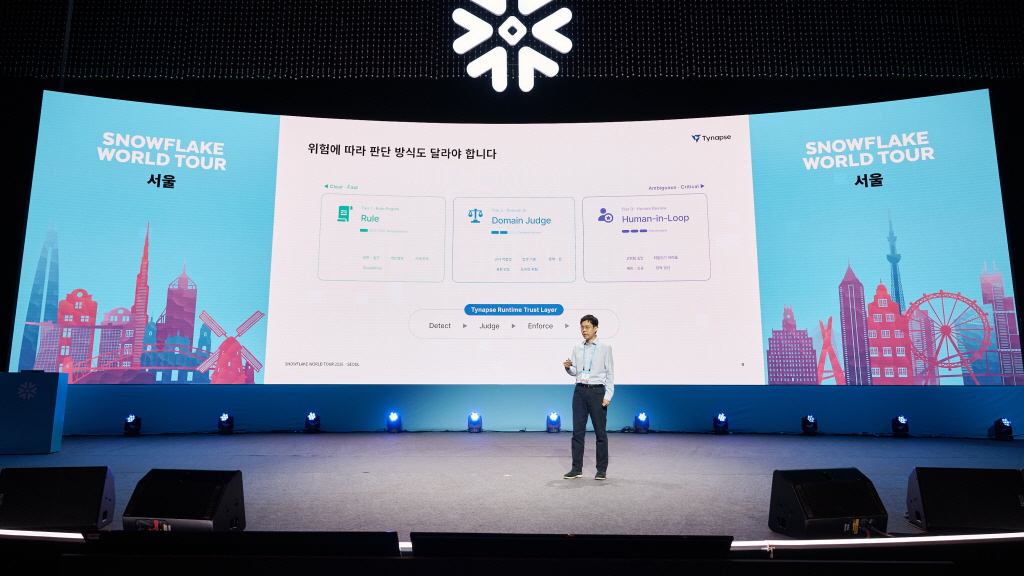
The Problem with AI is Not Performance, but Trust
CEO Kang Min-seung emphasized at Snowflake's World Tour Seoul that generative AI has entered a phase where "trust" rather than accuracy becomes the key competitive advantage. As AI is applied to various tasks including consultation, risk management, and operational automation, incorrect data, erroneous responses, and bias are creating actual business risks. He pointed out that enterprises must build a trust layer above AI. To achieve this, accurate data management, semantic structuring, governance, and prompt security are essential. He explained that AI is not merely an automation tool but a technology that reorganizes the entire organization's workflows and decision-making systems. Snowflake provides a platform that supports this trust-based AI operation, emphasizing that enterprises should build "trustworthy AI" rather than "intelligent AI."
2026.08.28by 배종인 기자
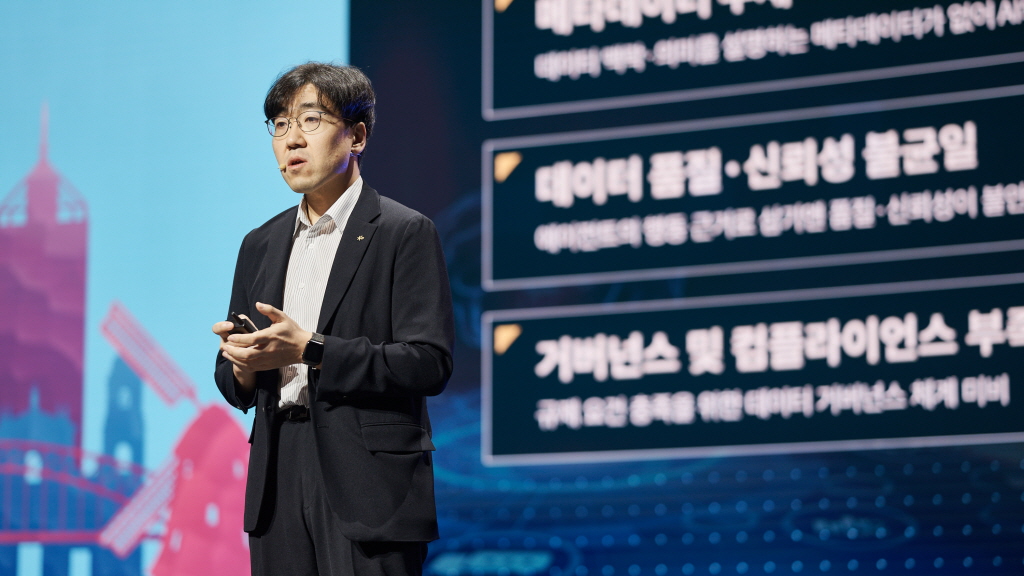
The Decisive Factor for AI Agents in Finance: "Trustworthy Data Infrastructure"
The key to spreading AI agents in the financial sector is establishing a trustworthy data system. KB Kookmin Bank is operating over 100 AI agents by 2025 and is promoting expansion to 300. AI is automating repetitive tasks across various areas such as consultation, risk management, wealth management, and relationship management. However, if data quality, governance, and semantic structuring are insufficient, errors and risks increase. KB is building an AI-Ready organization through a multi-model strategy of GPT, Gemini, and Claude, as well as a Snowflake-based data system. The bank emphasized that AI has entered a phase where it restructures not just simple automation but the entire work process and decision-making system.
2026.08.28by 배종인 기자
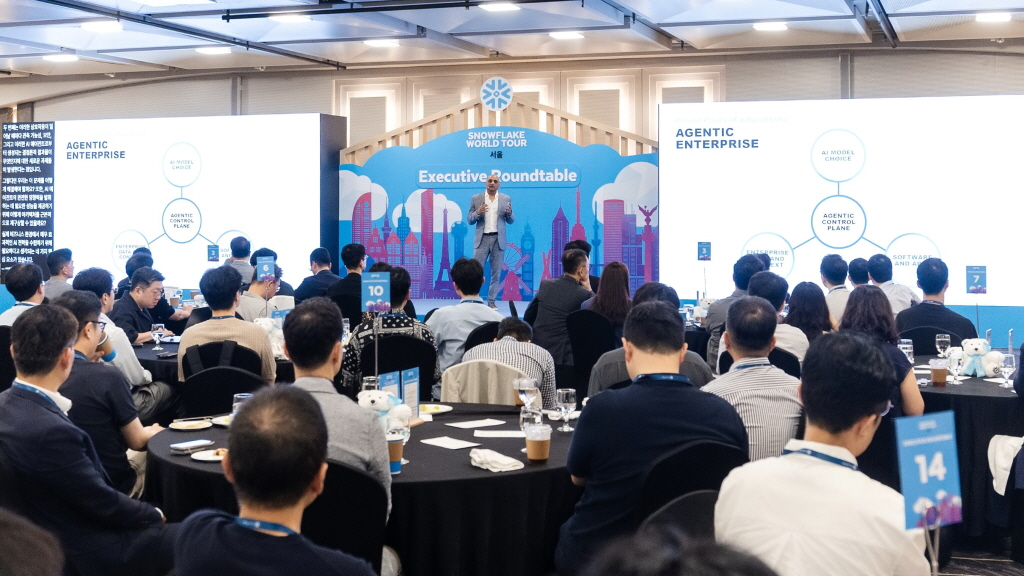
Snowflake Presents Data Platform Roadmap for Agentic AI Era
Snowflake emphasized at the Seoul roundtable that the key to enterprise AI proliferation lies in "Agentic AI" and the integration of data and workflows. Bala Kasivisvanathan stated that AI is evolving beyond simple analytics to become the driver of task automation and operational optimization, and that organizations must strengthen their data quality, processes, and governance as prerequisites for this. CJ OliveNetworks introduced that it is currently expanding AI applications in logistics and operational automation. Snowflake stressed that companies need a strategic shift to connect AI adoption to tangible business impact.
2026.08.28by 배종인 기자
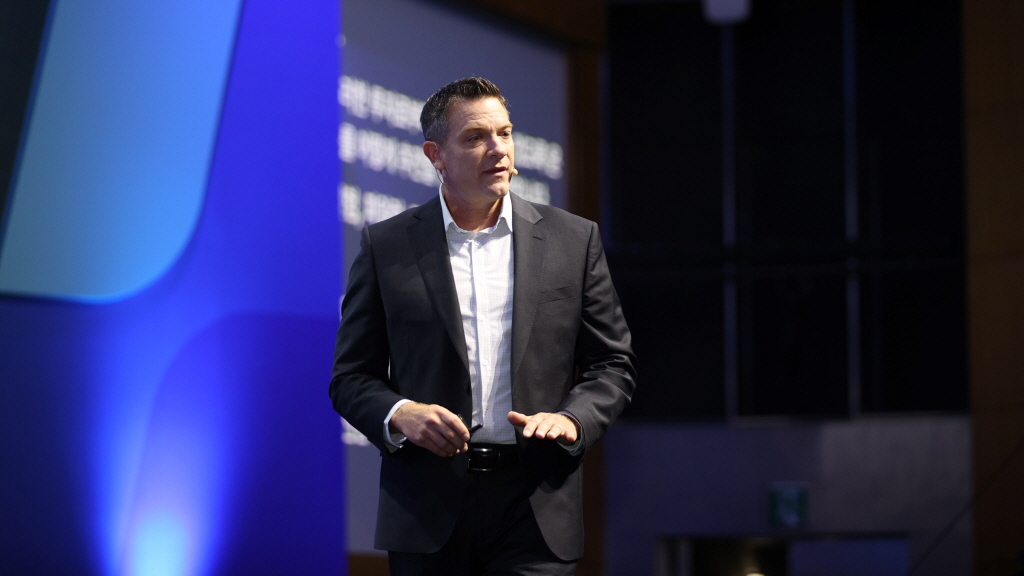
"All office workers will become agent managers"
‘델 테크놀로지스 포럼 2026’에서 델 테크놀로지스(Dell Technologies) 본사 맷 던피(Matt Dunfee) 수석부사장은 AI 시대에는 모든 직장인이 수십~수천 개의 에이전트를 관리하는 역할을 맡게 된다고 전망하며, 기존 업무에 AI를 덧붙이는 방식이 아니라 프로세스 자체를 재설계해야 한다고 강조했다. AI 도입 성패는 기술보다 비용 효율성과 데이터 준비, 그리고 AI 경제성·프로토타이핑·변화관리에 달려 있다고 지적했다.
2026.08.28by 배종인 기자
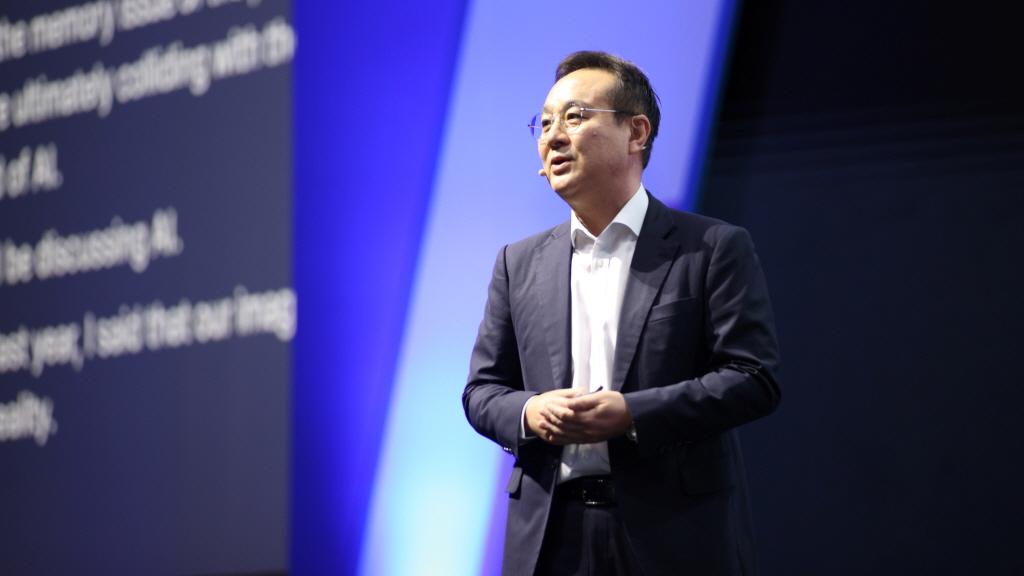
Sang-Mo Yu, Dell President: "AI Is Now Infrastructure—Integrated Approach to Security, Power, and Data Centers Is Essential"
At Dell Technologies Forum 2026, Sang-Mo Yu, President of Dell Technologies Korea, emphasized that AI has transcended the role of a productivity tool to become core infrastructure for enterprises and everyday life, underscoring the necessity of a hybrid AI infrastructure strategy integrating power, cooling, security, and data centers. He disclosed that he utilizes more than 20 AI agents daily and identified embedded security and the absence of unified roadmaps as major challenges for enterprises.
2026.08.28by 배종인 기자











