



"2017 will see increased security risks due to the rapid integration of digital and physical domains"
 Published2016.12.01 09:58
Pointing out cloud attacks, the increase in enterprise-led insider threats, and new attacks via voice recognition.
Forcepoint (Country Manager for Korea, Sanghyeok Lee) has released its 2017 Cybersecurity Outlook Report. This report focuses on the increasing integration of technological and physical domains and addresses the long-term impact of this new digital ecosystem on organizations and institutions worldwide. The outlook report was developed through the collaborative efforts of cybersecurity experts from Forcepoint and Raytheon.
Kris Lamb, Vice President of Forcepoint’s Threat Prevention Research, Development and Security Lab, said, “In 2017, the world will feel the security risks resulting from the rapid integration of the digital and physical realms,” adding, “As the interdependence between the two domains deepens, this impact will extend beyond cybersecurity to governments and businesses around the world.”
Josh Douglas, Chief Strategy Officer of Raytheon’s Foreground Security business unit, pointed out, “Most companies believe that simply migrating to a cloud environment ensures security,” adding, “However, moving data to the cloud does not absolve a company of its responsibility to protect that data, and proper operations and execution remain crucial.” He added, “Hastefully switching to cloud computing without considering these factors could result in the weakening of security for many companies.”
Forcepoint’s 2017 Cybersecurity Outlook Report covers all aspects of cybersecurity, ranging from the behavior of businesses and individuals to the impact of major technology trends on politics and international relations.
To introduce a few of the key points among the 10 predictions included in this report, the rise of voice recognition AI capable of accessing the internet, data, and various apps will bring about new attack methods and privacy issues that have never existed before.
Furthermore, the emergence of new enterprise-driven insider threats may cause issues with customer data, corporate profitability, and other performance goals. As a result, organizations will be compelled to re-evaluate their business environment and growth strategies.
Organizations that have already migrated vulnerable environments to the cloud will realize that without proper preparation, the cloud environment is not significantly advantageous in terms of security. This is because attacks on the cloud, which serves as the execution base for virtual machines (VMs), are expected to increase.
The European Union (EU) General Data Protection Regulation (GDPR) will officially come into effect in 2018. Once the GDPR takes effect, new data protection regulations will apply, and companies may face increased costs as they must identify who, when, and how various stakeholders intend to access data.
관련뉴스

[A Close Look at ICT R&D] ④ The Rapidly Growing Convergence Security Industry: How to Avoid Being Caught in the Sandwich
정보보호 세계 시장은 2016년 1,612억 달러에서 2022년 2975억 달러로 연평균 10.8% 증가할 것으로 전망된다. 클라우드 빅데이터 IoT 등 ICT 환경 변화에 따른 정보보호 수요가 지속적으로 증가하고 있으며 융합보안 시장은 크지 않으나, 향후 유망분야로 31.7%의 급성장이 예상된다. 국내시장 전망도 좋은 편이다. 2015년 8.7조 원에서 2022년 15.7조 원으로 연평균 10.4% 증가할 국내 정보보호 산업은 정보보안을 주축으로 성장할 것(14.18%)으로 예상된다. 세계 시장과 마찬가지로 시장은 크지 않으나 융합보안 국내 시장은 34.2%로 크게 성장할 것으로 보인다.
2016.08.22by 신윤오 기자
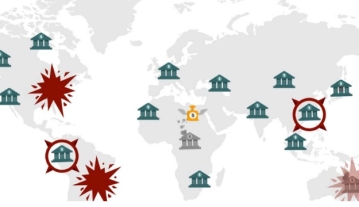
Security difficulties due to vulnerable security infrastructure, lax networks, and slow threat detection
시스코가 최근 보안 위협 동향과 해결책을 담은 ‘시스코 2016 중기 사이버 보안 보고서 (Cisco 2016 Midyear Cybersecurity Report)’를 발표했다. 보고서에 따르면 랜섬웨어(ransomware)가 수익 극대화를 위해 다양한 변종을 내놓으며 진화하는 것으로 나타났다. 많은 기업이 증가하는 랜섬웨어 변종에 어려움을 겪고 있는 주된 이유로 ▲취약한 보안 인프라 ▲허술한 네트워크 ▲느린 위협 탐지 속도를 꼽았다.
2016.09.05by 김수지 기자
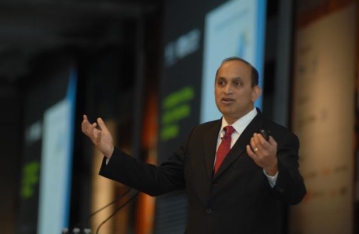
VMware Faces Serious Issues of Increased Costs and Security Threats Due to Decentralization of IT Department Work
VMware Korea가 연례 가상화 클라우드 컨퍼런스 vFORUM 2016을 서울 삼성동 코엑스 그랜드 볼룸에서 성공적으로 개최했다. ’be_Tomorrow’라는 주제로 열린 이번 행사에서는 빠르게 변화하는 디지털 시대에서 기업의 비즈니스 혁신을 가속화하는 핵심 전략과 관련 VMware 솔루션들이 소개됐다. 이날 기조연설에서는 산제이 푸넨(Sanjay Poonen) VMware 본사 사업 총괄 최고 운영 책임자가 ‘멀티 클라우드 시대에서 기업 경쟁력을 강화하는 방안’에 대해 발표했다. 이어 귀도 아펜젤러(Guido Appenzeller) VMware 네트워크 및 보안 부문 최고 전략 기술 책임자는 VMware의 크로스 클라우드 아키텍처에 대해 소개했다.
2016.11.17by 김수지 기자
.png)
Databricks Unveils Open AI Security Monitoring 'Lakewatch'
데이터브릭스가 3월 24일 개방형 에이전틱 SIEM ‘레이크워치’를 공개하며 보안 시장에 진입했다. 이 제품은 보안, IT, 비즈니스 데이터를 단일 환경에서 통합 분석해 AI 기반 위협 탐지와 조사를 지원하는 것이 핵심이다. 회사는 고비용 구조 때문에 일부 데이터를 포기해온 기존 보안관제의 한계를 줄이고, 개방형 형식과 생태계를 바탕으로 대규모 데이터 분석과 자동화를 가능하게 한다고 설명했다. 레이크워치는 현재 프라이빗 프리뷰로 제공되며, 어도비와 드롭박스 등이 초기 고객으로 언급됐다. 데이터브릭스는 앤트로픽과 협력을 확대하고 안티매터, SiftD.ai 인수도 함께 발표했다.
2026.03.26by 배종인 기자
Kaspersky Unveils Revamped 'NEXT' Combining SOC Integrated Management and AI Analytics
기업들이 보안관제센터(SOC) 구축과 운영에서 통합 관리와 자동화 수요를 키우는 가운데, 카스퍼스키가 자사 B2B 보안 제품군 ‘카스퍼스키 넥스트’의 개편 내용을 공개했다. 이번 업데이트는 OSMP 기반 단일 콘솔로 EPP·EDR·XDR·SIEM 연계를 넓히고, DLL 하이재킹 탐지와 계정 탈취 의심 행위 식별 같은 AI 기능, 생성형 AI 보조도구 KIRA 연동을 담았다. 회사는 대규모 배포 환경에서 EDR Expert는 최대 30%, XDR Expert는 최대 60%까지 자원 요구량을 낮출 수 있다고 밝혔다.
2026.03.25by 배종인 기자











