



Seoul National University's Top 7 Future Technologies (Part 1): Which Technologies Will Change the Future?
 Published2017.01.23 18:00
The top 10 technologies that have driven the nation's growth were announced , and lectures were held on the top 7 technologies that will lead the future.
To commemorate the 70th anniversary of the university's founding, the Department of Electrical and Information Engineering and the Department of Computer Engineering at Seoul National University selected 10 technologies that have driven Korea in the fields of electricity , electronics , and computers, as well as 7 technologies that will lead the future .
This was selected through a voting process in which the Department of Electrical and Information Engineering and the Department of Computer Science at Seoul National University received proposals for candidate technology names from professors , alumni , and students starting in February 2016 .
The top 10 technologies that have driven Korea's growth were selected as follows: home appliance technology, digital TV technology, memory semiconductor technology, smartphone technology, mobile communication technology, internet technology, automation technology ( control , power , motor, etc. ) , internet technology (World Wide Web , etc. ) , computer game technology, flat panel display technology, and portal and SNS technology .
On the 17th and 18th , lectures were held at Seoul National University on the seven technologies that will lead the future: Internet of Things (IoT) , personalized healthcare technology, virtual reality / augmented reality (VR/AR) , autonomous vehicles, artificial intelligence (AI) , big data, and robotics .an>
1. Internet of Things : The World Will Become Like a Giant Nervous System
Professor Choi Seong-hyeon of the Department of Electrical and Information Engineering, who researches wireless networks , Wi-Fi, LTE, and IoT connectivity, gave a lecture on the present and future of the Internet of Things (IoT) .
IoT is a foundational technology that connects objects to understand and control real systems and physical phenomena, and is applied critically to autonomous vehicles , smart buildings , smart cities , the space industry, and more .
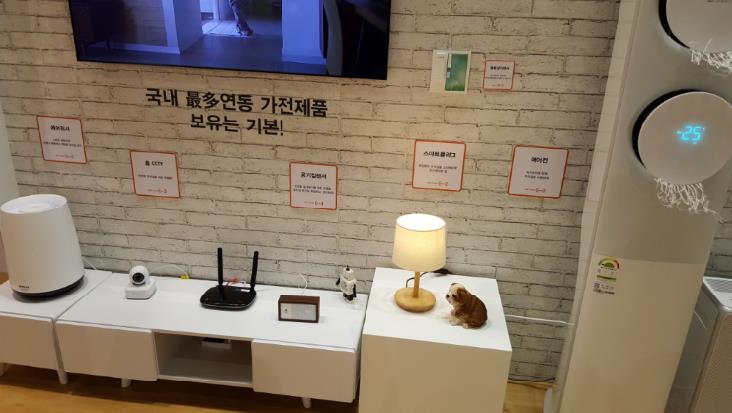
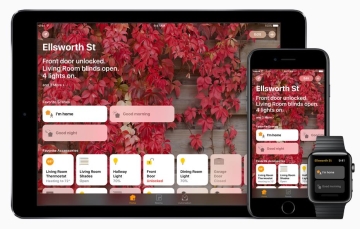
All home appliances are connected through Internet of Things technology. Users can control all of these with a single smart device.
Following smartphones, the number of internet-connected devices is increasing . In particular, home IoT devices and services have started to emerge recently . Various home appliances such as digital door locks , window open sensors , gas safety devices , electric plugs , lighting fixtures , refrigerators , air conditioners, and washing machines are connected to the Internet , and these devices can be controlled remotely using smartphones .
Communication technology is what enables the use of IoT devices . Currently, because IoT devices are used indoors, they utilize short-range wireless networks such as Wi-Fi, Bluetooth , ZigBee, Z-Wave, visible light communication , and acoustic communication .
These technologies cannot be used outdoors because the transmission distance is only tens of meters . Representative examples of long-distance communication for outdoor use are 4G and LTE technologies used in smartphones . These technologies can be used for low-cost , low-power IoT devices, but they are not suitable for the Internet of Small Things (IoST) . Recently, long-distance communication networks supporting transmission distances of 1 to tens of kilometers have been developed . It was explained that there are LTE-M and NB-IoT technologies , which are evolutions of existing methods, as well as completely new technologies such as LoRa and SigFox , which are connecting the Internet of Small Things at low speeds but with low power .
Professor Choi Seong-hyeon added, “Communication technology has been developed in various ways in terms of transmission distance and transmission speed . Depending on the IoT device, there is a suitable technology based on power consumption , price , and frequency . The key is when , where , and how to apply and use it . ”
Finally, “ 5G is being developed with a target of 2020 . “We are focusing on speeds faster than 4G , shorter support times, and enabling many devices to connect simultaneously in a single area,” he said. “If 5G technology is commercialized, the true era of IoT will arrive . A hyper-connected society where people are connected to people , people to things , and things to things in real time will be realized . ”
2. Individualized treatment , personalized gene therapy, and selective anticancer treatment are possible.
Secondly, a lecture on personalized healthcare was given by Professor Seo Jong-mo of the Department of Electrical and Information Engineering, who researches artificial vision devices , neuroprosthetics , and bio- MEMS .
As the relationship between genes, genetic material , and proteins was revealed , and as metabolism and signal transduction processes within the body were understood, the idea of "improving the discomfort of all patients" became the beginning of modern medicine .
In the past, drugs were researched by finding components with therapeutic effects in natural substances . However, now that we understand the body's metabolism and signaling processes, drugs are designed based on the molecular structures targeted for treatment . This method is highly effective in inhibiting the growth of cancer cells, thereby minimizing the side effects of anticancer treatment .
Computed Tomography (CT) and Magnetic Resonance Imaging (MRI) convert information about different parts of the body into numerical values and display them as images . In the past, these were used to examine structural changes and the location of diseases, but currently, functional MRI analyzes these values to observe functional changes . The development of these technologies has made it possible to analyze the characteristics of individual patients and provide personalized medical care .
With the integration of engineering into medicine and the advancement of machinery, surgical methods and examination procedures have evolved efficiently . Development of equipment has advanced endoscopic surgical techniques, and the use of robots has made it possible to optimize the surgeon's intent by utilizing both hands and feet simultaneously . Advancements in diagnostic devices have enabled the rapid processing of large volumes, making rapid diagnosis and treatment possible . Furthermore , specific genetic testing allows us to understand the causes of cancer and how genetic mutations occur, enabling personalized treatment based on genes .
In response to a question asking whether diseases can be predicted through genetic testing, Professor Seo Jong-mo replied, “Currently, there are cases where certain cancers with a family history have been discovered . However, having a genetic abnormality does not necessarily mean that a disease will develop . In many cases, environmental factors must be added for a disease to develop,” adding, “If we can control genetic abnormalities, we can prevent diseases from developing when environmental factors are added . ”
3. Advancement of VR/AR and video rendering technologies, and efforts to create high-quality content are necessary.
For the third lecture, Professor Nam-Ik Cho of the Department of Electrical and Information Engineering, who researches digital signal processing , image processing , and image recognition, gave a presentation on virtual reality (VR) and augmented reality (AR) .
Virtual reality refers to an environment created using artificial technology that is similar to reality but not actually real , while augmented reality refers to overlaying virtual objects onto the real world . These technologies can be applied to various fields such as games , simulation training , entertainment , movies , and smart cities .
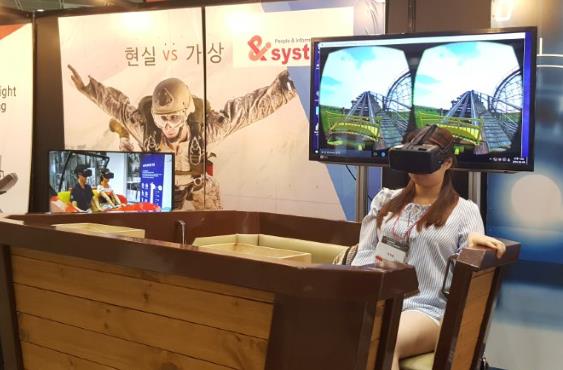
▲ A visitor to the exhibition hall is virtually experiencing an amusement ride through VR.
Research on virtual reality using VR glasses began in the 1950s . The goal of virtual reality technology is to provide a level of immersion indistinguishable from reality . To achieve this, graphics technology , 3D image acquisition technology , and high-resolution display technology are required .
Two- dimensional augmented reality has already been in use for a long time . To represent it in three dimensions, it is necessary to create images with different sizes and focal points depending on the viewing position, as well as sensor technology that identifies human intentions and actions , and interface technology between humans and machines .
Currently, devices of various levels are on the market and content is being developed . However, there are issues such as resolution where pixel grids are visible even in UHD video , device weight , battery life , chromatic aberration and image distortion caused by imperfect video and optical technologies , motion sickness due to parallax between movement and image representation , and high-resolution video transmission . Additionally , it is difficult for it to become mainstream due to a lack of content .
Professor Cho Nam-ik stated, “Although technology is not yet sufficient to support mass adoption , it can be used in education , new entertainment , military training , and psychological / rehabilitation therapy,” adding, “We must also strive to increase the amount of good content . ”
4. Autonomous Vehicles : Will Cars with Driving Intelligence Superior to Humans Emerge?
Professor Seung-Woo Seo of the Department of Electrical and Information Engineering gave a lecture on autonomous vehicles via video .
Recently, autonomous vehicle technology has moved beyond the initial research stage and entered the commercialization phase . It is projected that by around 2040 , 75% of vehicles worldwide will be autonomous . Limited autonomous driving technology, which requires driver intervention, is largely complete , and technology for driving on specific sections of highways is at a level just before mass production .
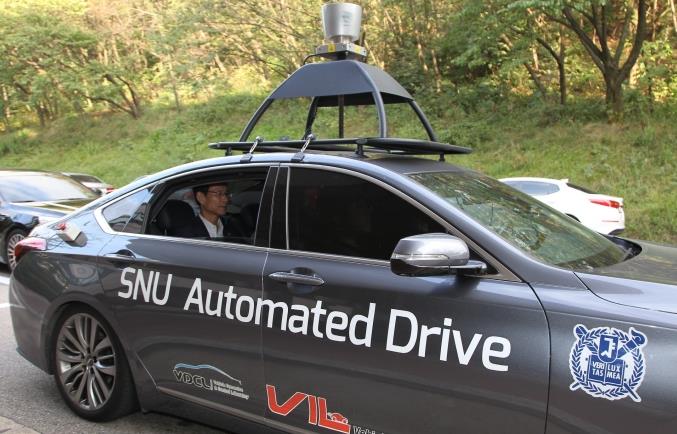
▲ Seoul National University autonomous vehicle
Research on autonomous vehicles is being conducted not only by traditional automakers such as Audi , Volvo , and Ford , but also by specialized internet /ICT companies like Google and Baidu , with the goal of commercialization by 2020. Audi successfully achieved autonomous driving on a highway section in early 2016 , and Google's self-driving car has achieved a driving record of over 5 million km on public roads .
This technology is expected to see improved environmental perception performance due to advancements in sensor technology and the utilization of various information provided by infrastructure via communication . Furthermore , it is anticipated that the development of artificial intelligence will enable driving intelligence that surpasses human capabilities .
However, autonomous driving is a socio - political issue intertwined with various fields such as society , economy , law , culture , and customs . If we want automobiles to drive in a rational manner, a social consensus on rational human behavior must be reached .
< The 7 Major Technologies Leading the Future. The rest will continue next week . >
관련뉴스
Artificial Intelligence, 5G, Autonomous Driving, VR/MR, and Intel's Vision for the Future After 2017
In 2016, Intel collaborated with policymakers, industry leaders, and industry pioneers to focus on four key areas leading to new opportunities for the industry and consumers: artificial intelligence, 5G networks, autonomous driving, and virtual and augmented reality, which will accelerate innovation and support rapid transformation.
2016.12.26by 홍보라 기자
[Promising Future Technology ①] Urgent Need to Secure IoT and Industrial Convergence Technology
The Korean IoT market is projected to grow from 3.8 trillion won in 2015 to 13.7 trillion won in 2020. The global IoT market is expected to grow at an average annual rate of approximately 26%, exceeding 1 trillion dollars by 2020. In the early stages of the IoT market, devices accounted for a high proportion; however, by 2022, it is projected that 50-60% of global and Korean market revenues will be generated in the platform and service sectors.
2017.01.02by 신윤오 기자
Samsung Electronics CEO Yoon Boo-keun, Leading Future Appliance and Home Changes Through Enhanced IoT Connectivity
"Now we will implement the infinite possibilities that IoT connectivity brings into consumers' daily lives and lead the transformation of future appliances and future homes." Samsung Electronics President and CEO Yoon Boo-keun held a press conference in Las Vegas, USA on the 4th (local time) ahead of the CES 2017 opening. At this event, CEO Yoon stated, "Last year, Samsung Electronics boldly reorganized its business structure centered on the market and consumers to create a revenue structure focused on premium products and made active investments in promising technologies and companies to strengthen core competencies," adding, "We will maintain industry leadership by building a structure that enables sustained growth regardless of any changes."
2017.01.05by 김수지 기자
인텔, 올 하반기에 40여대의 자율주행차 실도로에서 시험주행
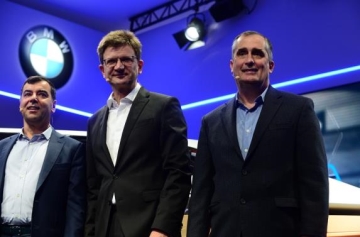
인텔, BMW, 모빌아이는 2017년 하반기까지 40여대의 자율주행차가 실제 도로에 나타날 것을 발표함으로써 완전한 자율주행을 위해 3사가 이루어 낸 성과를 공개했다. CES의 공동 기자회견에서 진행된 연단 토론을 공개하면서 3사는 미국과 유럽을 시작으로 글로벌 시범 기간을 통해 BMW7 시리즈에 포함된 인텔과 모빌아이의 최첨단 기술을 추가적으로 설명했다.
2017.01.06by 김수지 기자
The Problem with AI is Not Performance, but Trust
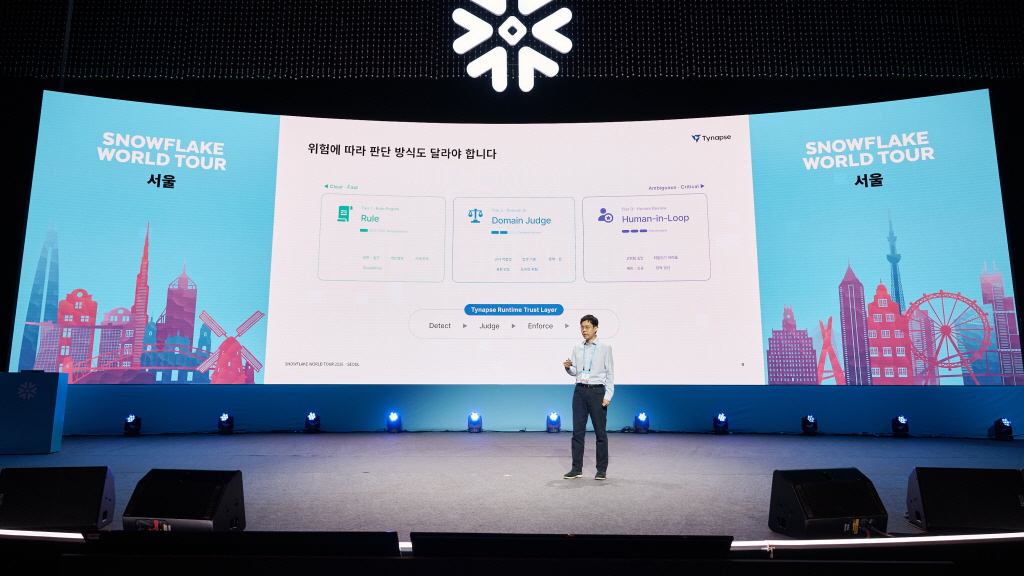
CEO Kang Min-seung emphasized at Snowflake's World Tour Seoul that generative AI has entered a phase where "trust" rather than accuracy becomes the key competitive advantage. As AI is applied to various tasks including consultation, risk management, and operational automation, incorrect data, erroneous responses, and bias are creating actual business risks. He pointed out that enterprises must build a trust layer above AI. To achieve this, accurate data management, semantic structuring, governance, and prompt security are essential. He explained that AI is not merely an automation tool but a technology that reorganizes the entire organization's workflows and decision-making systems. Snowflake provides a platform that supports this trust-based AI operation, emphasizing that enterprises should build "trustworthy AI" rather than "intelligent AI."
2026.08.28by 배종인 기자











