


Ansys and Volkswagen collaborate on technology to set a new all-electric sports car record.
 Published2018.06.26 07:13
Aerodynamic calculations and battery performance optimization through simulation solutions
ANSYS announced that Volkswagen's first all-electric racing car, the ID R Pikes Peak, developed under its technical collaboration, successfully broke not only the electric vehicle category record but also the overall world record at the Pikes Peak International Hill Climb held on the 24th.
The ID R Pikes Peak was completed in 7 minutes 57.148 seconds, almost 16 seconds faster than the previous best time of 8 minutes 13.878 seconds set by the Peugeot 208 T16 in 2013. The official record will be announced on Monday the 25th (local time).
The ID R Pikes Peak, which attempted to break the record at the 96th Pikes Peak International Hill Climb, boasts a powerful 680 horsepower. The race was led by racer Romain Dumas.
With the goal of breaking the record, Volkswagen leveraged ANSYS' Pervasive Engineering Simulation solution to develop a digital prototype of its battery system and optimize its electric propulsion system.
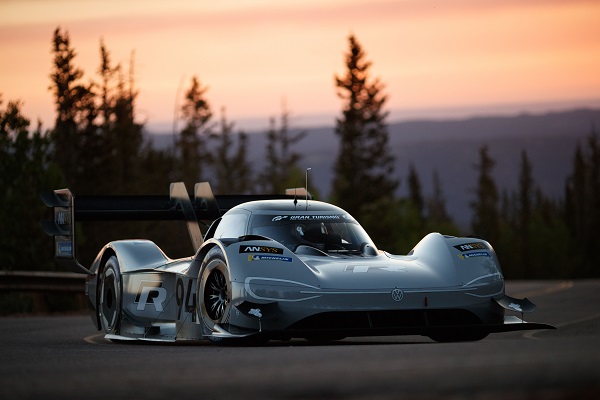
▲ Volkswagen's ID R Pikes Peak
Especially ID A key element in the development of the R Pikes Peak was aerodynamic analysis and technology to cope with the extreme conditions encountered at the Pikes Peak International Hill Climb, the event itself.
The track is 19.99 kilometers long, features 156 turns, and starts at 2,862 meters above sea level, with the finish line at 4,302 meters. This high altitude reduces air density by approximately 35 percent, creating aerodynamic conditions different from those of a flat race track.
In addition to real-time data analysis and immediate results, ANSYS solutions were used to simulate driving conditions, such as air density, that cannot be reproduced in ordinary wind tunnels.
Leveraging ANSYS solutions, Volkswagen was able to calculate the ideal balance of cooling airflow and aerodynamic losses and determine the optimal battery cooling strategy to ensure the vehicle achieves peak performance.
“Perfect energy management was crucial for breaking the race record at Pikes Peak,” said François-Xavier Demaison, Technical Director at Volkswagen Cars and head of the ID R Pikes Peak project. “The drive at Pikes Peak was a success and once again confirmed the accuracy and importance of simulation.”
“ANSYS’ multiphysics solutions and pervasive engineering simulation are driving advancements in electrification and next-generation vehicles,” said Shane Emswiler, vice president and general manager at ANSYS. “As Volkswagen is working on the Pikes Peak project, we will continue to support our customers with the best solutions as they tackle new challenges.”

관련뉴스
To increase electric vehicle charging speed using silicon carbide (SiC)
?전세계적으로 환경 문제로 인해 연달아 전기차 출시가 되고 있다. 전기차의 문제점인 주행거리 역시 늘고 있다. 이에 따라 내연 엔진(ICE) 차량에 대한 경쟁력을 갖출 수 있게 되었다. 전기차 성공에 대한 중요한 척도는 소비자들의 수용능력이다. 소비자들은 리튬이온 배터리의 가격이 낮아지고 국가별로 규제 지원을 받을 수 있는 것으로 감안할 때, 전기차 가격 보다는 충전 속도는 높이고 충전 시간은 단축하는 문제에 대해 큰 관심을 가지고 있다.
2018.04.17by 김지혜 기자
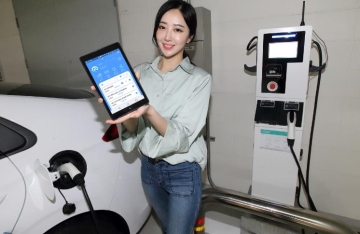
EV charging rates are now the same regardless of season or time.
KT, a domestic electric vehicle public charging service operator, announced that it will change its EV charging rates from a seasonal and time-based differentiated pricing model to a single unified rate effective May 1st. Until now, KT had applied differentiated EV charging rates ranging from a minimum of 130 won/kWh (summer off-peak hours) to a maximum of 337 won/kWh (summer peak hours), with an average rate of 190 won/kWh. The company has now unified the rate to 170 won/kWh regardless of season or time of day, making it easier for EV users to understand and more convenient to use.
2018.04.24by 김지혜 기자
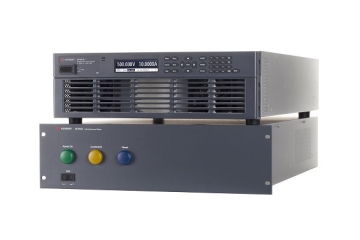
Keysight Launches E-Mobility Test and Measurement Solutions
새로운 솔루션, 하이브리드, 전기차 및 관련 에너지 저장 장치에 사용되는 셀과 배터리 기술, 전동 파워트레인 컴퍼넌트 및 서브 시스템의 발전 가능성을 높여
2018.06.14by 명세환 기자
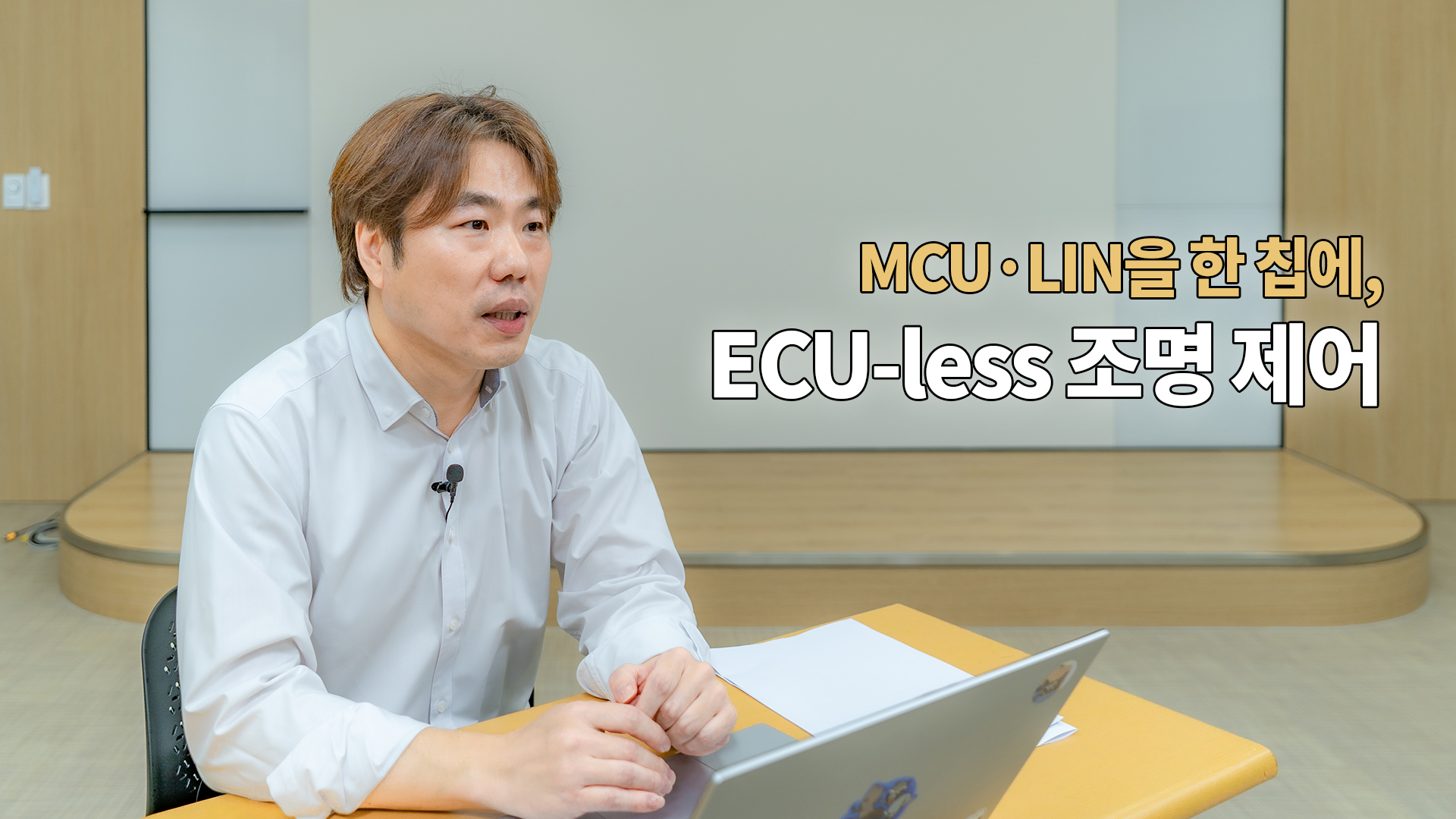
A single misaligned light means 'defect'… Vehicle interior lighting now guarded by semiconductors and software
자동차 실내조명이 '보조 조명'의 자리를 벗어나고 있다. 색상과 애니메이션으로 브랜드 아이덴티티를 드러내고 운전자 취향을 담아내는 사용자 경험(UX)의 핵심 요소로 올라서면서, LED 실내 앰비언트 시장도 빠르게 커지는 중이다. 이에 관하여 '미래 자동차를 밝히는 지능형 LED 실내 조명 솔루션' 이라는 내용으로 기술 웨비나 세션을 발표하는 최영재 다보코퍼레이션 연구위원을 앞서 만나, 시장의 온도와 설계 요구의 변화를 들었다.
2026.08.28by 명세환 기자
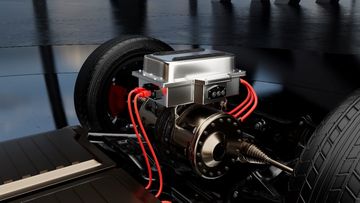
TI, HEV·EV 트랙션 인버터용 다축 코어리스 전류 센서 TMCS2100-Q1 공개
Texas Instruments가 HEV·EV 트랙션 인버터용 다축 코어리스 홀 효과 전류 센서 TMCS2100-Q1을 공개했다. 수평·수직 자기장을 동시에 측정하는 다축 센싱 기술로 기존 단일 축 센서 대비 최대 20배 높은 정확도를 달성하며, 버스바 무개조 설계로 기계 설계 유연성을 확보했다. 800V 아키텍처 확산에 따른 고정확도 요구 충족과 소형화를 동시에 구현한다.
2026.08.27by 배종인 기자











