


Pet Gelsinger: "UCIe is just around the corner."
 Published2022.09.28 14:30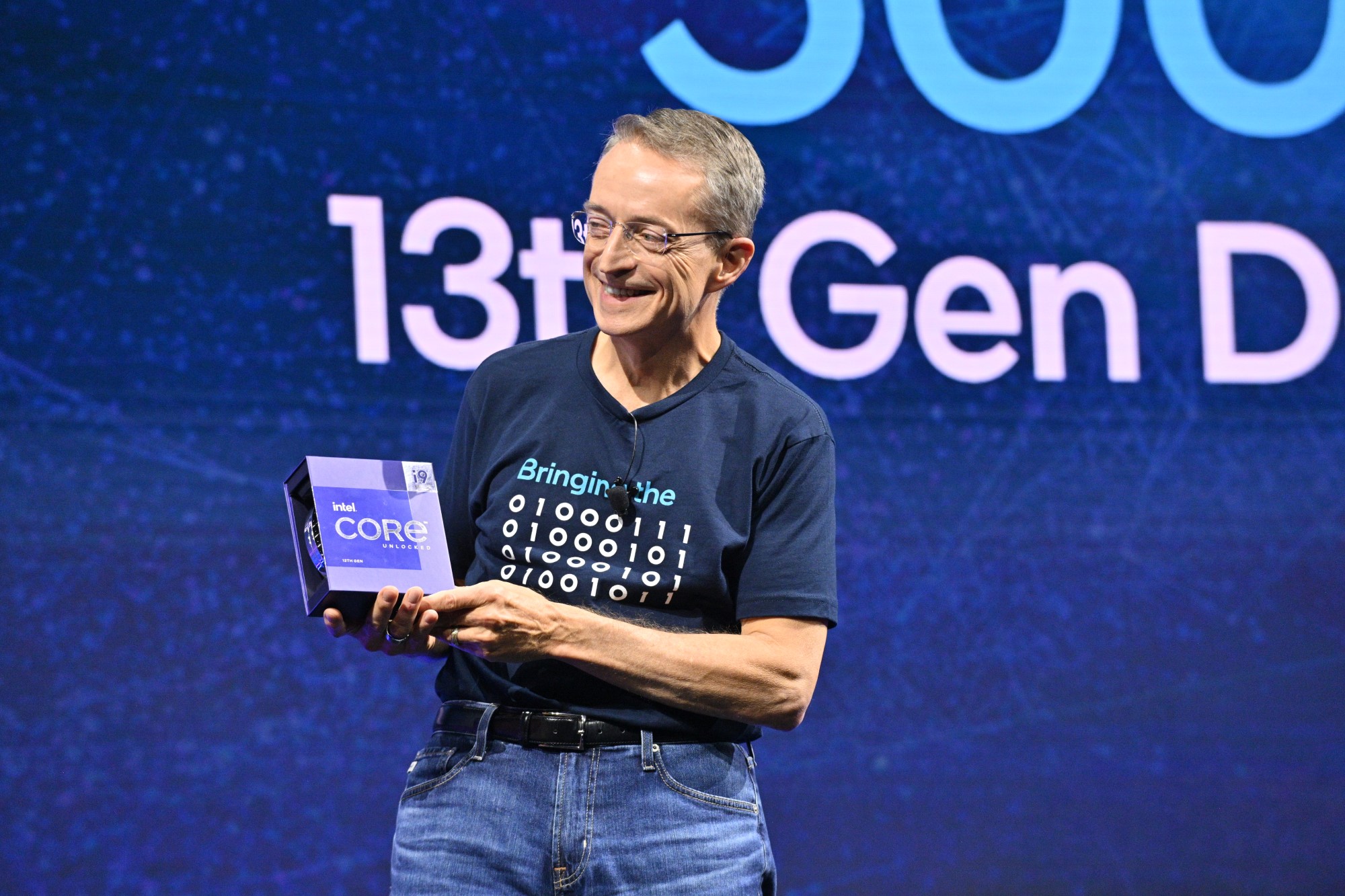
Pat Gelsinger introducing the 13th generation Intel Core processor (Photo: Intel)
13th Generation Processor: Arc A770 Unveiled
As heterogeneous semiconductors emerge as a next-generation technology, the adoption of chiplet architectures is increasing. Accordingly, the establishment of a semiconductor packaging standard called "UCIe (Universal Chiplet Interconnect Express)" to reduce costs and shorten development times is approaching.
At Intel Innovation, Intel's annual developer event held on the 27th (local time in the US), Intel unveiled its latest innovations toward an ecosystem based on openness, choice, and trust for hardware and software developers.
The event featured presentations on everything from open standards for enabling systems of chips at the semiconductor level to efficient and portable multi-architecture artificial intelligence.
System Foundry: A New Era in Semiconductor Manufacturing
Samsung and TSMC executives joined CEO Pat Gelsinger's keynote address to support the Universal Chiplet Interconnect Express (UCIe) consortium. With the three largest semiconductor companies and more than 80 leading semiconductor companies joining the UCIe consortium, Gelsinger said, “UCIe is now becoming a reality.”
The UCIe Consortium aims to foster an open ecosystem where semiconductor manufacturers can design and manufacture chiplets using different processes and advanced packaging technologies.
To lead the platform transition, CEO Gelsinger stated, “Intel and Intel Foundry Services will open the era of system foundry based on wafer manufacturing, packaging, software, and an open chiplet ecosystem.”
Building the future requires not only software, tools, and products, but also investment. Earlier this year, Intel established the $1 billion IFS Innovation Fund to support startups and companies developing innovative technologies for the foundry ecosystem.
On this day, Intel released the first list of companies to receive support from the IFS Innovation Fund. △Astera, a data and memory connectivity solution company that aims to eliminate performance bottlenecks across data centers △Movellus, which has a unique platform that solves clock distribution issues, improving SoC performance and power consumption and has a timing closure simplification solution △SiFive, which develops high-performance cores based on the open source-based RISC-V architecture, was selected and announced.
“Over the next decade, we will see continued digitalization across all fronts, and five foundational technologies – computing, connectivity, infrastructure, AI, and sensing – will significantly shape how we experience the world,” said Intel CEO Pat Gelsinger. “Software and hardware developers will create this future, and fostering an open ecosystem is key to Intel’s innovation, and the developer community is essential to Intel’s success.”
Meanwhile, Intel plans to make various announcements at this year's Intel Innovation event. Intel CTO Greg Lavender will present how ubiquitous computing is creating endless opportunities for innovation at the speed of software and Intel's efforts to help developers unleash their potential.
Intel Unveils Expanded Technology Portfolio
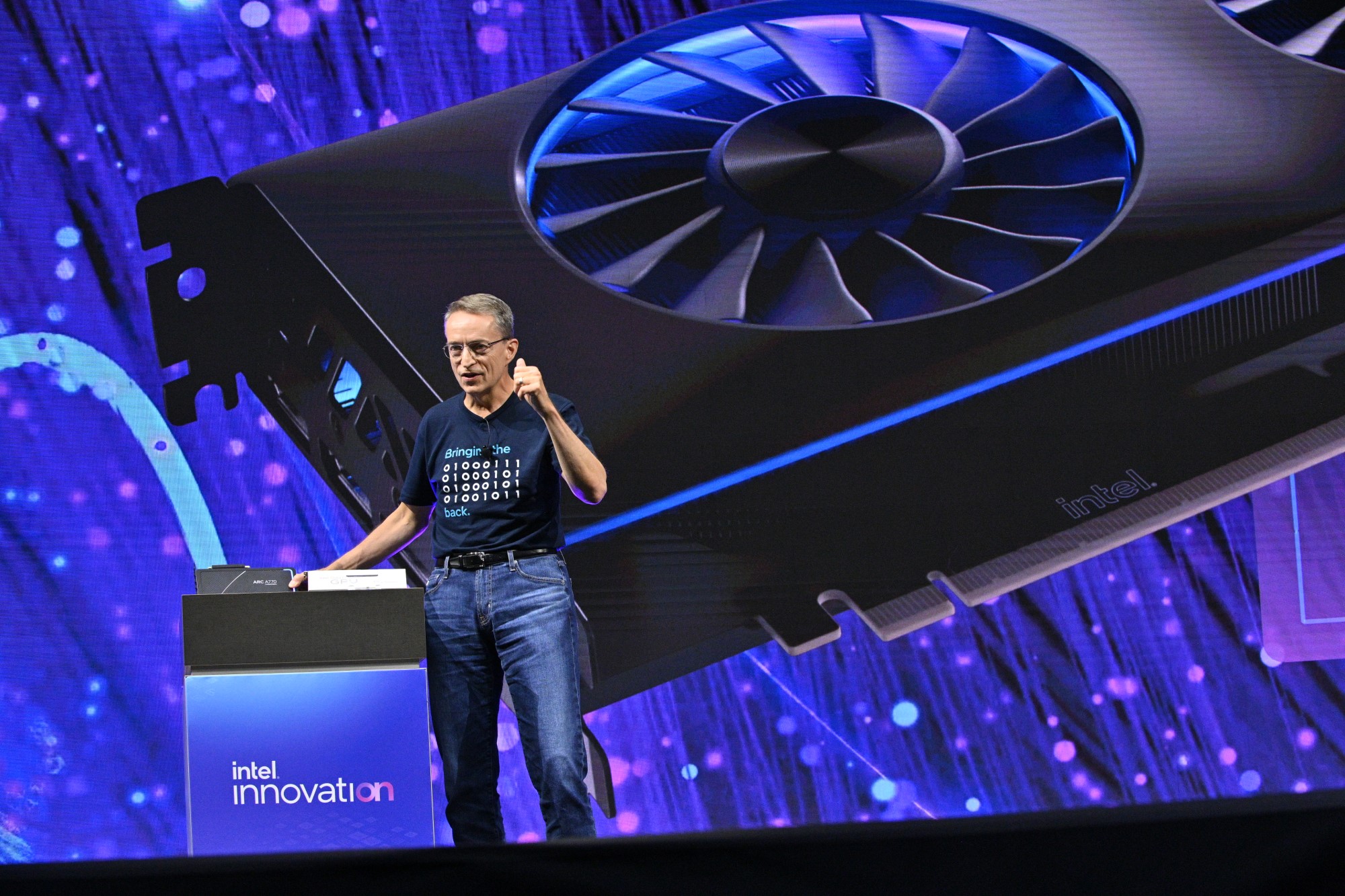
▲ Intel CEO Pat Gelsinger introducing the Arc A770 at Intel Innovation (Photo: Intel)
In his opening keynote, Pat Gelsinger explored the challenges developers face, including vendor lock-in, access to cutting-edge hardware, productivity and time-to-market, and security, and presented a range of solutions to overcome them.
Starting with limited beta trials of new technologies available with a single click in the Intel Developer Cloud, the Intel Developer Cloud has expanded to enable developers and partners to quickly and efficiently access the latest Intel technologies months to up to a year before launch.
During the beta period, selected customers and developers will be able to experience and test the following: 4th Generation Intel Xeon Scalable Processor (Sapphire Rapids), 4th Generation Intel Xeon Processor with High-Bandwidth Memory (HBM), Intel Xeon D Processor, Habana Gaudi 2 Deep Learning Accelerator, and Intel Data Center GPU (codenamed Ponte Vecchio).
Additionally, the newly launched Intel Geti computer vision platform enables diverse workforces within the company, from data scientists to domain experts, to quickly and easily develop AI models. Intel Getty reduces the time, AI expertise, and costs required for model development through a single interface for data upload, annotation, model training, and retraining. Built-in optimizations for OpenVINO enable development teams to deploy high-quality computer vision AI within their enterprises, driving innovation, automation, and productivity.
Gelsinger CEO introduced the 13th generation Intel Core desktop processors, including the Intel Core i9-13900K, Intel server and gaming GPUs (Arc A770), and high-definition AI boost for gaming.
The 13th Gen Intel Core desktop processors deliver up to 15% faster single-threaded performance and up to 41% faster multi-threaded performance compared to the previous generation, enabling more efficient gaming, content creation, and productivity. The Arc A770 GPU, which delivers 1440p gaming performance, is scheduled to be released on October 12th.

Comments
Related news

Intel and Broadcom Announce the Imminent Era of Wi-Fi 7, Presenting Industry's First Inter-Company Demo
The WiFi 7 era is approaching. As ultra-high-speed, low-latency, and high-capacity data transmission emerge as core technologies, WiFi 7, a next-generation wireless communication technology that rivals wired data transmission performance, has successfully completed the industry's first inter-company demonstration, with commercialization of the technology imminent.
2022.09.13by 명세환 기자
.jpg)
Intel Accelerates AI Software Development by Participating in Inter-enterprise Hardware Specification Integration
Computing requirements for artificial intelligence are increasing exponentially. Achieving the computing throughput necessary to advance AI requires new innovations across both hardware and software.
2022.09.16by 명세환 기자
Sun Moon University Hosts 'Autonomous Vehicle Semiconductor Workshop'... Intel, Nvidia, and Others Participate
An opportunity will be provided to shed light on future vehicle technology through multifaceted exploration of industry trends in autonomous driving technology, key technologies for the future, and autonomous driving development environments.
2022.09.27by 성유창 기자
Intel Unveils Next-Generation 'Core Ultra Series 3' and vPro Platform for Enterprise PCs
Intel has officially unveiled the "Intel Core Ultra Series 3" for next-generation enterprise PCs and the latest vPro platform, addressing a wide range of demands from enterprise notebooks to high-performance workstations.
2026.03.26by 배종인 기자
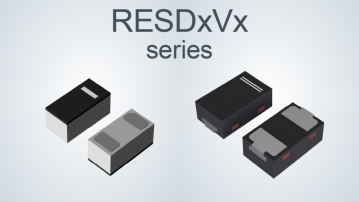
ROHM Launches ESD Protection Diode Compatible with High-Speed Interfaces of 10Gbps or Higher
Semiconductor specialist ROHM has developed the 'RESDxVx series' of ESD (electrostatic discharge) protection diodes capable of responding to next-generation high-speed data communication environments exceeding 10Gbps, simultaneously enhancing both signal quality maintenance required in high-speed interfaces and IC protection performance.
2026.03.26by 배종인 기자











