



[Technical Contribution] Mouser: "RF Communication Performance Determined by Signal Chain Components and Interconnect Quality"
 Published2026.08.19 14:17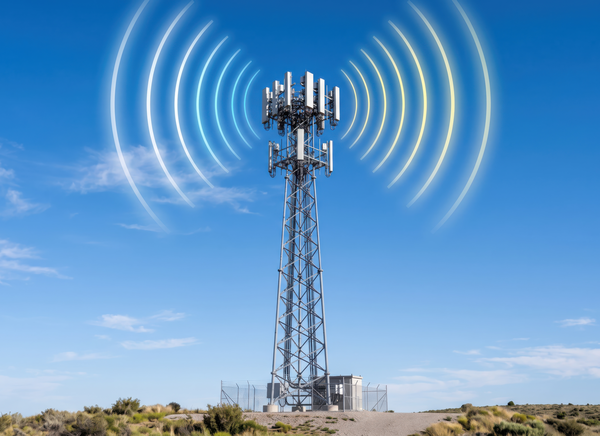
고주파 환경서 인터커넥트 반사·손실·노이즈 영향 미쳐
신호품질, 증폭기·필터·혼합기·커넥터 등 부품성능 좌우
거의 모든 현대 기기(스마트폰과 Wi-Fi® 라우터부터 항공기 항법 시스템과 심우주 망원경에 이르기까지)는 하나의 기술에 의존한다. 바로 무선 주파수(RF)다.
눈에 보이지는 않지만, RF 에너지는 통신과 항법과 같은 일상적인 활동을 지원한다. RF 시스템은 정보를 인코딩하고, 전달하고, 디코딩하기 위해 함께 작동하는 부품, 회로 및 물리적 원리를 기반으로 구축된다.
이 글에서는 RF 신호가 정보를 어떻게 전송하는지, 그리고 부품과 인터커넥트가 시스템 성능을 어떻게 결정하는지를 살펴본다.
■ 정보를 전자기파의 움직임으로 변환하기
본질적으로 RF 통신은 정보를 전자기파에 실어 공간을 가로질러 전송하거나 유도 구조를 따라 전달하는 기술이다. 이러한 파동은 수 킬로헤르츠에서 수백 기가헤르츠에 이르는 매우 넓은 범위에 걸쳐 존재하지만, 모두 동일한 기본 원리를 따른다.
정보를 전송하기 위해 RF 시스템은 오디오, 데이터 또는 다른 저주파 소스인 베이스밴드 신호에서 시작한다. 그런 다음 이 베이스밴드 신호는 변조된다. 즉, 그 특성을 이용해 더 높은 주파수의 RF 반송파의 진폭, 주파수 또는 위상을 제어한다. 변조를 통해 신호는 장거리 전송이나 광범위한 영역을 커버하는 데 적합한 주파수에 실려 전달될 수 있다.
수십 년 동안 통신 엔지니어들은 믹서와 로컬 오실레이터를 사용해 신호를 하나 이상의 중간 주파수(IF) 단계로 변환하는 슈퍼헤테로다인 아키텍처를 사용해 왔다. 이 방식은 정밀한 필터링과 고성능 수신기 구현을 가능하게 했다.
그러나 오늘날에는 고속 아날로그-디지털 컨버터(ADC)와 디지털-아날로그 컨버터(DAC)를 통해 많은 시스템이 RF 신호를 직접 생성하고 샘플링할 수 있게 되면서 일부 아날로그 단계를 완전히 생략할 수 있게 됐다.
이러한 완전 디지털 또는 거의 완전한 디지털 방식은 특정 아키텍처를 단순화하는 동시에 회로 품질, 노이즈 성능, 타이밍 정확도에 대한 요구 수준을 높이고 있다.
아키텍처와 관계없이 모든 RF 링크는 신호 충실도에 의존한다. 수신기는 노이즈, 다중 경로 반사, 간섭, 부품의 불완전성이 신호를 왜곡하려는 상황에서도 원래의 정보를 복원할 수 있어야 한다.
따라서 RF 통신은 필터링, 증폭, 차폐, 오류 정정 기술에 크게 의존한다. 이러한 의존성 때문에 신호를 뒷받침하는 하드웨어가 매우 중요하다.
■ RF 신호 체인 살펴보기
RF 통신의 성공 여부는 신호 경로를 따라 신호를 처리하는 부품에 달려 있다. 이러한 부품들을 통틀어 RF 신호 체인이라고 하며, 증폭, 필터링, 믹싱, 분배, 주파수 생성 및 변환과 같은 기능을 수행한다.
○ 능동 부품

능동 소자는 외부 전원을 필요로 하며, 종종 신호를 변화시키는 기능을 수행한다. 대표적인 예로는 증폭기, 발진기, 믹서, 변조기, 주파수 합성기 등이 있다. 이러한 부품들은 RF 신호의 세기, 안정성 및 스펙트럼 순도를 결정한다.
○ 수동 부품
필터, 커플러, 전력 분배기, 전력 결합기, 발룬, 위상 시프터, 도파관 및 커넥터는 통과하는 에너지를 이용해 신호를 조작한다. 수동 부품이지만 이러한 구성요소는 매우 중요하다. 설계가 잘못된 필터나 손실이 큰 전송선은 신호가 증폭기에 도달하기도 전에 통신 시스템의 성능을 무너뜨릴 수 있다.
○ 부품 품질 고려사항
모든 RF 부품은 어느 정도의 노이즈, 손실, 비선형성 또는 임피던스 불일치를 발생시킨다. 수신기 프런트엔드에 배치된 저잡음 증폭기(LNA)는 성능을 크게 향상시킬 수 있다. 그러나 초기에 유입된 노이즈나 간섭은 원하는 신호와 함께 증폭된다. 반대로 신호 체인의 후단에서 유입되는 간섭은 훨씬 적은 영향을 미칠 수 있다. 이러한 특성은 설계 결정이 전체 출력 성능에 얼마나 중요한지를 보여준다.
■ RF 인터커넥트에 초점 맞추기
전송선, 커넥터, 도파관 및 인쇄회로기판(PCB) 트레이스는 회로 블록 사이에서 신호를 전달하며, 이들의 특성은 시스템 성능에 상당한 영향을 미칠 수 있다.
고주파에서 인터커넥트는 단순한 전선이 아니다. 인터커넥트는 자체적인 임피던스, 손실 특성, 분산 특성 및 노이즈 민감도를 갖는 분포형 전자기 구조다. 커넥터의 임피던스 불일치는 반사를 발생시킬 수 있다. 임피던스 제어가 제대로 되지 않은 PCB 트레이스는 방사를 일으키거나 인접 부품에 결합될 수 있으며, 고주파 파형을 왜곡할 수도 있다. 심지어 트레이스 길이, 접지면과의 거리, 디지털 클록 라인을 가로지르는지 여부와 같은 배선 형상도 신호에 영향을 줄 수 있다.
인터커넥트는 또한 간섭이 유입될 수 있는 지점으로 작용한다. 믹서 입력에 원치 않는 에너지가 유입되면 상호변조 왜곡이 발생할 수 있으며, 이로 인해 원래 신호에는 존재하지 않았던 새로운 주파수가 생성된다. 인접한 채널이 많은 복잡한 RF 환경에서는 이러한 왜곡으로 인해 수신기의 감도가 완전히 저하될 수 있다.
이러한 요인들 때문에 RF 엔지니어는 커넥터, 케이블, PCB 소재, 증폭기 및 발진기를 선택할 때 세심한 주의를 기울여야 한다.
■ RF 통신과 RF 하드웨어의 정렬
무선 시스템이 더 높은 주파수, 더 넓은 대역폭, 더 조밀하게 배치된 스펙트럼으로 확장됨에 따라 RF 통신과 RF 하드웨어 모두 더욱 어려워지고 있다. 더 깨끗한 신호, 더 낮은 노이즈, 더 우수한 절연에 대한 요구가 커지고 있으며, 특히 디지털 전자장치와 소프트웨어 정의 라디오 아키텍처가 아날로그 프런트엔드에 더 큰 부담을 주면서 이러한 요구는 더욱 증가하고 있다.
RF 통신 기술만으로는 열악한 하드웨어 성능을 극복할 수 없다. 마찬가지로 모든 신호 체인은 통신 프로토콜이 정한 변조 방식, 주파수 할당 및 시스템 제약조건을 따라야 한다. 이 두 영역은 서로 분리될 수 없으며, 한 영역의 발전은 필연적으로 다른 영역의 개선을 요구한다.
■ 결론
RF 통신은 일상적인 무선 연결부터 첨단 센싱 기술에 이르기까지 모든 것을 구동한다. 선명한 모든 신호 뒤에는 정보가 얼마나 잘 전송되는지를 결정하는 복잡한 회로, 부품 및 인터커넥트 네트워크가 존재한다. 기본적인 통신부터 첨단 센싱에 이르기까지 RF 시스템은 물리학, 정교한 회로 설계 및 고도화된 디지털 처리를 결합해 전자기 신호를 감지하고 해석한다. 이러한 요소들이 어떻게 작동하고 서로 상호작용하는지를 이해하면 세상을 연결하는 보이지 않는 시스템을 보다 쉽게 이해할 수 있다.
Comments
Related news

Mouser Wins Molex Asia Pacific Distribution Award for 8 Consecutive Years
Mouser Electronics has received the Asia-Pacific Distributor of the Year award from Molex for eight consecutive years. The recognition was granted for achievements in 2025 including increased customer base, inventory optimization, and consistent service delivery. Mouser currently supplies over 180,000 Molex products, with more than 35,000 of these available for same-day shipment.
2026.07.08by 명세환 기자

Mouser Publishes E-book on AI Embedded Design Using Arduino Uno Q
Mouser Electronics has published an e-book on AI embedded design based on the Arduino UNO Q platform in collaboration with Arduino. Through a dual-brain architecture equipped with a Linux-supported microprocessor and a real-time MCU, developers can simultaneously implement sensor control, AI inference, and computer vision. The e-book covers in detail the process of transitioning from PoC to intelligent edge products and methods for resolving development bottlenecks.
2026.07.13by 명세환 기자
.jpg)
Mouser to Supply Over 5,000 Additional New Products in Q2
Mouser Electronics will supply over 5,000 new products during the second quarter of 2026, including Renesas MCUs, Microchip evaluation kits, DFRobot sensors, and Phoenix Contact connectors. The Renesas RX14T is an MCU for motor control applications, the DFRobot SEN0691 is a sensor that detects minute movements using 24GHz mmWave technology, and the Phoenix Contact connector is an integrated interface solution for energy storage systems.
2026.07.24by 명세환 기자

Mouser Unveils Online Resource Center for Transportation Technology
Mouser Electronics has opened a transportation technology online resource center that supports next-generation mobility development including urban air mobility (UAM), hydrogen fuel cells, and autonomous driving. It provides design phase-specific technical information such as power management, functional safety, and AI-based decision-making, as well as MCU and connector products from major manufacturers including NXP and Microchip.
2026.07.28by 명세환 기자
Mouser Begins Supplying ADI TMC2241 Stepper Drivers
Mouser Electronics has begun supplying Analog Devices' TMC2241 smart stepper driver IC. Supporting up to 65V·3A, it enables low noise and high efficiency operation through integrated StealthChop2 chopper technology, and provides up to 75% energy savings with CoolStep functionality. It can be applied to diverse applications including industrial automation, security equipment, and pump and valve control.
2026.07.30by 명세환 기자











