



[Technical Article] DigiKey, "Industrial SBC Emerging as Core Technology Driving Modern Industrial Systems"
 Published2026.09.02 14:29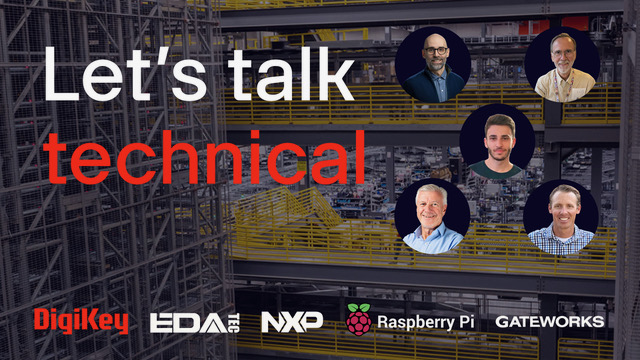
혹독한 환경에서 안정적 작동, 다양한 분야서 활용
DigiKey 프로세서부터 완제품까지 연결 허브 역활
생산 라인이 멈추는 것보다 더한 악몽은 없습니다. 모두의 시간과 돈을 낭비하게 되기 때문입니다. 예기치 않게 조업이 중단될 경우 제조업체는 평균적으로 시간당 26만 달러의 손실을 입습니다.
산업 자동화, 에지 컴퓨팅 및 AI 기반 애플리케이션이 지속적으로 확장됨에 따라, 이러한 손실 비용을 방지하기 위해 단일 기판 컴퓨터(SBC)의 신뢰성에 대한 요구가 점점 더 높아지고 있습니다. 산업용 SBC는 컴퓨터의 모든 필수 요소를 단일 기판에 담아 처리 능력과 연결성을 콤팩트한 크기로 구현하여 까다로운 산업 환경에 이상적입니다.
최근 진행된 화상 토론에서, Raspberry Pi, Gateworks, NXP Semiconductors 및 EDATEC의 전문가들과 함께 최신 임베디드 및 에지 컴퓨팅 시스템에서 산업용 SBC의 역할이 점점 더 중요해지고 있는 현상에 대해 자세히 알아보았습니다.
■ SBC의 부상
산업 자동화와 에지 컴퓨팅의 성장과 함께 SBC의 사용이 급증하고 있습니다. 산업용 SBC는 소프트 프로그래머블 로직 컨트롤러(PLC) 및 머신 비전을 포함한 다양한 애플리케이션을 위한 유연하고 확장 가능한 플랫폼을 제공합니다.
SBC의 활용 범위는 단순히 공장 안으로 제한되지 않습니다. 이러한 기술은 의료 기기, 석유 및 가스전 제어 장치, 전력망 모니터링, 철도 시스템 및 신뢰성이 필수적인 기타 응용 분야와 같은 임베디드 및 에지 컴퓨팅 시스템에도 자주 사용됩니다. 게다가 드론, 무인 항공기, 우주 및 차량 대 사물(V2X) 솔루션과 같은 더욱 미래지향적인 응용 분야에서도 이러한 기술을 볼 수 있습니다.
산업용 SBC의 가장 큰 장점 중 하나는 기존 전자 장치가 작동하기 어려운 환경에서도 작동할 수 있다는 점입니다. 내구성이 뛰어나기 때문에 온도, 습도 및 먼지가 전자 장치의 성능을 위협할 수 있는 열악한 산업 환경에 이상적인 옵션이 되고 있습니다. 이러한 조건을 견딜 수 있도록 신뢰성을 최우선으로 고려한 기능으로 설계되었습니다. 예를 들어, 부품 수가 적으면 부품 하나가 고장 나더라도 고장 발생 가능성이 낮습니다. SBC는 전력 변동에 더 잘 대처할 수 있으며 연속 작동을 위해 설계되었습니다.
에지 컴퓨팅이 성장함에 따라 애플리케이션이 실시간으로 정보를 처리하여 더 빠른 의사 결정과 효율성을 가능하게 하는 이러한 속성에 대한 수요도 증가하고 있습니다.
■ 실제 설계 과제 극복
SBC는 여러 장점을 제공하지만, 엔지니어가 직면할 수 있는 과제는 SBC를 프로토타입에서 실제 배포 시스템으로 전환하는 것입니다. 에지 AI와 같은 대규모 애플리케이션에 SBC를 도입할 때 메모리, 발열, 비용 등 다양한 제약 요소가 있을 수 있습니다.
시간에 민감한 작업 부하를 처리하려면 컴퓨팅이 데이터 수집 지점에 더 가까워야 합니다. 여기에는 품질 보증 및 예측 유지 보수를 위한 머신 비전이 포함되며, AI 기반 분석을 통해 단순한 원시 데이터가 아닌 실행 가능한 통찰력을 제공합니다. 이러한 요구 사항을 충족하기 위해, 엔지니어는 컴퓨팅 성능, 연결성 및 에너지 효율성의 균형을 맞추는 데 NXP에서 제공하는 것과 같은 프로세서가 필요합니다.
Raspberry Pi의 수석 영업 담당자인 Dave Lee는 “에지 워크로드가 점점 더 까다로워짐에 따라 메모리는 중요한 고려 사항이 되었습니다”라고 말했습니다.
“현재 시장에서는 메모리와 RAM이 전례 없는 수준으로 부족한 상황인데, 이는 주로 클라우드 제공업체들이 높은 수준의 메모리 대역폭을 사용하고 있기 때문입니다”
데이터가 CPU에서 보조 및 주변 장치로 이동하는 SBC의 경우, 고강도 에지 애플리케이션에서 메모리에 더욱 큰 부담이 가해질 수 있습니다. 이에 대응하여 Raspberry Pi는 DRAM과 저장 메모리에 대해 광범위한 다중 공급업체 전략을 펼치고 있습니다. 클램셸 방식이라고 불리는 한 가지 해결책은 기판에 DRAM을 하나가 아니라 두 개 배치하는 것입니다. 예를 들어, 구하기 어려운 4GB 메모리가 필요한 사람들을 위해 Raspberry Pi는 기판에 2GB 메모리 두 개를 장착할 수 있도록 해줍니다.
산업 환경에서 전력 공급의 안정성은 또 다른 중요한 문제입니다. 전력 공급이 중단되면 데이터 손상, 저장 장치 손상 및 값비싼 가동 중단으로 이어질 수 있습니다. EDATEC은 SBC가 견딜 수 있는 전자기 간섭의 양, 정전기 방전에 대한 내성, 그리고 시스템이 광절연 또는 정전 용량 절연을 사용하는지 여부까지 정확하게 고려한 사양 이상의 부품 선택을 통해 이러한 문제를 해결합니다. 예를 들어, 24V 입출력 단자에 80V 정격 부품을 사용하는데, 이는 요구되는 기준을 훨씬 뛰어넘는 수준으로 더 나은 신뢰성을 보장합니다. 또한, 슈퍼 커패시터 백업과 같은 전력 손실 방지 솔루션도 제공하여 운영자가 메모리나 장기 비휘발성 저장 장치를 손상시키지 않고 안전하게 시스템을 종료할 수 있도록 합니다.
환경적 지속가능성 또한 최우선 과제입니다. Gateworks는 장치가 전원 공급 장치에 연결되지 않거나 팬과 같은 열 관리 장치가 없는 극한의 산업 환경을 견딜 수 있도록 견고한 전원 공급 장치를 설계했습니다. 이러한 전원 공급 장치는 무거운 트랙터가 강한 진동을 일으키는 광산부터 위험하거나 극한 온도 환경에 있는 공장, 국방 분야, 심지어 우주에 이르기까지 모든 환경에서 원활하게 작동할 수 있습니다.
이러한 사례들은 산업용 컴퓨터에서 처리 능력에만 집중하는 것에서 벗어나 가장 열악한 환경에서도 일관되게 작동하는 능력을 성공의 기준으로 삼아야 한다는 업계 전반의 요구를 잘 보여줍니다.
■ 차세대 에지 컴퓨팅 구현
SBC는 산업 시스템의 미래를 대표하며, 그 결과 향후 몇 년 동안 이 산업의 경쟁이 훨씬 더 치열해질 것으로 예상됩니다. 경쟁이 심화되는 환경에서는 기술 생태계 전반에 걸친 협력이 더욱 중요해질 것입니다. 어떤 단일 공급업체도 에지 컴퓨팅의 모든 요구 사항을 충족할 수 없습니다. 오히려 성공 여부는 프로세서 제조업체, 기판 설계업체, 시스템 통합업체, 소프트웨어 개발자 및 유통 파트너가 협력하여 혁신을 가속화하는 데 달려 있습니다.
이러한 유형의 협업을 통해 이전보다 훨씬 빠르게 제품을 시장에 출시할 수 있게 됩니다. 이미 기존 방식을 주로 사용하던 사람들이 SBC로 전환하는 것을 고려하기 시작했습니다. SBC는 더 빠른 프로토타이핑 및 확장, 더 큰 유연성, 그리고 다양한 가격대를 제공하기 때문입니다. 검증된 하드웨어 솔루션을 활용하면 엔지니어는 개발 시간을 최대 6개월까지 단축하는 동시에 특정 애플리케이션에 맞게 솔루션을 맞춤 설정할 수 있는 자유를 유지할 수 있습니다.
DigiKey는 고객에게 필요한 기술, 공급업체 및 리소스를 연결함으로써 이러한 협력 생태계에서 핵심적인 역할을 수행합니다. 엔지니어가 NXP의 프로세서를 평가하든, Raspberry Pi로 프로토타입을 제작하든, Gateworks 및 EDATEC의 산업용 솔루션을 배포하든, DigiKey는 프로젝트를 진행하는 데 필요한 구성 요소와 완제품 시스템 모두에 대한 접근성을 제공합니다.
산업용 SBC는 자동화, 에지 컴퓨팅 및 AI의 미래에 중요한 역할을 할 것으로 예상됩니다. 신뢰성, 성능 및 유연성 측면에서 상당한 이점을 지닌 이러한 기술들은 앞으로도 다양한 응용 분야에 널리 통합될 것으로 예상됩니다. DigiKey는 SBC 제조업체의 전체 생태계를 통합함으로써 엔지니어가 현대 산업 시스템 설계의 복잡성을 헤쳐나가면서 시제품 제작에서 생산으로 나아갈 수 있도록 지원합니다.
DigiKey에서 제공하는 모든 리소스를 살펴보시려면 DigiKey.com을 방문하세요.
※ 기고자

Comments
Related news
Digi-Key celebrates its 50th anniversary by distributing electronic components to over 180 countries.
Digi-Key Electronics, which provides the world's largest-scale electronic component distribution and rapid shipping services, has contributed to the global electronics industry by distributing electronic components to over 180 countries for more than 50 years.
2023.04.06by 배종인 기자
DigiKey Announces Artificial Intelligence Exploration Video Series
DigiKey, the world's leading commercial distributor with the largest range of technical components and automation products available for immediate shipment, has launched "AI in a Smart World," Season 4 of the City Digital video series, under the sponsorship of Molex and STMicroelectronics.
2024.06.28by 배종인 기자
Kobo Signs Global Distribution Agreement with Digi-Key
Qorvo, a global leader in connectivity and power solutions, has entered into a worldwide distribution agreement with DigiKey, which enables immediate shipment of a diverse range of technology components and automation products.
2025.02.26by 배종인 기자
Digi-Key Adds 10,000 New Products and 104 Suppliers in Q1
DigiKey, a global distributor of electronic components and automation products, is accelerating industry growth by adding 98,320 new products (NPI) and 104 new suppliers during the first quarter of 2025, providing engineers with the components and solutions they demand.
2025.04.29by 명세환 기자
Leading AI, semiconductor, and SDV technologies at a glance... '2025 e4ds Tech Day' to be held at the ST Center on September 9th.
e4ds news will hold the '2025 e4ds Tech Day' on Tuesday, September 9th at the ST Center in Gangnam-gu, Seoul (B1F, Building 1, Korea Science and Technology Center, 22 Teheran-ro 7-gil, Gangnam-gu, Seoul (Yeoksam-dong 635-4)). This conference, under the theme of 'Power Efficiency Centered on Semiconductors, and the Future and Changes in AI and Automotive Technology,' will examine next-generation technology trends ranging from semiconductor technology innovation, on-device AI, autonomous driving, and software-defined vehicles (SDV). The event is sponsored by Texas Instruments (TI), STMicroelectronics, MDS Tech, QNX, Tektronix, Mouser Electronics, Digi-Key, Analog Devices (ADI), NI, Vector Korea, Eti-Pos, Infineon, and Asung Korea.
2025.07.25by 명세환 기자











