


[Semiconductor Test Solution Case Study] Electronics and Telecommunications Research Institute (ETRI), Building a High-Frequency Evaluation Platform Supporting Foundry-Grade Quality
 Published2026.09.11 07:13
고도로 재현 가능한 온웨이퍼 측정을 통한 GaN MMIC 설계 검증 향상
[편집자주]한국전자통신연구원(ETRI)은 안리쓰 벡터 네트워크 애널라이저(VNA)를 활용하여 GaN MMIC용 평가 플랫폼을 구축했다. 이 플랫폼은 밀리미터파 및 서브테라헤르츠(sub-THz) 대역에 걸쳐 높은 재현성을 갖는 측정을 지원함으로써 일관된 설계 검증을 가능하게 한다.

■ 개요
한국전자통신연구원(ETRI)은 정보통신기술(ICT), 전자, 반도체 분야를 선도하는 국내 대표 연구기관이다. ETRI는 밀리미터파 및 서브테라헤르츠(sub-THz) 응용을 위한 화합물 반도체 기술과 차세대 통신 기술에 대한 연구를 수행하고 있다.
GaN MMIC 기반 고주파 소자 개발에는 동작 주파수 대역을 넘어서는 광대역 특성 평가가 요구된다. 설계 정확도와 성능 예측력을 높이기 위해서는 고조파 주파수 대역에 대한 평가도 중요하다. 이를 위해 온웨이퍼 측정이 널리 활용되고 있다. 그러나 밀리미터파 및 서브테라헤르츠 대역에서는 측정 결과가 프로브 접촉 조건 및 측정 시스템의 영향에 매우 민감하게 반응하여 측정 재현성과 데이터 일관성을 유지하기가 어렵다. 동작 주파수가 계속 높아짐에 따라, 시뮬레이션 결과와 측정 데이터 간의 정확한 상관관계를 확보할 수 있는 평가 플랫폼의 중요성이 점점 커지고 있다.
이러한 과제를 해결하기 위해 ETRI는 최대 220GHz까지 단일 스윕(single-sweep) 측정을 지원하는 안리쓰 VectorStar™ ME7838G 광대역 벡터 네트워크 애널라이저를 도입했다. ETRI는 단일 측정 플랫폼을 활용하여 일관된 시험 조건 하에서 밀리미터파부터 서브테라헤르츠 대역까지 소자를 특성 평가할 수 있는 온웨이퍼 평가 플랫폼을 구축했다.
본 아티클에서는 고주파 소자 개발 과정에서의 온웨이퍼 측정의 과제와 ETRI가 구축한 평가 플랫폼, 그리고 이 플랫폼이 GaN MMIC 설계 검증에 기여하는 바를 소개한다.
■ 고주파 온웨이퍼 특성 평가의 과제
소자의 동작 주파수가 밀리미터파 및 서브테라헤르츠 대역으로 확장됨에 따라 일관된 측정 결과를 확보하는 것이 점점 더 어려워지고 있다.
온웨이퍼 측정에서는 프로브 접촉이나 정렬의 미세한 차이, 임피던스 불연속, 기생 효과 등이 S-파라미터 결과에 직접적인 영향을 미칠 수 있다. 이로 인해 동일한 소자에서도 일관된 결과를 얻기 어려울 수 있다. 이러한 편차는 시뮬레이션 결과와 측정 데이터 간의 상관관계를 저해할 수도 있다.
100GHz 이상의 주파수 대역에서는 기준면(reference-plane) 정의와 프로브 접촉 재현성의 영향이 더욱 커진다. 따라서 측정 편차를 최소화하는 것이 소자 특성 평가에서 핵심 과제가 된다. 이는 엄격하게 통제된 시험 조건 하에서의 광대역 측정을 필요로 한다.
■ 광대역 온웨이퍼 평가 플랫폼 구축
이러한 과제를 해결하기 위해 ETRI는 안리쓰 VectorStar™ ME7838G 광대역 벡터 네트워크 애널라이저를 도입했다.
ME7838G는 단일 측정 플랫폼에서 최대 220GHz까지 단일 스윕 측정을 지원하여 주파수 대역 간 측정 시스템을 전환할 필요를 없앤다. 이를 통해 일관된 시험 조건 하에서 밀리미터파부터 서브테라헤르츠 대역까지 소자 특성을 평가할 수 있으며, 측정 데이터의 비교 및 분석도 한층 간편해진다.
또한 이 시스템은 고급 교정(calibration) 기법을 지원하며 업계 표준 측정 환경과도 호환된다.
아울러 4포트 측정, 차동 S-파라미터 분석, TDR 기능을 통해 개별 소자뿐 아니라 패키지 및 인터커넥트 구조까지 특성 평가 범위를 확장할 수 있다. 이러한 기능을 통해 소자와 이에 연결된 인터커넥트 구조를 동일한 플랫폼에서 평가할 수 있다.
■ 신뢰성 있는 설계 검증을 위한 평가 플랫폼
ME7838G 도입 이후 ETRI는 교정 프로토콜을 수립하고 디임베딩(de-embedding) 기법을 적용했으며, 측정 조건과 절차를 표준화했다. 이러한 노력을 통해 측정자나 측정 세션에 관계없이 일관된 시험 조건에서 재현 가능한 측정 데이터를 확보할 수 있게 되었다.
■ 보다 신뢰성 있는 설계 검증을 위한 측정 데이터
고주파 소자 설계는 모델을 개선하고 설계 파라미터를 최적화하기 위해 시뮬레이션 결과와 측정 데이터 간의 비교에 의존한다. 측정 데이터에 큰 편차가 존재하면 그 차이가 소자 자체에서 비롯된 것인지, 측정 조건에서 비롯된 것인지 판단하기 어려워진다.
ETRI가 구축한 평가 플랫폼은 높은 재현성을 갖는 측정 데이터를 제공하여 시뮬레이션 결과와 측정 데이터 간의 보다 정확한 상관관계를 가능하게 한다. 이를 통해 소자 성능 특성 평가와 모델 검증의 정확도가 향상된다.

■ 보다 효율적인 설계 및 분석을 위한 광대역 평가
ME7838G는 단일 플랫폼에서 밀리미터파부터 서브테라헤르츠 대역까지 특성 평가를 가능하게 한다.
주파수 대역 간 측정 시스템을 전환할 필요가 없어짐에 따라 취득한 데이터의 비교 및 분석이 한층 간편해진다. 4포트 측정, 차동 S-파라미터 분석, TDR 기능은 개별 소자를 넘어 패키지 및 인터커넥트 구조까지 평가 범위를 확장한다.
이에 따라 설계 검증, 특성 평가, 분석을 하나의 공통 플랫폼에서 수행할 수 있다.
■ 향후 고주파 소자 개발을 위하여
6G 및 차세대 위성 통신 연구개발은 밀리미터파 대역을 넘어서는 주파수 영역으로 확장되고 있다. 이에 따라 시뮬레이션 결과와 정확하게 상관관계를 가질 수 있는 측정 데이터의 중요성이 더욱 커지고 있다.
ETRI가 구축한 평가 플랫폼은 현재의 GaN MMIC 특성 평가뿐 아니라 밀리미터파 및 서브테라헤르츠 대역에서의 향후 소자 개발에도 적용될 수 있다.
개발이 더 높은 주파수 대역으로 이동함에 따라, 이 플랫폼은 개발 전 주기에 걸쳐 설계 결과를 검증하는 데 필요한 측정 역량을 제공한다.
※ 위 케이스 스터디 PDF는 아래에서 다운로드 받을 수 있다.

Comments
Related news
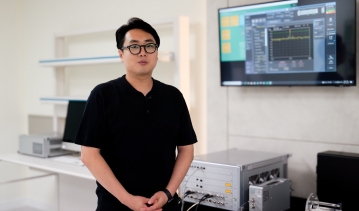
Park Se-ho, Director of RAPA IoT Technology Support Center, “Providing a test environment for 5G-A and 6G next-generation communication fields”
[Editor's Note] As the next-generation communications era begins, there is a need to establish infrastructure capable of testing and validating 5G-Advanced/6G technologies. Accordingly, the Korea Radio Promotion Association and Anritsu have begun collaborative efforts to build a verification environment for next-generation communications technologies. Anritsu has agreed with the Korea Radio Promotion Association (hereinafter RAPA) to collaborate on technology verification for the next-generation communications standards 5G-A/6G. To hear about the collaborative achievements of RAPA and Anritsu in promoting next-generation communications technology and industry development, we met with Park Se-ho, Director of RAPA's IoT Technology Support Center, and Lim Hyun-muk, Deputy Manager of Technical Support at Anritsu Corporation, to discuss cooperation with Anritsu.
2024.10.18by 권신혁 기자
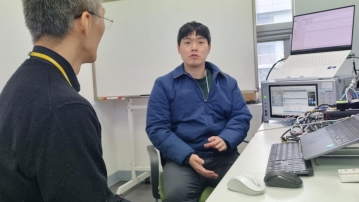
Lee Jin-seong, a researcher at Hyundai Mobis, said, "Hyundai Mobis NG-eCall verification was resolved with Anritsu equipment."
Hyundai MOBIS has implemented NG-eCall and Hybrid eCall functionality in its products to respond to European market regulations and technological changes. Initially, the verification process faced challenges due to equipment unavailability, insufficient knowledge of LTE/5G and SIP signaling, and network simulation constraints. However, these issues were resolved through support from Anritsu's MX703330E and MD8475B equipment. In particular, by establishing a Hybrid eCall verification environment and utilizing automated conformance testing and clear log analysis capabilities, the root causes of errors were identified quickly and collaboration efficiency with the development team was enhanced. This significantly improved the reliability and speed of the research and development process, and Hyundai MOBIS is strengthening its eCall verification capabilities and securing future mobility safety through collaboration with Anritsu. Accordingly, this publication conducted an interview with Lee Jin-sung, a researcher at Hyundai MOBIS Electronic Control Test Cell, to discuss the collaboration with Anritsu in the development process of NG-eCall and Hybrid eCall.
2026.01.13by 명세환 기자
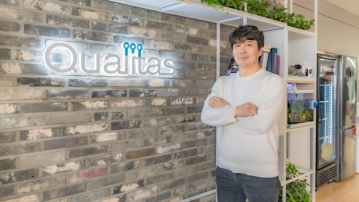
Kim Jae-young, Managing Director at Qualitas Semiconductor, “Anritsu ShockLine™ VNA 'MS46524B', the Standard for Ultra-High Speed Interconnect Reliability Chosen by Qualitas”
Qualitas Semiconductor Co., Ltd., headquartered in the Republic of Korea, is a leading company in the ultra-high-speed interconnect technology field, providing advanced solutions for next-generation AI, automotive, mobile, and display applications. Based on cutting-edge semiconductor process technology and high-performance circuit design expertise, Qualitas develops highly reliable IP solutions that have undergone silicon verification. These solutions enable customers to accelerate system integration, increase new product development speed, and drive innovation. As ultra-high-speed interface technology advances, achieving maximum PHY IP performance requires consideration not only of chip characteristics but also transmission loss and transmission/reflection characteristics across the entire interconnect channel, including PCBs (printed circuit boards) and sockets. Furthermore, establishing a verification environment with high reproducibility that can accommodate diverse future package and interconnect structures is essential. To address these challenges, Qualitas utilized the Anritsu ShockLine™ Vector Network Analyzer (VNA) MS46524B. Through this, Qualitas strengthened its capability to verify signal integrity across the entire system including PHY IP, thereby ensuring the quality and reliability of solutions provided to customers. Accordingly, this publication conducted an interview with Kim Jae-young, Managing Director, who is actively engaged at Qualitas Semiconductor's optical interconnect R&D center. Questions were posed regarding how Anritsu's test solutions are being utilized in Qualitas' ultra-high-speed interconnect PHY IP solutions and what achievements have been accomplished. This article introduces advanced verification technology for ensuring the reliability of next-generation semiconductor interfaces and a case study of building a quality assurance system for maintaining global market competitiveness.
2026.03.08by 배종인 기자
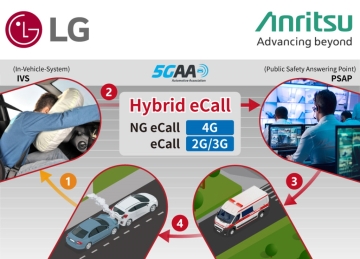
Anritsu and LG Electronics Complete Verification of Hybrid eCall In-Vehicle System
Anritsu and LG Electronics have completed verification testing of a hybrid eCall operation system in-vehicle. The achievement is significant in that it confirmed the continuity of emergency call services even in environments where cellular network transitions are occurring, and demonstrated compliance with the latest European eCall standards.
2026.04.28by 배종인 기자
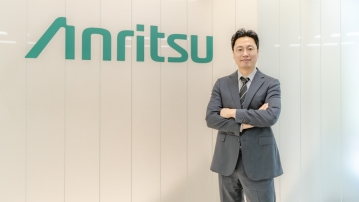
Anritsu President Lee Won-woo: “We Will Become a ‘Customized Solution’ Partner for Measurement in the AI and 6G Era”
Anritsu Corporation's Korea subsidiary's newly appointed President Lee Won-woo, who took office on April 1st, stated in his inauguration remarks that he would actively pursue next-generation communication market response and actively work to discover new growth opportunities based on technological capabilities and customer trust. In this context, Anritsu is transforming from a simple equipment supplier into a partner that provides customized test and measurement solutions for customers amid the AI and 6G transition, and is promoting expanded cooperation and AI-driven organizational innovation to respond to increasingly complex testing demands in areas such as NTN, semiconductors, and data centers. Accordingly, we have arranged a meeting with newly appointed Anritsu Corporation President Lee Won-woo to hear about next-generation communication strategies and customer and partner ecosystem strategies.
2026.05.26by 배종인 기자











