



Materials Research Institute Develops Ultra-thin Coating Water Electrolysis Catalyst Technology
 Published2026.10.07 09:29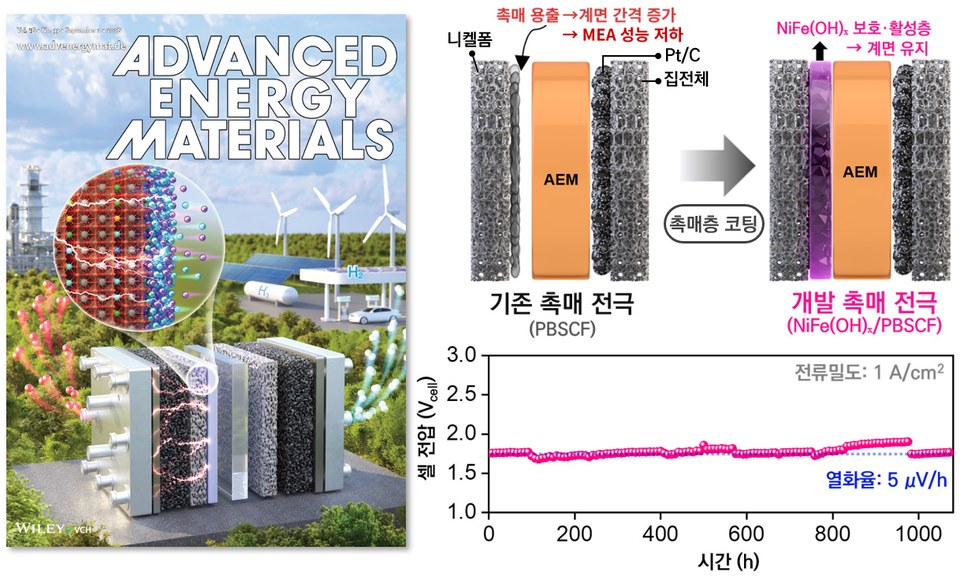
It has achieved approximately 1.9 times higher performance compared to conventional catalysts, and has also demonstrated 1,000-hour long-term stability.
The research team at the Hydrogen and Battery Materials Research Center of the Korea Institute of Materials Science explained that it has succeeded in simultaneously improving these two factors through an ultra-thin surface coating process.
It explained that this enables the possibility of scaling laboratory-level achievements to industrial water electrolysis system scale.
Details of the research can be confirmed through Yang Ju-chan, Principal Research Scientist at the Hydrogen and Battery Materials Research Center of the Korea Institute of Materials Science.

Comments
Related news
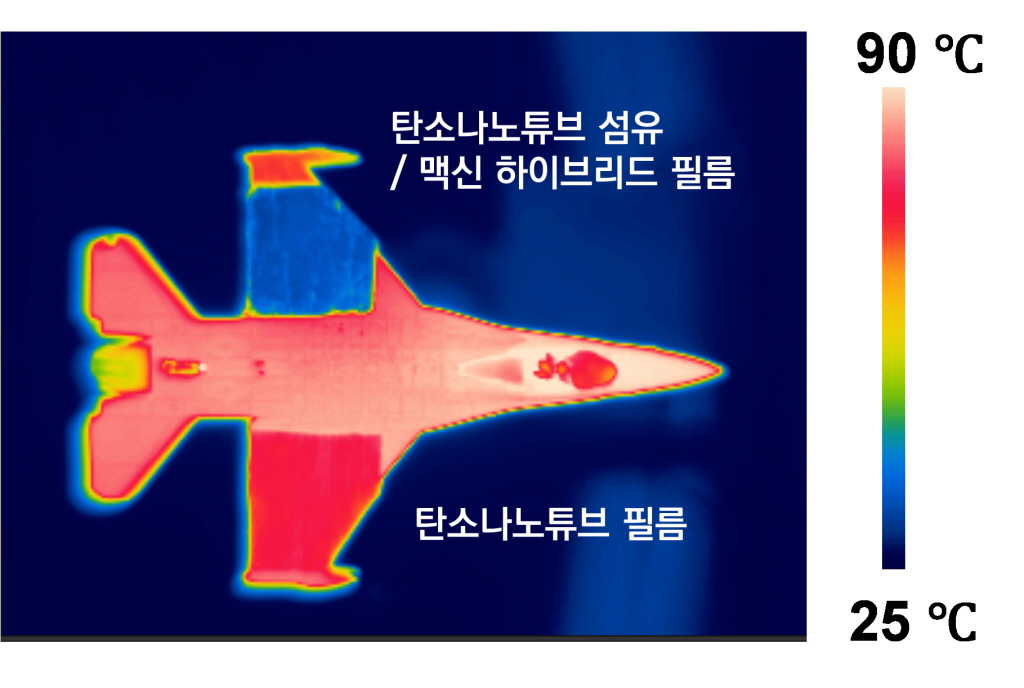
Korea Institute of Materials Science Develops Carbon Nanotube Film Enabling Simultaneous Electromagnetic Shielding and Infrared Stealth
The Korea Institute of Materials Science has developed a carbon nanotube hybrid film that simultaneously implements electromagnetic shielding and infrared stealth functions. This composite material, with an ultra-thin film measuring 1/5 the thickness of human hair, blocks electromagnetic waves by 99.9999999% or greater while possessing strength comparable to steel, and is expected to be widely applied to future weapon systems, aerospace, and 5G/6G communication devices.
2026.08.19by 배종인 기자
Korea Institute of Materials Science, Development of Frequency-Specific Customized Electromagnetic Wave Absorbing Material Design Technology
The Korea Institute of Materials Science has developed customized electromagnetic wave absorbing material design technology that automatically calculates optimal material composition and thickness when target frequency and absorption performance are input. Unlike conventional trial-and-error methods, design efficiency has been improved through reverse engineering-based design, and it can be applied to various frequency bands from radar to satellite communications.
2026.08.26by 배종인 기자
Materials Research Institute Holds Heat Treatment and Surface Treatment Technology Academy
The Korea Institute of Materials Science (KIMS) held a "Materials Processing Technology Academy" at its headquarters in Changwon on August 27-28, conducting practical education in the heat treatment and surface treatment fields. The institute shared the latest technology trends and on-site application cases with industry practitioners regarding heat treatment and surface treatment technologies, which are core root technologies in materials and components manufacturing. This initiative was planned with the goal of strengthening the technological competitiveness of Korea's root industries and reinforcing the foundation of advanced manufacturing industries.
2026.09.02by 배종인 기자
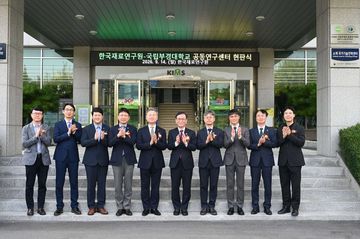
Korea Institute of Materials Science and Pukyong National University Launch 'Marine AI Materials Research Center'
The Korea Institute of Materials Science and Pukyong National University have launched the 'Marine AI Materials Research Center' to begin full-scale joint research combining AI-based materials development technology with the marine industry. Based on their research capabilities in energy and environmental materials, they will promote technology development for eco-friendly and smart marine new industries, and plan to cultivate it as a core research hub for marine materials in the southeastern region.
2026.09.15by 배종인 기자
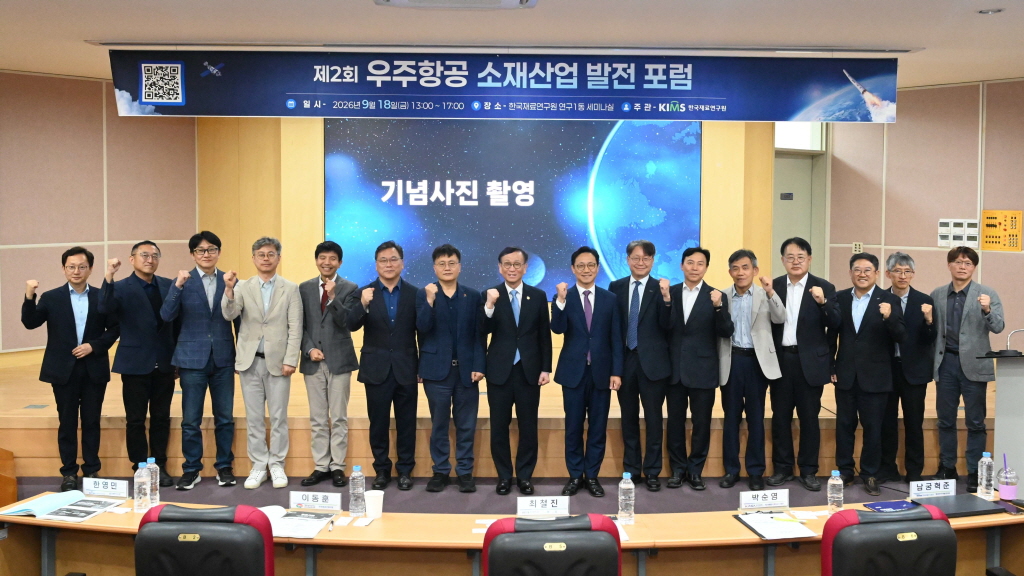
KIMS Discusses Key Materials Technology for Reusable Launch Vehicles
The Korea Institute of Materials Science (KIMS) held the 2nd Aerospace Materials Industry Development Forum. To prepare for the commercialization of reusable launch vehicles, discussions were held on securing high-performance materials and components technology with durability and reliability in extreme environments, with focus on technological independence and competitiveness enhancement of the domestic aerospace industry.
2026.09.21by 배종인 기자











