



The key to sensor platforms is low power, so multi-core is the answer.
 Published2015.08.28 09:11
That's right. It's power (electricity consumption).

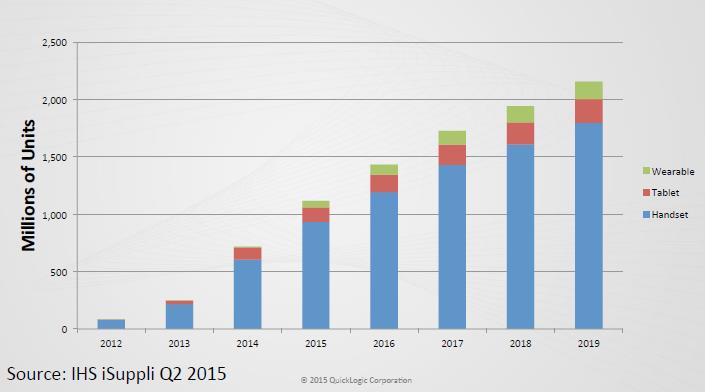 ▲ Sensor Herbs market growth rate
관련뉴스

Ecolab and K-water Discuss Innovation Collaboration in Advanced Industry Water Management
Ecolab and the Korea Water Resources Corporation jointly discussed cooperation directions for maximizing water use efficiency in advanced industries such as semiconductors and data centers and establishing sustainable water circulation. The two companies agreed to gradually develop a long-term cooperation model that combines water resource infrastructure and water management technology to promote water efficiency optimization, water reuse, and carbon reduction.
2026.08.28by 명세환 기자
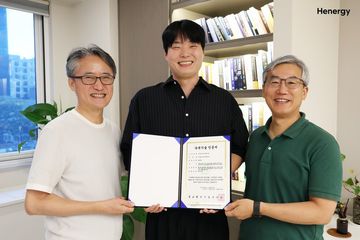
에이치에너지, 녹색기술인증 획득…솔라온케어 가동률 99.82%
에이지에너지가 태양광 발전예측 및 I-V커브 이상진단 기술로 중소벤처기업부 녹색기술인증을 획득했다. AI 기반 자산관리 플랫폼 솔라온케어는 전국 3,000개 이상 발전소에 적용되어 99.82%의 시스템 가동률과 3.7% 발전성능 개선을 달성했다. 실시간 데이터 분석을 통해 모듈 노화와 부분 음영 등 미세한 손실을 조기에 감지하고 관리함으로써 발전 수익을 보호한다.
2026.08.25by 명세환 기자
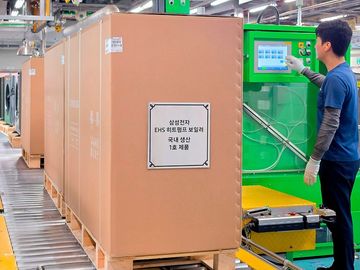
삼성전자, EHS 히트펌프 보일러 광주서 국내 생산…연 10만 대 규모
삼성전자가 난방 전기화 추진에 맞춰 광주사업장에서 EHS 히트펌프 보일러 국내 생산 체제를 구축한다. 2,132㎡ 규모 전용라인에서 이달 시험생산을 시작해 9월 말 본격 양산에 돌입할 예정이며, 연간 10만 대 이상 생산 능력을 갖춘다. 투입 전력 대비 약 5배 열을 생성하는 이 제품은 계절성능계수 4.9를 기록하며 화석연료 기반 보일러 대비 에너지 효율이 높고 탄소 배출을 줄인다.
2026.08.24by 명세환 기자
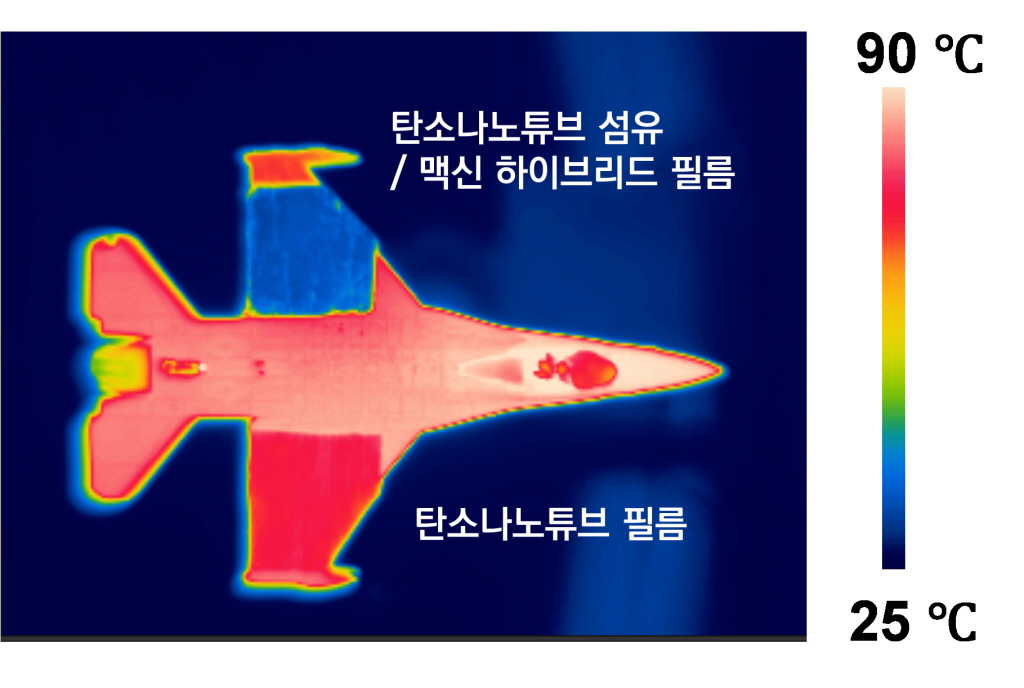
재료연구원, 전자파 차폐·적외선 스텔스 동시 구현 탄소나노튜브 필름 개발
한국재료연구원이 전자파 차폐와 적외선 스텔스 기능을 동시에 구현하는 탄소나노튜브 하이브리드 필름을 개발했다. 머리카락 굵기의 1/5 수준의 초박막으로 전자파를 99.9999999% 이상 차단하면서 강철 수준의 강도를 갖춘 이 복합소재는 미래 무기체계, 항공우주, 5G·6G 통신기기 등에 광범위하게 적용될 것으로 기대된다.
2026.08.19by 배종인 기자

[Interview] Park Ji-yong, Branch Manager of Nozomi Networks, "Korea entering full-scale OT security adoption phase"
The domestic OT security market has seen significantly heightened awareness centered on large enterprises, and POC demand is also increasing. In particular, OT security diagnostics are essential for enterprises to identify vulnerabilities without productivity degradation, and demand is growing across hospitals, pharmaceuticals, power generation, and manufacturing sectors. In this context, Nozomi Networks' Arc-Embedded, which embeds security functions directly into PLCs to reduce blind spots, and Vantage IQ, which shifts from alarm-centric to decision-centric operations enabling non-specialists to perform advanced analysis, are receiving spotlight as key safety assets in OT security. Accordingly, we met with Park Ji-yong, Branch Manager of Nozomi Networks, to discuss OT security and Nozomi Networks' solutions.
2026.08.18by 배종인 기자











