



ST Micro launches automotive microcontroller for building safe smart driving
 Published2016.05.25 15:13
Implementing smarter, smaller and lighter vehicle gateways and body modules
STMicroelectronics (hereinafter ST) has launched the new SPC58 automotive microcontroller product family designed to implement safer Connected Cars.
The newly released MCU product family is the world's first device based on Power Architecture™ with advanced 40nm flash technology applied, and was designed exclusively for body and security applications based on superior power efficiency and real-time performance. It consists of three product lines: SPC58 B-line, SPC58 C-line, and SPC58 G-line, with embedded flash memory ranging from 512KB to 6MB.
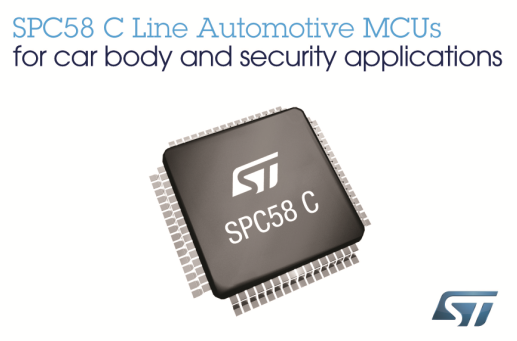
The SPC58 product family offers excellent scalability and can perfectly address the growing requirements in automotive networks with high bandwidth and strong vehicle security features. It is equipped with both Ethernet and ISO CAN FD[1] communication interfaces as well as the latest HSM (Hardware Security Module) to ensure functional integrity of automotive ECUs (Electronic Control Units) and protect against intrusion detection and attacks.
ST's embedded flash (eFlash) 40nm process technology enables high-performance specifications and automotive-grade reliability to be integrated into small packages, allowing automotive gateways and body modules to be implemented in a smarter, smaller, and lighter manner.
Fabio Marchio, General Manager of ST's Automotive Digital Business Division, said "The new SPC58 is built on the success of the SPC56 automotive MCU product family, which has been broadly adopted by leading automotive manufacturers, and will elevate the level of security and in-vehicle communication in the automotive industry." He added, "Next-generation smart vehicles will be based on electronic systems powered by MCUs with superior performance, low power consumption, high security, and robustness. ST's SPC58 MCU line meets all these requirements and will be the optimal solution for next-generation vehicle controllers."
Fabio Marchio further noted, "From internal systems such as transmissions, advanced driver assistance electronics, and front panels to road infrastructure, emergency services, and other vehicles, future Connected Cars will be able to communicate with all entities. Therefore, they must provide the highest level of security." He continued, "The SPC58 automotive MCU, based on its distinctive characteristics integrating performance, connectivity, security, and scalability, helps automotive manufacturers and subsystem suppliers implement safer, more environmentally friendly, and more comfortable and enjoyable driving experiences."
This new product is being developed as part of ST's strategy to provide products with embedded security features such as standalone secure elements.
Samples of SPC58 B-line, C-line, and G-line are currently being supplied to major customers, with mass production scheduled to begin in the first quarter of 2017.

Related news
STMicroelectronics Expands High-Efficiency Power Semiconductors, Converting Automotive Power Modules to SiC
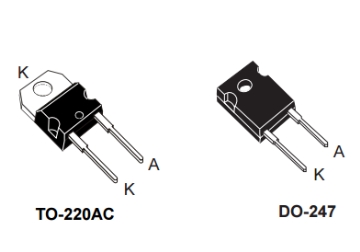
STMicroelectronics (hereinafter referred to as ST) has announced advanced high-efficiency power semiconductors for hybrid and electric vehicles (EV), and has also previewed the automotive quality standard AEC-Q101 certification schedule related to these products. In electric and hybrid vehicles, good electrical efficiency is essential for excellent driving range. With ST's latest SiC (Silicon Carbide) technology, it is now possible to develop vehicles with longer driving range, faster charging, and better suitability for drivers' daily lives. ST, which has led silicon carbide technology, is the first company to introduce next-generation rectifiers and MOSFETs suitable for high-voltage power modules and discrete solutions that match major automotive electronic blocks. These include traction inverters, onboard battery chargers, and auxiliary DC-DC converters.
2016.05.19by 명세환 기자
STMicroelectronics Offers Free STM32 Microcontroller Development Tools for Mac Computers
STMicroelectronics (hereinafter ST) is providing STM32 microcontroller development tools for Mac computers free of charge. This enables Mac computer users to easily conduct embedded design in their preferred operating environment. The STM32 development tool for the OS X operating system consists of the System Workbench® for STM32, which includes STM32CubeMX (STM32CubeMX), a graphical configuration tool, along with drivers for using ST debugging and programming devices. Installation and use are as straightforward as expected from an OS X product.
2016.05.23by 명세환 기자
STMicroelectronics Launches New 16V Precision OP Amp That Requires No Post-Process Trimming
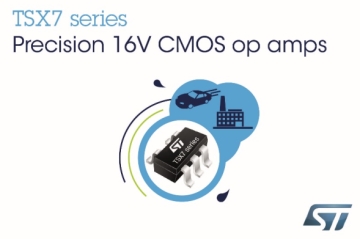
STMicroelectronics (hereinafter ST) has launched a new 16V precision operational amplifier series TSX7 featuring high accuracy, wide operating voltage range, and excellent stability. Characterized by low input offset voltage, CMRR (Common Mode Rejection Ratio), and temperature drift performance, it requires no trimming or calibration in post-process circuits and maintains consistent performance across a wide automotive-grade temperature range from -40°C to 125°C.
2016.05.24by 명세환 기자
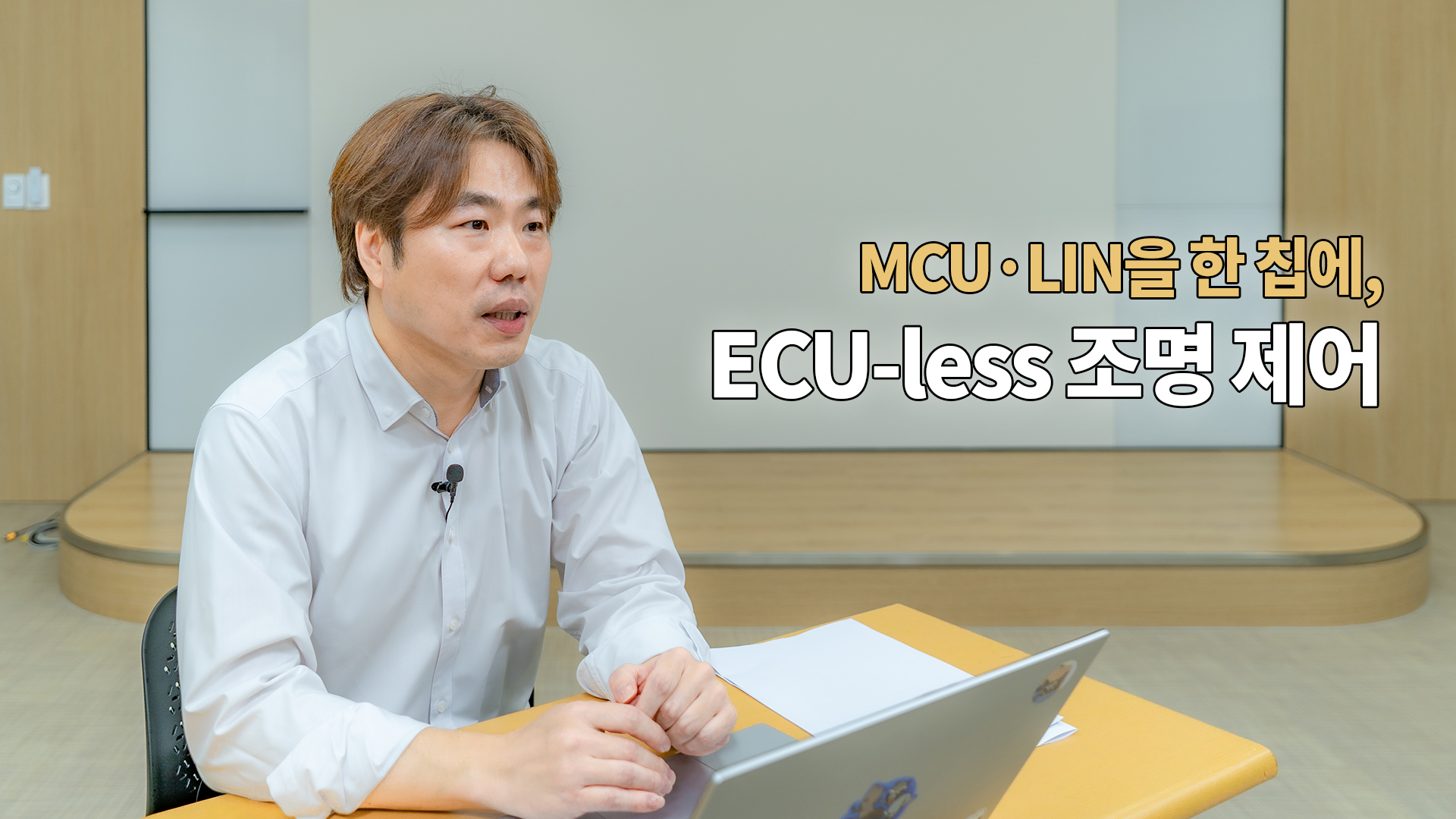
A single misaligned light means 'defect'… Vehicle interior lighting now guarded by semiconductors and software
Automotive interior lighting is moving beyond its role as 'auxiliary lighting.' As it becomes a core element of user experience (UX) that expresses brand identity through color and animation while reflecting driver preferences, the LED interior ambient lighting market is growing rapidly. In connection with this, we met in advance with Choi Young-jae, Research Director at Dabo Corporation, who will present a technical webinar session on "Intelligent LED Interior Lighting Solutions Illuminating Future Vehicles," to hear about market trends and changes in design requirements.
2026.08.28by 명세환 기자
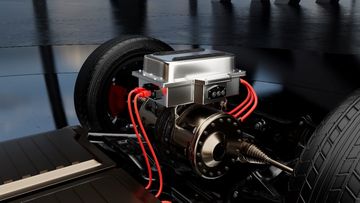
TI Unveils Multi-Axis Coreless Current Sensor TMCS2100-Q1 for HEV/EV Traction Inverters
Texas Instruments has unveiled the TMCS2100-Q1, a multi-axis coreless Hall-effect current sensor for HEV and EV traction inverters. By simultaneously measuring horizontal and vertical magnetic fields through multi-axis sensing technology, it achieves up to 20 times higher accuracy compared to conventional single-axis sensors, while the busbar-unmodified design provides mechanical design flexibility. It simultaneously meets the high-accuracy requirements and miniaturization driven by the expansion of 800V architectures.
2026.08.27by 배종인 기자











