



[5G! MWC19] 5G to Account for 15% of Global Mobile Access by 2025
 Published2019.02.26 16:50
| '25년 IoT 접속, 250억 회선으로 3배 급증
| 5G, 제조업-공공시설-금융 산업 활황에 기여
세계이동통신사업자협회(GSMA)가 새로 발표한 보고서에 따르면 5G 네트워크와 5G 디바이스의 잇따른 출시로 꾸준히 성장세를 구가하고 있는 5G가 2025년경에는 글로벌 모바일 접속의 15%를 차지할 전망이다.
GSMA는 MWC19에서 모바일 이코노미 시리즈의 2019년 글로벌 에디션을 발표했다.
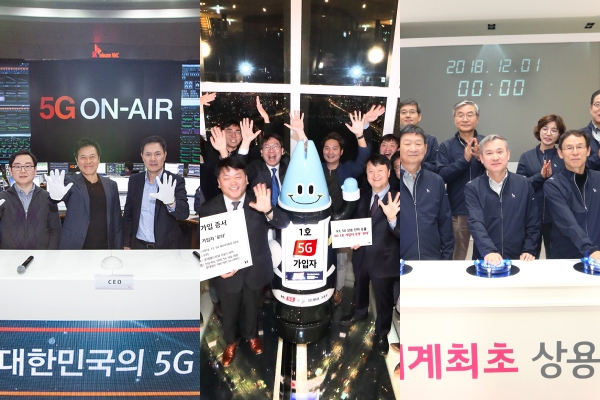
전 세계 최초로 5G 상용 네트워크 서비스를 시작한 한국
보고서에 따르면 2018년, 첫 5G 네트워크를 출시한 한국과 미국에 이어 올해 전 세계 16개 주요 시장이 상업용 5G 네트워크로 전환할 예정이다.
현재 전 세계 이동통신 사업자들은 각종 규제와 경쟁 압박에도 불구하고 네트워크 확장 및 업그레이드 설비투자(CAPEX)로 연간 1600억 달러를 지출하고 있는 것으로 추정된다.
마츠 그란리드(Mats Granryd) GSMA 사무총장은 “5G는 인텔리전트 커넥티비티(Intelligent Connectivity), IoT, 빅데이터, 인공지능 시대를 향해 나아가는 전 세계 움직임의 한 축을 담당하고 있으며, 향후 경제 성장을 견인할 것”이라고 말했다.
이어 “5G가 비즈니스를 혁신하고 흥미진진한 새로운 서비스를 선보이는 동안, 모바일 기술은 커넥티비티 격차를 해소하는데 일조할 것”이라며, “농업, 교육, 의료 등 전 세계 인류의 생활을 개선할 분야에 모바일 기반 기기와 솔루션이 확대되면서 새로운 모바일 인터넷 접속 인구가 향후 2, 3년 내에 10억 명 이상 늘어날 것”이라고 전망했다.
GSMA의 새 보고서에서 주목할 만한 내용은 다음과 같다.
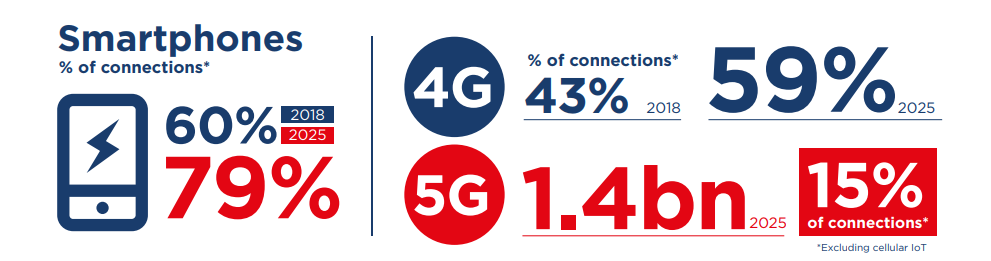
2025년에는 5G 접속이 14억 회선으로 증가한다
먼저 2025년경에는 5G 접속이 14억 회선으로 증가해 글로벌 모바일 접속의 15%를 차지할 것이다. 세부적으로 중국과 유럽이 30%, 미국은 50%에 육박할 것으로 추정된다.
4G는 같은 기간 견고한 성장세를 구가할 것이다. 2018년, 43%였던 글로벌 모바일 접속 점유율이 2025년에는 60%에 달할 것으로 추정된다.
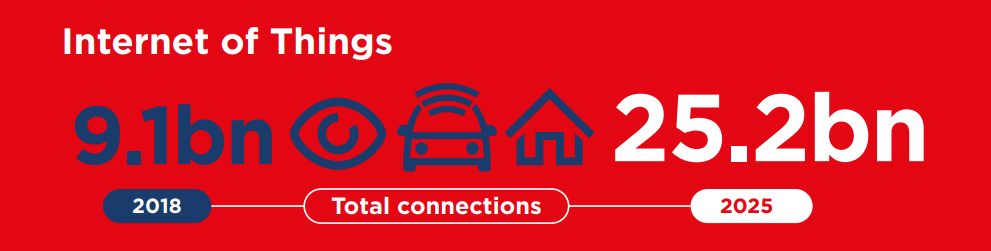
글로벌 IoT 접속이 폭발적으로 증가할 것이다
2025년경에는 글로벌 IoT 접속이 250억 회선으로 3배 급증하고, 글로벌 IoT 매출은 1조1000억 달러로 4배 증가할 전망이다.
2013년부터 4년 동안 모바일 가입자 수는 10억이 늘었다. 2018년 말 기준으로 모바일 가입자는 총 51억 명이다. 이는 전 세계 인구의 67%에 달하는 수치다.
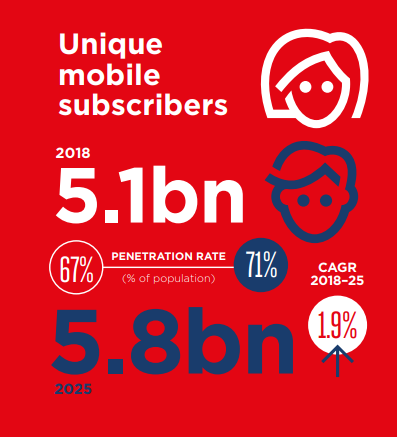
모바일 가입자 수는 앞으로 7년간 7억 명 증가할 것이다
앞으로 7년간 신규 가입자는 7억 명을 넘을 것이다. 그 중 25%는 인도 가입자가 될 것으로 예상된다.
또 7년간 모바일 인터넷을 사용하기 시작하는 인구가 14억 명에 달할 것으로 예상된다. 2025년경에는 전 세계 모바일 인터넷 가입자 수가 총 50억 명에 이를 전망이다. 전 세계 인구의 60%가 넘는 수치다.
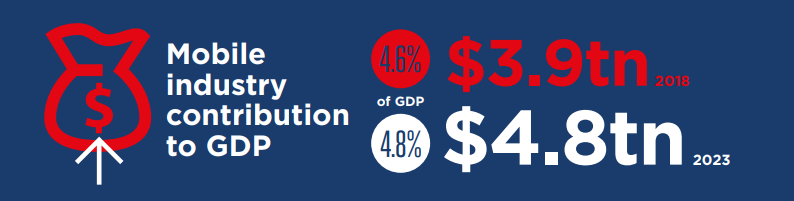
전 세계 GDP에서 모바일 분야가 차지하는 부분은 점차 커지고 있다
GSMA의 보고서에 따르면 모바일 기술과 서비스가 2018년 전 세계 GDP의 4.6%를 창출했다. 3조 9000억 달러 규모의 경제 가치를 창출한 셈이다.
이 수치는 2023년경에는 모바일 서비스 보급 확대로 인한 효율성 및 생산성 향상에 힘입어 4조 8000억 달러로 증가할 전망이다. 이는 전 세계 GDP의 4.8%에 달하는 수치다.
2018년 모바일 생태계는 직간접적으로 일자리 3200만개를 뒷받침했고 일반 과세로 거둬들인 세금이 5000억 달러를 넘어서며 공공분야 재원 마련에 크게 기여했다.
향후 15년간 5G의 글로벌 경제 기여도는 금액으로 2조 2000억 달러에 이를 전망이다.
5G가 기여할 핵심 분야는 제조, 공공시설, 금융서비스 등이며 신기술의 도입에 따른 혜택이 클 전망이다.
모바일 이코노미 2019는 GSMA의 자회사인 GSMA 인텔리전스가 발간했다.
전체 보고서나 관련 인포그래픽에 대한 정보는 웹사이트(www.gsma.com/mobileeconomy/)에서 확인할 수 있다.
Comments 1
1 Comments:
Related news
[CES 2019] GSMA Releases 5G Consumer Trend Data, Saying “Doubts About Innovation”
GSMA Intelligence has conducted a new survey on consumer trends and disclosed preliminary data related to it. The first report, "The Future of Devices," focused on the transformation and global adoption of smartphones entering the 5G era, the expanding adoption of smart speakers, and newly emerging consumer device categories. The second report, "5G's Great Expectations," examined consumer expectations regarding 5G networks and 5G devices that are set to launch.
2019.01.12by 이수민 기자
[MWC19 Preview] SK Telecom Presents 5G Service Blueprint and Advances Global Collaboration
SK Telecom is launching into global 5G and media ecosystem expansion at MWC19, building on its accumulated technological capabilities and service competitiveness. SK Telecom President Park Jung-ho will introduce Korea's 5G commercialization success story, which began on December 1, 2018, at the GSMA Board of Directors meeting on the eve of MWC19's opening. SK Telecom will establish a large-scale exhibition hall spanning approximately 183 pyeong and showcase Korea's leading 5G technologies and new services.
2019.02.20by 이수민 기자
[MWC19 Preview] Samsung Electronics Livestreams 'MWC19 Official Broadcast' with Commercial 5G Equipment
Samsung Electronics will conduct an exclusive 5G live broadcast in collaboration with GSMA, the official organizer of MWC19. Samsung Electronics will stream Mobile World Live, the official MWC broadcast, using commercial 5G base stations and terminals to Fira Gran Via exhibition hall in Barcelona, Spain where MWC19 is being held, and to approximately 280 hotels in the Barcelona area. Mobile World Live can also be viewed worldwide via the internet. MWC19 visitors and viewers worldwide will be able to enjoy HDTV-quality video transmitted through Samsung's commercial 5G base stations and terminals, which replace conventional wired optical cables, with zero latency.
2019.02.24by 이수민 기자
Korea Instrument, KOLAS Accredited Calibration Agency First to Simultaneously Acquire ISO/IEC 27,001·27,701
Korea Instrument has become the first among KOLAS accredited calibration agencies to simultaneously acquire ISO/IEC 27,001 and ISO/IEC 27,701 certifications. Through its proprietary platforms CWIZ Enterprise and CWIZ Partners, the company has embedded information security and personal data protection requirements across all business processes including customer information, equipment data, and calibration reports, with plans to continuously advance its management system through regular audits and security inspections.
2026.10.12by 배종인 기자
TeamViewer One, IT Incident Automation Workflow and Resolution Center Enhanced
TeamViewer has added IT incident automation capabilities and an advanced Resolution Center to its integrated digital workplace management platform 'TeamViewer ONE'. Recurrent service disruptions, configuration errors, and capacity shortages are automatically handled according to preset policies, and device status verification through script deployment can be managed in a unified interface, significantly reducing repetitive tasks for IT teams.
2026.10.12by 배종인 기자












속도가 빨라지면 상상에서 가능했던 일들이 실제로 실현되겠네요..