


ETRI Improves QLED Efficiency with Quantum Dot Surface Substitution Technology
 Published2019.04.17 16:02
| 밝기 4.5배, 전류효율 1.7배, 전력효율 2.3배
| 양자점 표면 분자체 바꿔 QLED 효율 높여
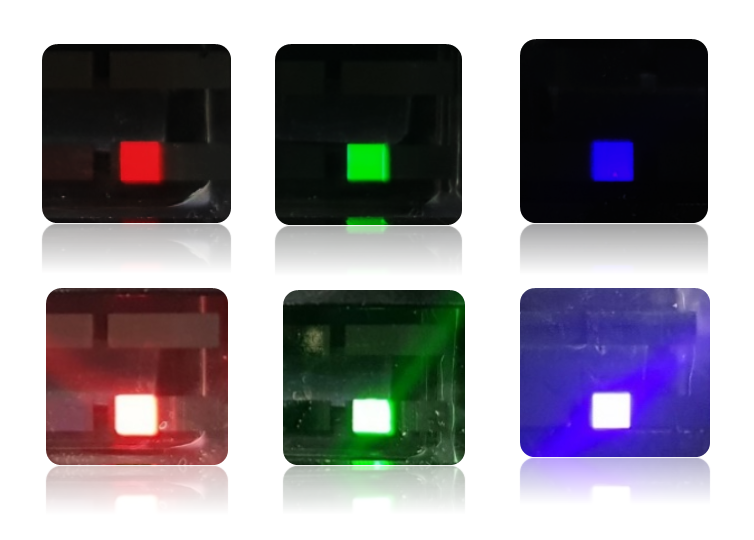
동일 전압 조건에서 ETRI 연구진이 치환한 QLED가 기존 QLED보다 더 밝게 발광하고 있다 (위쪽 줄이 기존 QLED, 아래쪽 줄이 치환된 QLED)
한국전자통신연구원(ETRI)에서 16일, 차세대 디스플레이 소자인 양자점발광다이오드(QLED)의 성능을 획기적으로 높이는 기술개발에 성공했다고 밝혔다.
QLED는 자체적으로 빛을 내는 반도체 입자인 양자점을 이용한 디스플레이 기술이다. 그동안 OLED가 유기물을 이용했다면 QLED는 유기물 대신 반도체 즉, 양자점을 활용한다.
최근 자연에 가까운 색을 재현하는 디스플레이 수요가 증가하고 있어 가장 넓은 색 영역을 제공하는 QLED 기술에 대한 관심 또한 높아지는 추세다.
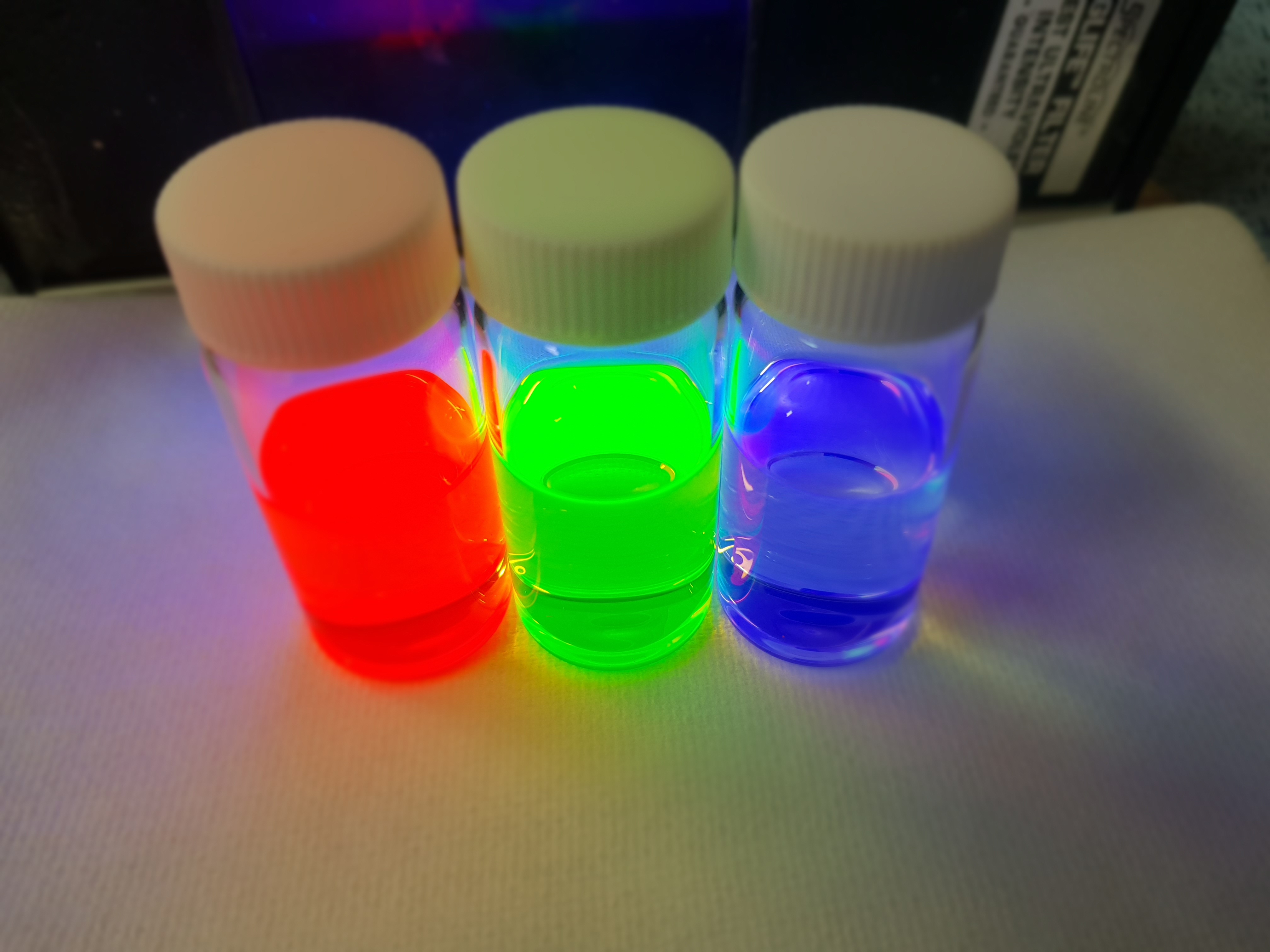
ETRI 연구진이 이번 연구에서 사용한 발광다이오드용 양자점 용액
ETRI는 QLED 정공 주입 개선 기술 개발을 통해 양자점 표면을 구성하고 있는 분자체를 바꾸어 QLED의 밝기, 전류 및 전력 효율을 향상시킬 수 있는 핵심 기술을 개발했다.
QLED 기술의 가장 큰 난제는 발광 층 내 전자-정공 이동 불균형 현상이다.
QLED 디스플레이를 구성하는 소자는 양 전극에서 주입된 전자(electron)와 정공(hole)이 양자점에서 만나 빛을 내게 된다. 그런데 전자는 자유롭게 위아래로 잘 이동하지만, 정공은 전극과 양자점 에너지 간 전달이 더뎌 이동이 힘들다. 이러한 전자-정공 불균형 문제는 양자점 발광다이오드의 성능을 떨어뜨리고 소자의 수명을 짧게 만들어 이를 해결하기 위한 연구가 필요했다.
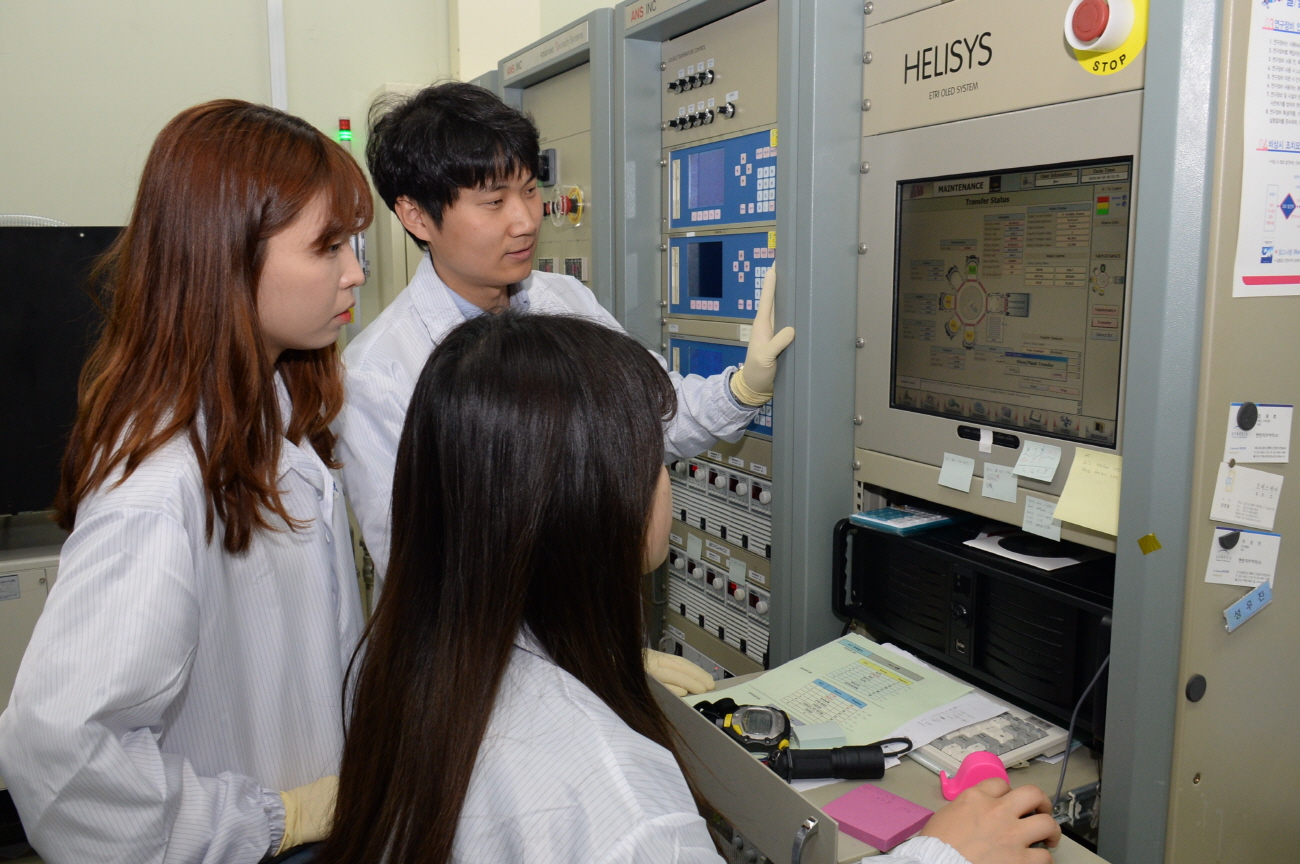
ETRI 연구진이 QLED 레이어를 증착 장비에서 공정을 진행하는 모습 (좌측부터 시계방향으로 최수경 연구원, 이현구 선임 연구원, 이강미 연구원)

연구진은 디스플레이서 밝게 빛나는 발광층 위에 양자점을 깔고 정공 쪽에 해당되는 부분만 피리딘이라는 물질로 바꾸어 불균형 문제를 해결했다. 피리딘을 사용하면 양자점과 정공 수송층 사이의 거리가 줄어들고 중간 에너지 층이 만들어 진다. 중간 에너지 층은 정공을 보다 원활히 전달하도록 도와 전자와 정공이 만나 빛을 내는 효율을 증대한다. 하나의 층에 전자와 정공이 동시에 존재해야 빛이 나게 되기 때문이다.
기존에는 전자만 원활하게 이동하고 정공이 뒤따라오질 못했다. 또 정공을 추가로 주입하게 되면 전압을 더 가해야만 했다. 하지만, 연구진에 의해 추가적인 전압이 필요 없이도 정공이 자유롭고 원활하게 이동함이 따라 낮은 전압에서도 빛이 나게 되는 셈이다. OLED와 같은 전압인데도 불구하고 정공의 움직임이 빨라져 이동성이 빠른 전자와 많이 만나게 되어 밝게 빛이 나는 것이다.
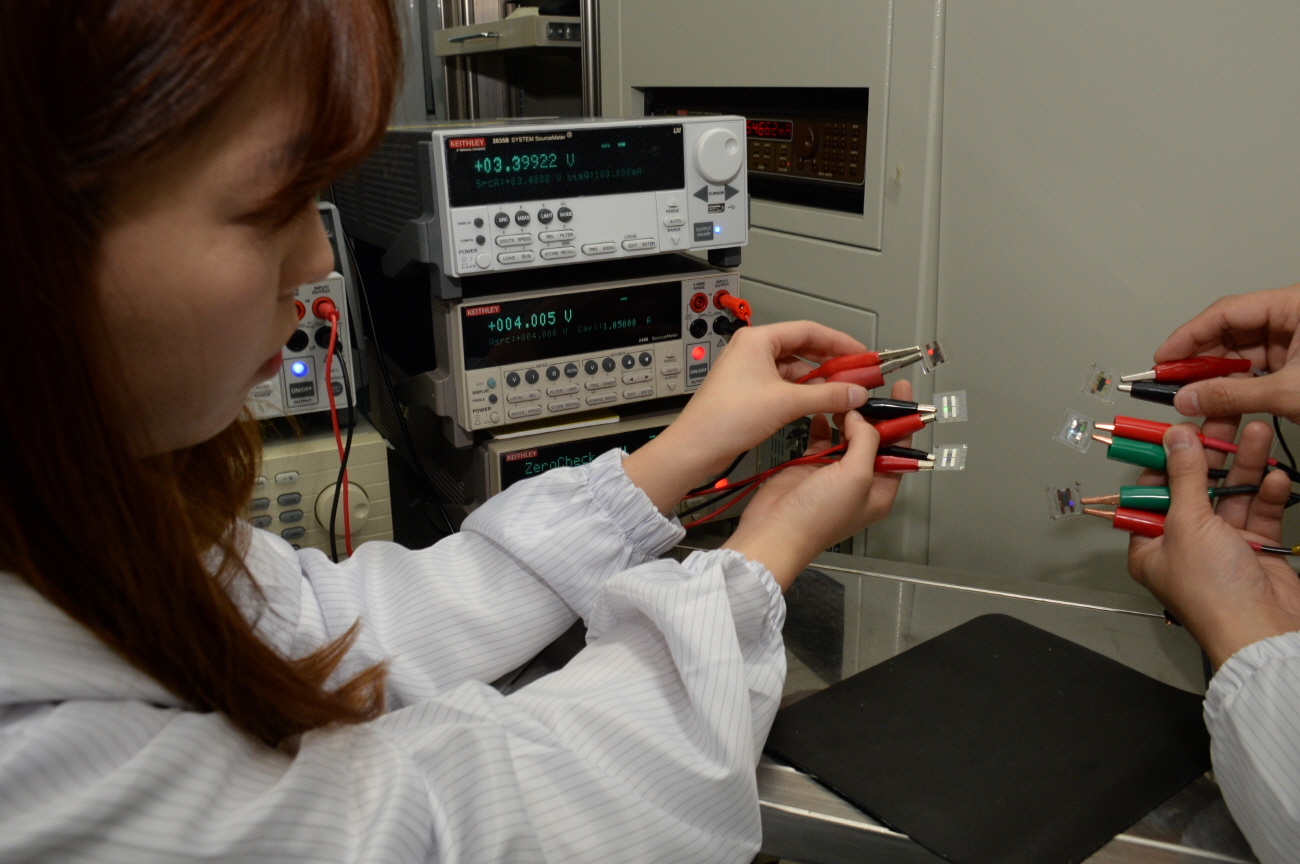
결과적으로 기존 소자에 비해 최대 4.5배의 밝기, 1.7배의 전류효율, 2.3배의 전력효율을 가지는 양자점 발광 다이오드의 구현이 가능케 되었다. 또한 이 기술의 경우 적, 녹, 청(RGB) 모든 색상의 양자점에 동일하게 적용할 수 있어 향후 QLED 상용화에 큰 도움이 될 것으로 연구진은 보고 있다.
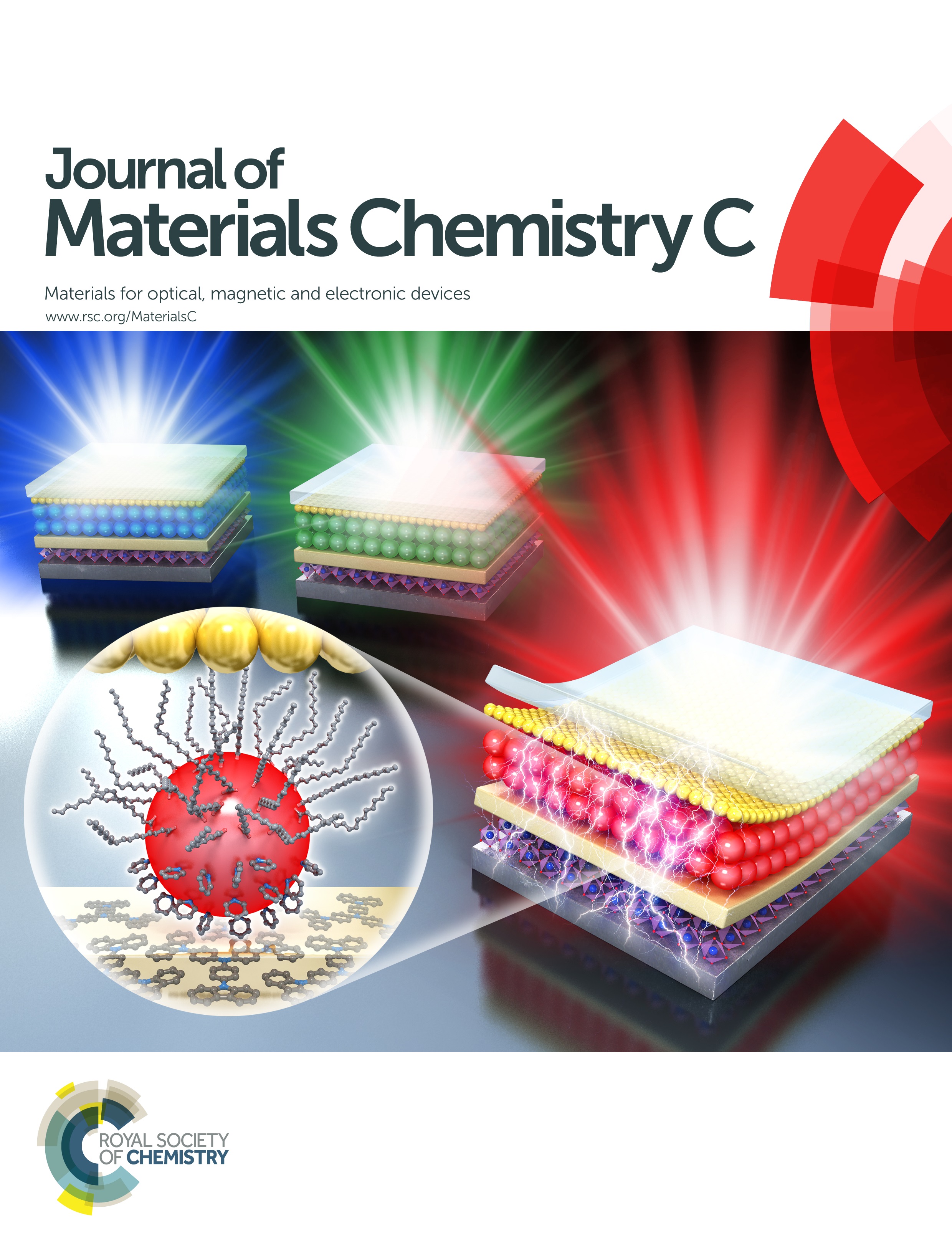
연구진이 개발한 기술은 재료 분야의 대표적인 국제 학술지인 ‘재료화학 저널(Journal of Materials Chemistry)’의 3월표지 논문으로 선정됐다.
ETRI 이현구 유연소자연구그룹장은 “향후 이 기술을 연구진이 개발 중인 마이크로 디스플레이도 적용해 볼 계획”이라며, “미국 국가 텔레비전 시스템 위원회(NTSC) 기준 약 159%의 색 재현율을 보여 자연색에 보다 가까운 색상구현도 가능해 차세대 디스플레이 등에 다양하게 적용될 것으로 보인다”고 말했다.
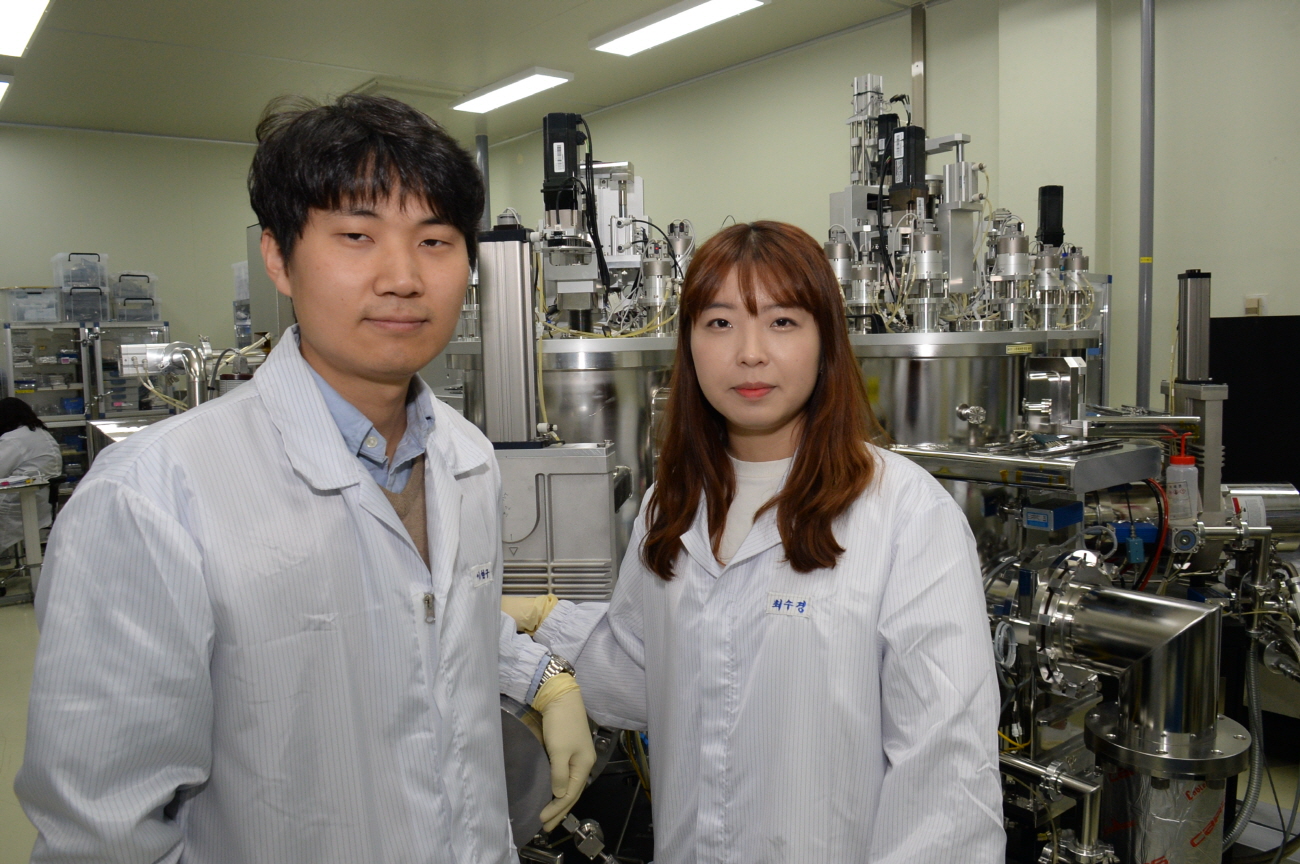
QLED 소자 양자점 표면치환기술 개발에 성공한 ETRI 연구진 (좌측부터 이현구 선임 연구원, 최수경 연구원)
이처럼 이 기술은 증강현실(AR)·가상현실(VR)용 초고해상도 디스플레이(HMD), 니어 아이(near eye) 디스플레이, 생체 자극/억제를 위한 임플란터블 광자극 광원 등 다양한 산업에서 활용될 수 있다.
한편, 이 연구는 ETRI 주요사업인 “임플란터블 프론트엔드 기술개발” 과제의 일환으로 진행되었다. 연구진은 그간 차세대 디스플레이 연구개발을 위해 15건의 연구 논문과 15건의 특허 등록을 완료했다.
Comments
Related news
Samsung Electronics sets out to dominate the '8K TV' market with "QLED 8K" technology
Samsung Electronics held a TV market outlook and briefing session on key technologies for its 2019 QLED 8K TVs, announcing that it is taking decisive steps to secure market leadership in the emerging 8K TV segment. Starting with Europe on the 12th, Samsung Electronics will officially unveil the 2019 QLED 8K TV through Samsung Forum events held in various regions including South Asia, Central and South America, and the Middle East, and will begin full-scale sales operations. The QLED 8K lineup debuting this year will consist of a total of six models, adding 98-inch and 55-inch sizes to the existing 65, 75, 82, and 85-inch options.
2019.02.11by 이수민 기자
"Who's going to Portugal?" Samsung Electronics unveils its full 2019 QLED TV lineup in Porto.
Samsung Electronics is hosting "Samsung Forum 2019" for major global business partners and approximately 3,000 media representatives. Samsung Forum will be held sequentially in Porto, Portugal from the 12th of this month, Antalya, Turkey, and Sentosa, Singapore through March 26th. Samsung Electronics announced that, in particular, at the media day of "Samsung Forum Europe 2019" held in Porto on the 13th, it will unveil the full lineup of 2019 QLED TVs and begin full-scale sales from March.
2019.02.15by 이수민 기자
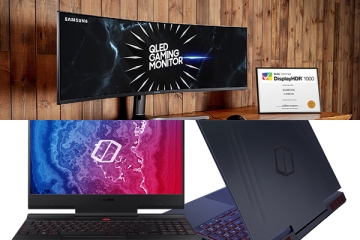
Samsung Electronics Strengthens Gaming Lineup with New Monitors and Laptops for Gamers
Samsung Electronics has launched the CRG9, a 49-inch QLED gaming monitor with dual QHD resolution. The monitor features a 32:9 aspect ratio and an 1800R curved panel, enabling immersive enjoyment of high-quality content. Samsung Electronics also introduced a new 2019 model of the Samsung Notebook Odyssey gaming laptop equipped with an advanced thermal management system. The Odyssey is equipped with the latest NVIDIA GeForce RTX 2060 graphics card and an 8th generation Intel Core i7 hexacore processor, allowing users to enjoy high-end games in optimal conditions. The laptop features a display supporting 144Hz high refresh rate and NVIDIA G-SYNC, delivering consistently smooth and fluid visuals.
2019.04.08by 이수민 기자

Intel Unveils Next-Generation 'Core Ultra Series 3' and vPro Platform for Enterprise PCs
Intel has officially unveiled the "Intel Core Ultra Series 3" for next-generation enterprise PCs and the latest vPro platform, addressing a wide range of demands from enterprise notebooks to high-performance workstations.
2026.03.26by 배종인 기자

ROHM Launches ESD Protection Diode Compatible with High-Speed Interfaces of 10Gbps or Higher
Semiconductor specialist ROHM has developed the 'RESDxVx series' of ESD (electrostatic discharge) protection diodes capable of responding to next-generation high-speed data communication environments exceeding 10Gbps, simultaneously enhancing both signal quality maintenance required in high-speed interfaces and IC protection performance.
2026.03.26by 배종인 기자











