



ETRI Develops Hologram 250 Times Sharper Than 8K
 Published2019.05.26 07:01
| 수직 적층기술로 기존 1/3 크기 픽셀 제작
| 1㎛피치 픽셀 홀로그램 원천기술 확보
국내 연구진이 홀로그램의 시야각을 높인 초고해상도 픽셀(Pixel) 기술을 개발했다 이로써 보다 자연스러운 홀로그램과 초고화질 영상 콘텐츠를 재생할 수 있는 디스플레이 패널 구현이 더욱 빨라질 전망이다.

한국전자통신연구원(ETRI)은 픽셀의 크기와 픽셀 간격을 마이크로미터(㎛)수준으로 대폭 줄여 30도 시야각을 갖고 화질을 크게 높일 수 있는 새로운 픽셀 구조 기술을 개발했다고 23일 밝혔다.
이를 통해 세계에서 가장 작은 1㎛ 픽셀 피치소자를 적용, 72K 해상도를 구현하는 패널개발이 가능할 전망이다.
홀로그램 표현에는 주로 액정을 이용한 공간 광변조 기술이 쓰인다. 액정에 전압을 걸어 빛의 위상을 바꿔 영상을 만드는 방식이다.
이때 홀로그램 영상의 화질과 시야각을 높이기 위해서는 액정에 쓰이는 소자의 픽셀사이의 간격을 줄이는 것이 관건이다.
기존에는 주로 한 평면 내에서 픽셀의 크기와 간격을 줄이는 연구가 이뤄졌으나, 이 방법으로는 자연스러운 홀로그램 영상 재생이 가능케 하는데 한계가 있어왔다.

일명, 수직 적층(積層)형 박막트랜지스터(VST) 구조다.
이 기술은 한 평면에 형성되던 픽셀 구성요소들을 수직으로 쌓아 필요면적을 최소화, 픽셀 피치를 대폭 줄일 수 있다.
연구진은 기존 디스플레이용 TFT 기술로 1㎛ 픽셀 피치 구현이 가능함을 보였다.
별도의 추가 공정 없이 픽셀 피치를 획기적으로 줄일 수 있는 구조를 개발하는데 성공한 셈이다.
아울러, 1㎛ 픽셀 피치 소자 개발을 통해 현재 8K UHD TV의 1인치당 픽셀수가 약 100 PPI의 해상도 였는데 25,000 PPI이상의 초고해상도를 가질 수 있도록 만들었다.
즉, 최대 250배 이상의 초고화질을 구현할 수 있게 된 것이다.
이 기술의 개발로 홀로그램 영상 시야각도 대폭 키우게 되었다.
기존 홀로그램 디스플레이 기술은 2~3도로 좁은 시야각을 지닌 반면, ETRI의 기술을 적용하면 최대 30도의 광 시야각을 구현할 수 있다.
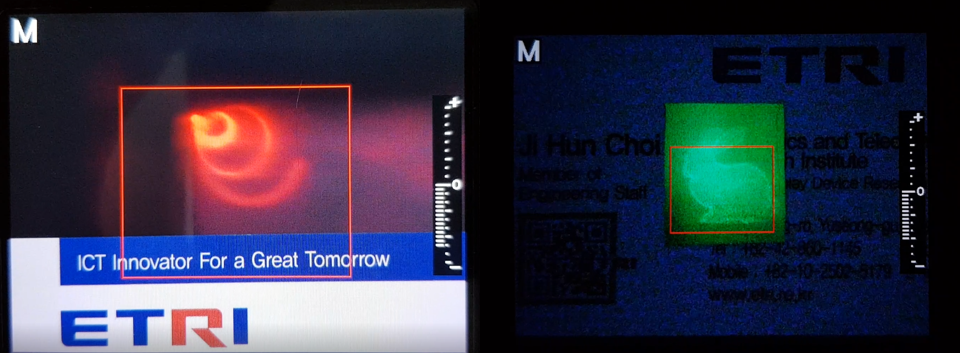
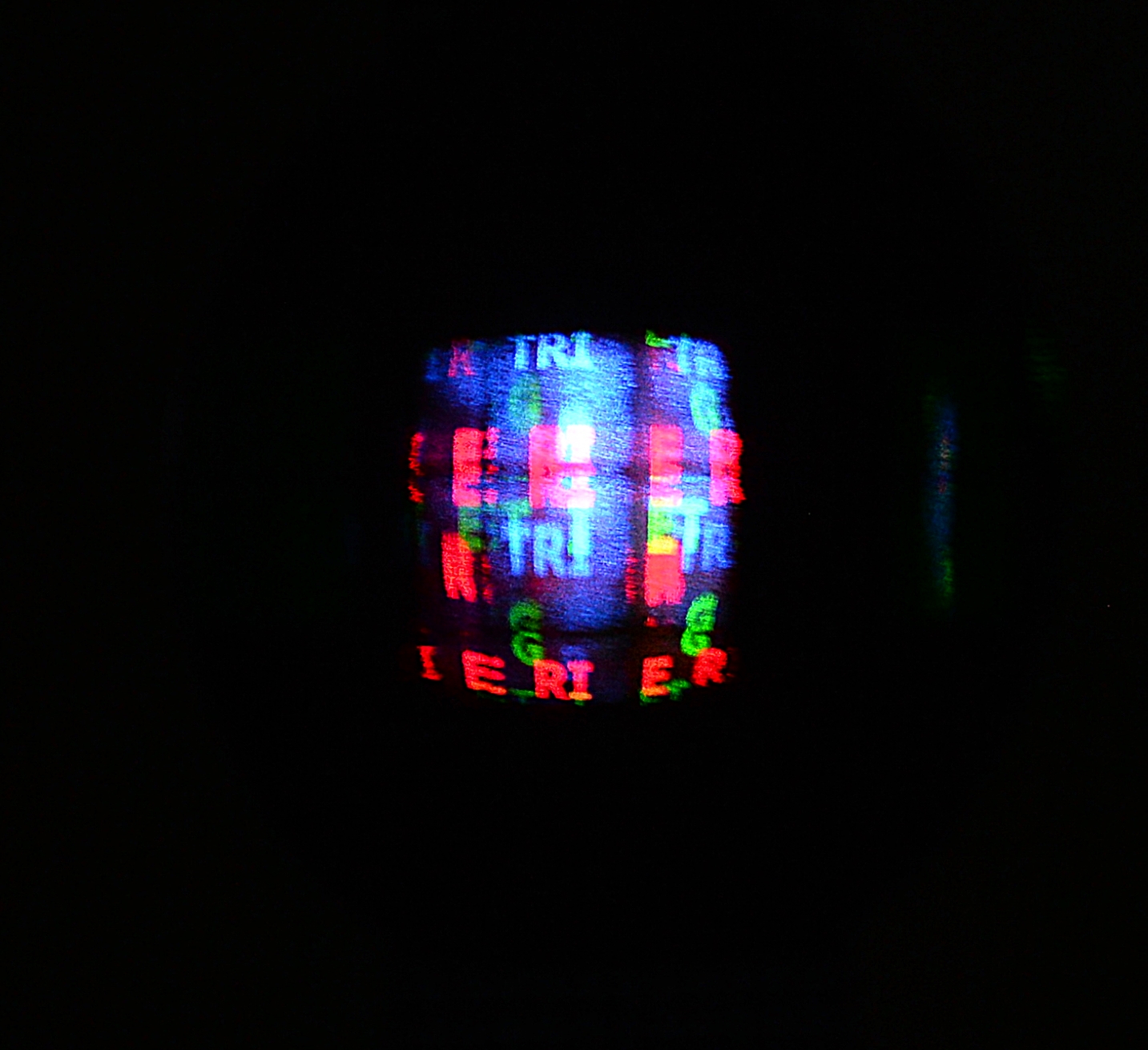
실제, 연구진은 이번 디스플레이 위크 학회에 2.2인치 크기 패널을 사용, 5,100만개(1만 6천개 x 3천 2백개)의 픽셀로 소용돌이 모양이 3차원으로 움직이는 장면을 시연했다.
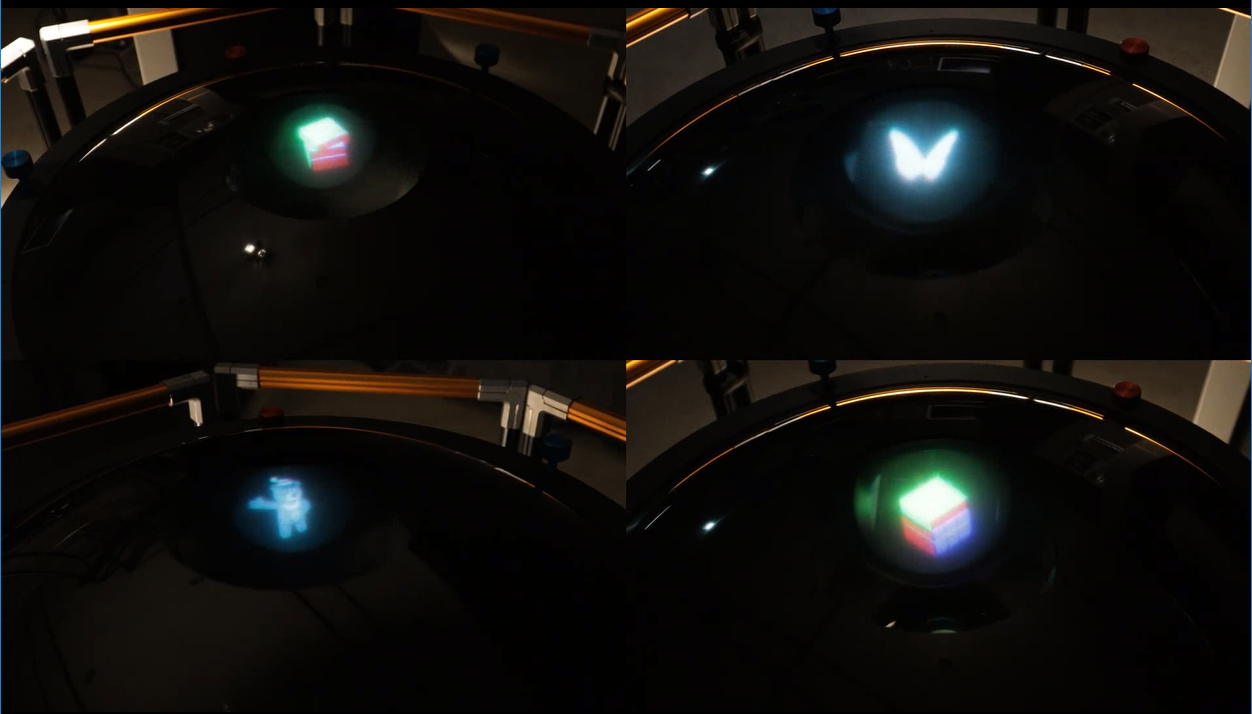
이 기술은 홀로그램뿐 아니라 마이크로디스플레이(µLED), 증강현실(AR) 및 가상현실(VR) 등 다양한 초고해상도 디스플레이 분야와 초고속 통신용 부품, 이미징 영상장치 등에 적용이 가능해 폭넓은 활용이 이뤄질 전망이다.
연구진이 개발한 구조 기술에 향후 미세 공정기술이 더해지면, 마이크로미터(㎛)를 넘어 나노미터(㎚) 수준 픽셀크기도 달성 가능할 것으로 보인다.
ETRI는 현재 본 기술을 적용한 패널을 개발 중에 있으며 연내에 72K 해상도를 가지는 3.1인치급 공간광변조기를 개발하고 홀로그램 영상 크기도 프로젝션 기술을 기반으로 20인치급으로 확대할 계획이다.
공간광변조기가 개발되면 영상을 확대하는 별도의 광학장치 등이 없어도, 자연스럽게 홀로그램 영상 재현이 가능하다.
한 소자에서 한 가지 색만 표시하는 현 단계를 넘어 컬러 홀로그램 분야도 연구할 예정이다.
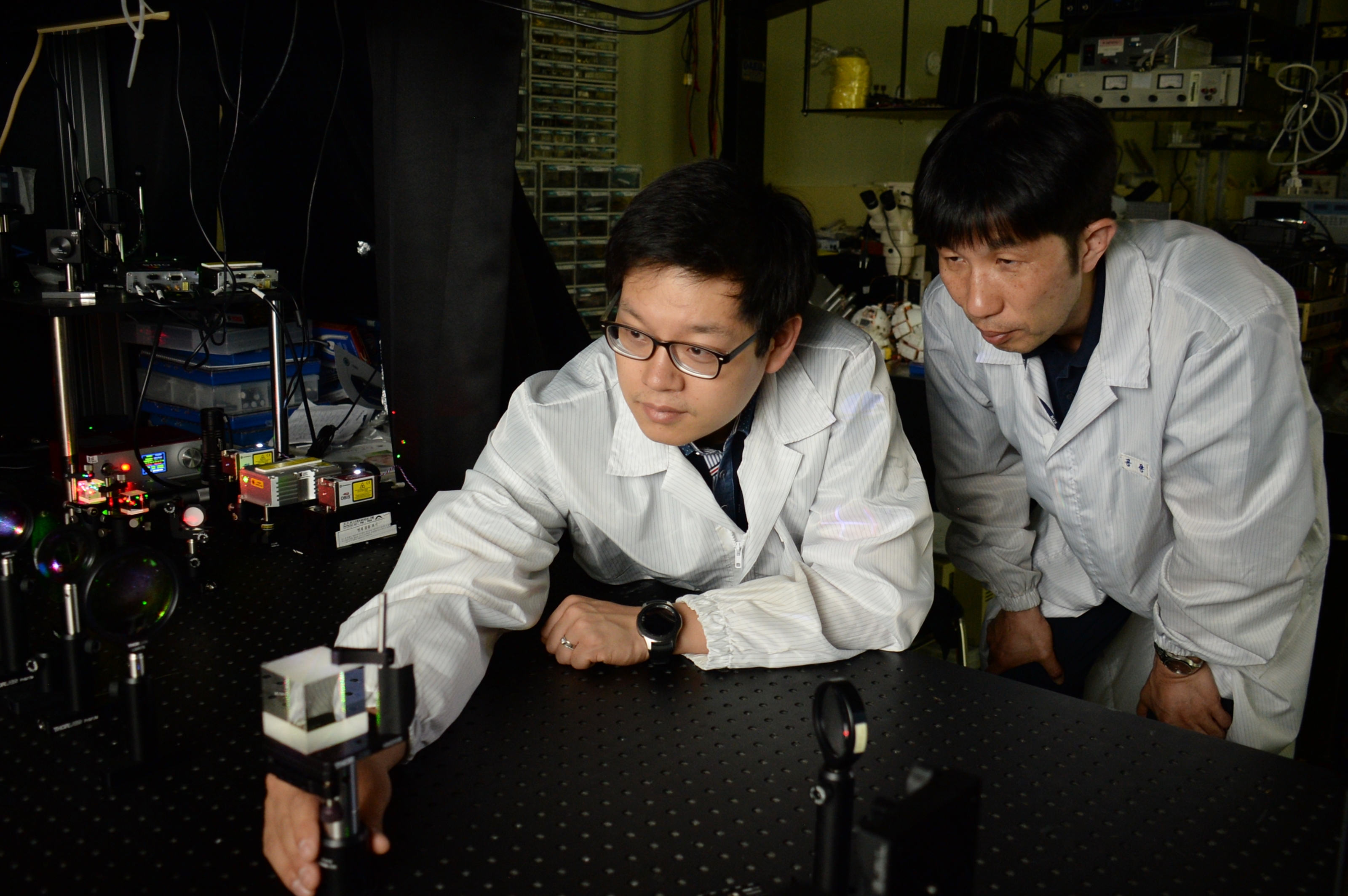
ETRI 황치선 실감디스플레이연구그룹장은 “이번 연구 결과는 공간광변조기에서 구현 불가능한 목표라고 여겨져 왔던 1㎛ 픽셀피치를 구현한 결과로서, 홀로그램 실용화에 큰 기여를 하게 될 것”이라고 밝혔다.
연구진은 트랜지스터 기술, 액정기술 등에 대해 디스플레이 부품관련 업체에 우선 기술이전 한다는 계획이다.
Comments
Related news
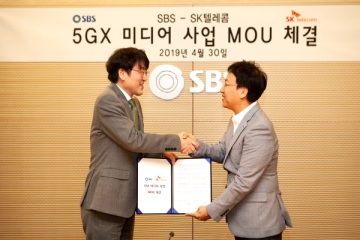
SKT and SBS Sign MOU to Develop 5G-Based New Media Business
SK Telecom and SBS have signed an MOU to jointly develop various new media businesses based on 5G. The two companies plan to explore diverse new solutions and business opportunities in the new media sector leveraging 5G technology going forward. SK Telecom and SBS will first jointly develop a live broadcasting system utilizing 5G technology and plan to apply it on a pilot basis across various fields including news coverage, sports, and event broadcasts. In particular, they plan to pursue experimental initiatives by integrating 5G into the news sector for live news broadcasting and online live content transmission. Additionally, they plan to comprehensively cooperate on next-generation media production and commercialization including 5G-based digital advertising businesses as well as AR and hologram technologies.
2019.05.01by 이수민 기자
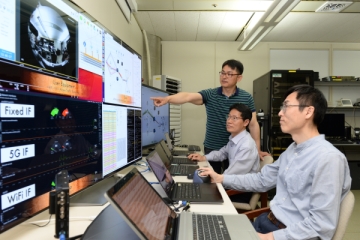
ETRI, Develops 5G-WiFi-Wired Combination Technology… Accommodates 40 Times More Traffic Than LTE
The Electronics and Telecommunications Research Institute has successfully developed foundational technology enabling high-capacity internet services of up to 40Gbps by combining 5G, WiFi, and wired internet networks through joint research with domestic small and medium-sized enterprises including KT, Ranbird Technology, and S-NET ICT. The technology developed by the research team is a multi-access traffic aggregation technique that consolidates three networks into one. By controlling different wired and wireless access environments through a single 5G core network, it enables accommodation of traffic 40 times greater than 4G. With this technology, when simultaneously using 5G, WiFi, and wired internet networks, theoretically a maximum transmission speed of 40Gbps can be achieved by combining 5G's 20Gbps (which is up to 20 times faster than LTE), next-generation WiFi (802.11ax) maximum speed of 10Gbps, and wired internet at 10Gbps. In this case, immediate control of access network conditions is possible, allowing provision of an optimal access environment to users.
2019.05.12by 이수민 기자
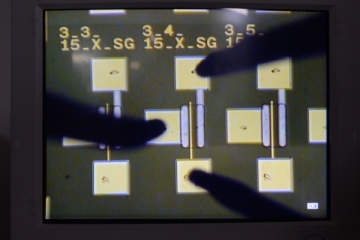
ETRI develops gallium oxide MOSFET capable of withstanding 2300V high voltage.
The Korea Electronics and Telecommunications Research Institute has developed a power semiconductor transistor capable of withstanding 2300V high voltage for the first time in the world using gallium oxide. While conventional power semiconductor devices were manufactured by designing devices on silicon, gallium nitride, or silicon carbide substrates followed by patterning, etching, and deposition processes to create transistors, this technology is differentiated by its use of gallium oxide instead of existing semiconductor materials. Gallium oxide has a wider energy band gap than conventional semiconductor materials, enabling it to maintain semiconductor properties even at high temperatures and voltages, making chip miniaturization and high efficiency possible. This technology is expected to be used in power conversion modules for electronic products requiring high voltage, electric vehicles, wind power generation, and locomotives, enabling it to function as a robust semiconductor capable of withstanding high voltage and power conditions.
2019.05.19by 이수민 기자

Intel Unveils Next-Generation 'Core Ultra Series 3' and vPro Platform for Enterprise PCs
Intel has officially unveiled the "Intel Core Ultra Series 3" for next-generation enterprise PCs and the latest vPro platform, addressing a wide range of demands from enterprise notebooks to high-performance workstations.
2026.03.26by 배종인 기자

ROHM Launches ESD Protection Diode Compatible with High-Speed Interfaces of 10Gbps or Higher
Semiconductor specialist ROHM has developed the 'RESDxVx series' of ESD (electrostatic discharge) protection diodes capable of responding to next-generation high-speed data communication environments exceeding 10Gbps, simultaneously enhancing both signal quality maintenance required in high-speed interfaces and IC protection performance.
2026.03.26by 배종인 기자











