


Now an essential industry skill! What is digital transformation?
 Published2019.07.13 07:01
| IT와 OT 융합, 디지털·산업현장 전문성 필요
| 연결성과 가시성이 디지털 트랜스포메이션 달성
산업계가 디지털 트랜스포메이션에 열중하고 있다. 디지털 트랜스포메이션이란, 산업현장에 기존까지 별개로 취급되던 IT(Information Technology)와 OT(Operation Technology)를 통합하는 것이다.
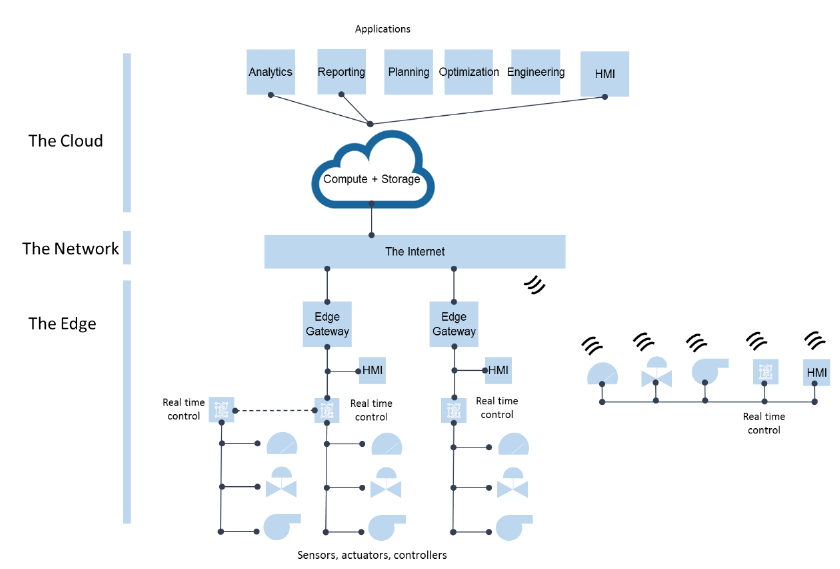
디지털 세계(IT)와 물리적 세계(OT), 두 세계의 통합은 막대한 양의 데이터를 생성한다. IIoT로 대표되는 산업의 디지털화는 센서를 기반으로 모든 물리 자산의 정보가 실시간으로 수집되어 모니터링이나 유지보수는 물론, 생산의 효율성과 비즈니스 혁신을 위한 데이터 분석의 근간이 된다.
AI가 전 산업분야로 확장되면서 관련 기술 업체 역시 전성기를 맞이하고 있다. IT 기업 대부분이 AI 기술을 전면에 내세우고 있으며, 클라우드 컴퓨팅 서비스 업체와 하드웨어 업체도 AI 지원에 최적화된 솔루션으로 경쟁하고 있다.
IT와 OT라는 완전히 다른 두 요소를 온전히 통합하기 위해서는 IT 디지털 전문성, 산업 현장 전문성을 모두 갖춰야 하며, 공장의 생산 설비부터 첨단 데이터 분석까지 엔드투엔드 해법이 필요하다.
디지털화와 디지털 트랜스포메이션은 다르다
최근 디지털 트랜스포메이션이 이슈지만, 산업계는 이미 수십 년 전부터 공장을 비롯한 산업 현장의 디지털화를 추진하고 있다. 디지털 방식으로 통합된 프로세스 트랜스미터(Process Transmitter)와 제어 디바이스가 그 결과물이다.
트랜스미터는 산업 공정을 모니터링하고 제어하는 데 사용하는 측정 시스템의 핵심 요소다. 디지털화를 통해 산업 현장에 설치된 프로세스 트랜스미터는 그 자체로 충분히 스마트하다.
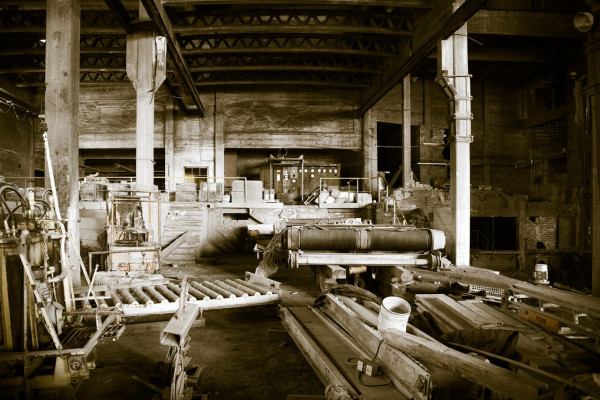
하지만 디지털과의 통합은 그렇지 못하다. 전 세계의 산업 현장은 엄청난 규모의 생산 설비를 갖추고 있다. 대부분의 생산 설비는 IT 장비보다 수명이 길기 때문에 디지털 시대 이전의 오래된 레거시 시스템과 디바이스가 큰 비중을 차지하고 있다.
시스템과 장비뿐만이 아니다. 산업용 애플리케이션을 구성하는 것은 모든 것이 데이터가 내장된 스마트 사물(Smart Things)이기 때문에 전력이나 진동 모니터, 온도 밸브, 각종 기구 등 헤아릴 수 없이 많은 사물이 연결의 대상이다. 이 모든 것을 연결한다는 것은 다양한 산업용 프로토콜과 상용 솔루션, 방대한 디바이스 목록을 처음부터 그렇게 만들어진 것처럼 연결해야 한다는 것과 같다.
기존 자산을 최신 시스템에 편입하는 것이다
산업 현장의 디지털 트랜스포메이션은 기존 자산과의 연결성이 핵심이다. 이 연결성은 기존 생산 장비와 시설로부터 더 많은 생산성과 가치를 끌어낼 뿐만 아니라 오래된 인프라에 새로운 활력을 불어넣는다. 기업은 모든 자산과 생산현장에 관한 중요한 데이터를 신속하게 연결해 즉각 성능을 모니터링하고 장비의 성능을 예측할 수 있으며, 생산 현장의 물리자산과 디지털 시스템의 성능을 하나의 통합된 정보 소스로 이해할 수 있다.
이런 연결성은 핵심 애플리케이션을 신속하게 구축해 경영진부터 생산현장까지 모든 의사결정권자에게 필요한 인사이트를 제공하는 역할도 한다. 이제 기업은 현장에서 무슨 일이 일어나고 무엇이 잘못되었으며, 언제 유지보수를 해야 할지, 이후에는 어떻게 대응해야 할지를 알 수 있다.
IT와 OT를 연결했다면? 분석해야지!
상호 연결된 데이터 세상은 사람들의 일상은 물론 기업의 비즈니스도 바꿔 놓았다. 모두의 기대치 역시 바뀌었다. 고객과 협력사, 직원, 기타 모든 이해관계자는 이제 맞춤형 제품과 매끄럽고 개인화된 경험, 그리고 무엇보다도 즉각적인 액세스를 요구한다. 연결성의 과제를 해결한 기업은 이제 데이터와 분석이란 새로운 여정에 나서야 한다.
기업은 IT와 OT를 연결해 사용자가 여러 시설 여러 장비에서 나오는 데이터와 인사이트에 액세스할 수 있도록 해야 한다. 이들 데이터를 위해 이른바 ‘신뢰할 수 있는 단일 소스(Single Source of Truth; SSOT)’를 생성하고 시각화해 더 나은 의사결정을 지원해야 한다. 이를 기반으로 AR과 같은 혁신적인 기술을 적극 도입해 효율성을 극대화해야 한다.
기존 산업 자동화는 생산라인별로 개별 제품 단위별로 진행되어 왔다. 이 때문에 생산현장 전체가 자동화되어 있다고 해도 공장 전체의 생산 사이클이나 재고 현황 파악, 변동 데이터 추적 등은 불가능하다. 자동화 시스템 간의 호환성을 보장할 수 없는 것은 물론, 데이터 측면에서도 공장이나 설비 전체가 다수의 서로 고립된 사일로에 불과하다. IT 시스템과의 통합을 통한 데이터의 공유와 통합은 어렵고 비용이 많이 들 수밖에 없다.
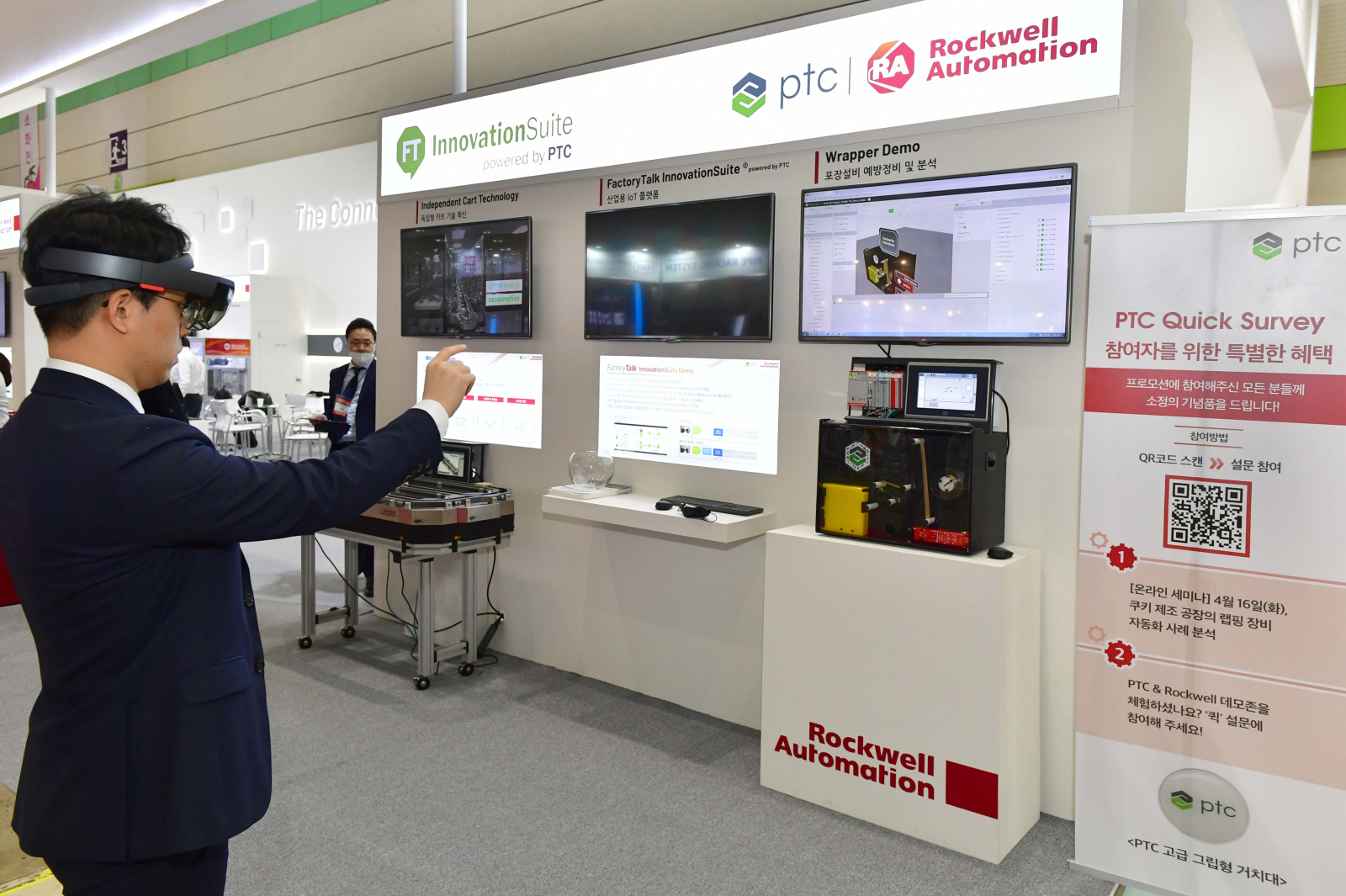
자동화 엔지니어링과 인터페이스 구축의 표준화를 통해 시스템 간, 조직 간의 사일로를 허무는 것으로 과제가 끝나는 것은 아니다. 생산 관리 시스템(Manufacturing Execution System; MES)와의 통합을 통해 실행 가능한 인사이트를 확보해야 하고, AI과 머신러닝으로 데이터 수집과 분석의 자동화를 넘어 예측 분석까지 데이터의 가치를 높여야 한다. AR 기술까지 결합하면 데이터의 가시성을 높여줄 뿐만 아니라 정보 공유와 교육 훈련의 효율성을 높이는 효과까지 얻을 수 있다.
디지털 트랜스포메이션의 4가지 과제
산업 자동화 및 정보 솔루션 기업 로크웰 오토메이션은 기업의 디지털 트랜스포메이션을 가속화하기 위해 ‘팩토리토크 이노베이션스위트(FactoryTalk InnovationSuite)’를 내놓으면서 기업이 디지털 트랜스포메이션을 달성하기 위해서 풀어야 할 4가지 과제를 제시했다.
먼저 생산과 성과에 대한 실시간 모니터링이다. 기업은 생산 프로세스에 대한 실시간 통찰력을 필요로 한다. 문제가 발생할 때 이를 알아차리고 대응할 수 없다면, 예기치 않은 다운시간, 더 높은 운영비용과 폐기물 문제를 맞게 된다. 다양한 시스템을 일관성 없는 규정으로 관리하면 문제는 더 심해진다. 효과적인 운영을 위해서는 쉽게 사용할 수 있는 종합적인 데이터 인사이트가 필요하다.
다음으로 선제적 유지보수다. 정기적 유지보수로도 장비를 잘 관리할 수 있지만, 꼭 필요하지 않은 유지보수로 불필요한 비용이 발생하기도 한다. 선제적 유지보수를 위해선 장비를 모니터링하고 장비 성능을 이력 데이터와 비교해야 한다. 비교를 통해 유지보수를 해야 할 시기를 미리 알 수 있고, 꼭 필요한 경우에만 유지보수를 실시해 비용을 절감할 수 있다. 또한 고급 분석을 통해 문제가 발생하기 전에 원인을 규명하고, 나아가 생산 환경에 대한 통제력을 강화할 수 있다.
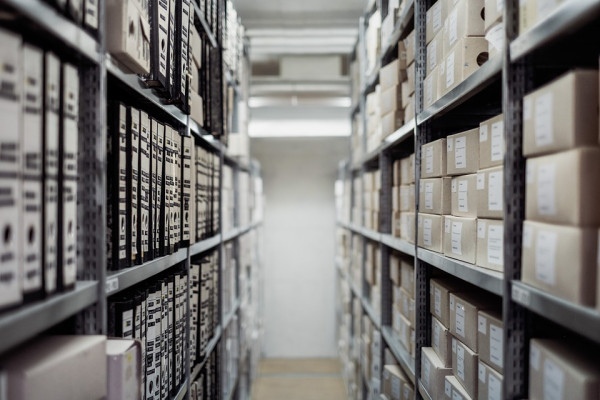
그리고 디지털 작업 지시서다. 종이와 PDF 기반의 문서는 사용하기 불편하고, 유지하는데 많은 시간이 든다. 또한 검색하고 이해하기 어려울 뿐 아니라 번역하는 데도 많은 비용이 든다. 시대에 뒤떨어진 인쇄물에는 쓸모없는 정보가 들어 있을 수 있으며, MES 감사 추적을 생성하기 위한 단계별 실행과 검사 정보를 캡처할 수 있는 방법이 없다. 이 모든 것이 작업자가 필요한 정보에 액세스하고 활용하는 데 장애가 될 수 있다. 디지털화된 지침은 실시간 자산 데이터와 과거 자산데이터를 결합하여 문맥상의 정보를 전달함으로써 성능을 향상시킨다.
마지막으로 장비/기계 분석의 통합이다. 사일로 데이터는 자동화 시스템을 IT 시스템과 통합하는 것을 극도로 복잡하고 고비용으로 만들 수 있다. 자동화를 어떻게 엔지니어링하고 인터페이스를 어떻게 구축하는지에 대한 표준화가 없다면, 비즈니스들은 모순되는 운영 정보 측정치들과 상당한 가동 지연에 직면한다. 수백 가지 서로 다른 프로토콜과 디바이스에 대한 연결성과 사용자 친화적인 인터페이스를 통한 가시성을 확보한다면, 아키텍처 깊숙이 숨어 있는 디바이스를 쉽게 찾아 조사해 분석의 완성도를 높일 수 있다. 특히 분석을 위해 최종 사용자가 데이터 통합과 취합, 정제의 부담을 지지 않아도 된다.
하나부터 열까지 모든 것이 연결되는 비즈니스
기업은 이제 자사의 개발자에게 운영 인텔리전스를 가져다줄 수 있어야만 성공할 수 있다. 이로써 기업은 회사 전반을 관리하는 방법, 작업자들이 일하는 방식, 그리고 고객에게 솔루션을 전달하는 방법을 혁신할 수 있는 통찰력을 확보하게 될 것이다. 이렇듯 모든 것이 연동된 비즈니스는 많은 기업에 크나큰 기회가 될 것이며, 이런 큰 흐름을 제대로 활용하기 위해서는 혁신을 위한 준비가 필요하다.
Comments
Related news
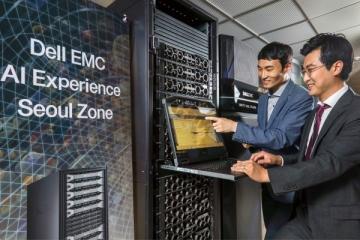
Dell EMC Opens AI Experience Zone in Seoul... Rolls Up Sleeves to Support Korean Companies' AI Projects
Dell EMC has opened an AI Experience Zone in Seoul as well. The AI Experience Zone is set up within the Korea Solution Center at Dell EMC's headquarters located in Gangnam Finance Center in Yeoksam-dong. The AI Experience Zone serves as a support hub for Korean companies to adopt AI in their business and accelerates companies' digital transformation. Dell EMC's AI Experience Zone, showcased through a partnership with Intel in 5 Asia-Pacific cities including Seoul, was established to provide systematic and practical assistance to companies facing difficulties in initiating and executing AI projects.
2019.05.24by 이수민 기자

Smart city spending in the Asia-Pacific region excluding Japan is expected to reach $35.4 billion by 2022.
IDC's Global Smart City Spending Guide report forecasts that the smart city market spending in the Asia Pacific region, excluding Japan, will reach 35.4 billion dollars in 2022. This represents a 16.8% increase compared to the 2018 forecast. Additionally, smart city program spending in Singapore, Beijing, Shanghai, and Seoul is expected to exceed 4 billion dollars this year. Gerald Wang, who oversees IDC Asia Pacific public sector research, stated, "Prior to 2018, cloud solutions were essential for advancing smart cities through digital transformation," and added, "As governments shift their strategy from siloed cloud-first transformation efforts focused on digitalization to the implementation of integrated inter-agency hubs, interconnected ecosystems such as transportation and public safety are increasingly being demanded."
2019.06.06by 이수민 기자
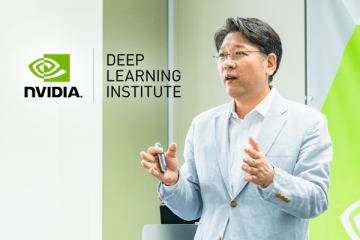
NVIDIA's DLI will train AI experts across nine industries.
Across the industry, more companies are seeking to apply AI to their businesses. According to the Digital Transformation Index announced by Dell Technologies in January this year, AI is one of the top priority issues for Asia-Pacific business leaders. NVIDIA is making various efforts to nurture AI experts. One of these is the Deep Learning Institute (DLI), a global educational program that covers the design, training, and deployment of deep neural networks. DLI participants can use GPU-accelerated workstations in the cloud and learn how to optimize and build neural networks through the latest deep learning frameworks and SDKs.
2019.06.17by 이수민 기자
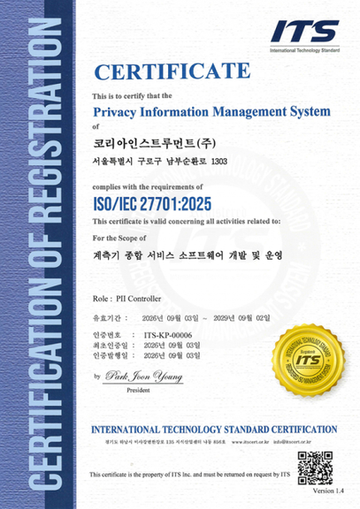
Korea Instrument, KOLAS Accredited Calibration Agency First to Simultaneously Acquire ISO/IEC 27,001·27,701
Korea Instrument has become the first among KOLAS accredited calibration agencies to simultaneously acquire ISO/IEC 27,001 and ISO/IEC 27,701 certifications. Through its proprietary platforms CWIZ Enterprise and CWIZ Partners, the company has embedded information security and personal data protection requirements across all business processes including customer information, equipment data, and calibration reports, with plans to continuously advance its management system through regular audits and security inspections.
2026.10.12by 배종인 기자
TeamViewer One, IT Incident Automation Workflow and Resolution Center Enhanced
TeamViewer has added IT incident automation capabilities and an advanced Resolution Center to its integrated digital workplace management platform 'TeamViewer ONE'. Recurrent service disruptions, configuration errors, and capacity shortages are automatically handled according to preset policies, and device status verification through script deployment can be managed in a unified interface, significantly reducing repetitive tasks for IT teams.
2026.10.12by 배종인 기자











