


Why the Electronics Industry Is Focusing on the Mobility Market!
 Published2019.10.14 17:02
10월 8일부터 11일까지 나흘간 개최됐던 제50회 한국전자전 2019는 60주년을 맞이한 한국 전자산업의 현재를 파악하고 미래를 조망할 수 있는 기회의 장이었다.
한국전자전(Korea Electronics Show; KES)은 1969년 최초로 개최된 이래 올해로 50주년을 맞아 해외 104개 업체를 포함한 총 443개 업체가 1,100개 부스를 구성했다.
개막 첫날에는 LG전자 이상용 A&B센터장, 삼성전자 심은수 AI&SW센터장, 퓨처소스 컨설팅(Futuresource Consulting) 잭 웨더릴(Jack Wetherill) 총괄 애널리스트가 기조연설을 맡아 전자산업계 트렌드와 인사이트를 공유했다.
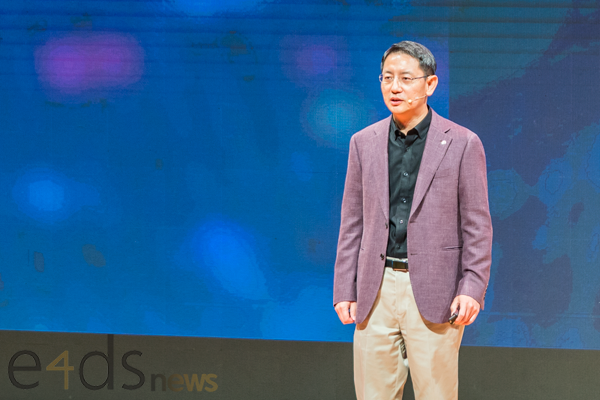
첫 기조연설 연사로 나선 LG전자 이상용 센터장은 ‘모빌리티의 변화에 따른 산업 동향과 진화 방향’을 주제로 변화하는 자동차 산업 현황과 한국이 나아가야 할 방향에 대해 논의했다.
전자산업계에서 주목하는 모빌리티 시장
기조연설을 시작하며 “현재 전자산업계에선 커넥티비티가 주요 이슈이며, 타사 제품과 연동이 되어야 하기에 LG전자는 오픈 플랫폼을 지향하고 있다”고 밝힌 이상용 센터장은 최신 커넥티드 카 트렌드를 하나하나 짚었다.
지금도 많이 팔리고 있지만, 자동차는 주차장에 주차된 채로 대부분의 시간을 보낸다. 주행 시에도 꽉 막힌 도로 탓에 오도 가도 못한 채 매연만 뿜어내고, 운전자는 차 안에서 지루한 시간을 보낸다. 이런 상황에서 차량 가치의 전통적 척도였던 가속력과 배기량은 의미가 없어지고 있다.
자동차는 이제 연결되어(Connected) 자율주행(Autonomous)하며 공유(Shared)되는 전기차(Electric)로 변화하고 있다. 이런 변화는 미래가 아니라 현실이다.
전보다 규모는 작아졌지만, 올해 프랑크푸르트 국제모터쇼는 마이크로소프트, IBM과 같은 전통적 IT 업체들이 하나의 전시관을 장악했다. 또한 글로벌 자동차 OEM들은 다양한 전기차와 커넥티드 서비스를 선보였고, 다양한 업체들이 각종 모빌리티 서비스를 공개하고 이동수단의 효율적 운영에 대한 다양한 시도도 이어졌다.
현재 자동차 시장에선 자동차산업계와 전자산업계에 속한 기업들이 서로의 영역으로 자신들의 역량을 확장하기 위해 치열한 각축전을 벌이고 있다.
연결된 자동차를 구현하는 V2X 기술
커넥티드 카는 주변 사물과 연결된다. 따라서 자동차 자체 센서만으로 감지할 수 없는 위험을 미리 감지한다. 또한 자동차는 주변 도로 상황을 스마트시티로 실시간 전달한다. 스마트시티는 날씨 등 다양한 환경변수까지 활용해 교통 혼잡도를 예상하고 흐름을 효율적으로 조절할 수 있다.
이를 가능하게 하는 커넥티비티 기술이 V2X(Vehicle-to Everything)다. 현재 V2X는 Wi-Fi를 사용하는 DSRC(Dedicated Short Range Communication) 기술과 LTE, 5G 등 이동통신을 사용하는 C-V2X 방식이 경쟁 중이며, 두 기술을 융합한 하이브리드 기술도 나오고 있다.

V2X의 확산으로 자동차는 대량의 데이터를 고속으로 전송해야 하는 과제를 안게 됐다. 여기엔 안테나, 패킷 패키징, 이더넷, E&E 아키텍처 기술이 필요하다.
보안 역시 중요하다. 해킹을 막기 위한 실시간 상태 점검, 네트워크 보호, 침입 방지, 메시지 암호화 등의 기술이 필요하다. 해커가 주행에 개입할 수 없도록 주행기능 네트워크와 편의기능 네트워크를 분리하려는 움직임도 있다.
관제와 자율주행, 차량 공유 서비스의 미래 열쇠
차량 공유 서비스는 수요와 공급을 실시간으로 매칭하여 대중교통의 불편을 줄일 수 있는 잠재력을 갖고 있다. 잠재력으로 인해 차량 공유 시장의 성장세는 급격하다. 2025년엔 237조, 2040년에는 3500조로 연간 100% 성장이 예상된다. 투자금은 매년 2배씩 늘고 있다.
장밋빛 미래가 저절로 보장되는 것은 아니다. 현재 공유 차량은 같은 거리를 이동할 시 택시보다 싸고 소유 차량보다 비싸다. 우버는 지난 2분기에 6조원 이상의 손실을 기록했다. 업체의 난립으로 경쟁이 심화되고 있으며 공유 차량이 늘수록 공유 차량 운전기사의 급여도 늘어나기 때문이다. 관제 기술과 자율주행 기술이 필요한 이유다.
관제 기술은 수요와 공급을 더욱 빠르게 매칭할 것이다. 차량 내 각종 센서로 차량 내 청결 상태도 점검할 것이며, 차량 내 디스플레이로 이용자의 쇼핑 및 업무를 돕는 등 새로운 부가가치 창출도 가능할 것이다.
자율주행 기술은 자동차 OEM, IT 기업 등 다양한 업체들이 협업하여 개발 중이다. 자율주행 기술이 상용화되기 위해선 기술적 난제도 해결해야 하지만 기술외적 난제도 해결해야 한다. 가령 자율주행 시 발생한 사고의 책임 주체를 누구로 볼 지에 대한 것 등을 말이다. 국제자동차기술자협회(SAE)는 포드, GM, 토요타 등 유력 자동차 OEM들과 협업해 자율주행차량 안전 컨소시엄을 구성하여 법 제정을 이끄는데 협력하고 있다.
변화하는 모빌리티 시장에서 살아남으려면
센서는 자율주행의 핵심요소지만, 그럼에도 센서만으로는 한계가 있다. 자율주행을 위해선 센서가 미리 인지할 수 없는 도로 상황을 앞서가는 차량이나 도시 인프라를 통해서 사전에 알아야 한다.
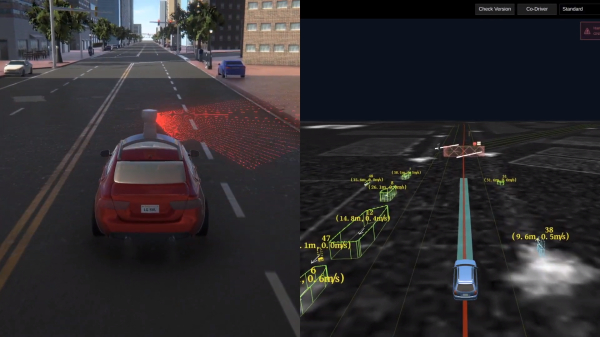
센서와 시스템의 숫자가 많아지고 있으며, 시간과 공간, 그리고 상황의 제약 때문에 모든 테스트를 도로에서 할 수는 없다. LG전자는 ‘LGSVL 시뮬레이터’를 각종 차량 관련 업체에 배포하여 기술 개발을 돕고 있다.
자동차가 처음 등장한 1886년 이래 자동차 산업은 일대 전환기를 맞이하고 있다. 자동차는 이제 소유하는 것이 아니라 공유하는 것이 되고 있다. 커넥티드 카는 이동 서비스, 부가 서비스를 창출하여 수익을 높일 것이다. 부품이 줄어든 전기차는 신규 사업자의 진입을 쉽게 할 것이며, 자율주행차량을 구현하는 복잡한 기술력은 소프트웨어 중심의 경쟁력을 요구할 것이다.
이상용 센터장은 기조연설을 마치면서 “향후 10년간 커넥티비티와 AI 기술의 발전은 모든 영역의 정보 흐름을 융합하여 거대한 변화를 이끌어낼 것”이라며 “이 변화는 범위가 광대하여 특정 회사가 모든 기술과 서비스를 제공할 수 없기 때문에 파트너십을 얼마나 잘 활용할 수 있는 지에 따라 기업의 경쟁력이 갈릴 것”이라고 강조했다.
Comments
Related news

The automotive semiconductor market is rapidly growing in the era of autonomous driving.
The number of semiconductors used in a single automobile was approximately 300 units in 2010, but it is projected that approximately 2,000 semiconductors will be required by 2022 when Level 3 and above autonomous vehicles begin full-scale commercialization. The automotive semiconductor market is expected to grow at an average annual rate of 12.5% over the five-year period through 2021, and the market size is anticipated to reach approximately $58.5 billion by 2023. For Korea to secure a position in the automotive semiconductor market, cooperation among OEMs, Tier 1 and 2 suppliers, semiconductor companies, and ICT firms is necessary to objectively understand and address the rapidly changing technological environment and regulatory barriers.
2019.09.23by 이수민 기자

Infineon to Integrate Synopsys IP-Based AI Accelerator 'PPU' into AURIX Automotive MCUs
AI and neural networks are essential components for autonomous driving applications such as object classification, target tracking, and path planning. They also optimize various automotive applications, reducing ECU system costs while improving performance and shortening development time. Infineon Technologies announced that it is collaborating with Synopsys to support AI-based solutions with next-generation automotive MCUs. The next-generation Infineon AURIX MCU will be integrated with a high-performance AI accelerator PPU that adopts Synopsys' DesignWare ARC EV processor IP.
2019.09.24by 최인영 기자
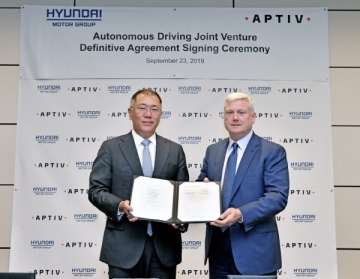
Hyundai Motor to Complete Level 4/5 Autonomous Driving with Aptiv in 2022
Hyundai Motor has concluded a joint venture agreement with Aptiv, which ranks 3rd globally in autonomous driving technology, to develop autonomous driving levels 4 and 5. Through this move, the Hyundai Motor Group, which previously ranked 15th in comprehensive autonomous vehicle technology rankings, will rapidly ascend to 4th place. The joint venture, which will commence with each party holding a 50% stake, is expected to intensify competition in autonomous driving among global automakers.
2019.09.25by 명세환 기자
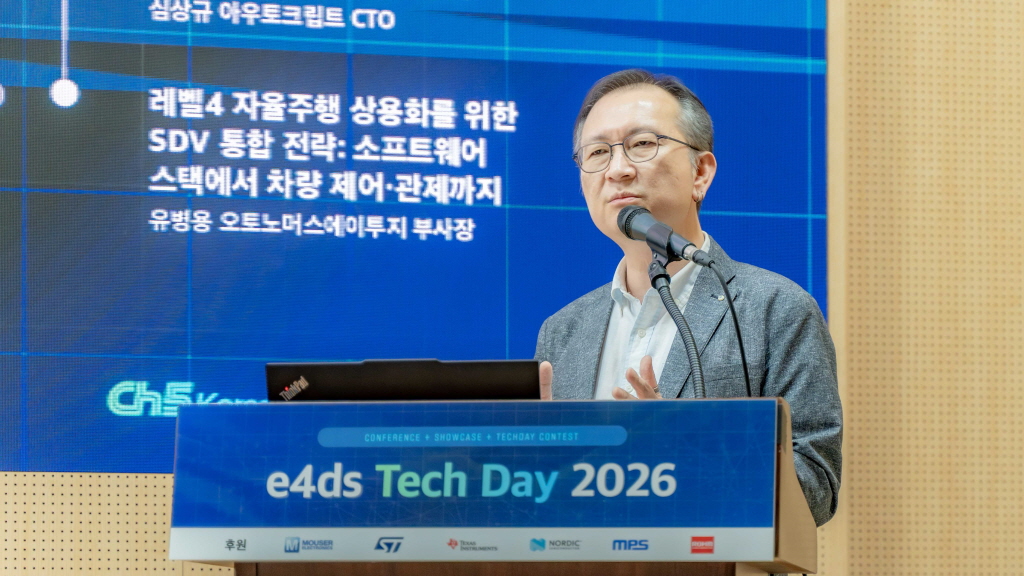
[e4ds Tech Day 2026 ⑨] Sim Sang-gyu, Autocrypt CTO: "In the Physical AI Era, Automotive Security Must Extend Beyond the Vehicle"
At e4ds Tech Day 2026, Sim Sang-gyu, CTO of Autocrypt, explained automotive cybersecurity strategies in the era of Physical AI and SDV (Software-Defined Vehicle). Automobiles are evolving as part of an ecosystem connected to AI, cloud, chargers, IoT, and robots, and he emphasized that the scope of security must expand beyond the vehicle interior to the entire connected environment. In particular, AI model tampering, adversarial attacks, OTA updates, and EV charger hacking were identified as major threats. He explained that response measures require zero trust, AI model integrity protection, intrusion detection, Security by Design and Default, and full lifecycle security management, and that proactive security system establishment beyond regulatory compliance is critical for securing future mobility competitiveness.
2026.10.12by 배종인 기자

Practical HIL Construction Strategy for Automotive and Off-Highway Controller Validation
As vehicle E/E architecture transitions to zonal structures and shifts to software-defined vehicles (SDV), the number of controllers (ECUs) requiring validation and software complexity are surging dramatically. Meanwhile, real vehicle testing cannot provide repeated verification under identical conditions and entails lead time and safety concerns. This white paper explains the principles of HIL (Hardware-in-the-Loop) validation and the structure of the NI platform composed of PXI, SLSC, and VeriStand, and through two actual implementation cases—Camera Record & Replay HIL for In-Cabin Monitoring Controller (ICMU) and Forklift Controller (VCU) HILS—describes how controller-level regression testing becomes possible. Additionally, it explicitly states application boundaries and limitations, such as lack of A2B support.
2026.10.12by 편집부











