


Factory Intelligence Requires HMIs That Present Optimized Data
 Published2020.04.13 11:23
HMI, 인간의 스마트팩토리 운용 돕는 도구
작업자에게 최적기에 최적화 데이터 수신해야
제조업은 대한민국 산업의 중추로, 국내 GDP의 30%가량을 담당하고 있다. 제조업의 지속적인 성장을 위해서 정부는 2022년까지 스마트팩토리 3만 개를 보급하겠다고 선언했다.
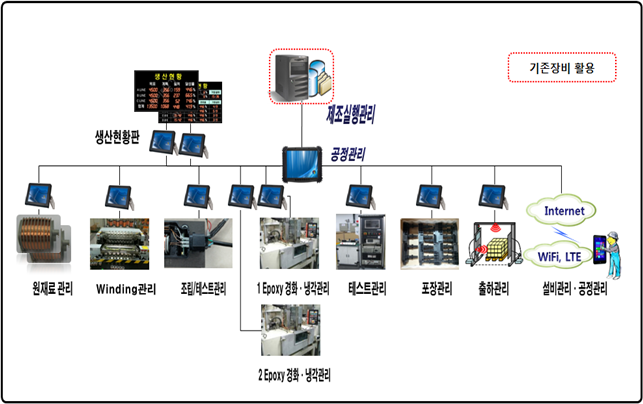
스마트팩토리는 디지털 솔루션을 결합한 ICT 기술을 생산 과정에 적용하여 생산성, 품질, 고객 만족도를 높인 지능화 공장을 일컫는 말로 공장의 미래라고 할 수 있다.
지능화 공장에서 운영되는 모든 기기는 표준화된 데이터 모델에 기반하여 실시간으로 공유되고 상호제어 되어야 한다.
이를 위해서는 실시간으로 수집된 데이터들을 분석하여 수요 예측, 자원 관리, 예지 보전, 문제 발생 회피, 통제・운영상의 문제 등을 분석할 수 있는 도구가 필요하다.
작업자가 공장 내 데이터를 최대한 많이 수집하고 분석할수록 신속한 의사결정이 가능해지므로 생산성이 늘어나는 것은 사실이다. 그러나 공장에서 생성되는 데이터양은 날로 증가하는 반면, 인간의 데이터 처리 능력에는 한계가 존재한다.
AI 기술이 꾸준히 발전하고 있지만, 의사결정의 몫은 여전히 인간에게 있다. HMI(Human-Machine Interface)는 인간을 기계, 시스템 또는 장치에 연결하는 작업자 인터페이스로, 공장 운영자 및 관리자가 최적의 시간에 최적화된 정보를 수신하도록 한다.

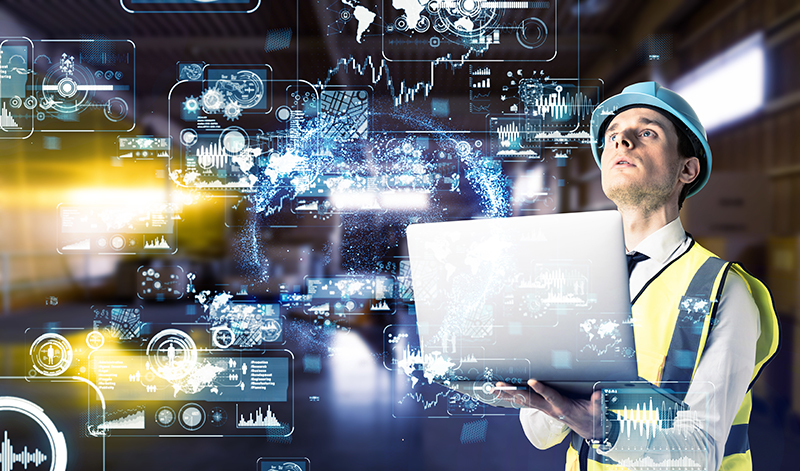
지능화 공장은 언제나 인간의 제어가 필요하며 HMI는 그를 위해 다양한 디바이스와 네트워크를 잇는다.
슈나이더 일렉트릭의 ‘Pro-face HMI Centric 솔루션’은 HMI를 운영 터미널로 사용하는 것에서 그치지 않는다. 다양한 디바이스와 네트워크, 프로토콜을 지원하는 연결성을 활용하고 OT와 IT 사이의 정보를 상위 시스템의 게이트웨이로 배치함으로써 작업자가 데이터를 완전히 활용할 수 있도록 지원한다.
슈나이더 일렉트릭 자동화 사업부에서 근무하는 최민지 매니저에게 HMI Centric 솔루션의 정의와 역할, 그리고 활용 가능성에 관해 물었다.
Q. ‘HMI Centric’이란 정확히 어떤 개념입니까? 슈나이더 일렉트릭이 지향하는 HMI를 활용한 OT/IT 제어 콘셉트입니까? 아니면 솔루션을 칭하는 것입니까?
A. HMI Centric은 슈나이더 일렉트릭의 HMI를 이용한 OT/IT 제어 콘셉트와 여러 확장 솔루션 모두를 칭하는 것입니다. 가령 오래된 공장 혹은 각각 다른 브랜드의 디바이스들과 네트워크들을 슈나이더 일렉트릭의 HMI 제품군을 이용하여 제어하는 것을 HMI Centric이라고 부를 수 있습니다.
Q. HMI Centric의 이점을 활용한 스마트 모터보호 및 정보감시 솔루션을 보면 슈나이더 일렉트릭의 M262, EOCR, ION9000T 등이 사용됩니다. 각각의 디바이스가 모터보호를 구현하기 위해 어떤 역할을 합니까?
A. 스마트 모터보호 및 정보감시 솔루션은 먼저 슈나이더 일렉트릭의 EOCR-iSEM과 같은 EOCR(Electronic OverCurrent Relay)을 통해 전압 및 전력량을 계측하면서 장비에 설치된 각 모터의 에너지를 모니터링합니다. 또한, EOCR에 장착된 온습도 센서로 배전반이나 제어반 등의 판넬 내부의 온습도를 감시하여 과열과 화재로부터 모터를 보호합니다.
디지털 미터인 ION9000T는 트랜지언트(Transient)를 정밀하게 분석하여 높은 샘플링 비율을 통한 상세한 사고파형을 제공합니다. 이는 사용자가 제품 수명을 단축하는 트랜지언트를 감지하고 분석하여 신속하게 대응할 수 있도록 지원합니다.
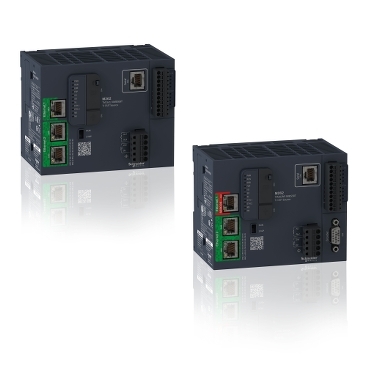
PLC인 M262는 이더넷 통신을 통해 EOCR을 최대 64개까지 접속하여 모터보호 정보를 송수신할 수 있으며, 이러한 일괄 정보를 사용자가 모니터링할 수 있는 감시 기기로 기능할 수 있습니다. 또한, 클라우드와 연결할 수 있는 IIoT 게이트웨이가 기본으로 내장되어 있어 공간과 비용도 절감할 수 있습니다.
Q. 트랜지언트를 정밀하게 감지하고 분석하는 기능인 HSTC(High-speed transient capture) 기능은 어떤 기능이고 어떻게 구현됩니까?
A. 트랜지언트는 과도현상을 칭하는 말인데, 아주 짧은 순간 전압이 공칭전압의 130% 이상 상승하는 경우, 전력기기의 수명을 단축하는 손상을 입힐 수 있습니다. ION9000T는 트랜지언트를 놓치지 않고 정밀하게 계측할 수 있습니다. 한 사이클 당 20만 번의 샘플링(10MHz)을 통해 트랜지언트 파형을 정밀하게 분석 가능합니다.
Q. 모터 정보를 IT 레벨로 전달할 때 사용하는 네트워크의 종류는 무엇입니까?
A. IT 레벨 연결을 위해 슈나이더 일렉트릭은 클라우드 프로토콜을 제공합니다. 제품에 따라 OPC-UA와 DA, MQTT 등의 드라이버를 제공하고 MS SQL, 오라클 등의 수많은 데이터베이스와 연결 가능합니다.
[사진=슈나이더 일렉트릭]
Q. 스마트 모터보호 및 정보감시 솔루션과 같은 HMI Centric 솔루션의 디바이스의 구성은 고정적입니까? 고객의 요구에 따라 변경이 가능한 부분입니까?
A. 고객사 맞춤 변경이 가능합니다. 단, 슈나이더 일렉트릭 에코스트럭처 플랫폼을 기반으로 제품구성, 호환성 테스트 등이 제공되어야 신뢰성 높은 기능을 사용할 수 있습니다. 따라서 슈나이더 일렉트릭 솔루션 일체를 적용하는 것을 제안 드립니다.
Q. 스마트 모터보호 및 정보감시 솔루션 등을 구축하고 유지하는 데 있어 슈나이더 일렉트릭은 어떤 서비스를 제공합니까?
A. 해당 솔루션에 적용된 하드웨어, 소프트웨어에 대한 일체의 통합서비스 검증 및 고객사에서 편리한 운영을 위해 필요한 가이드 일체를 제공합니다.
Q. HMI Centric 솔루션이 특히 적합할 분야가 있다면 말씀해주십시오.
A. 정유, 해양조선, 빌딩, 화학, 반도체, 자동차 등 많은 산업 분야 전반에 적용할 것으로 예상하며, 특히 IoT와 5G, AI를 통한 스마트 자동화를 위해 많은 기술적 고도화를 요구하는 반도체 분야, 그리고 자율주행차를 위한 자동차 분야, 그리고 화학 분야가 이 솔루션에 더 적합할 것으로 보입니다.
Comments
Related news
Rockwell Expands 'Control & Visualization' Portfolio with Acquisition of ASEM
Rockwell Automation has concluded an acquisition agreement with Asem, an Italian company. Asem is a digital automation technology supplier that provides a full range of IPC, HMI hardware and software, remote access, and IIoT gateway solutions. Through this acquisition agreement, Rockwell will also acquire Asem's minority stake held by Germany's KEB Group. Rockwell stated that through this acquisition, it will expand its control and visualization hardware and software portfolio.
2020.02.19by 이수민 기자
"Evolving HMI, remote monitoring with smartphone"
Unlike the past when operators had to physically move around to review and record process progress, the emergence of HMI has significantly reduced costs incurred by information gaps and human errors within factories. As HMI has evolved alongside advances in smartphones and cloud technology, enabling remote monitoring, its applicability continues to expand.
2020.03.23by 이수민 기자
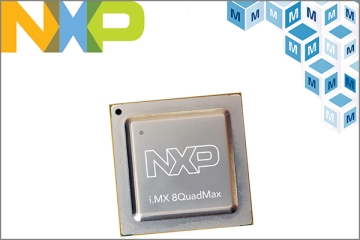
Mouser to Supply Two NXP Chips Ideal for IVI, HMI, and HUD Applications
Mouser Electronics announced that it supplies NXP Semiconductor's i.MX 8QuadMax and 8QuadPlus application processors. These two multicore application processors, which support rapid multi-OS platform development through full-chip hardware-based virtualization and domain protection, are suitable for applications such as in-vehicle infotainment, human-machine interface and control, head-up display, machine vision, and tracking devices.
2020.04.03by 이수민 기자
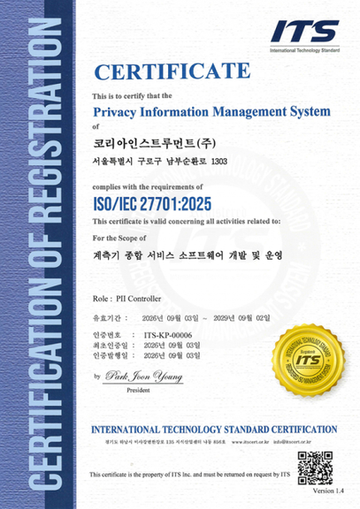
Korea Instrument, KOLAS Accredited Calibration Agency First to Simultaneously Acquire ISO/IEC 27,001·27,701
Korea Instrument has become the first among KOLAS accredited calibration agencies to simultaneously acquire ISO/IEC 27,001 and ISO/IEC 27,701 certifications. Through its proprietary platforms CWIZ Enterprise and CWIZ Partners, the company has embedded information security and personal data protection requirements across all business processes including customer information, equipment data, and calibration reports, with plans to continuously advance its management system through regular audits and security inspections.
2026.10.12by 배종인 기자

TeamViewer One, IT Incident Automation Workflow and Resolution Center Enhanced
TeamViewer has added IT incident automation capabilities and an advanced Resolution Center to its integrated digital workplace management platform 'TeamViewer ONE'. Recurrent service disruptions, configuration errors, and capacity shortages are automatically handled according to preset policies, and device status verification through script deployment can be managed in a unified interface, significantly reducing repetitive tasks for IT teams.
2026.10.12by 배종인 기자











