



GitLab Completes Integration of Fuzzing Solutions, Strengthening DevSecOps Capabilities
 Published2020.12.03 15:15
Fuzz testing, unlike SAST or DAST, uses known CVEs.
Find security vulnerabilities specific to unidentified applications
There is growing interest in digital security. If security software developers can see the results of scanning such as fuzz testing before completing coding work, they can immediately identify what security flaws have occurred without having to figure out where the vulnerability occurred and what role it played.
GitLab announced on the 3rd that the integration work with Peach Tech and Fuzzit, which it acquired in June, has been completed.
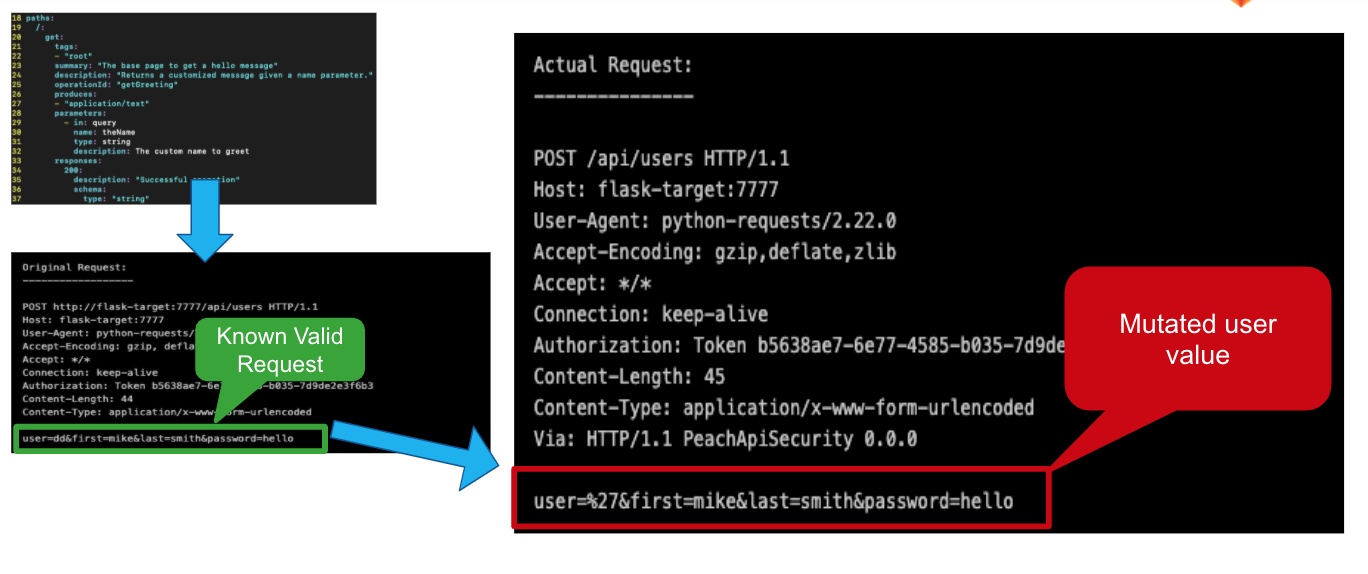
We've secured fuzz testing technology [Image = GitLab]
Peach Tech is a security software company that provides protocol fuzz testing and DAST (Dynamic Application Security Testing) API testing, while Fuzzit is a continuous fuzz testing solution company that provides coverage-guided testing.
This integration gives GitLab users access to features like continuous fuzzing, coverage-guided fuzz testing, and web API fuzz testing, all while delivering results directly to developers as they iterate on their code.
Fuzz testing can complement other forms of application security testing, such as Static Application Security Testing (SAST) and DAST. While SAST and DAST find known vulnerabilities, fuzz testing finds application-specific vulnerabilities that are not identified by known Common Vulnerability Exposures (CVEs).
“Security can no longer be viewed as a separate step outside of the DevOps process,” said David DeSanto, GitLab’s director of security and protection phase products. “By integrating fuzzing technologies, GitLab makes it easy for development and security teams to merge coverage guidance and API fuzz testing techniques early in software development.”
“Developers can easily apply best DevSecOps practices and identify which security vulnerabilities are created in code commits,” he said. “This allows them to work closely with security officers to reduce security risks across the enterprise.”
All GitLab scanning, including fuzzing, DAST, SAST, dependency scanning, container scanning, secrets detection, and license compliance, is readily available within your CI pipeline, eliminating the need for complex APIs and plugins.
GitLab plans to accelerate innovation with its acquired fuzzing IP through an integrated approach, as well as add replay capabilities to DAST to easily reproduce how vulnerabilities arise and improve the fidelity of SAST capabilities based on fuzz testing results.
Specifically for fuzz testing, we plan to extend fuzz testing to cover additional use cases beyond web applications and APIs, or add configuration options for users who want to customize their fuzz testing.
Comments
Related news
GitLab Holds First Korea Forum to Unify DevOps Solutions
GitLab held its first press briefing since entering the Korean market last year, unveiling its plans and aspirations for the market. GitLab has implemented the entire DevSecOps lifecycle in a single application. Currently, enterprise customers across various sectors including IT, finance, insurance, and petroleum refining are using GitLab's products to perform software development and deployment, as well as real-time monitoring.
2020.07.01by 이수민 기자
GitLab Acquires CNCF Kubernetes Service Provider Certification
Recently, an increasing number of enterprises are adopting Kubernetes, and DevOps teams are leveraging Kubernetes to automate their operations. However, gaps in container management and orchestration technology capabilities still exist across enterprises. In response, GitLab has obtained certification as a Kubernetes Certified Service Provider from the CNCF and is launching full-scale support initiatives.
2020.09.11by 명세환 기자
How to establish a remote work system that will remain effective even in the post-COVID era?
GitLab, which was already the world's largest fully remote-work company before COVID-19 emerged, shared its remote work expertise and experience with Korean companies. GitLab demonstrated that remote workers can collaborate through collaboration software, video conferencing platforms, and shared documents.
2020.10.16by 이수민 기자
.jpg)
SalePoint Signs Multi-Year Partnership Agreement with AWS… Promoting Identity Security that Integrates Even AI Agents
Sailpoint has entered into a multi-year strategic partnership agreement with AWS and is moving forward with establishing an integrated governance system that manages both human and non-human identities together. The plan is to consistently manage access permissions in an environment where AI agents are increasing as work execution entities, while applying the principle of least privilege and automated policy enforcement. The two companies plan to jointly expand capabilities to manage the identities of various entities, including AI agents, within a single layer in the AWS environment. This collaboration is interpreted as a move to design security and governance together in corporate environments where AI adoption is expanding.
2026.03.26by 배종인 기자
.png)
Databricks Unveils Open AI Security Monitoring 'Lakewatch'
Databricks entered the security market on March 24 by unveiling LakeWatch, an open-source agentic SIEM. The core functionality of this product is to integrate and analyze security, IT, and business data in a single environment to support AI-based threat detection and investigation. The company explained that it reduces the limitations of existing security operations centers, which have had to forgo some data due to high cost structures, and enables large-scale data analysis and automation based on open formats and ecosystems. LakeWatch is currently offered as a private preview, with Adobe and Dropbox mentioned as early customers. Databricks also announced an expanded partnership with Anthropic as well as the acquisition of Antimatter and SiftD.ai.
2026.03.26by 배종인 기자











