



China to take first place in global autonomous driving market within 3 years
 Published2022.05.26 11:56
5G 기지국·데이터 센터·AI 등에 약 1,887조원 투자
하나금융투자는 중국이 강한 정책 드라이브와 대규모 투자로 자율주행 기술 선진 국가와의 격차를 줄였으며 2025년 글로벌 1위 자율주행 시장으로 성장할 것이라고 전망했다.
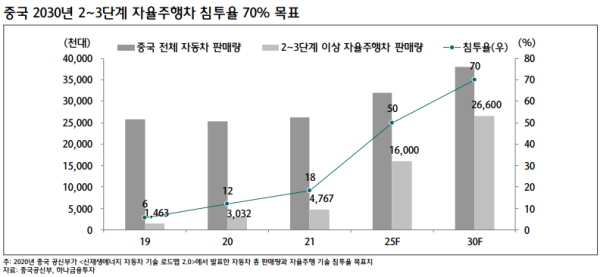
▲중국은 2030년 2~3단계 자율주행차 침투율을 70%로 높일 것이라는 목표를 발표했다. (출처: 하나금융투자)
중국의 2~3단계 자율차 판매대수는 2025년과 2030년 현재보다 각각 3배, 6배 증가할 것으로 예상되고, 중국 완성차 업체들은 2022년 3단계 상용화, 2025년 이후 4~5단계 상용화도 염두에 두고 있다.
미국은 개별 주정부 법안은 있으나, 안전과 보안을 문제로 연방 정부에서는 법안이 아직 통과되지 않았다.
반면 중국은 빠르게 법안을 제정해 주행 테스트, 인프라, 표준화 작업 등 자율주행 전반에 대한 가이드라인을 제시했다.
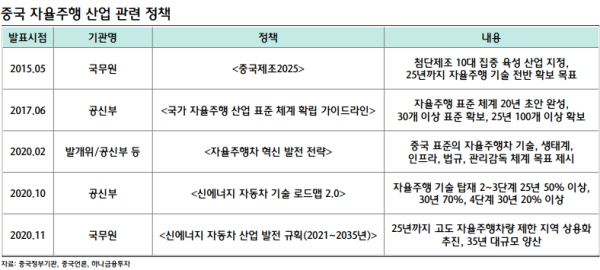
▲중국 자율주행 산업 관련 정책 (출처: 하나금융투자)
2017년 발표한 ‘국가 자율주행 산업 표준 체계 확립’ 정책에는 2020년에 자율주행 표준 체계 초안을 완성하고, 30개 이상의 표준을 확보하고, 2025년에는 100개 이상 확보하겠다는 내용이 담겼다. 이어 2020년 ‘신에너지 자동차 산업 발전 규획(2021~2035년)’ 정책에 의하면 2025년까지 자율주행차량 제한 지역 상용화를 추진하고, 대규모 양산에 돌입할 것으로 보인다.
신속한 제도 마련의 뒤에는 적극적 재정 지원과 투자가 있다. 2016~2019년 사이 중앙정부가 지원하는 국부펀드가 2,000억달러 이상에 달하며 지방정부 특수목적채권을 합하면 더 많을 것으로 예상된다. 또, 2025년까지 5G 기지국, 데이터 센터, AI 등에 10조위안(한화 약 1,887조원)을 투자한다.
도로주행 테스트의 경우도 중국은 약 70개의 자율주행 시범기지에서 테스트를 하고 있다. 로보택시 업체들은 2018년 말부터 테스트를 시작했으며 2021년 상용화 서비스를 시작했다. 2020년부터 바이두, 오토엑스, 포니 등 주요 기업은 5단계 수준 무인 주행 테스트도 진행 중이다.
특히 바이두는 주행 테스트 규모와 기술력, 자금력 측면에서 모두 스타트업 기업을 크게 앞서고 있다. 대규모 투자를 통해 기술 우위를 확보하고, 파트너십도 확장 중이다. 현재 수익화 초기 단계지만 협력업체 증가, 자율주행차 양산, 로보택시 상용화로 본격적인 수익화가 전망된다.
바이두는 지난해 보조기사 한 명을 태운 자율주행 택시 운영 허가를 받아 베이징에서 시범운행을 진행한 바 있으며 2022년에는 보조기사 없이 감독원만 탑승한 택시 시범 운행을 허가 받았다.
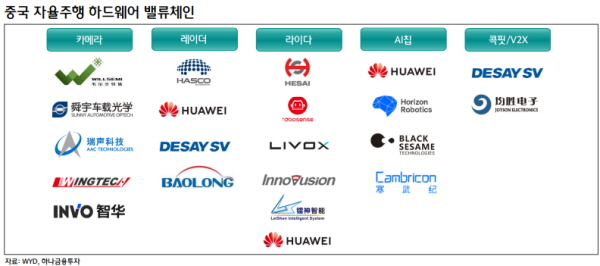
▲중국 자율주행 하드웨어 밸류체인 (출처: 하나금융투자)
중국이 자율주행 시장에서 1위를 차지할 것이라는 예상을 뒷받침하는 근거 중 하나는 AI칩과 센서들의 국산화다. 이미 경쟁력과 기술력을 갖춘 기업들이 자율주행 센서와 AI칩 시장에 자리 잡았다는 평가다.
중국 라이다 기업의 기술력과 저렴한 가격으로 2020년 이후 자국 내 제품을 채택하기 시작했고, 양산 단계에 들어서도 안정적인 공급망 확보를 위해 로컬 라이다를 탑재할 가능성이 높다.
샤오펑, 니오와 같은 스타트업의 성장세도 주목할 만하다. 샤오펑은 엔비디아의 자율주행 컴퓨팅 플랫폼을 기반으로 ‘인지-판단-제어’ 주행 알고리즘을 자체 개발했고, 니오와 리오토는 2022년 내에 ‘인지’ 알고리즘 개발을 완료할 예정이다.
포니닷에이아이는 중국 자율주행 기업 최초로 광저우시에서 자율주행차 100대를 택시로 운영할 수 있는 영업 면허를 취득했다. 24개월 동안 100만km에 달하는 테스트와 광저우의 시험 구역 내 20만km 테스트를 거치는 동안 교통사고는 한 건도 없었으며 중국 검사 기관의 요건과 기준을 충족했다.
Comments
Related news

From Jeju Airport to Jungmun by self-driving car
From the second half of 2022, it appears that autonomous vehicles will be able to traverse Jeju Island end-to-end.
2022.05.24by 성유창 기자
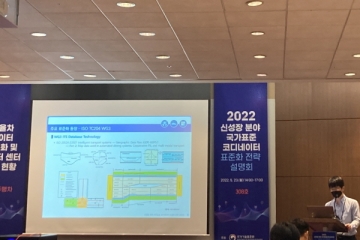
"We will actively seek input from industry, academia, and research on standardizing autonomous driving data."
The National Institute of Standards and Technology and the Korean Standards Association held the '2022 Emerging Growth Fields National Standards Coordinator Standardization Strategy Briefing' at COEX on the 23rd, and shared major technologies and standardization issues by national standards coordinators for six key sectors in new industries.
2022.05.24by 성유창 기자
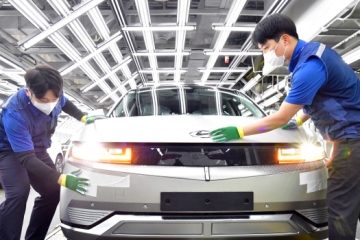
Hyundai Motor invests large budget in electric vehicles, autonomous driving, etc.
Hyundai Motor, Kia, and Hyundai Mobis (hereinafter "the three companies") announced on the 24th that they will focus on advancing future technologies including electrification and eco-friendly business—which are core to future growth—as well as connectivity, autonomous driving, and mobility.
2022.05.25by 성유창 기자
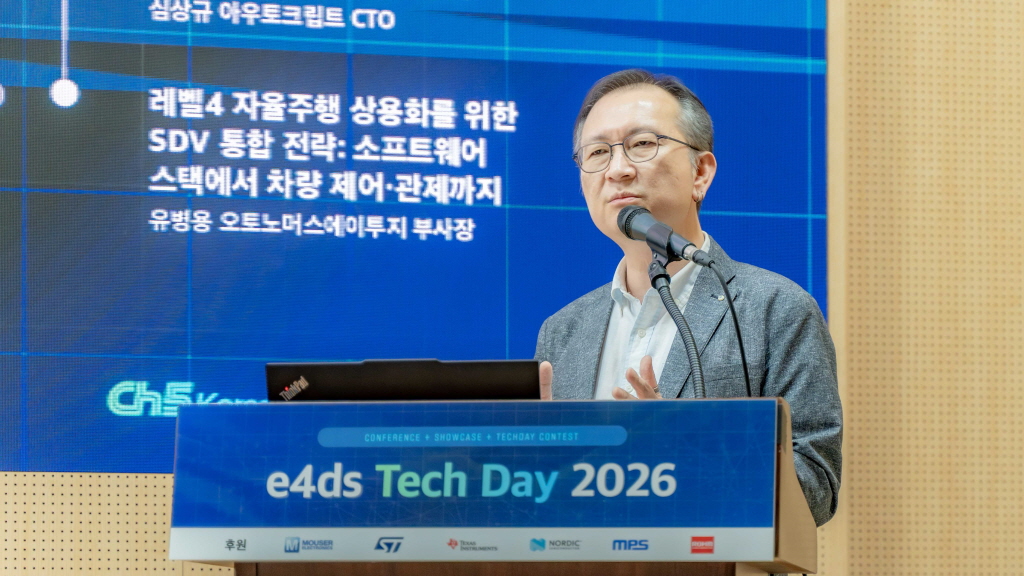
[e4ds Tech Day 2026 ⑨] Sim Sang-gyu, Autocrypt CTO: "In the Physical AI Era, Automotive Security Must Extend Beyond the Vehicle"
At e4ds Tech Day 2026, Sim Sang-gyu, CTO of Autocrypt, explained automotive cybersecurity strategies in the era of Physical AI and SDV (Software-Defined Vehicle). Automobiles are evolving as part of an ecosystem connected to AI, cloud, chargers, IoT, and robots, and he emphasized that the scope of security must expand beyond the vehicle interior to the entire connected environment. In particular, AI model tampering, adversarial attacks, OTA updates, and EV charger hacking were identified as major threats. He explained that response measures require zero trust, AI model integrity protection, intrusion detection, Security by Design and Default, and full lifecycle security management, and that proactive security system establishment beyond regulatory compliance is critical for securing future mobility competitiveness.
2026.10.12by 배종인 기자

Practical HIL Construction Strategy for Automotive and Off-Highway Controller Validation
As vehicle E/E architecture transitions to zonal structures and shifts to software-defined vehicles (SDV), the number of controllers (ECUs) requiring validation and software complexity are surging dramatically. Meanwhile, real vehicle testing cannot provide repeated verification under identical conditions and entails lead time and safety concerns. This white paper explains the principles of HIL (Hardware-in-the-Loop) validation and the structure of the NI platform composed of PXI, SLSC, and VeriStand, and through two actual implementation cases—Camera Record & Replay HIL for In-Cabin Monitoring Controller (ICMU) and Forklift Controller (VCU) HILS—describes how controller-level regression testing becomes possible. Additionally, it explicitly states application boundaries and limitations, such as lack of A2B support.
2026.10.12by 편집부











