


ETRI Develops Domestic Microgrid for International Standard Approval
 Published2022.06.17 11:25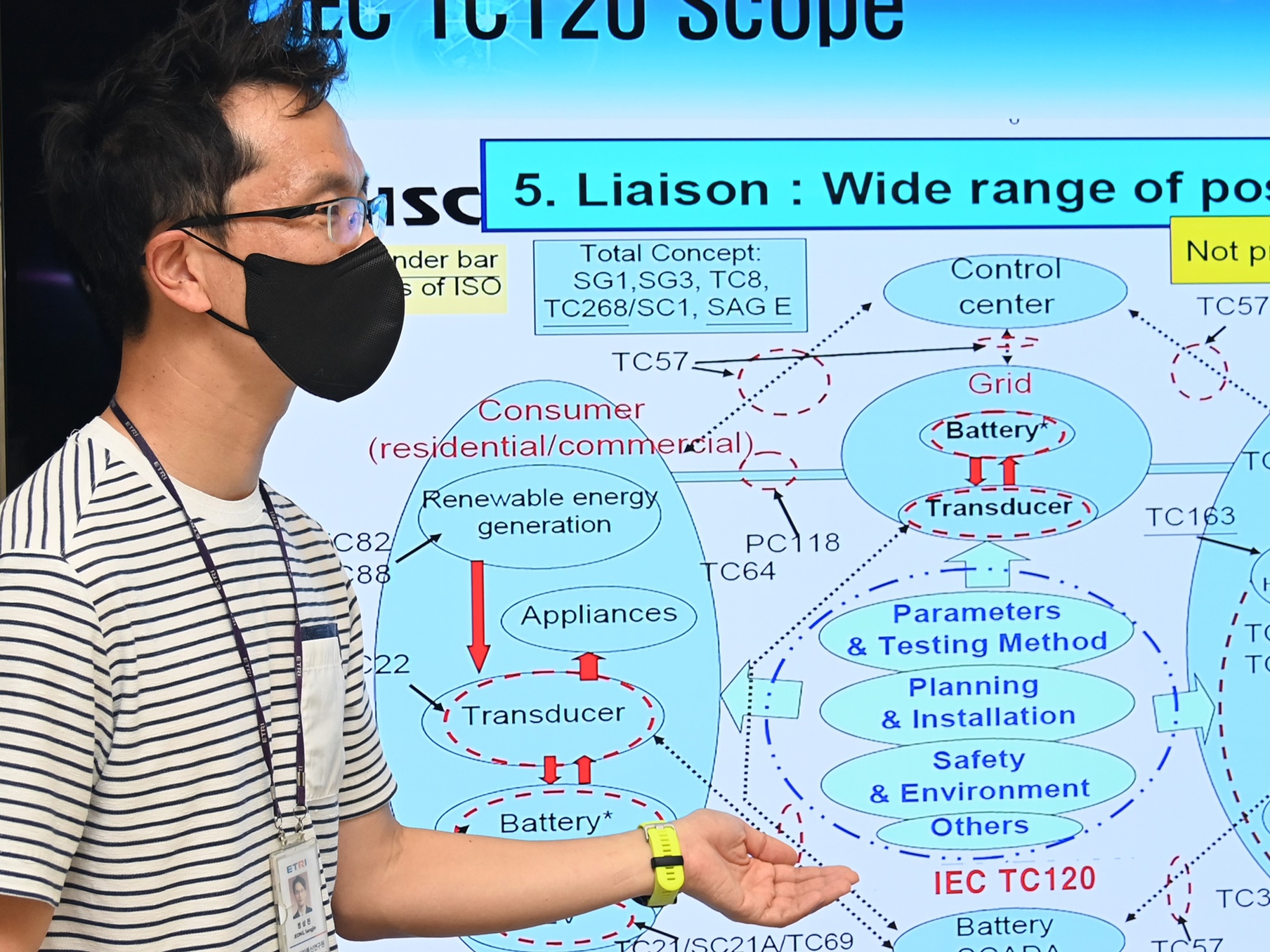
Microgrid core system... IEC international standard approved
Prevention of energy overproduction, expected efficient energy utilization
Domestic researchers are taking a step closer to realizing carbon neutrality by establishing an international standard for microgrid technology developed through ICT convergence, thereby creating a stable and efficient energy utilization system.
The Electronics and Telecommunications Research Institute (ETRI) announced on the 15th that two international standards for Energy Storage Systems (ESS) and Demand Response (DR) technologies, which are key elements of microgrid systems, were approved by the International Electrotechnical Commission (IEC) Technical Committee.
This is the first time that an IEC international standard for energy storage technology has been developed and approved under Korea's leadership.
A microgrid is a small-scale smart grid that is a small-scale power system independent from a large-scale power system. Equipped with power consumers, energy sources, energy storage devices, and energy management systems, it enables self-operation and allows for connection with large-scale power systems, making it increasingly important for realizing carbon neutrality.
This international standard consists of two items: the definition of requirements and use cases for utilizing energy storage devices for power demand management and emergency power, and the definition of a demand response (DR)-based energy management system for industrial facilities such as factories.
Among the key components of a microgrid, energy storage devices store generated energy and discharge it during periods when power generation is not occurring or usage is high, thereby maintaining a constant power generation rate.
The research team stated that to promote the adoption of energy storage devices, they analyzed the structure of currently used diesel generator-based emergency power systems, developed requirements and guidelines for application to energy storage-based systems, and had them approved as international standards.
It is expected to prevent the waste of excess energy produced and enable stable and efficient energy utilization, thereby anticipating a carbon reduction effect compared to existing methods.
Factories with high power consumption require specialized industrial energy management systems, and to implement them, standardization of interfaces between smart grids and manufacturers is necessary.
The research team announced that they have developed a standard for energy management systems for industrial facilities linked to microgrids by predicting demand response using data such as power consumption patterns and regional power supply plans. Manufacturers are expected to be able to efficiently manage electricity rates and power demand.
"Kang Shin-gak, Head of the Standards Research Division at ETRI, said, 'The development of carbon-neutral technologies is actively underway worldwide to respond to climate change.'" "We consider it a very meaningful achievement that international standards for microgrid technology, which are essential for realizing carbon neutrality, have been developed and approved under the leadership of domestic researchers. We will strive to contribute to the intelligence and efficiency of the power market by integrating this with smart grids in the future," he stated.
Comments
Related news
ETRI Creates a Metaverse Ecosystem
Domestic research teams are officially beginning development of standards and utilization guidelines for the metaverse sector.
2022.05.04by 김예지 기자
[ETRI Conference] Illegal Drones Caught with Remote Wireless Identification Technology
At the ETRI Conference 2022 held on the 24th-25th, 'Low-Altitude Small Drone Wireless Identification and Information Management Technology' was introduced.
2022.05.27by 김예지 기자
ETRI Accelerates Research on Safe Driving on Irregular Roads and Adverse Weather Conditions
The Electronics and Telecommunications Research Institute (hereinafter ETRI) unveiled "AutoVi" last year, completing preparations for a truly Level 4 autonomous vehicle era without a driver's seat. In 2022, efforts continue to showcase more advanced technology.
2022.05.31by 성유창 기자
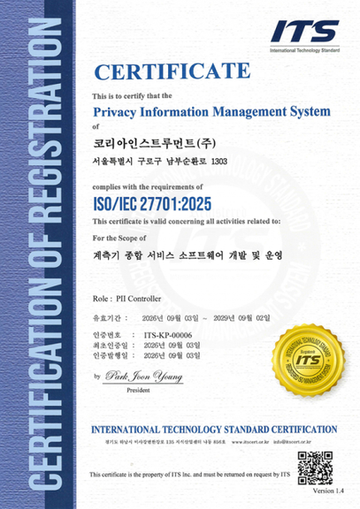
Korea Instrument, KOLAS Accredited Calibration Agency First to Simultaneously Acquire ISO/IEC 27,001·27,701
Korea Instrument has become the first among KOLAS accredited calibration agencies to simultaneously acquire ISO/IEC 27,001 and ISO/IEC 27,701 certifications. Through its proprietary platforms CWIZ Enterprise and CWIZ Partners, the company has embedded information security and personal data protection requirements across all business processes including customer information, equipment data, and calibration reports, with plans to continuously advance its management system through regular audits and security inspections.
2026.10.12by 배종인 기자
TeamViewer One, IT Incident Automation Workflow and Resolution Center Enhanced
TeamViewer has added IT incident automation capabilities and an advanced Resolution Center to its integrated digital workplace management platform 'TeamViewer ONE'. Recurrent service disruptions, configuration errors, and capacity shortages are automatically handled according to preset policies, and device status verification through script deployment can be managed in a unified interface, significantly reducing repetitive tasks for IT teams.
2026.10.12by 배종인 기자











