


Ministry of Land, Infrastructure and Transport supports future vehicle industry ecosystem in non-metropolitan areas
 Published2022.12.21 15:21
“미래차 산업과 연계하여 국가 균형발전 지원할 것”
국토교통부는 미래차 산업과 연계하여 국가 균형발전을 지원할 수 있도록 충청도와 광주광역시 등 지역에 자율차 테스트베드 및 친환경차 인증센터 등 미래차 산업 지원 인프라를 구축했다고 20일 밝혔다.
충북 청주에 ‘자율차 지역 테스트베드(C-Track)’, 광주광역시에 ‘친환경 자동차·부품 인증센터’, 충남 홍성에 ‘자동차부품 인증지원센터’가 각각 구축되어, 비수도권 지역의 미래차 산업 생태계를 더욱 두텁게 지원할 전망이다.
■ 자율차 지역 테스트베드(C-Track)
충북 청주에 구축한 ‘자율차 지역 테스트베드(C-Track)’는 비수도권 지역의 자율주행 기술개발 수요에 대응하여 중‧소규모 테스트베드를 확충하고, 지역 기업육성‧전문인력 양성을 통해 지역특화형 모빌리티 서비스 창출을 촉진하기 위하여 건립되었다.
.jpg)
▲ 충북 자율차 지역 테스트베드(C-Track) (그림출처: 국토교통부)
2019년에 공모를 통해 선정된 충청북도 지역 테스트베드 대상지는 충북대학교 오창캠퍼스와 중소‧새싹기업, 연구소 등 간의 유기적인 협력체계 구축이 가능한 테스트베드의 적지이며, 올 12월부터 시험운영을 거쳐 2023년 3월 정식 개소할 예정이다.
이번에 구축된 지역 테스트베드는 신호교차로‧보행자도로 등 필수적인 자율차 시험시설, 공사구간‧BRT 전용도로‧갓길주차구역 등 보다 다양한 도심환경을 재현하여 모빌리티 서비스 개발‧실증에 적합한 시험시설을 갖추었다.
아울러, 국내 자율주행 기술수준 향상에 맞추어 비포장로‧산악경사로‧주차구역 등 주행난이도가 높은 시험시설을 구축하고, 연구기관의 기술개발 편의를 고려하여 자율차 시험 중 차량 개조‧시스템 조정이 가능한 시험동도 구축하였다.
■ 친환경 자동차·부품 인증센터
광주광역시에 구축한 ‘친환경 자동차·부품 인증센터’는 친환경자동차 보급정책에 맞춰 친환경자동차 및 핵심 부품의 안전성 강화를 위한 법규 인증시험 인프라를 구축하기 위하여 건립되었다.

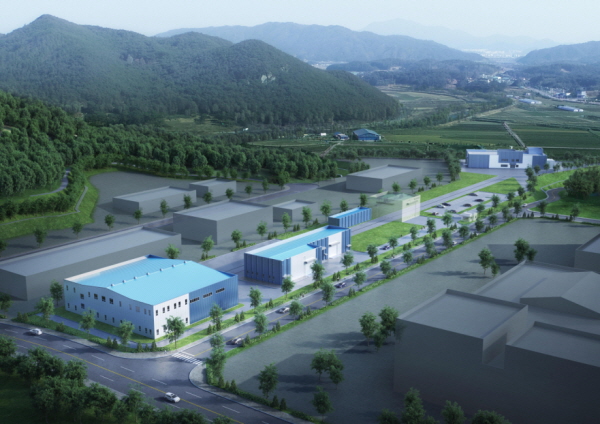
▲ 광주광역시 친환경 자동차·부품 인증센터 (그림출처: 국토교통부)
2019년 지방자치단체를 대상으로 센터 건립 후보지를 공모하여 광주광역시가 최종 선정되었으며, 올해 2월에 배터리 안전성 평가장비를 운영하여 58건 인증 지원을 하였고, 내년에는 실차단위 화재시험을 위한 화재시험챔버 및 충돌·충격 안전성 평가 장비도 설치하여 운영할 예정이다.
평가 시험 장비는 △배터리 안전성 평가장비 6종 △충돌 평가장비 11종 △충격 평가장비 6종 △화재재현장비 1종 △부대설비 2종이다.
이번에 구축된 ‘친환경 자동차·부품 인증센터’에서는 친환경 자동차 및 부품 관련 소규모 제작사 기술지원, 안전기준 연구, 화재 확산 방지 기술 개발 연구 등을 통하여 국내 제작사 기술 개발을 유도하고 있으며 광주광역시 내 친환경차 부품 관련 기업을 대상으로 평가 시험 항목 비용 일부를 지원(2022년 33건, 2.6억원)하는 등 지역 친환경차 부품 관련 기업 육성을 지원하고 있다.
■ 자동차부품 인증지원센터
충청남도 홍성군 내포신도시에 구축한 ‘자동차부품 인증지원센터’는 자동차 대체부품 인증제 도입(2015.1.) 이후 대체부품 개발·인증 지원 및 사후관리와 지역 자동차 부품 산업 지원을 위해 건립되었다.
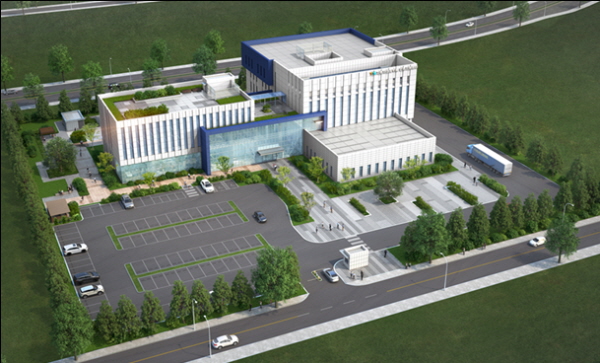
▲ 충남 홍성 자동차부품 인증지원센터 (그림출처: 국토교통부)
자동차 대체부품은 자동차 제조사에서 출고된 자동차의 부품과 성능·품질이 동일하거나 유사한 부품을 소비자가 안심하고 사용할 수 있도록 한국자동차부품협회에서 성능·품질을 심사하여 인증한 부품에 한한다.
2018년부터 사업을 시작하여 올해 2월에 건축물을 완공하여 사용승인을 받았으며, 내년에는 자동차 대체부품 개발·인증 지원 장비를 설치하여 운영할 예정이다.
평가 시험 장비는 △범퍼 등 외장부품 시험장비 14종 △등화부품 시험장비 11종 △브레이크디스크 등 기능성·소모성 부품 시험장비 33종 △제원측정 등을 위한 지원장비 5종이다.
이번에 구축된 ‘자동차부품 인증지원센터’에서는 인력과 기술력이 부족한 중소 부품업체에 대체부품 개발 및 인증 지원 등을 통하여 다양한 대체부품을 확보할 수 있는 기반을 마련하고, 대학·연구기관에 인증지원센터 인프라를 지원하고 대학원 교육과정(안전기준, 인증제도 등)에 센터 소속 기관의 전문가를 지원하는 등 지역 연구인력도 양성할 예정이다.
국토교통부 박지홍 자동차정책관은“지역별로 자동차 산업을 지원할 수 있는 테스트베드, 인증센터 구축으로 지역혁신 상생체계의 기반을 확보할 수 있게 될 것으로 기대한다”며 “앞으로도 미래 자동차 산업 육성을 위하여 지역 인프라 활용을 증대하고, 중소기업 상생을 위한 연구개발 기술 지원 등을 통해 공공가치 창출에도 앞장설 계획”이라고 밝혔다.
Comments
Related news

The Ministry of Land, Infrastructure and Transport is implementing autonomous driving test driver training.
The Ministry of Land, Infrastructure and Transport announced that it will implement the 'Autonomous Vehicle Traffic Safety Training Program' for the first time on November 3rd, targeting autonomous vehicle test drivers (safety supervisors) to prevent safety accidents resulting from autonomous vehicle test operations.
2022.11.02by 성유창 기자

Busan, Daejeon, and Iksan, North Jeolla Province, newly designated as autonomous vehicle pilot operation zones.
The Ministry of Land, Infrastructure and Transport announced that it has confirmed two new districts in Busan Osoria and Iksan City, as well as Daejeon Metropolitan City as an extension of the existing Chungcheong region (North Chungcheong and Sejong) district, as autonomous vehicle test operation districts through the 'Autonomous Vehicle Test Operation District Committee,' and plans to announce them through official notice in November.
2022.11.25by 성유창 기자

Disclosure of Initial Operational Performance Evaluation Results for Autonomous Vehicle Pilot Operation Districts
The Ministry of Land, Infrastructure and Transport announced that it will release evaluation results on December 16 for the operational performance of pilot operation districts introduced to promote the spread of autonomous vehicle services (targeting 7 districts including Seoul Sangam operated in 2021).
2022.12.15by 성유창 기자
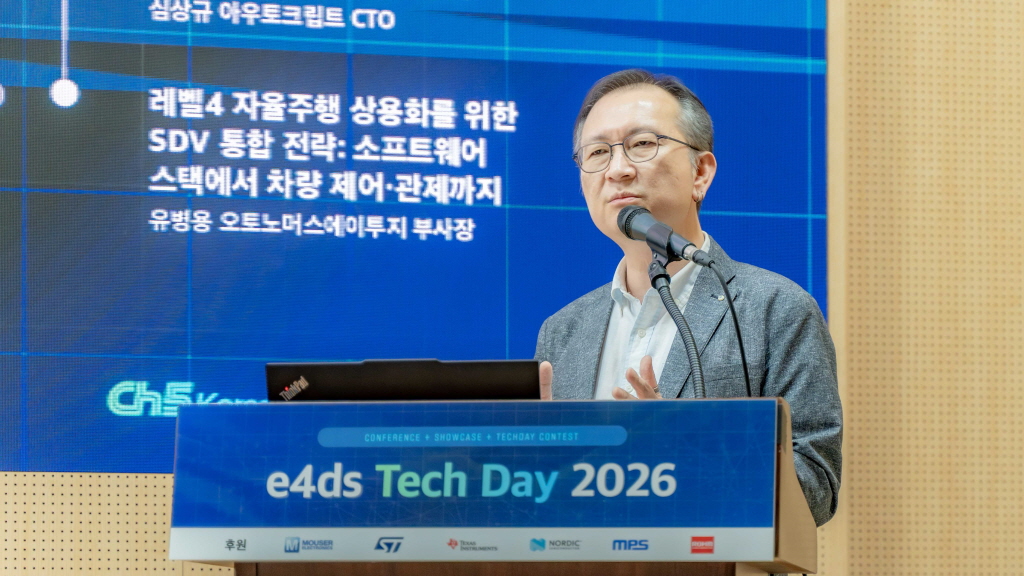
[e4ds Tech Day 2026 ⑨] Sim Sang-gyu, Autocrypt CTO: "In the Physical AI Era, Automotive Security Must Extend Beyond the Vehicle"
At e4ds Tech Day 2026, Sim Sang-gyu, CTO of Autocrypt, explained automotive cybersecurity strategies in the era of Physical AI and SDV (Software-Defined Vehicle). Automobiles are evolving as part of an ecosystem connected to AI, cloud, chargers, IoT, and robots, and he emphasized that the scope of security must expand beyond the vehicle interior to the entire connected environment. In particular, AI model tampering, adversarial attacks, OTA updates, and EV charger hacking were identified as major threats. He explained that response measures require zero trust, AI model integrity protection, intrusion detection, Security by Design and Default, and full lifecycle security management, and that proactive security system establishment beyond regulatory compliance is critical for securing future mobility competitiveness.
2026.10.12by 배종인 기자

Practical HIL Construction Strategy for Automotive and Off-Highway Controller Validation
As vehicle E/E architecture transitions to zonal structures and shifts to software-defined vehicles (SDV), the number of controllers (ECUs) requiring validation and software complexity are surging dramatically. Meanwhile, real vehicle testing cannot provide repeated verification under identical conditions and entails lead time and safety concerns. This white paper explains the principles of HIL (Hardware-in-the-Loop) validation and the structure of the NI platform composed of PXI, SLSC, and VeriStand, and through two actual implementation cases—Camera Record & Replay HIL for In-Cabin Monitoring Controller (ICMU) and Forklift Controller (VCU) HILS—describes how controller-level regression testing becomes possible. Additionally, it explicitly states application boundaries and limitations, such as lack of A2B support.
2026.10.12by 편집부











