



Matter 1.1 Unveiled: 'Enhanced IoT Device Support'
 Published2023.06.02 14:29
Power optimization and simplified device certification for meter-supported devices
1,135 devices registered so far... 1.2 to be released in the second half
The CSA has released updates to the Matter Standard version 1.1 after seven months. The main points of this update are improved support for IoT devices and simplified device certification.
The Connectivity Standards Alliance (CSA) announced on the 18th that it had released version 1.1 of Matter.
Matter is an open smart home interoperability standard and an IoT protocol for connectivity and interoperability between smart devices. As an open-source SDK publicly available to developers, Matter continues to evolve through collaborations with big tech companies including Google, Amazon, and Samsung.
Version 1.0, released last October, includes 30 to 40 products such as lighting, switches, plugs, lamps, blinds, and door locks. CSA announced that 1,135 Matter certified devices have been registered so far.

LG Smart TVs equipped with webOS 23 can be used in conjunction with Matte-supported devices.
According to the CSA blog, Matter version 1.1 has improved support for smart home IoT devices along with fixes for some SDK bugs.
Smart home IoT devices are battery-operated devices, so power optimization is essential. Matter 1.1 adds support to improve connectivity for 'Sleepy Devices (ICDs)' that require optimal operation and power saving.
The settings for the ICD have been changed to prevent it from switching to offline mode, addressing the issue where the door could be locked when the device is not in use.
In addition, this update enables device manufacturers and developers to deliver products to users more quickly by simplifying the certification of Matter-supported devices.
CSA announced that it has opened the Interoperability Testing Facility (ITF) for Matter products in Portland, Oregon.
The testing here aims to improve product quality and enhance the user experience. By expanding product lines from various brands, testing hubs and controllers in actual operating environments, and verifying the user experience, feedback can be provided to device, app, and platform manufacturers when configuring various networks. It also provides a test environment for Zigbee products.
Meanwhile, CSA aimed for two releases per year when version 1.0 was announced. It stated that the next update is scheduled for release at the end of this year.
If this update incorporates overall improvements based on developer requirements, it is expected that participation from home appliance manufacturers such as Samsung Electronics and LG Electronics will further expand in the future, including for robot vacuums, home appliances, and electric vehicle charging devices. Expansion into the IoT device sector for health and wellness is also anticipated.
Comments
Related news
TI Offers Matter-Enabled Wireless MCU Software
TI provides a software development kit supporting Matter on WiFi and Thread SimpleLink™ wireless microcontrollers (MCUs) that can simplify the adoption of the 'Matter' protocol in Internet of Things (IoT) applications.
2022.11.07by 김예지 기자
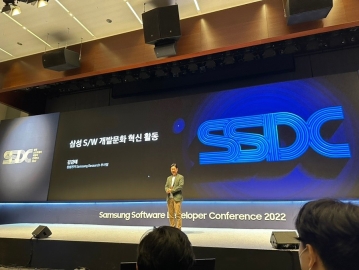
Samsung actively commercializing Matter
Samsung Electronics will host the "Samsung Software Developer Conference 2022 (SSDC)" for two days starting on the 15th at Samsung Electronics' Seocho headquarters and online.
2022.11.15by 김예지 기자
[Interview] Kim Hak-yong, Director of IoT Strategy Research Institute - “Matter Standard Changes the Smart Home Market Landscape”
Matter is an open-source smart home interoperability standard being developed by the Connectivity Standards Alliance (CSA), and is an IoT protocol created to improve connectivity and interoperability among smart devices. This publication interviewed Kim Hak-yong, Director of the IoT Strategy Research Institute, who is at the forefront of Matter standard research in the industry, to discuss the characteristics and current research status of the Matter standard, as well as its impact on the business ecosystem.
2023.03.16by 김예지 기자
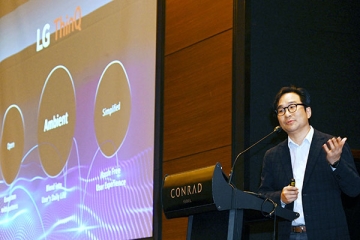
Korean Smart Home 'Matter' Standard Begins in Full Swing… Samsung and LG Actively
The Connectivity Standards Alliance (CSA), the global standards body for smart homes, will hold a regular meeting at the Conrad Hotel in Seoul from the 20th to the 23rd to discuss important technical topics for smart home implementation, including the Matter standard and data privacy. Samsung Electronics will participate in the event as a member company. Since the early stages of Matter standard development, Samsung Electronics has launched smart TVs, smart monitors, and SmartThings stations that support Matter. LG Electronics will also participate in the event as a member company, emphasizing evolution, connectivity, and openness as the vision for its smart home platform 'LG ThinQ'.
2023.03.20by 김예지 기자
.jpg)
Silicon Labs, “Full Stack Matter Standard Development”
Matter was designed to enable interoperability between smart home devices and platforms. Silicon Labs, an IoT specialist company, held a press briefing at the Conrad Hotel in Seoul on the 21st to share the current status of the Matter standard and introduce Silicon Labs' Matter development solution strategy.
2023.03.22by 김예지 기자











