



Autonomous production and a manufacturing data ecosystem are essential.
 Published2023.06.21 11:40
.jpg)
▲2023 자율생산 월드 콩그레스
2023AMWC, 자율생산 시스템 핵심기술 선
올해 고도화 중심·디지털 전환 추진사업 진행
제조 플랫폼 ‘KAMP’ 제조 데이터 거래소 운영
스마트공장의 최종 진화 형태인 ‘자율생산 시스템’을 구현하기 위한 방안으로 중소기업의 스마트팩토리 도입에 있어 제조 데이터 생태계의 중요성이 강조됐다.
'자율생산'이란 제조 현장의 생산설비를 다양한 기술과 융합해 디지털 엔지니어링으로 구현해 생산성 증대 및 유연성을 확보하게 하는 개념을 말한다.
스마트제조혁신추진단 안광현 단장은 “제조 현장에서 디지털 전환(DX)은 기본이 된 시대”며, “중소기업의 스마트공장 구축에 있어 데이터의 중요성을 강조하는 건 지나침이 없다”고 말했다.
또한 행사의 주제인 자율생산 시스템도 데이터가 핵심임을 강조하며, “스마트제조혁신추진단은 중소기업의 제조 데이터를 잘 정돈하게 하는 환경을 만들도록 구체적인 사업을 지원할 것”이라고 전했다.
스마트제조혁신추진단과 부산·대전·경남테크노파크 주관 및 중기부 후원의 ‘2023 자율생산 월드 콩그레스(Autonomous Manufacturing World Congress, AMWC)’가 20일부터 21일까지 양일간 코엑스 그랜드볼룸에서 열렸다.
이번 행사는 그간 ‘서울 국제 스마트공장 컨퍼런스&엑스포'에서 이름을 바꾼 것으로, AI·빅테이터·AR/XR·디지털 트윈·로봇 등 최신 기술을 중심으로 부스 전시와 6개 컨퍼런스 세션이 준비됐다.
스마트제조혁신추진단은 국내 중소기업의 제조혁신을 지원하고 스마트공장 구축을 총괄 지원한다. 주요 성과로 14~22년 동안 총 3만여 개 이상의 스마트공장을 보급한 바 있다.
스마트제조혁신추진단은 2023년 목표로 △민간이 주도하고, 정부가 함께하는 스마트 공장 구축 △체계적 사후관리 통한 부실 구축 예방을 삼고, 이를 위해 고도화 중심 추진사업과 디지털 전환 사업을 중점 과제로 두고 있다.
우리나라 스마트공장은 70% 이상이 기초 단계에 머물고 있다. 따라서 생산 과정 및 공정 단위에서의 스마트화를 넘어 AI 기반 분석 및 제어의 역할로 확장하는 것이 고도화의 주된 목적이라는 설명이다.
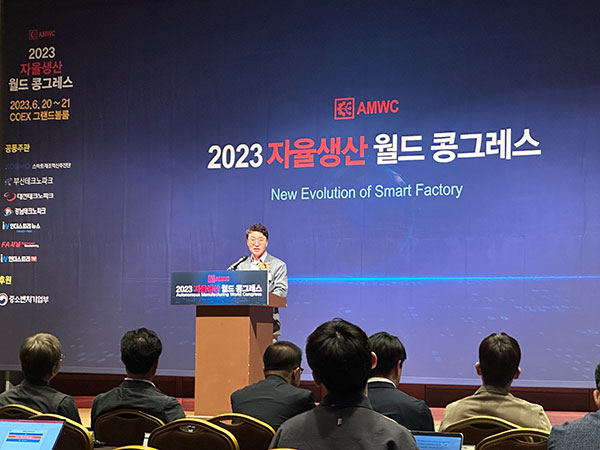
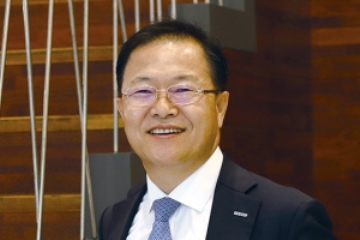
▲스마트제조혁신추진단 안광현 단장
디지털 전환 사업은 지속적으로 주요하게 추진되고 있다. 안 단장은 “올해는 AI 중심 데이터 생태계를 구축하는 사업을 진행하고, 이를 넘어 디지털 트윈으로 대변되는 메타버스 가상 제조 기술 사업을 진행하겠다”고 말했다.
스마트제조혁신추진단은 디지털 전환 사업으로 △거래 △교육 △컨설팅 △서비스형 소프트웨어(SaaS, as-a-Service) △메타버스 등 5개를 대주제로 삼았다.
제조 데이터는 시중의 교육, 의료, 교통 등 데이터와 다르게 쉽게 거래되지 못하는 어려움이 존재한다. 이에 스마트제조혁신추진단은 제조 데이터가 그 자체로 사업화 기능을 수행할 수 있도록 실증 사업의 기반을 마련해 마중물 역할을 하겠다고 주장했다.
스마트제조혁신추진단은 ‘인공지능 중소벤처 제조 플랫폼(KAMP)’에 거래 시스템을 연결해 제조 데이터 거래소를 운영, 컨설팅을 지원한다. 데이터 소유자와 수요자는 서로 연결되며, 데이터 소유자 즉, 각 중소기업은 공유 가능 데이터를 플랫폼 상에 올려 거래를 진행할 수 있다.
KAMP 플랫폼은 소유자에게 데이터 가공 지원을 하고, 수요자의 데이터 구매 지원을 돕는다. 중소기업의 데이터를 클라우드에 올릴 수 있도록 정리하는 ‘가공 절차’를 돕기 위해 스마트제조혁신추진단은 내달 안으로 지원 대상 기업을 선정할 예정이다. 또한 데이터 수요자에게는 바우처를 지급해 무상 수준으로 데이터를 공유 받아 활용할 수 있도록 지원한다.
교육 분야 추진사업으로는 AI 기반 스마트 제조인력 양성이 핵심 골자다. 중소기업은 AI를 실제 산업에 접목하기 어려운 것이 현실이다. 스마트제조혁신추진단은 컨설턴트를 구성해 각 기업에 파견을 보내 제조 현장에서의 실질적 도움을 제공한다. 예컨대 제조 데이터 촉진자 양성, AI 등 6개월 교육 과정을 개설해 실제 현장에서 유용한 지식을 쌓도록 지원한다.
정부는 클라우드 기반 스마트공장 구축을 지속 강조하고 있다. 클라우드 기반 스마트팩토리는 온프레미스로 존재하던 프로그램들을 SaaS로써 클라우드에 올려 공장 설비 변경 및 이전 등 유연한 대응을 가능케 하는 장점이 있다.
스마트제조혁신추진단은 AI 솔루션 등을 포함하는 목적 기반의 SaaS를 클라우드·패키지 형태로 제공하는 실증 사업으로 업종별 중소기업 경쟁력을 높이겠다고 주장했다. 이는 올해 7월 관련 내용을 공개될 예정이다.
안 단장은 “올해 스마트제조혁신추진단은 디지털 전환을 통해 데이터와 기술이 연결되는 하나의 생태계를 구축하는 실증 사업을 완료할 것”이며, “내년부터 27년까지 4년 동안 국내 중장기 스마트 제조혁신의 전략을 수립하고 있으며 올해 안으로 소개할 것”이라고 덧붙였다.
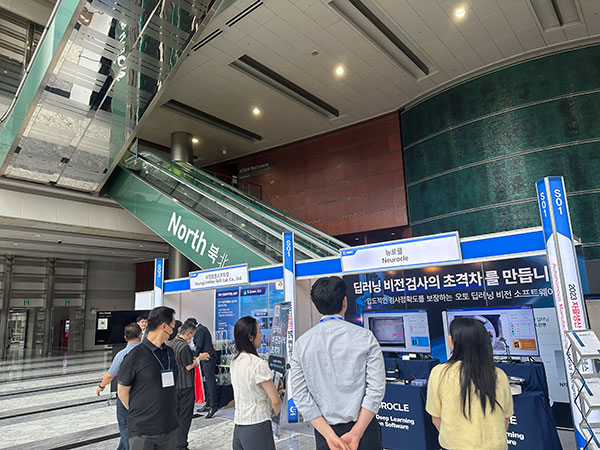
▲2023 자율생산 월드 콩그레스 부스 전경
한편 이날 행사에서는 마키나락스, 미쓰비시전기오토메이션, 테크스퀘어, 인이지, 뉴로클, 영림원소프트랩 등 참가기업들이 AI, XR, 디지털 트윈 등 솔루션 전시부스를 마련했다.
중기부 이청일 제조혁신과장은 “자율생산까지 오기를 변화를 직접 보고 제조 트렌드를 조망해볼 수 있는 유익한 행사”며, “우리나라 경쟁력의 버팀목 역할을 해오는 제조업의 혁신을 위해 그간 성과를 바탕으로 새로운 성장 디딤돌 되도록 중기부가 최선을 다하겠다”고 말했다.
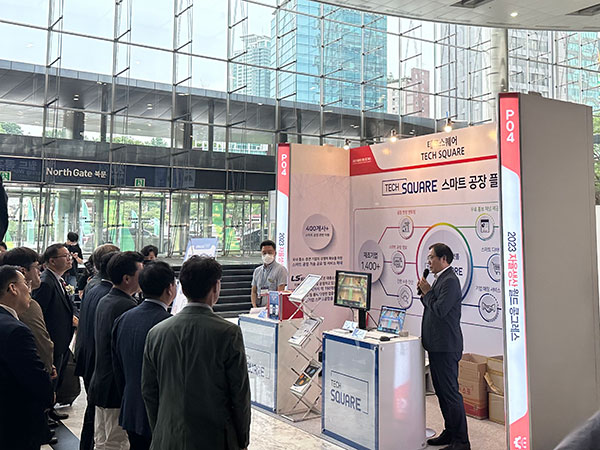
▲2023 자율생산 월드 콩그레스 부스 전경
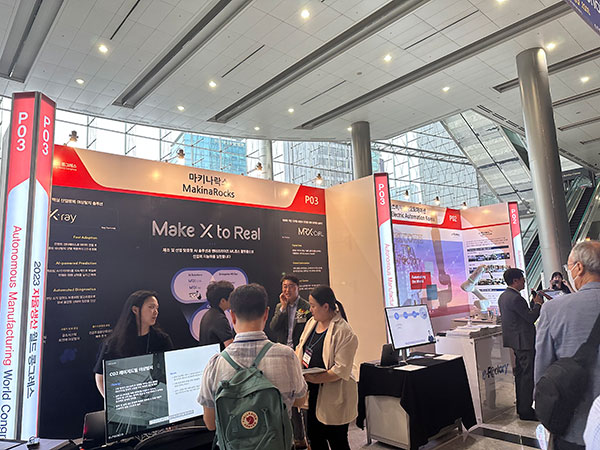
▲2023 자율생산 월드 콩그레스 부스 전경
(사진=김예지 기자)
Comments
Related news
146.2 billion won in support for smart factory advancement
The Small and Medium-Sized Enterprises and Startups Division will implement an integrated announcement for the 'Smart Manufacturing Innovation Support Project' with a total budget of 146.2 billion won on the 9th of this year.
2023.01.10by 김예지 기자
[2023 Automation World] Industrial Digital Transformation at a Glance
A record-breaking 500 companies participated in the '2023 Smart Factory & Automation Industry Exhibition (hereinafter Automation World)', where industry stakeholders could encounter digital transformation trends all in one place, marking the largest scale in its history.
2023.03.08by 성유창 기자
Rockwell Automation, "Realizing Digital Transformation Through OT/IT Convergence"
Rockwell Automation announced its participation in the 'Smart Factory & Automation Industry Expo 2023' being held at COEX from the 8th to the 10th. On the opening day of the 8th, it held a press briefing introducing Rockwell Automation's solutions for smart factory construction and digital transformation.
2023.03.08by 김예지 기자
.jpg)
[2023 IIoT Innovation DAY] Chairman Park Han-koo, “Responding to Carbon Regulations by Building Cloud-Based Smart Factories”
Park Han-goo, Honorary Chairman of the Korea Industry 4.0 Association and former director of the Smart Manufacturing Innovation Promotion Group, discussed global trends undergoing rapid change, this year's outlook, and response strategies at the '2023 IIoT Innovation DAY' seminar held by e4ds news in March.
2023.04.04by 김예지 기자
[Contribution] “Data Standardization Management, Achieving Digital Transformation Centered on SMEs”
Park Han-gu, Honorary Chairman of the Korea Industry 4.0 Association, presents methods for a major transformation toward a small and medium-sized enterprise-centered digital economy over the next 50 years. Small and medium-sized enterprises must practice digital transformation by collecting and storing data in international standard-based data formats, and creating value through mutual interconnection between enterprises and across countries based on this data. He shared methods for establishing utilization systems that enable data storage generated within enterprises as well as inter-enterprise data communication and sales. Park Han-gu, Honorary Chairman of the Korea Industry 4.0 Association, argues that standardized data models for each piece of equipment are necessary to create value based on stored data. Moving forward, to achieve net-zero, the global economy is heading toward a trend where digital product passports must be issued in a standardized data format during exports and imports between countries, enabling connection between national systems and information provision.
2023.04.26by 김예지 기자











