
 피지컬 인텔리전스 기술 스택 부상…로봇 ‘현실 대응형 시스템’ 전환
 기사입력2026.05.27 13:26
인공지능(AI) 기술이 디지털 환경을 넘어 물리적 세계로 확장되면서 로봇을 실제 환경에서 작동하는 지능형 시스템으로 전환하는 ‘피지컬 인텔리전스’ 개념이 부각되고 있다. 센서부터 AI 모델, 제어 시스템, 시뮬레이션까지 통합된 기술 구조가 핵심으로 제시되며 산업 자동화의 새로운 기술 기반으로 논의되고 있다.

댓글
관련 뉴스
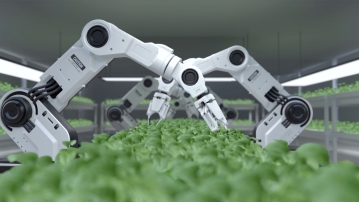
[Serial Project] Physical AI: Redefining the Future of Industry ①, "The Success of Physical AI Depends on the Design of Interactions Between Humans and Intelligent Machines."
While conventional AI has focused on inference and generation within digital data, Physical AI acts and responds directly in the real world through sensors, edge computing, robots, and control systems. The implementation of Physical AI can significantly advance industrial innovation and automation since AI directly acts and solves problems in the real world, interacting directly with the physical environment. Accordingly, global companies including NVIDIA, Tesla, and Google are making massive investments in Physical AI, and the related market is expected to grow explosively. To implement such Physical AI, perception technologies including sensors, edge computing and embedded systems for local computing to process real-time data, as well as robotics and control technologies are essential. In response, e4ds news has prepared a series of articles to examine core technologies and implementation strategies ranging from the concept of Physical AI to market outlook, related technologies, and practical cases.
2025.10.20by 배종인 기자
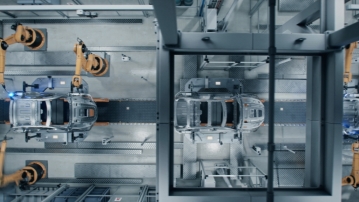
[Serial Feature] Physical AI: Redefining the Future of Industry ②, "The 'Physical AI Market' Will Become a $1 Trillion Ecosystem by 2030."
According to some experts, 'Physical AI' is projected to become the greatest revolution in human history, surpassing the Industrial Revolution. While it will have significant impacts on society, culture, and economy, since we cannot predict the entirety of these effects, from an economic perspective, citing forecasts from global market research institutions, Physical AI is expected to establish itself as a key driving force that will reshape industrial structures, with the market reaching approximately one trillion dollars by 2030. Below is an examination of the Physical AI market size by industrial sector.
2025.10.27by 명세환 기자
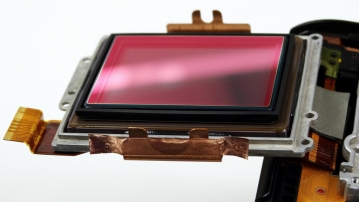
[Serial Project] Physical AI: Redefining the Future of Industry ③, "Physical AI Sensors: A Key to Physical AI Competitiveness"
While conventional AI has focused on reasoning and generation within digital data, Physical AI directly acts and responds in the real world through sensors, edge computing, robots, and control systems. The implementation of Physical AI can greatly advance industrial innovation and automation since AI directly acts and solves problems in the real world, interacting directly with the physical environment. Accordingly, global companies including Nvidia, Tesla, and Google are making substantial investments in Physical AI, and the related market is expected to grow explosively. To implement such Physical AI, perception technologies including sensors, edge computing and embedded systems for local computation to process real-time data, as well as robotics and control technologies are essential. In response, e4ds news has prepared a series of planning articles to examine the core technologies and implementation strategies of Physical AI, ranging from its concepts to market prospects, related technologies, and practical cases. This edition covers sensors, which are the sensory organs of Physical AI.
2025.11.11by 명세환 기자
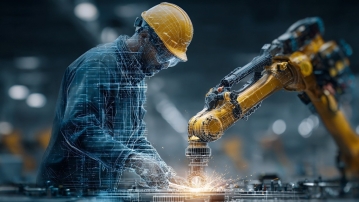
[Serial Feature] Physical AI: Redefining the Future of Industry ④, "Physical AI Emerges as a Key to Bridging the Automation Gap"
As the era of 'Physical AI,' where artificial intelligence directly interacts with the physical world, arrives, the manufacturing and logistics industries are experiencing the first wave of change, while Physical AI is rapidly emerging as a key solution to bridge the automation gap between large and small-to-medium enterprises.
2025.11.24by 배종인 기자

[Special Feature] Physical AI, Redrawing the Future of Industry ⑤, “'Integrated Operating Systems' as the Key Battleground”
Nvidia, leading the charge, along with major countries including South Korea, is actively advancing development and standardization efforts to secure an Integrated Operating System, recognized as a key driver in the widespread adoption of Physical AI.
2025.12.01by 명세환 기자