


Group-IB Discovers NFC Relay Malware 'WindRelay'
 Published2026.09.02 09:23
SpyNote RAT 연동해 13분 통화 중 대출·카드 정보 동시 탈취
이후 확보한 원격 접근 권한으로 WindRelay를 피해자 모르게 추가 설치한 뒤, 같은 13분 통화 내에 피해자 명의 대출 신청과 카드 NFC 데이터 실시간 중계를 동시에 진행했다.
피해자가 카드를 한 번 탭하고 PIN을 입력하는 순간 탈취한 데이터가 원격 가짜 단말기로 전송돼 현금 인출이 이뤄진 것으로 전해진다.
Group-IB 연구진이 WindRelay의 권한을 분석한 결과, △NFC 카드 데이터 캡처 △실시간 데이터 유출을 위한 인터넷 접근 △추가 표적 확보용 연락처 접근 △시스템 검사 △보안 도구 탐지 회피용 맞춤형 권한이 포함된 것으로 확인됐다.
의도적으로 설계된 공격 툴킷이라는 분석이다.
2025년 11월부터 2026년 7월 사이 체코·슬로바키아·슬로베니아에서 바이러스토탈(VirusTotal)에 업로드된 악성 샘플 23개와 명령·제어(C&C) 서버 4개 간의 연관성이 확인됐다.
독립적인 텔레메트리 데이터에 따르면 2026년 1~4월 안드로이드 기기 대상 NFC 기반 공격은 전년 동기 대비 188% 증가한 것으로 나타났다.
구체적으로 △화면 공유 탐지에만 의존하지 말고 통화 중 설치되는 사이드로드 앱·접근성 서비스 악용 등 RAT 지표 모니터링 강화 △공식 앱 마켓 외부 앱 설치를 독립적 위험 신호로 설정 △대출 지급과 동시에 발생하는 카드 대면 거래 상관 분석 도입을 권고했다고 밝혔다.

Comments
Related news

Group-IB Supplies Threat Intelligence Solution to AWS Marketplace
Group-IB is registering and supplying an adversary-centric threat intelligence solution on the AWS Marketplace. Through the AI-based integrated platform 'Prevyn AI', it automatically analyzes stolen credentials, dark web activities, and APT threats, and can be easily adopted through AWS's existing payment system. Following the acquisition of AWS Financial Software Competency, this represents an expansion of supply channels and supports security teams in establishing proactive threat response systems.
2026.08.26by 명세환 기자

OpenAI shares AI cybersecurity defense strategy with domestic corporate CISOs
OpenAI introduced AI-based cybersecurity defense strategies to approximately 60 CISOs from domestic companies. The company presented an approach that automates the entire process from vulnerability discovery to remediation using integrated defense solutions Daybreak and Defense Factory while maintaining human oversight. The message emphasized that cybersecurity in the AI era should be treated as a critical business priority.
2026.10.16by 배종인 기자
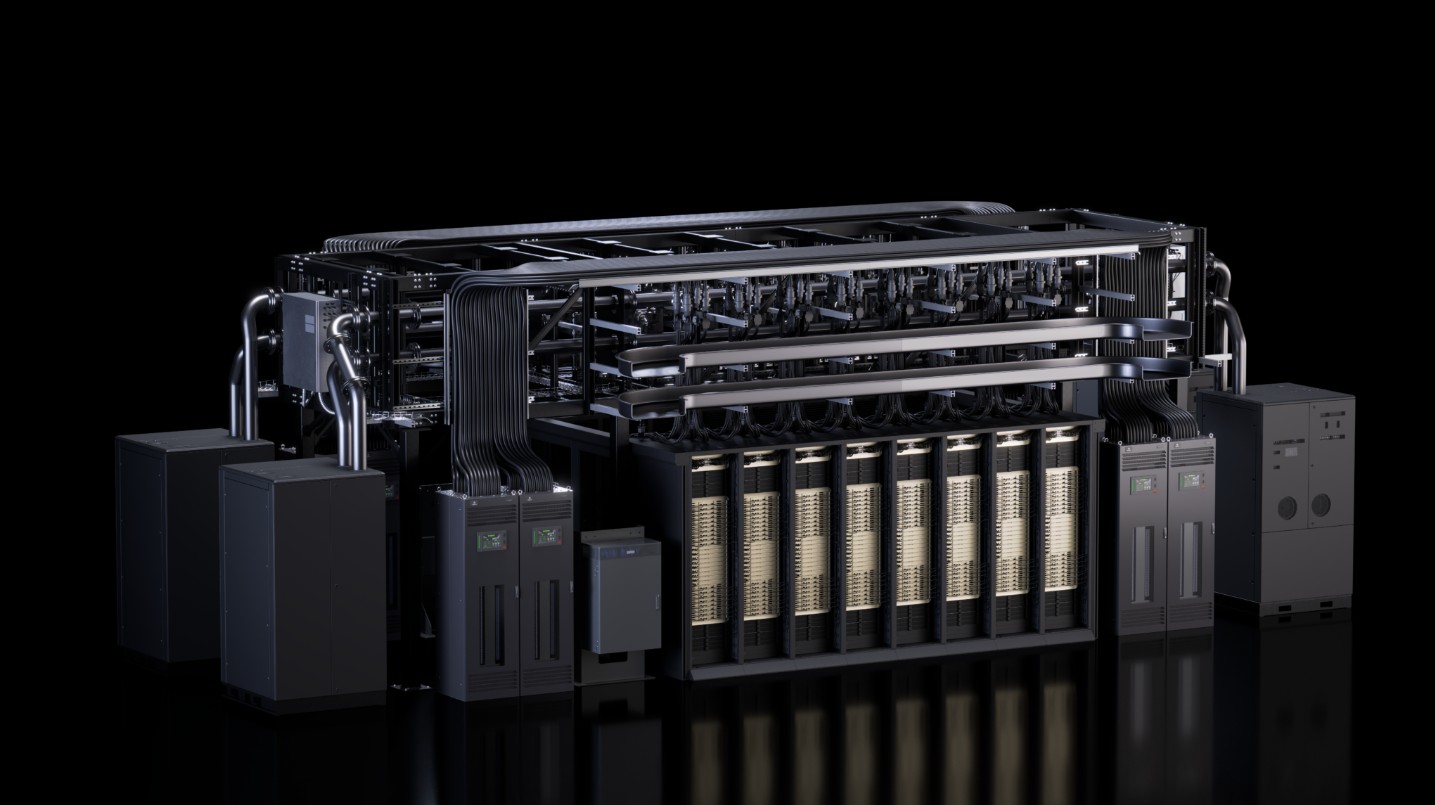
Nvidia Makes Bold Move to Become AI Datacenter 'Operating System'
At the OCP Global Summit 2026, Nvidia disclosed not only the rack design of its next-generation AI platform 'Vera Rubin,' but also extensively revealed datacenter buildings, power grids, operational software, and network specifications. This is interpreted not merely as a technology disclosure but as a strategy to establish its design as the standard for AI infrastructure. Particularly, the 800V direct current power grid, open datacenter standard, DSX open-source software, and collaboration with Google, Meta, and Cisco are expanding the competitive landscape of the AI industry from GPUs to networks, power, cooling, and operations. Through 'openness,' Nvidia has embarked on securing leadership across the entire AI datacenter ecosystem.
2026.10.16by 배종인 기자
Theori Joins Anthropic's Cyber Verification Program
AI-based offensive security company Theori has joined Anthropic's Cyber Verification Program (CVP). This follows OpenAI's Daybreak, securing access to advanced cybersecurity AI capabilities from two major AI companies. Through the CVP, Theori will be able to enhance its AI-based autonomous penetration testing platform 'Xint's' vulnerability detection and attack path verification engine.
2026.10.16by 배종인 기자
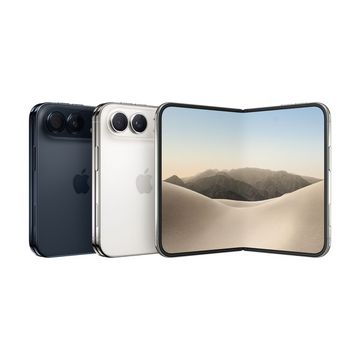
SKT Begins iPhone Duo Pre-order…Offering Up to 2.21 Million Won in Benefits
SK Telecom will commence pre-orders for Apple's first foldable smartphone, iPhone Duo, starting from the 16th. Customers can receive discount benefits worth up to 2.21 million won by trading in used phones and utilizing partner cards, and all activation customers will receive complimentary Google AI Plus 2-month subscription and Tving 6-month subscription. Lucky roulette and prize events will also be held concurrently, with the device scheduled to launch on October 23rd.
2026.10.16by 명세환 기자











