


ElevenLabs, "Voice AI Evolving into New Enterprise Operating Platform"
 Published2026.09.03 14:31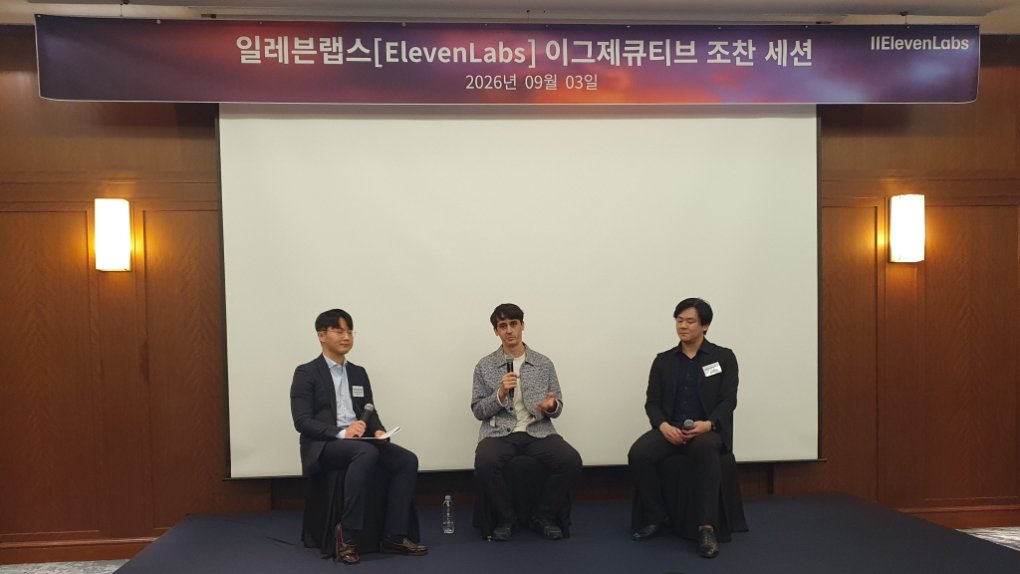
이미 본격적 상용화 단계, 도입 여부 아닌 활용 속도가 경쟁력 좌우
일레븐랩스, 올해 4개월 만에 ARR 6억불 돌파 기업가치 110억불
생성형 인공지능(AI)이 ‘대화형 비서’ 단계를 넘어 기업의 실제 업무를 수행하는 동료이자 에이전트로 진화하고 있다는 진단이 나왔다. 특히 음성 AI는 기업 고객 응대와 글로벌 콘텐츠 현지화 영역에서 이미 본격적인 상용화 단계에 진입했으며, 한국 기업들에게도 도입 여부가 아닌 활용 속도가 경쟁력을 좌우하게 될 것이라는 전망이 제기됐다.
일레븐랩스(ElevenLabs)는 3일 서울 강남 노보텔 앰배서더에서 ‘일레븐랩스 이그제큐티브 조찬 세션’을 개최했다.
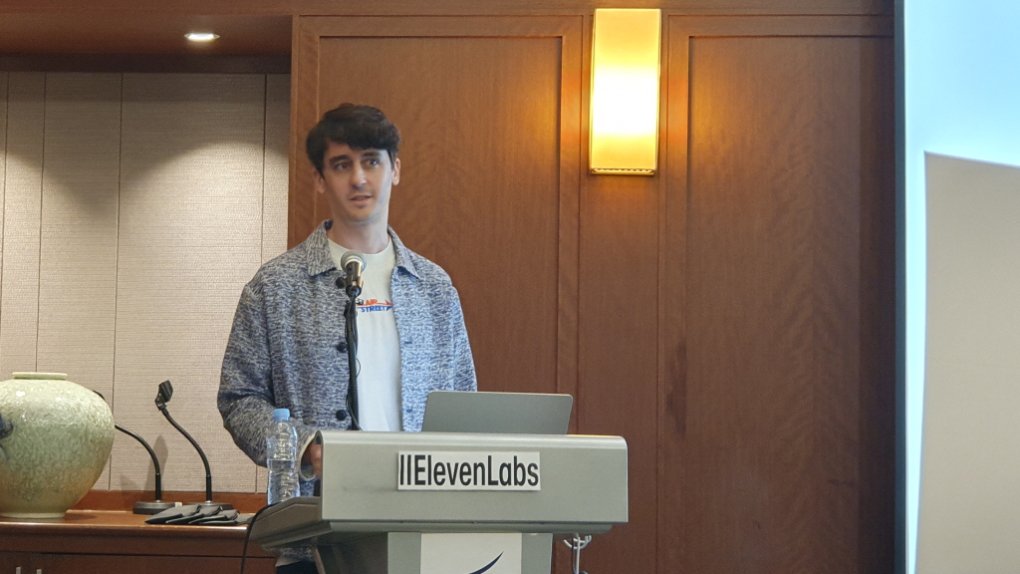
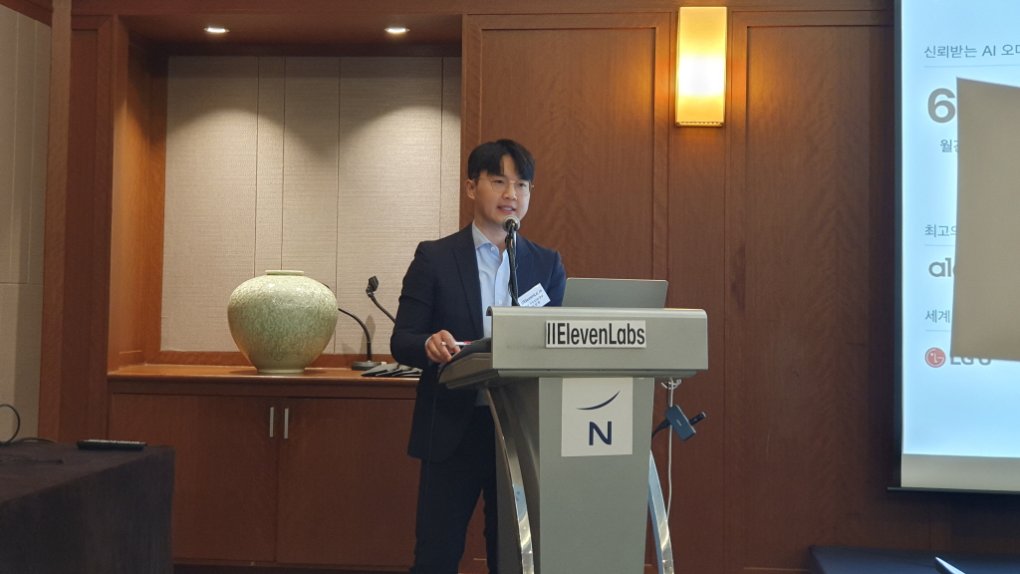
이날 행사에서는 네이선 베나이치(Nathan Benaich) 에어스트리트캐피털 창업자 겸 제너럴파트너가 ‘State of AI’를 주제로 발표했고, 유진 리앙(Eugene Liang) 일레븐랩스 아시아태평양(APAC) 총괄이 ‘ElevenLabs 글로벌 및 APAC 업데이트’를 공유했다. 사회와 대담은 홍상원 일레븐랩스 일본·한국 GTM 리드가 맡았다.
가장 눈길을 끈 것은 AI 산업의 무게 중심 변화에 대한 분석이었다.
네이선 베나이치는 최상위 프론티어 모델 경쟁이 과거보다 훨씬 치열해졌으며 미국 중심 구조가 중국과의 양강 구도로 재편되고 있다고 평가했다.
특히 오픈소스 생태계에서는 중국산 모델 영향력이 급격히 확대되고 있다고 진단했다.
그는 현재 AI 산업이 모델 성능 경쟁을 넘어 실제 업무 환경을 얼마나 정교하게 학습시키느냐의 경쟁으로 이동했다고 설명했다.
그는 AI 발전의 핵심 동력으로 ‘환경 기반 학습’을 꼽았다. 초기에는 게임과 정답 데이터 중심으로 학습하던 AI가 이제는 소프트웨어 개발과 연구개발(R&D) 환경을 그대로 모사한 공간에서 인간의 업무 방식을 학습하고 있다는 것이다.
이에 따라 AI는 단순 질의응답 도구에서 벗어나 가설을 세우고 실험을 설계하며 결과를 검증하는 협업자로 진화하고 있다고 강조했다.
실제 산업 적용 속도도 빨라지고 있다. 발표에 따르면 오픈AI와 앤트로픽의 연간 매출 규모는 약 1,050억달러 수준까지 성장했으며, AI 성능 대비 비용 효율 역시 빠르게 개선되고 있다.
특히 AI 활용 상위 기업과 평균 기업 간 격차가 급격히 벌어지는 현상이 나타나고 있다.
미국 기업 데이터를 분석한 결과 상위 1% 기업은 직원 1인당 월 7,400달러를 AI에 투자한 반면 평균 기업은 약 12달러를 지출하는 데 그쳤다. 또한 AI 코딩 도구를 적극 활용한 기업군은 저활용 기업 대비 매출 성장 속도가 3배 이상 높게 나타났다.
고용시장의 변화도 주요 화두였다. 고객지원과 소프트웨어 개발처럼 AI 자동화 영향이 큰 분야에서는 신입 채용 감소 현상이 나타나고 있지만, 역설적으로 AI를 적극 활용하는 기업들은 전체 채용 규모를 늘리고 있다는 분석이 제시됐다.
Nathan Benaich는 숙련 인력의 경험과 암묵지를 AI에 전수하는 것이 기업의 중요한 과제가 될 것이라고 말했다.

AI 보안 역시 빼놓을 수 없는 이슈로 떠올랐다.
그는 최신 AI 모델이 복잡한 사이버 공격 시나리오를 수행할 수 있는 수준에 도달했으며, 생성형 AI 관련 사고도 단순한 딥페이크를 넘어 실제 해킹과 보안 위협으로 확대되고 있다고 경고했다.
AI 모델 개발에 투입되는 자금에 비해 안전성 투자 규모는 여전히 부족하다는 점도 지적했다.
이어 발표에 나선 유진 리앙 총괄은 음성 AI가 이미 실서비스 단계에 진입했다고 강조했다.
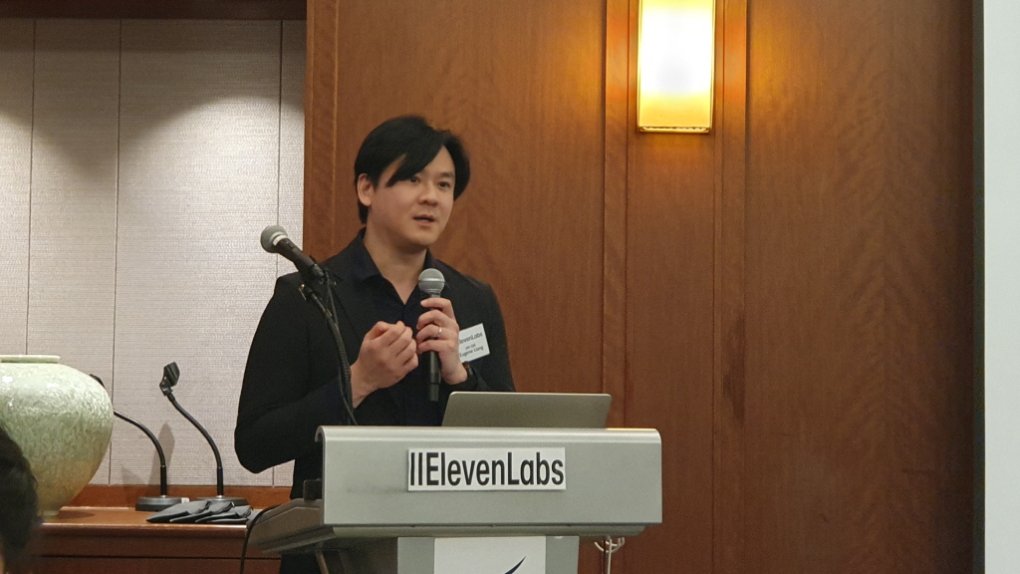
그는 “올해는 음성 AI가 현실화된 시점”이라며 “사람과 AI 음성을 구분하기 어려운 수준에 도달했다”고 말했다. 일레븐랩스는 올해 4개월 만에 연간반복매출(ARR) 6억달러를 돌파했고 기업가치 110억달러를 기록했다. 현재 플랫폼에서는 200만개 이상의 음성 에이전트가 구축돼 있으며 포춘500 기업의 60% 이상이 활용하고 있다고 소개했다.
특히 APAC 시장이 가장 빠른 성장세를 보이고 있다는 점을 강조했다.
호주의 인플로이먼트 히어로는 AI 에이전트를 활용해 35만명 이상의 고객에게 접근해 1,000건 이상의 데모콜을 예약했고, 동남아 금융회사 펀딩소사이어티는 채권 추심 및 보험 관련 아웃바운드 전화를 AI 음성으로 수행하고 있다.
한국 시장에 대해서는 급격한 인구구조 변화와 고객센터 산업 성장이라는 두 흐름이 만나고 있다고 분석했다. 생산가능인구 감소에도 고객 응대 수요는 증가하고 있어 음성 AI 에이전트 활용 여지가 크다는 설명이다.
현재 국내에서는 농협, 신한금융그룹, LG유플러스 등이 AI 에이전트 기반 자동화에 나서고 있으며, 노인 돌봄 기업 케어링은 일레븐랩스 기반 AI 안부전화 서비스로 높은 응답률을 확보했다고 소개했다.
행사 말미 질의응답에서는 “지금 한국 기업 경영자라면 올해 안에 무엇을 하겠느냐”는 질문이 나왔다.
네이선 베나이치는 직원들이 실제로 사용 중인 최고의 AI 활용 사례를 발굴해 전사적으로 확산할 것을 권했다.
유진 리앙은 명확한 유스케이스와 성과지표를 설정하고 90일 안에 결과를 검증할 수 있는 프로젝트부터 시작해야 한다고 조언했다.
홍상원 일레븐랩스 일본·한국 GTM 리드는 “AI는 더 이상 미래 기술이 아니라 이미 기업 현장에 투입된 생산 수단”이라며, “경쟁력의 차이는 기술 자체보다 이를 얼마나 빠르게 업무와 조직에 녹여내느냐에 달려 있다”고 밝혔다.
또한 “음성 AI 역시 고객센터와 콘텐츠 현지화를 넘어 새로운 기업 운영 플랫폼으로 진화하는 변곡점에 들어섰다”고 언급했다.

Comments
Related news
.jpg)
Eleven Labs Unveils Potential for Practical Applications of Voice AI at AI Expo
ElevenLabs will participate in 'AI Expo Korea 2026' to showcase practical applications of voice artificial intelligence technology. Visitors will be able to experience the technology firsthand through real-time conversations with voice agents, and can also explore its implementation possibilities in corporate environments through lectures and live demonstrations. The shift in work methods based on voice, moving beyond text-centric interfaces, will be presented as a key discussion topic.
2026.04.28by 배종인 기자

Rapid Change: Three-Country Simultaneous Launches Reduced from 'Months to Hours'... 100 Titles Explode, Changing the Audio Production Landscape
AI audio technology startup ElevenLabs is joining forces with global audio platform company SpoonLabs to accelerate industry innovation by transforming the existing production method centered on voice actor recording into an AI-based process.
2026.05.06by 배종인 기자
Eleven Labs Unveils Voice AI Technology at Smart Tech Korea 2026
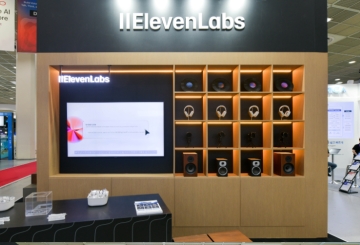
Artificial intelligence audio research and development company ElevenLabs will participate in the "15th Smart Tech Korea 2026" held at COEX in Samsung-dong, Seoul from June 10-12, and will unveil voice AI technology. The company will operate an experience booth for the AI voice agent platform "ElevenAgents" and plans to demonstrate key features including text-to-speech conversion and voice cloning.
2026.06.02by 배종인 기자
.jpg)
Eleven Labs Unveils AI Dubbing Model That Delivers Emotion and Intonation… Targeting the Global K-Content Localization Market
ElevenLabs has launched 'Dubbing v2', an AI dubbing model that reflects the original speaker's emotions, speaking style, and intonation in multilingual audio. The new model improves upon the emotional expression limitations of conventional text-based AI dubbing and supports over 90 languages. It is expected to reduce content localization costs and production time across various fields including broadcasting, gaming, webtoons, animation, and creator content. In Korea, the technology has been utilized in the production of the SBS documentary 'Time of Monsters', and the industry views AI voice technology as becoming a key tool supporting global content distribution.
2026.06.16by 명세환 기자
Eleven Labs Launches AI Music Generation Model 'Music v2'... Improved Genre Switching and Rap Expression
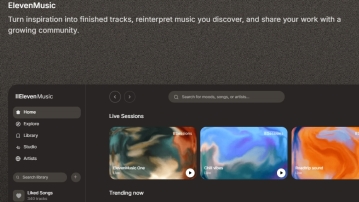
ElevenLabs has unveiled a generative AI-based music production model. The model improves genre conversion and vocal expression, with enhanced editing and control capabilities in the music generation process.
2026.06.22by 배종인 기자











