



KETI Unveils 'HAECHI,' Korean Culture Heritage and Hangul-Specialized AI Model
 Published2026.10.01 09:11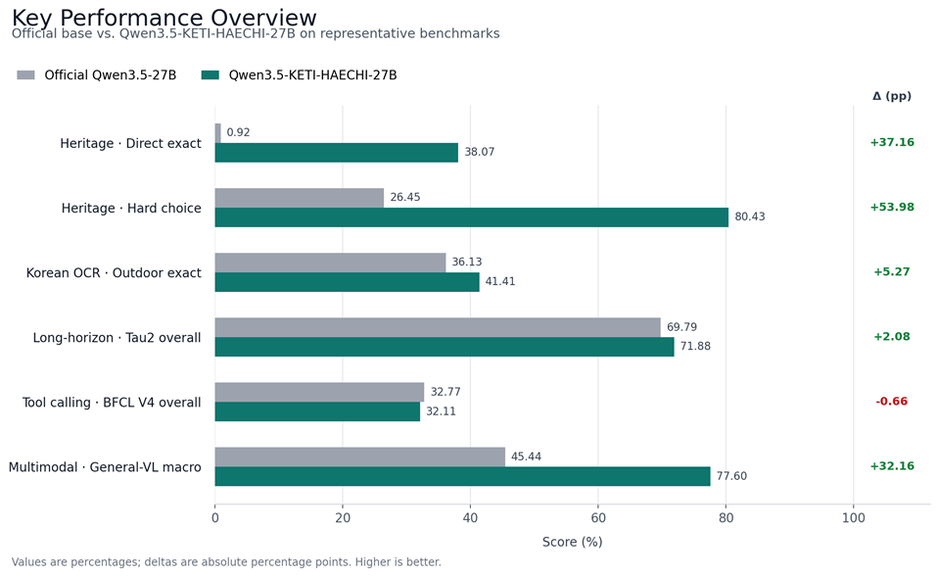
HAECHI simultaneously processes images and text, and can also perform multi-stage tasks such as ticket issuance, product purchase, refunds, and service subscription.
Hangul signage recognition ability in street photos also improved by more than 5 percentage points for both models.
The Qwen3.5-based model increased from 36.13% to 41.41%, and the HyperCLOVA X-based model increased from 33.59% to 38.87%.
In the evaluation of long-task execution capability (Tau2), which determines the next action based on the results of the preceding task, comprehensive scores for both models rose by approximately 2 percentage points.

Comments
Related news
KETI Provides Remote Art Museum Experience to Pediatric Cancer Patients via Telepresence Robot
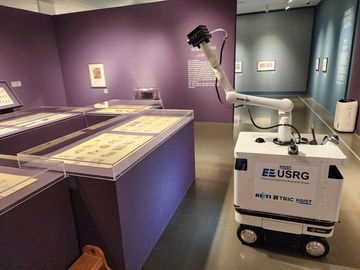
KETI completed a demonstration in which pediatric and adolescent cancer patients at hospitals remotely viewed exhibitions at Soma Art Museum using a robot-telepresence platform developed by KETI. This platform, which combines real-time video transmission, AI docent, and autonomous driving technology, enables patients to directly operate the robot and camera to appreciate exhibited artworks in detail. KETI plans to expand the application scope to include mobility-impaired individuals and students in rural and mountainous areas who face difficulties accessing cultural facilities.
2026.08.05by 배종인 기자
KETI, Establishing AI Transformation Hub for Southwestern Mobility Manufacturing
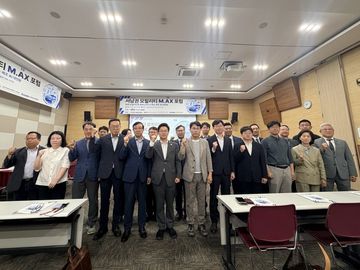
The Korea Electronics Technology Institute (KETI) Gwangju Regional Headquarters is jointly pursuing the construction of a humanoid demonstration center and autonomous driving perception component functional safety test center to spearhead AI transformation in the southwestern automotive and mobility industry. The institute is establishing a full-cycle support system ranging from deployment of specialized humanoids in assembly processes to international standard testing and certification of perception components such as LiDAR, cameras, and radars, thereby supporting on-site applications for regional OEMs and parts suppliers.
2026.08.14by 배종인 기자
KETI Marks 35th Anniversary with New Vision as 'Global Technology Hub'
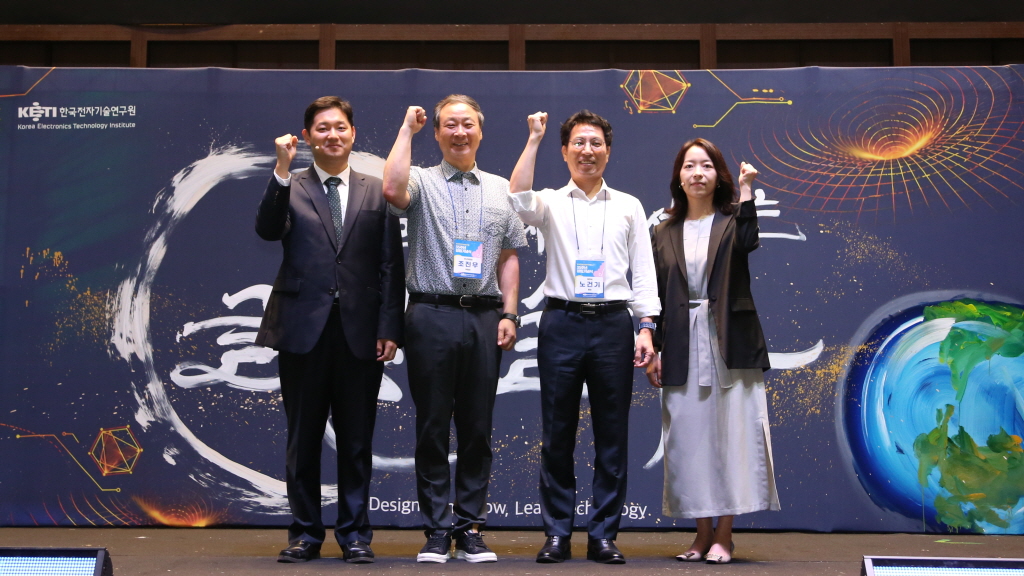
The Korea Electronics Technology Institute (KETI) has declared a new vision, "Design Tomorrow, Lead Technology," marking its 35th anniversary. In response to intensifying competition in AI technology hegemony and rapid changes in the industrial environment, the institute aims to make a leap forward as a global research institution by strengthening R&D strategy and domestic and international cooperation. The new vision, established based on a survey of all employees, will pursue innovative technology development and collaborative research based on the electronics and IT technology capabilities accumulated over 35 years.
2026.08.24by 배종인 기자
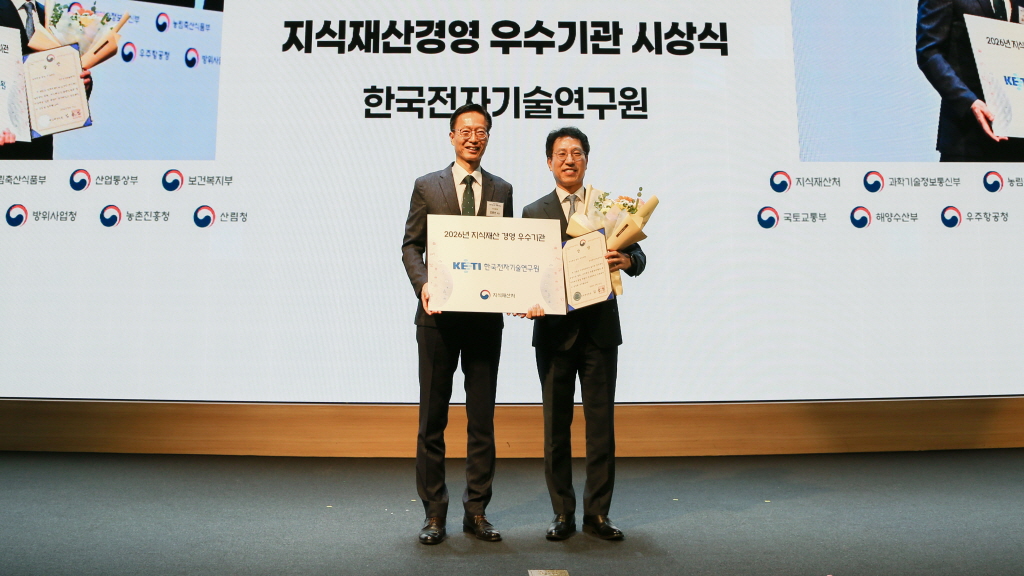
KETI Selected as '2026 Intellectual Property Management Excellence Institution'
Korea Electronics Technology Institute (KETI) has been selected as a government-sponsored excellence institution in recognition of its intellectual property management capabilities, including patent creation and utilization. The institute participated in the retained patent diagnosis sector for three consecutive years, diagnosing approximately 1,200 registered patents, and achieved results by registering patents with international standard patent pools Via LA and AVANCI. Over the past decade, KETI achieved 100% increase in registered patents and over 50% increase in overseas applications, and receives support from the Intellectual Property Office for patent application and registration costs for up to three years.
2026.09.15by 배종인 기자
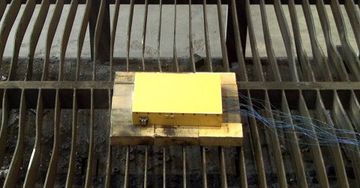
Crest passes thermal runaway and fire safety tests for battery systems
Battery system specialist Crest has passed thermal runaway and fire safety tests at the level of North American safety standard UL 2271 Edition 3 with support from KETI and in collaboration with KCL. By applying its proprietary thermal runaway blocking and heat transfer suppression packaging technology, flame propagation was prevented even under severe test conditions, resulting in a final passing judgment. The company has established a foundation for domestic AGV and AMR companies to enter the North American market, with the goal of completing official UL 2271 Edition 3 certification in the second half of the year.
2026.09.17by 명세환 기자











