

 The Age of Humanoid Robots, CAN Network in Focus
 Published2026.11.24 10:42
As humanoid robots and industrial robots advance, communication traffic is surging due to motor control, sensor fusion, diagnostic data, and software updates. Existing CAN FD has bandwidth limitations, while Ethernet poses implementation complexity and cost burdens. CAN XL maintains CAN's deterministic communication characteristics while offering maximum 20Mbps transmission speed and 2,048-byte payload, gaining attention as an alternative for next-generation robot networks. According to Texas Instruments (TI), transceiver selection should consider speed, signal integrity, EMC performance, protection features, and compatibility with existing systems. TI's TCAN6062 supports CAN XL, CAN FD, and legacy CAN simultaneously, providing maximum 20Mbps communication, up to 80% ringing reduction, and ±58V bus protection, earning evaluation as a suitable solution for humanoid and industrial automation systems.

Comments
Related news
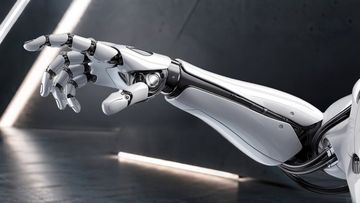
TI Launches Commercial CAN XL Transceiver TCAN6062
Texas Instruments (TI) has launched the commercial CAN XL transceiver TCAN6062. It supports a maximum data rate of 20Mbps and 2,048-byte payload, with backward compatibility with CAN FD and SIC enabling gradual transition without redesigning existing systems. Through Ethernet tunneling, diagnostics, sensor data, control, and OTA updates can be processed on a single network, making it applicable for high-performance industrial system design such as humanoid robots, industrial robots, and HMI.
2026.08.18by 배종인 기자
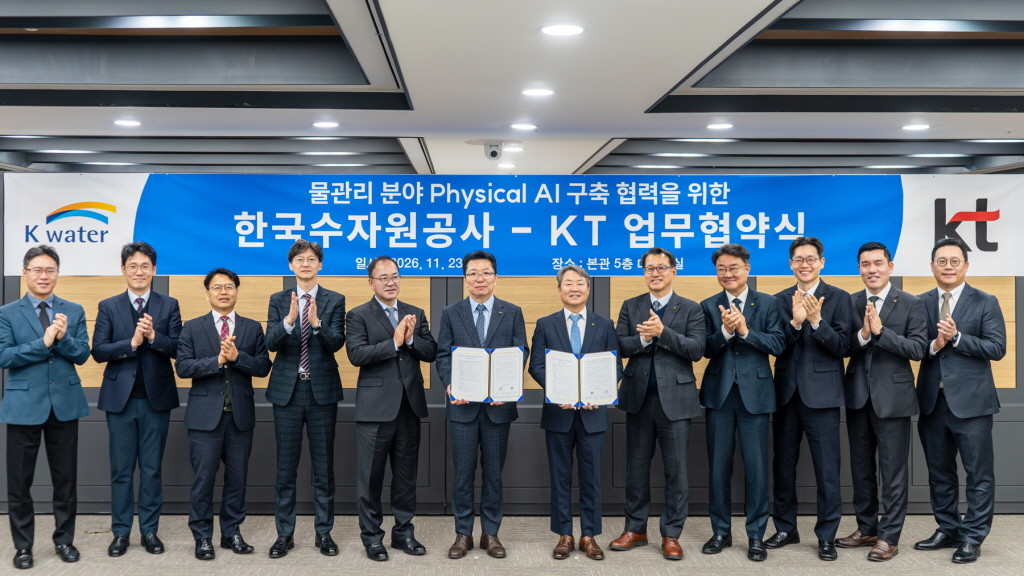
KT and K-water Sign MOU for Physical AI Water Management Construction
KT and Korea Water Resources Corporation (K-water) have agreed to collaborate on promoting physical AI transformation in the water management sector. The two companies plan to gradually expand cooperation from AI data demonstration at water purification plants and dam sites to global water management commercialization. By combining KT's AI infrastructure and network capabilities with K-water's on-site operational experience, the companies will cooperate in four areas: establishing a physical AI application roadmap for water management, on-site demonstration, standards development, and others.
2026.11.23by 명세환 기자
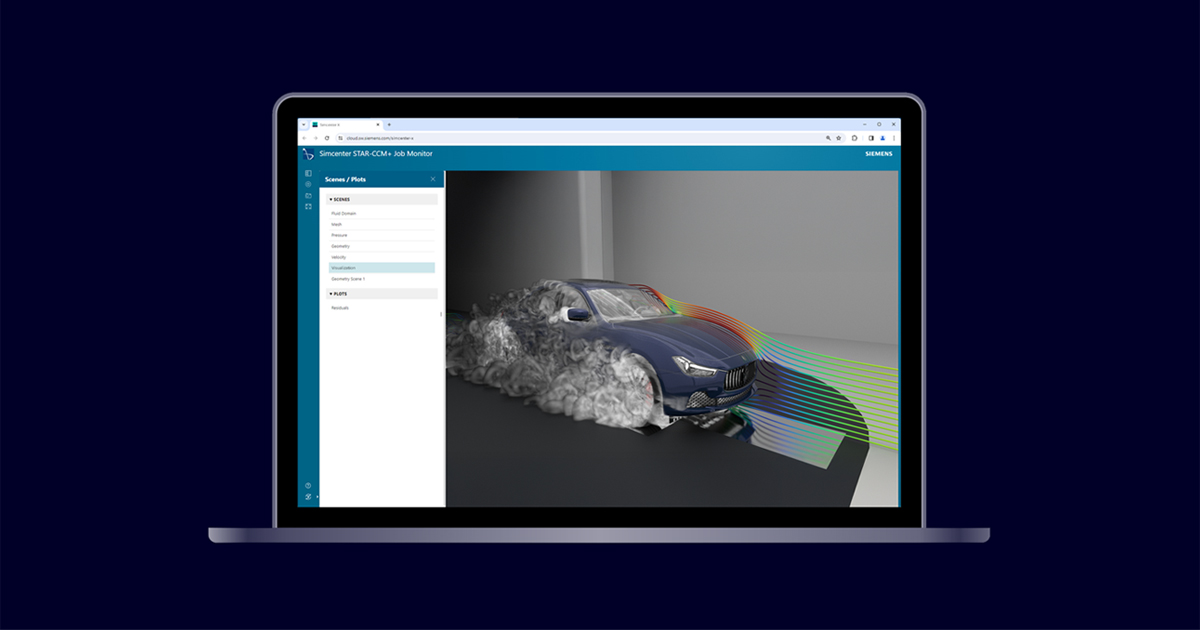
Siemens, Microsoft Azure-based 'Simcenter X' Deployment Plan
Siemens announced plans to offer Simcenter X through Microsoft Azure and Microsoft Marketplace.
2026.11.20by 배종인 기자
Rockwell Automation to Acquire AGILOX, Austrian AMR Company
Rockwell Automation has signed a final agreement to acquire AGILOX, an Austrian autonomous mobile robot (AMR) manufacturer. The company plans to integrate its OTTO platform, which has a strong presence in the North American market, with AGILOX's forklift-type AMR, which has established a customer base in Europe, to strengthen material handling solutions. With this transaction expected to close in Q2 2027, Rockwell Automation's AMR business scale is projected to expand more than twofold.
2026.11.20by 배종인 기자
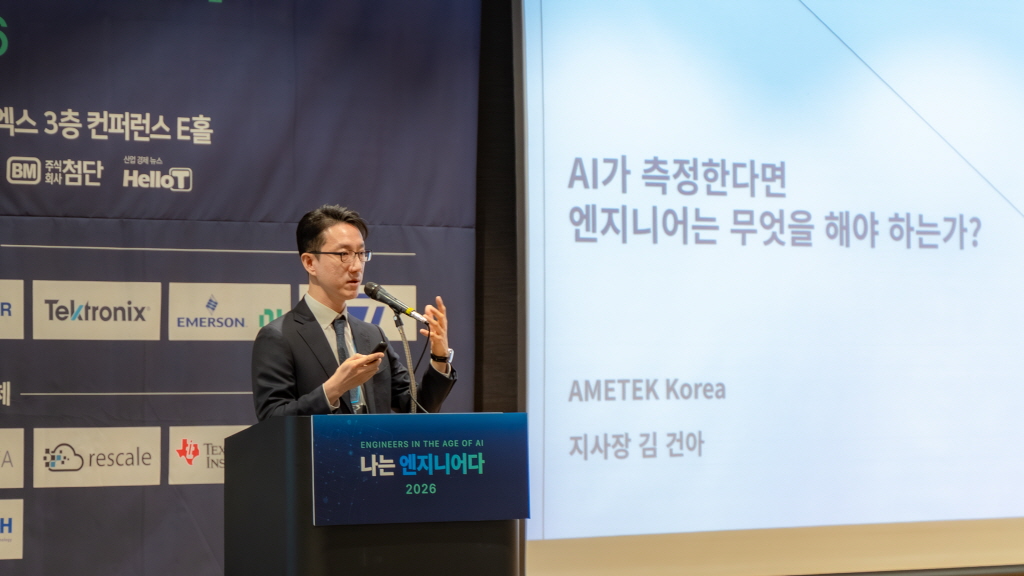
Kim Geon-a, Branch Manager of Ametek Korea, "Even in the AI Era, Final Responsibility Rests with Engineers"
Kim Geon-a, Branch Manager of Ametek Korea, emphasized in the keynote presentation at "I am an Engineer 2026" that although AI is revolutionizing measurement, quality, and manufacturing processes in industrial fields, final judgment and responsibility still remain the role of engineers. He explained that even though AI enhances data analysis and predictive capabilities to improve productivity, defining new measurement methods, understanding processes, and ensuring quality require human expertise. He also stated that future engineers must possess convergent competencies spanning design, process, data, and AI, lead changes, and become leaders who utilize AI as a collaboration tool rather than fear it.
2026.11.19by 배종인 기자