



Axis: Simultaneous Sports Analysis and Security with CCTV
 Published2016.02.24 15:22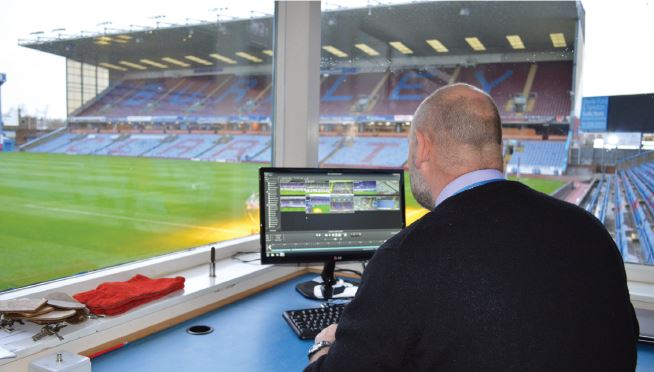
Using Axis network cameras for track and field stadiums and analyzing the movements of track and field athletes
Axis Communications (www.axis.com) announced today examples of using network cameras to analyze players' movements and matches, ensure safety within stadiums, and prevent crime.
Network cameras are now being utilized in various fields, extending beyond simple video security. Recently, they are also being used in the sports sector, which requires detailed and scientific analysis. Network cameras are used not only to analyze players' movements in real time but also to collect and analyze game data—such as scores, conceded points, fouls, and ball positions—to formulate strategies. Furthermore, they are being used to ensure the safety of spectators by detecting individuals engaging in disruptive behavior within crowded stadiums.
To achieve good results in track and field, it is necessary to analyze athletes' movements in detail and systematically. Accordingly, track and field stadiums in Gothenburg and Lund, Sweden, have adopted Axis network cameras and intelligent solutions that record athletes' movements in real time and allow coaches and athletes to view and analyze the footage via mobile devices.
AXIS V59 PTZ network cameras equipped with intelligent solutions for sports motion analysis have been installed at athletics stadiums in Gothenburg and Lund. When an athlete crosses a pre-designated point, the AXIS V59 PTZ camera automatically starts recording, making it easy to record only the training scenes necessary for analysis. The AXIS V59 captures 60 images per second at 1080p HDTV resolution and supports 30x zoom along with natural pan and tilt. The AXIS V59 supports the AXIS Camera Application Platform, allowing intelligent solutions to be installed directly on the camera without the need for a separate server. Recorded video is saved directly to mobile devices, and the slow-motion function enables close analysis of a player's movements.
Czech National Hockey Team Uses Network Cameras to Analyze Matches and Formulate Tactics
The Czech national hockey team used network cameras for accurate analysis of hockey matches. Previously, matches were analyzed by manually recording the game or using footage captured by broadcast cameras. However, this method was not suitable for analysis as it often missed important moments in the game. Consequently, the Czech national hockey team decided to introduce IP video technology for the 2015 Hockey World Championship held in Prague and Ostrava, and installed a special match analysis system utilizing two AXIS P1428 units equipped with 4K Ultra HD resolution in the hockey arena.
Video footage transmitted from two AXIS P1428s is combined into a single panoramic image via intelligent software, providing both the overall game situation and detailed information simultaneously. In addition, AXIS network cameras installed throughout the arena provide additional data for game analysis. The panoramic video generated by the two cameras serves as valuable material for improving team performance. The 4K Ultra HD resolution panoramic video offers a wide range of information, from minute details such as puck movements during the game to the overall appearance and progression of the match. In addition, video analysis software used in conjunction with the camera provides statistical data on goals, face-offs, fouls, and more.

64 cameras installed for security
Equipped with 18x optical zoom, allowing monitoring of points over 120 meters away
Burnley Football Club in the UK replaced its outdated analog CCTV system with an IP-based Axis video surveillance solution to enhance stadium security. Burnley FC installed a total of 64 cameras at the stadium, including AXIS Q6045-E PTZ dome cameras and AXIS Q1765-LE fixed cameras. Additionally, the existing analog cameras were integrated into the IP video system to be utilized for stadium security. Equipped with 18x optical zoom, Axis network cameras can monitor points more than 120 meters away.
As fireworks displays have recently become a trend in soccer stadiums and pose an increasing threat to the safety of spectators, stadium security teams are utilizing network cameras to identify individuals attempting to set off fireworks or detonate smoke bombs. Additionally, network cameras installed at the entrances transmit real-time footage of people entering to the security team, helping to detect adults entering with children's tickets or those with incorrect tickets, thereby reducing ticket fraud. Network cameras installed inside the stadium are being used to detect acts that disrupt public order, threaten opposing teams or other spectators, or throw objects at players and referees.
Kim Sang-jun, Executive Director of Axis Korea, said, “In the sports industry, network cameras have primarily been used to ensure the security of stadiums. However, recently, there has been an increasing number of cases where they are utilized as analytical tools to achieve better performance, going beyond simply protecting the safety of spectators or players. With the development of intelligent solutions, this diversification of network camera applications is expected to increase further.”
Comments
Related news

Axis Korea and Quantum Korea Partner to Strengthen Their Market Share in the Video Surveillance Market
Axis Communications (www.axis.com), a company in the 'network camera' sector of CCTV, announced that it is entering the domestic video surveillance market in cooperation with Quantum. The two companies will form a joint sales market to identify potential customers and, with a diverse product lineup, will provide customized surveillance equipment and consulting services tailored to meet the requirements of individual clients.
2015.10.07by 명세환 기자
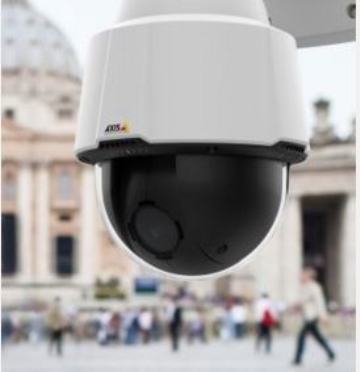
Axis Leads Domestic Video Security Market Through Investment in Products and Markets
Network camera company Axis Communications, a CCTV enterprise, announced that it will strengthen its strategy to capture the video security market through expanding network camera products and customer support.
2015.12.23by
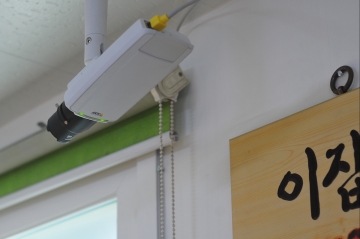
Axis donates network cameras to local children.
Axis announced that it has donated high-definition network cameras to Jowon Community Child Center and Serving House Community Child Center in Gwanak-gu, Seoul, as part of the 'Axis SafeKids Campaign'.
2015.12.29by

Axis Korea Holds 2016 Partner Kick-off
Axis Communications announced today that it will hold the "2016 Axis Korea Partner Kickoff" on Wednesday, January 27th at El Tower in Yangjae-dong, targeting channels and partner companies. The partner kickoff event will be attended by key executives and employees of Axis, including Fan Look, Senior Vice President of Axis North Asia, Chris Cheung, Regional Sales Director of Axis North Asia, and Kim Sang-jun, Executive Director overseeing sales at Axis Korea, as well as executives and employees of Axis partner companies.
2016.01.19by 명세환 기자

Axis Announces Targeting and Trends for Intelligent Video Surveillance Market
Axis Communications announced today that it is strengthening its market penetration strategy in small- to medium-sized video surveillance systems, in addition to its existing large-scale video systems markets, through the launch of a diverse range of high-quality intelligent network security solutions.
2016.01.27by 명세환 기자











