


Domestic data centers are lagging behind, and active and systematic management is needed
 Published2016.04.21 17:02
According to the results of a 'Data Center Behavior Understanding' survey jointly announced by Schneider Electric, an energy management and automation specialist, and IDC (International Data Corporation), a global information and communications industry market research and analysis firm, the level of domestic data center management is found to lag behind the IT environment.
According to the results of this survey conducted on 104 domestic server room and data center operators, more than 60% of all domestic server room and data center operators experienced breakdowns or failures within a year, and in particular, more than 80% of respondents in large data centers answered that they had experienced failures. This is five times higher than Japan (16%).
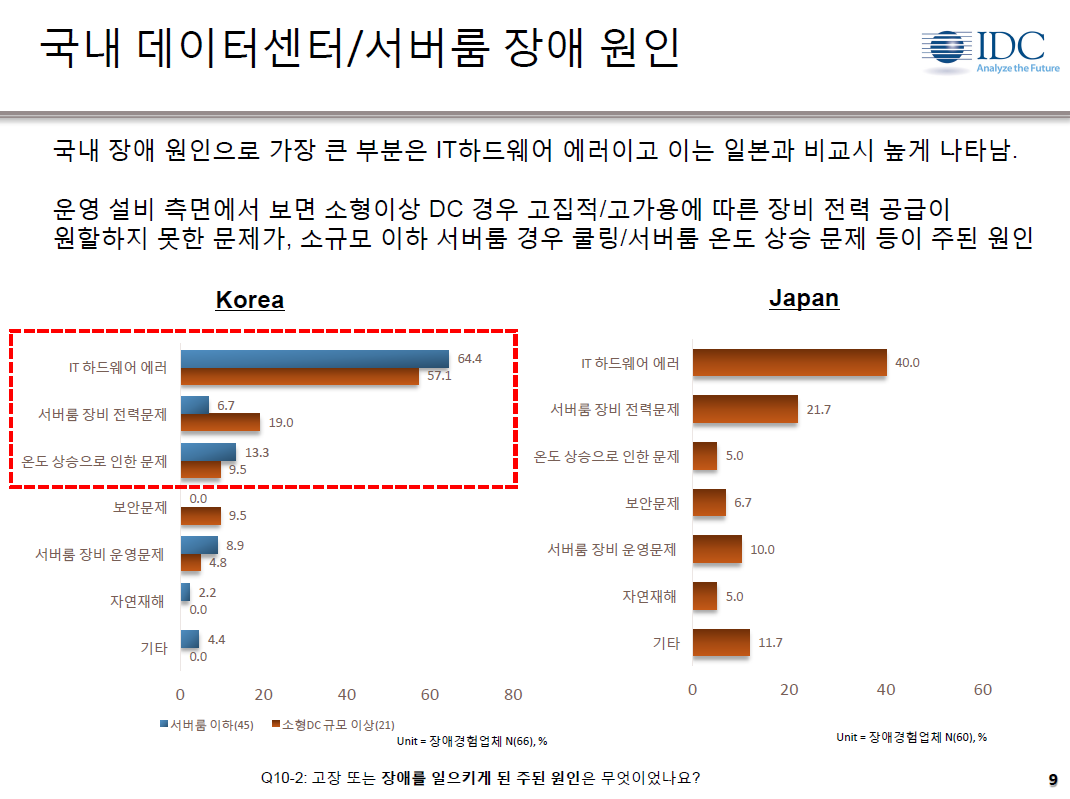
The biggest cause of failure was ‘IT hardware errors’ such as server and storage, accounting for more than 62%. In addition, for medium and large data centers, the main cause was poor equipment power supply (19%), and for small and medium-sized server rooms, the main cause was temperature rise issues (13%).
The main operational issues were high in the difficulty of 'rapid adaptation to environmental changes (49%)' and 'thermal management (40%)'. This can be seen as a unique aspect of domestic data center operation, unlike general issues such as 'reducing power costs (24%)' or 'lack of operational personnel (52%)'.
Need to introduce a systematic data center management method that matches the rapidly changing IT environment
However, compared to the high interest in methods to solve difficulties, the actual application rate is still low. The awareness of domestic operators regarding data center infrastructure management (DCIM), a solution that helps to efficiently manage data center resources to optimize power usage, cooling, and server efficiency, was only 33%. In addition, the level of agreement (48%) on the need for IoT-based operation management services such as remote management solutions (RMS) was high, but only 16% of respondents actually planned to introduce such services within the next three years.
Regarding thermal management issues, which were identified as major operational issues, it was revealed that they still rely on traditional methods such as ‘equipment and rack rearrangement (86%)’ rather than recent cooling solutions such as indirect outdoor air introduction cooling solutions (Natural Free Cooling) or EcoAisle containment systems using shielding devices.
Park Do-young, managing director of IDC Korea, said, “The aging caused by delayed upgrades and replacements of existing server rooms/data centers due to the stagnant IT investment environment appears to be the main culprit behind the increase in domestic data center operation failures.” He added, “In order to keep up with new trends such as data center centralization, consolidation, and cloudization, companies operating advanced data centers need to actively review systematic management methods and system and facility upgrades.”
Comments
Related news
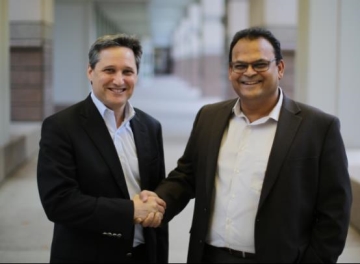
Xilinx and IBM Partner to Accelerate Data Center Applications
Xilinx announced that it has established a multi-year strategic partnership with IBM to develop energy-efficient, high-performance data center applications leveraging Xilinx FPGA workload acceleration technology on IBM POWER-based systems.
2015.11.19by 신윤오 기자
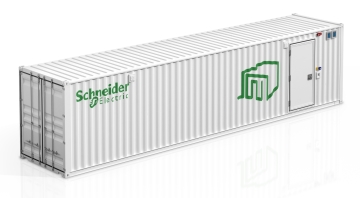
Schneider Electric Recognized for Technological Prowess in Data Centers
Schneider Electric announced that it has been selected as the winner in the Modular Deployment category at the DatacenterDynamics Leaders EMEA Award, presented by DatacenterDynamics, an authoritative specialized media outlet in the data center sector. Schneider Electric received this award in recognition of its technological capabilities demonstrated through the successful deployment of a micro data center at the Sagrada Família basilica.
2016.01.22by
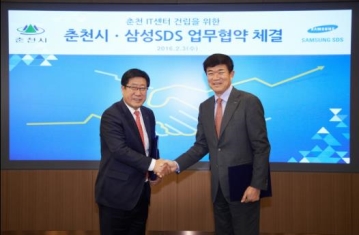
Samsung SDS Builds Second Financial Data Center in Chuncheon
Samsung SDS announced on the 3rd that it has signed a memorandum of understanding (MOU) with Chuncheon City regarding site acquisition at the Samsung SDS Campus in Jamsil, attended by CEO Jung Yoo-sung, Chuncheon Mayor Choi Dong-yong, and National Assembly Member Kim Jin-tae (Saenuri Party, Chuncheon), to construct a cutting-edge financial second data center (tentative name: Chuncheon IT Center) in Chuncheon featuring high efficiency and eco-friendly features.
2016.02.03by
Maxim, Transceiver ICs ··· Support Mass Production of Modules for Data Centers and Wireless Access
By applying the Maxim SFP28 transceiver, module manufacturers for data center and wireless fronthaul applications no longer need to install a driver within the TOSA (Transmit Optical Subassembly). Therefore, they can protect sensitive lasers from heat, simplify the manufacturing process, and improve profitability.
2016.03.17by











