



CEVA Unveils Power-Efficient Integrated RF Solution for LTE IoT
 Published2017.03.15 11:51
The 'Dragonfly NB1' was developed by leveraging CEVA's low-power digital signal processing (DSP) and modem designs, as well as ASTRI's experience in radio frequency (RF) and integrated circuit (IC) design technologies. CEVA and ASTRI have collaborated to produce M2M endpoint solutions that can be easily integrated into System-on-Chip (SoCs) and reduce power consumption. The 'Dragonfly NB1' shortens the time required for NB-IoT product certification and provides Low Power Wide Area (LPWA) SoC developers with a platform capable of flexible software upgrades.
"Collaboration with CEVA was a choice made to ensure we did not miss out on opportunities in the cellular IoT market. Through joint development, we have created a highly integrated modem solution featuring power-optimized integrated RF for the most demanding NB-IoT use cases. We look forward to continued cooperation to help our mutual customers enter the market," said Frank Tong, CEO of ASTRI.
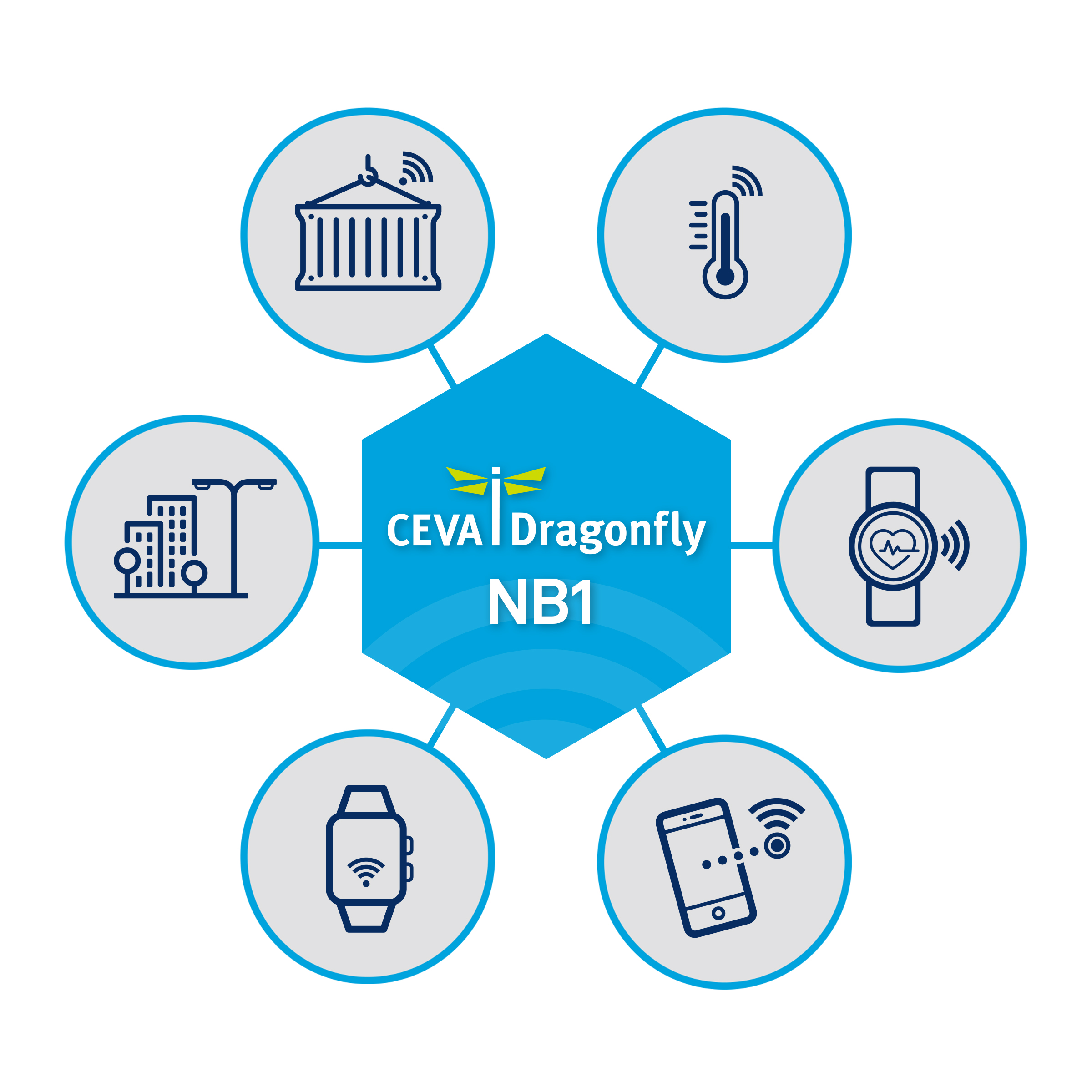
The 'Dragonfly NB1' solution operates with a single 'CEVA-X1' IoT processor. Protocol stack software for other related tasks such as NB-IoT, GNSS, and sensing can be applied. No additional processes or hardware accelerators are required within the SoC, and in-the-field upgrades to 'Release 14 eNB-IoT' and future releases are possible.
The 'CEVA-X1' IoT processor architecture increases the execution speed of PHY, MAC, and encryption and reduces clock speed and power consumption through instruction sets and mechanisms specialized for NB-IoT. It can also additionally support other Low Power Wide Area (LPWA) standards such as Cat-M1, LoRa, SigFox, and voice.
The 'Dragonfly NB1' solution includes high-efficiency multi-standard RF with built-in PA, LNA, DC-DC, and DCXO technologies for NB-IoT and GNSS (GPS and BeiDou), which shortens development time and reduces the overall module BOM (Bill of Materials).
Memory is a key consideration for NB-IoT, as it directly impacts module cost, semiconductor area, and the overall form factor. The 'Dragonfly NB1' is designed to operate with embedded flash through a low-latency memory subsystem and a dedicated cache controller. Additionally, this solution includes specialized security features.
CEVA and ASTRI have collaborated with GMV, a leading navigation system company that provides integrated GNSS solutions. The GNSS IP utilizes ASTRI's GNSS RF IP embedded in the solution as add-on software running on the CEVA-X1 along with NB-IoT.
GMV's software IP supports all four GNSS methods: GPS, BeiDou, GLONASS, and Galileo. By fully executing various GNSS methods in the 'Dragonfly NB1' software to ensure flexibility, it is possible to switch methods as needed or execute multiple methods simultaneously to provide higher resolution and global asset tracking solutions.
"Miguel Manuel Romei Merino, GNSS Executive Director at GMV, said, 'The Dragonfly NB1 is a multi-mode RF and dedicated IoT processor that perfectly complements GMV's software GNSS products. It meets the diverse requirements associated with asset tracking, wearables, and other IoT endpoint devices, providing complete flexibility by utilizing multiple GNSS methods.'"
Comments
Related news
CEVA Imaging & Vision DSP to be Used in LG Electronics Mobile Devices.
CEVA, a leading licensor of mobile phone, multimedia and connectivity IP platforms and DSP cores, announced on the 17th that LG Electronics has adopted CEVA imaging and vision DSP in its mobile device product line.
2016.02.17by
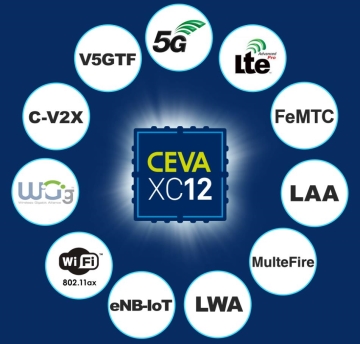
CEVA Launches Communications DSP for 5G Readiness
CEVA announced the launch of a communications DSP capable of meeting all performance requirements demanded by multi-gigabit modems. The newly introduced communications DSP 'CEVA-XC12' has been designed based on CEVA's unique expertise in DSP architecture design and long-established partnerships with wireless vendors, and efficiently implements 5G, gigabit LTE, MU-MIMO Wi-Fi, and other multi-gigabit modems.
2017.02.23by 김지혜 기자

Maxim Launches Embedded Security Platform to Protect IoT Devices and Data Paths
Maxim Integrated Korea has launched 'MAXREFDES155#', a DeepCover embedded security reference design that protects Internet of Things (IoT) devices and data paths. IoT application developers can now easily and quickly design robust cryptographic authentication that ensures the reliability and integrity of small data transactions between devices and the cloud.
2017.03.13by 김지혜 기자
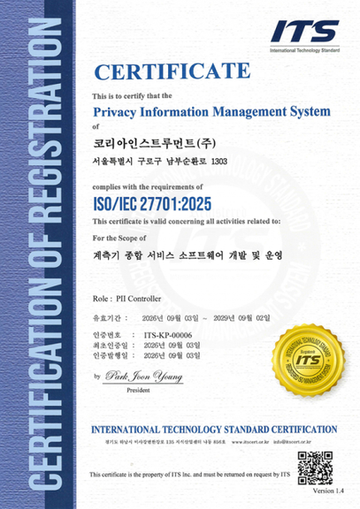
Korea Instrument, KOLAS Accredited Calibration Agency First to Simultaneously Acquire ISO/IEC 27,001·27,701
Korea Instrument has become the first among KOLAS accredited calibration agencies to simultaneously acquire ISO/IEC 27,001 and ISO/IEC 27,701 certifications. Through its proprietary platforms CWIZ Enterprise and CWIZ Partners, the company has embedded information security and personal data protection requirements across all business processes including customer information, equipment data, and calibration reports, with plans to continuously advance its management system through regular audits and security inspections.
2026.10.12by 배종인 기자

TeamViewer One, IT Incident Automation Workflow and Resolution Center Enhanced
TeamViewer has added IT incident automation capabilities and an advanced Resolution Center to its integrated digital workplace management platform 'TeamViewer ONE'. Recurrent service disruptions, configuration errors, and capacity shortages are automatically handled according to preset policies, and device status verification through script deployment can be managed in a unified interface, significantly reducing repetitive tasks for IT teams.
2026.10.12by 배종인 기자











