


Why are participants in the C-ITS pilot project, which was supposed to create cutting-edge roads, giving up?
 Published2017.03.20 09:17
시범 서비스 체험단 3,788명 신청 중 최종 설치한 체험자 1,694명
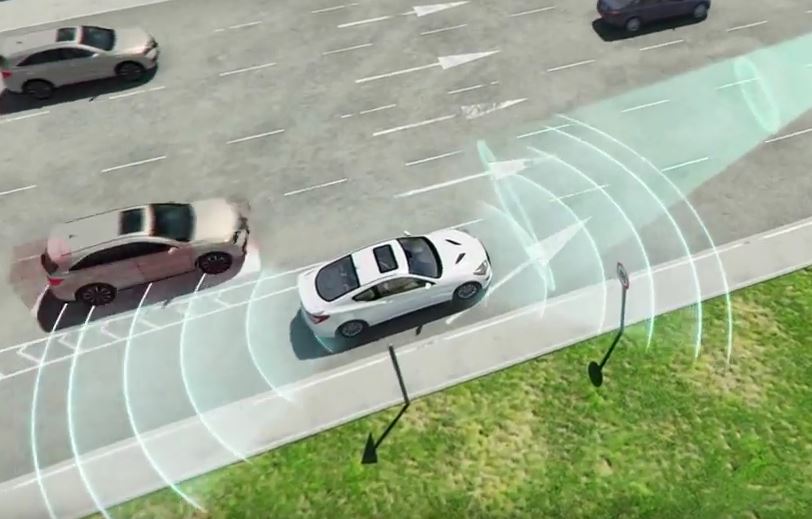
유치원 등하굣길, 옐로우 버스에서 아이들이 내렸다. 이때 급경사를 내려오던 차량 운전자가 버스에 가려진 아이를 보지 못했다면? 안개가 짙게 덮인 날 도로 위에 놓인 물체를 발견했는데, 방향을 틀 수 없을 정도로 가까워졌다면? 아찔한 사고가 날 수 있는 순간이다.
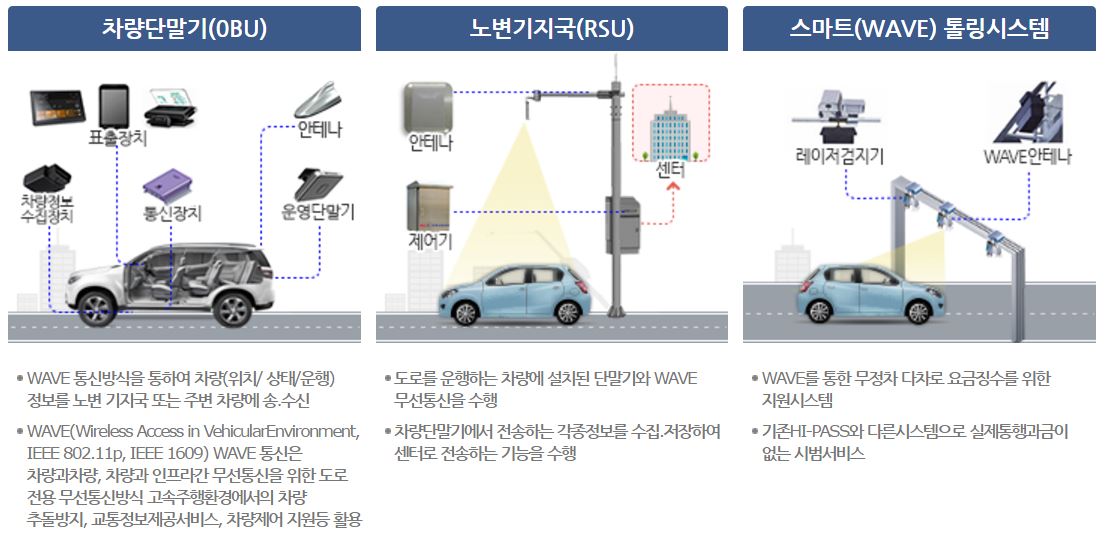
차량 단말기는 GPS를 알릴 수 있는 표출장치와 안테나, 차량정보 수집장치, 단말기로 구성됐다.
나머지 단말기는 대전의 택시를 상대로 모두 설치할 예정이다. 단말기 설치 시 2년간의 의무 사용 기간을 갖는다. C-ITS 사업은 올해 7월까지 진행되며 남은 기간 사업 활성화를 위해 보안인증체계 마련, 신호정보 연계서비스 구축, C-ITS 기술 및 서비스 표준화 추진, 국내외 동향에 따른 단말기 보급방안 마련을 해나갈 계획이다.
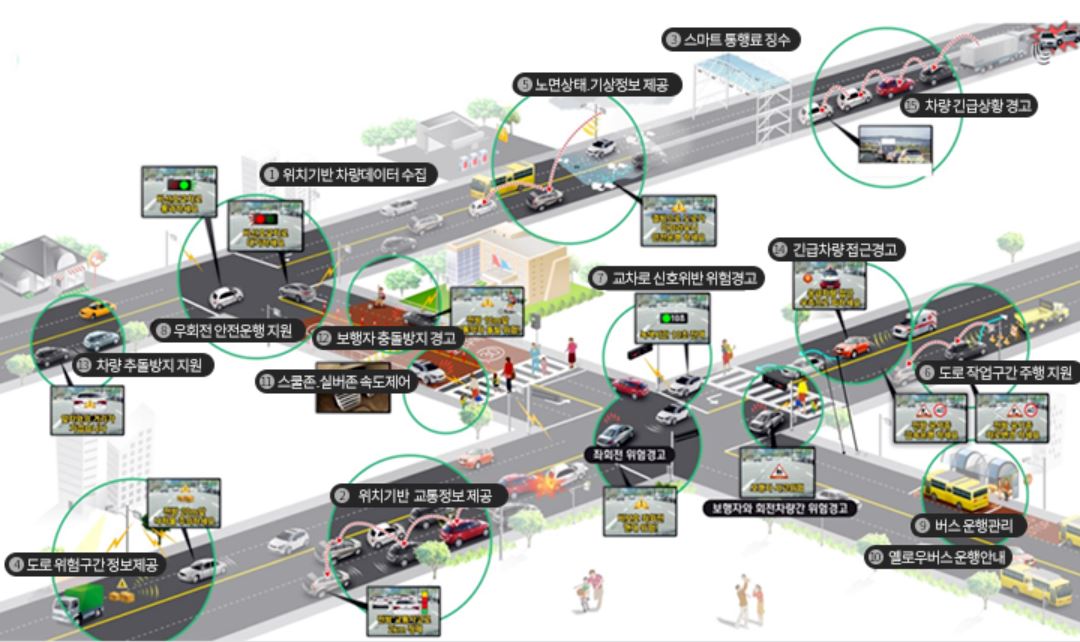
한국 도로공사의 김형래 차장은 “미국과 유럽의 국제 표준에서 필요 부분만 발췌해 인용한 서비스가 15가지 주요 기능”이라며 “국제표준에 부합하지는 않지만, 시범 운행 후 인프라를 구축해 국제 표준 절차를 밟아 나갈 것”이라고 밝혔다.
Comments
Related news
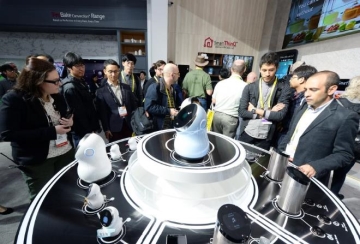
[CES 2017 Wrap-up] Home Appliances and Cars Are Now a Single AI Device
Last year's CES (the world's largest consumer electronics trade show) clearly demonstrated the IT transformation of automobiles, while this year's exhibition stood out for the evolution of artificial intelligence (AI) being applied to these consumer electronics and automobiles. In contrast to previous instances where certain home appliances and smartphones exchanged information and controlled operations with one another, AI-enabled home appliances connect all products to one another, enabling them to independently learn customers' product usage patterns and surrounding environments and provide optimized solutions. Additionally, this year's exhibition notably highlighted cooperation between IT companies and automobile manufacturers for the commercialization of autonomous vehicles more than ever before. Through major companies participating in CES, we examined prospects on how artificial intelligence will transform the concepts of home appliances and automobiles and reshape everyday life.
2017.01.09by 신윤오 기자
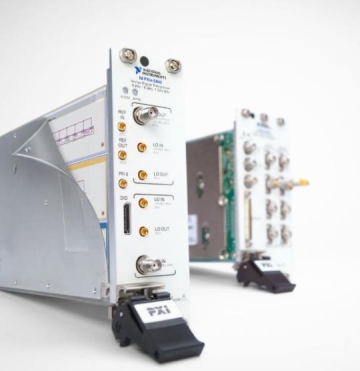
NI Unveils Smart Test Technology for Autonomous Vehicles
National Instruments (hereinafter NI) announced that it will participate in the 'Automotive Testing Expo 2017' to be held at KINTEX in Ilsan from March 6 to 8, and will showcase smart test solutions and demonstrations for autonomous vehicles. At this exhibition, NI plans to unveil the latest solutions that can reduce test costs and time for autonomous vehicles while securing industry-leading measurement accuracy.
2017.02.28by 김지혜 기자
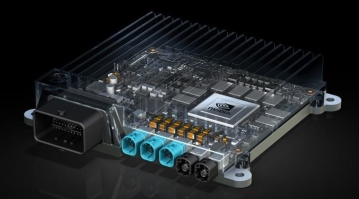
Nvidia, Bosch Develop AI System for Production Vehicles
Nvidia has announced a collaboration with Bosch, the world's largest automotive parts manufacturer, to develop artificial intelligence autonomous driving systems for production vehicles. The announcement was made during the keynote speech by Volkmar Denner, CEO of Bosch, at the annual Internet of Things conference "Bosch Connected World" held in Berlin.
2017.03.17by 김지혜 기자
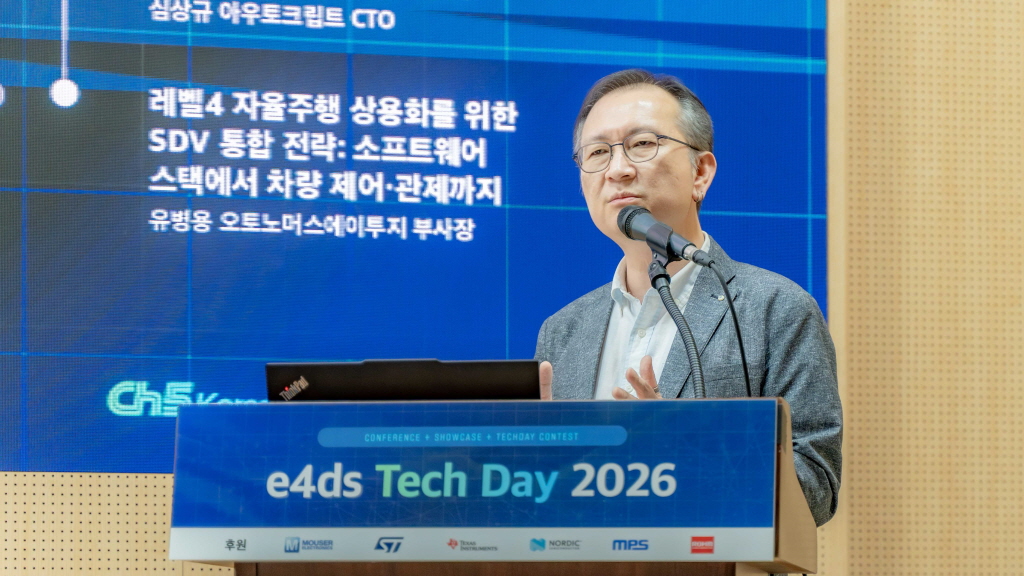
[e4ds Tech Day 2026 ⑨] Sim Sang-gyu, Autocrypt CTO: "In the Physical AI Era, Automotive Security Must Extend Beyond the Vehicle"
At e4ds Tech Day 2026, Sim Sang-gyu, CTO of Autocrypt, explained automotive cybersecurity strategies in the era of Physical AI and SDV (Software-Defined Vehicle). Automobiles are evolving as part of an ecosystem connected to AI, cloud, chargers, IoT, and robots, and he emphasized that the scope of security must expand beyond the vehicle interior to the entire connected environment. In particular, AI model tampering, adversarial attacks, OTA updates, and EV charger hacking were identified as major threats. He explained that response measures require zero trust, AI model integrity protection, intrusion detection, Security by Design and Default, and full lifecycle security management, and that proactive security system establishment beyond regulatory compliance is critical for securing future mobility competitiveness.
2026.10.12by 배종인 기자

Practical HIL Construction Strategy for Automotive and Off-Highway Controller Validation
As vehicle E/E architecture transitions to zonal structures and shifts to software-defined vehicles (SDV), the number of controllers (ECUs) requiring validation and software complexity are surging dramatically. Meanwhile, real vehicle testing cannot provide repeated verification under identical conditions and entails lead time and safety concerns. This white paper explains the principles of HIL (Hardware-in-the-Loop) validation and the structure of the NI platform composed of PXI, SLSC, and VeriStand, and through two actual implementation cases—Camera Record & Replay HIL for In-Cabin Monitoring Controller (ICMU) and Forklift Controller (VCU) HILS—describes how controller-level regression testing becomes possible. Additionally, it explicitly states application boundaries and limitations, such as lack of A2B support.
2026.10.12by 편집부











