


[Planning-Autonomous Vehicles④] Free WAVE Communications, Together with Cellular, Takes Responsibility for Vehicle Communications
 Published2017.05.08 14:17
꿈이 현실이 됐다, 라는 말이 가장 잘 어울리는 기술이 있다면 바로 그것은 자율주행 자동차일 것이다. 자동차를 부르면 알아서 달려오고, 또 스스로 목적지까지 주행한다. 자율차는 주행 중 장애물을 인식해 피하고 주인에게 각종 편의와 정보를 제공한다. 완전 자율주행차의 상용화는 좀 시간이 걸리겠지만 소위 말하는 ‘반 자율주행차’ 기술은 갈수록 고도화되고 있다. 이제 자율주행 기능을 갖춘 자동차 광고도 쉽게 볼 수 있을 정도로 우리 생활 깊숙이 다가왔다. 본지는 앞으로 11회에 걸쳐 자율주행차 기획을 연재한다. 자율주행차 산업 트렌드를 시작으로 레이더, 라이다, 카메라센서 등 반도체 부품, 통신, 정밀지도, SW플랫폼, 인공지능, 보안, K-City 서비스 등을 다룬다. 독자 여러분의 많은 성원을 부탁 드린다. <편집자 주>
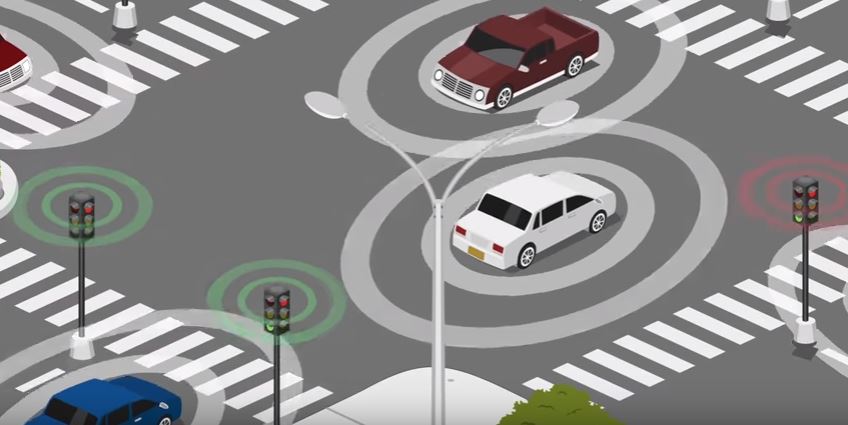
자율주행차가 제아무리 첨단 센서 기능을 장착한다고 해도 완전한 자율주행을 위해서는 주변 환경 정보가 있어야 돌발 상황에 대처할 수 있다. 언덕을 넘을 때나 안개가 짙은 다리를 건널 때 센서와 카메라는 한계를 갖는다. 차량과 차량 사이의 통신(V2V)은 물론 차량과 사물 간의 통신(V2X)이 필요한 이유다.
차량의 통신은 보통 DSRC, WAVE(802.11p), WLAN (802.11a) 등이 쓰인다. DSRC (Dedicated Short Range Communication)는 노변 기지국과 차량 단말기 간의 여러 서비스와 정보를 주고받는 양방향 통신 방식으로 ITS (Intelligent Transport System)에 가장 적합한 통신 방식이다.
차량용 무선 통신(IEEE 802.11p)으로 알려진 WAVE(Wireless Access in Vehicular Environment)는 노변, 차량 간 통신 등을 통하여 공공의 안전 및 개인 통신을 지원하는 중·단거리 무선 데이터 통신이다. 이 차량용 고속무선통신기술은 고속으로 주행하는 상황에서 V2V, V2I(차량과 인프라)을 지원하여 전방 도로 및 차량의 위험정보를 긴급 전송, 후속 추돌사고 등을 예방하는 안전 서비스, 다차로 무정차톨링 서비스 등 다양한 차세대 지능형 교통시스템 구축에 활용할 수 있는 차량 네트워크 기술이다.
올해 2월, 미 도로교통안전국(NHTSA)이 새로 출시되는 신차에 차량 간 통신기술(V2V) 탑재를 의무화했다. 2022년이면 미국의 모든 신규 차량에 V2V 기술을 탑재할 것으로 전망된다. 현대자동차는 2019년 말까지 3개 차종에 WAVE 단말을 탑재해 출시할 계획이라고 발표했고, 국토교통부는 서울-세종 간 스마트하이웨이 사업에 이어 대전-세종 간 C-ITS(Cooperative Intelligent Transport Systems) 사업으로 테스트베드를 운영 중이다.
5G기반 V2X 홍보에 적극적인 통신사
통신사는 적극적으로 5G기반 V2X 홍보에 나섰다. 지난 달(4월)에는 5G 기반 자동차 기술 연구단체 5GAA가 이동통신 국제표준화단체 3GPP의 '시장 대표 협력업체(MRP)'로 합류해 5G를 기반한 V2X 개발과 표준화에 속도가 빨라질 것으로 보인다.
자율주행자동차 관련 세미나에 참석한 SK텔레콤 관계자는 “실시간 미디어 서비스나 의료 같은 분야를 제외하고 5G의 강점인 높은 보안과 빠른 데이터 송수신이 필요한 분야가 자율주행”이라며 5G가 자율주행에 적합한 통신 기술임을 강조했다. 완전 자율주행차로 가기 위해서는 센서와 인공지능(AI) 알고리즘을 탑재한 칩이 필요한데, 이에 적합한 통신은 1ms이하의 낮은 지연성과 20Gbps급의 빠른 속도인 5G가 적합하다는 것. 또한, 통신상 보안을 해결하기 위해 퀀텀 기반의 랜덤넘버(QRNG) 칩을 개발해 올해 마지막 테스트 단계에 이르렀다고 밝혔다.
셀룰러 V2X(C-V2X)인지 WAVE 통신인지, 의견이 분분하지만 현재로써 실시간 V2V가 가능한 통신기술은 WAVE뿐이다. C-V2X 뿐만 아니라 5G-V2X가 상용화되면 WAVE 통신과 하이브리드 형태로 갈 것이라는 게 업계의 전망이다.
■인터뷰
임기택 센터장 / 전자부품연구원 모빌리티플랫폼연구센터
“완전한 자율주행을 위해 WAVE와 이동통신은 서로의 보완재다”
WAVE 기지국 설치가 2021년에 마무리, 단말기 크기도 줄일 것
전자부품연구원(KETI)과 전자통신연구원(ETRI) 등 관련 기관은 차량용 통신 기술 개발에 열을 올리고 있다. 국내 WAVE통신 기술과 단말기, 서비스 소프트웨어 등 통신 모듈을 개발한 전자부품연구원(KETI)의 임기택 센터장을 만났다.
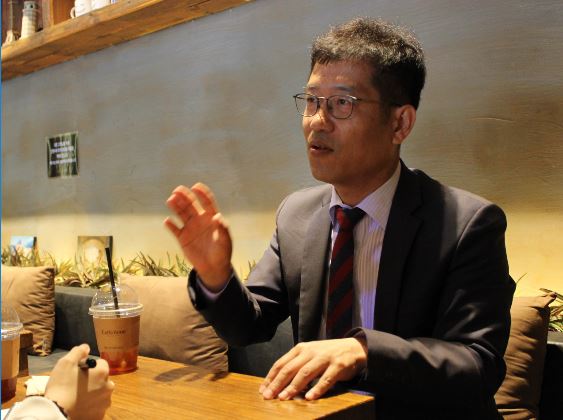
Q. 세종-대전 C-ITS 사업에 전자부품연구원에서 개발한 WAVE 통신 기술이 도입됐다고 들었다.
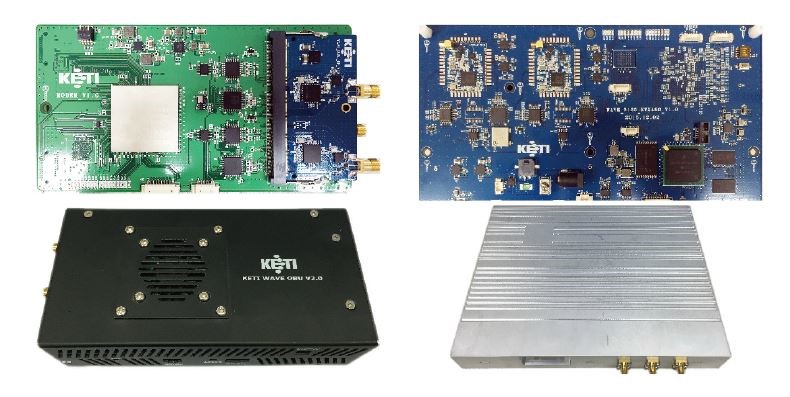
A. 통신 칩부터 반도체로 차량에 장착하는 단말기, 도로 기지국, 서비스 어플리케이션을 개발했다. 국토부와 함께 하는 사업이라, 실험실에서 그치는 게 아니고 실제 도로에서 테스트까지 진행할 수 있었다. WAVE가 도입되면 차량을 중심으로 최소 5백미터에서 1키로미터까지 후방, 측방, 전방의 상황을 알려준다. 이는 내비게이션 단말에 팝업으로 띄우거나 소리로 알려주거나, 웨어러블 디바이스에 알려주거나 하는 형태로 발전해 나갈 수 있다.
Q. 앞선 사업 여주-경부 스마트 하이웨이 사업과 세종-대전 C-ITS사업에서 추가된 사항은?
A. 스마트 하이웨이는 WAVE 통신에 집중했다면, C-ITS는 WAVE와 이동통신 셀룰러를 융합한 형태다. 시중에 나와있는 자율주행 차의 카메라나 레이더, 라이다, 센서 등은 가격이 비싸서 보급이 어려운 실정이다. 이런 장치들을 보급형으로 사용해도 커넥티드카를 실현할 수 있게, 도로에 통신망을 구축하고 있다. 테스트 과정 중에 도로마다 다른 통신 특성을 반영해 계속해서 발전하고 있다.
Q. WAVE 기지국은 1km당 하나를 설치해야 해서 기지국 설치비용에 대한 의견이 많은데.
A. 국토교통부는 2021년까지 전국 고속도로 5,000km에 WAVE 기지국을 설치할 계획이다. 터널이나 곡선 구간에도 촘촘히 설치하려면 5,500개 정도 설치될 것으로 본다. 그런데 기존에 광통신이 지하에 깔려 있는 곳도 있고, 쇠 막대기 같은 홀대가 있는 곳도 있어 기지국만 설치하면 되는 곳도 있다. WAVE는 상용화 되면 단말기만 있으면 통신 사용은 무료다.
부가적인 엔터테인먼트 서비스를 이용하고자 한다면
통신사에 가입해서 이용하면 될 것"
Q. 셀룰러 이동통신은 이미 기지국이 있어, 새로 짓지 않아도 되지 않은가.
A. 이동통신은 아직 표준화 단계다. 통신사 측에서 5G를 차량용 채널로 운영한다면 수익을 고려해 월 8천원 정도 요금을 부과할 것이다. 상용화가 이뤄지고 셀룰러와 WAVE가 하이브리드 단계로 간다고 했을 때, 안전 서비스 정도만 필요하다면 WAVE를 쓰고 부가적인 엔터테인먼트 서비스를 이용하고자 한다면 통신사에 가입해서 이용하면 될 것 같다.
Q. WAVE 기지국 설치가 2021년에 마무리 된다면, WAVE 통신에 보안이나 안전성 기술도 함께 확보가 되는 것인가.
A. 안전성만 두고 봤을 때는 통신 성공률을 95%까지 확보했다. 완전 자율주행자동차가 되려면 99% 이상을 지원해야 한다. 불가항력적인 끊김 현상을 없애고 상시연결을 지원하기 위해 통신을 위해 연구하고 있다. 보안은 자체적으로 철저히 준비중이고 통신사와 연계한 활동도 진행 중이다.
LTE-V2X 표준화는 마무리 단계라 테스트 후 적용되려면 2~3년정도 걸릴 것으로 본다. 5G 표준화는 2020년쯤 이뤄질 것이고. 일단, WAVE를 상용화하고 추후 LTE나 5G와 하이브리드 형태로 진행할 수 있도록 확장성을 갖고 진행할 계획이다. 완전한 자율주행을 위해 WAVE와 이동통신은 대체제가 아니고 보완재다.
Q. C-ITS 사업에서 보면, 단말기 크기 때문에 중간에 포기하는 사람도 있다고 들었다. 단말기 상용화는 언제쯤 이뤄지나?
A. 현재 단말기 크기는 휴대폰의 1.5배 정도다. 트렁크에 설치해서 단말기 자체는 보이지 않지만, 선때문인 것 같다. 2~3년 안에 단말기 크기도 하이패스처럼 손바닥 반 정도 크기로 될 것이며, 차량 안에 탑재되어 보이지 않게 될 것이다. 전국 기지국 설치가 마무리 될 때쯤 단말기 지원 사업과 정책도 본격화할 것으로 보인다.
Q. 현재 진행 사항은 국내와 외국의 기술 격차가 얼마나 있나?
A. 미국이나 유럽은 기술을 떠나서 2000년대 초반부터 프로젝트를 많이 진행했다. 미국 미시건의 시범 사업이 2012년에 실시했고, 대전-세종 C-ITS가 2014년 시작했으니 연도만 봐도 뒤에 있다. 그런데 현재 기술만 두고 보면, 거의 동등한 수준이다. 작년 호주에서 열린 ITS세계대회에서 시연회를 보니 대전 C-ITS에 도입된 기술보다 떨어진 수준이었다.
Q. 통신 칩은 어떻게 하나.
A. 통신 칩을 양산하려면 10억 정도 필요해 직접 칩을 만들 수는 없어서 FPGA를 개발해 비공식적으로 모뎀을 테스트 해보기도 했다. 결과는 동등한 수준이었다. 칩을 R&D사업이나 중소기업에서 개발하는 데는 한계가 있다. 대기업에서 진행해줬으면 좋겠는데, 현재는 아쉬운 수준이다.
전용 차선이나 차가 별로 없는 폐쇄적 도로, 넓은 공장 등에서 부분적으로 먼저 보급될 것으로 본다."
Q. 2020년쯤이면 자율주행이 상용화 될거란 말이 많다.
A. 2020년이나 2021년이면 부분 자율주행차가 상용화가 될 것이다. 일반 고속도로에 자율주행과 비자율주행이 혼재하는 형태가 아닌, 전용 차선이나 차가 별로 없는 폐쇄적 도로, 넓은 공장 등에서 부분적으로 먼저 보급될 것으로 본다. 시범사업을 통해 적절한 시기를 연구 중이다. 2019년쯤이면 관련 정책도 하나 둘 나올 것으로 본다. 상용화에 있어서 보급 정책이 가장 중요하다. 차량간통신(V2V)은 단말기가 모든 차량에 장착되야 효과를 발휘할 수 있다. 블랙박스를 설치하면 보험료를 5% 할인 해주듯, 보조금 지급이나 제도적 지원이 필요하다.
Q. 완전 자율주행차는 언제쯤 완성될 것으로 보는가?
A. 시중에 나오려면 법이나 윤리, 보험 등 갖춰져야 할 부분이 많다. 사고 났을 때, 운전자를 보호할 지, 보행자를 보호할 지 자동차가 판단하게 할 것인가. 차의 대처 능력에 얼마나 기댈 수 있는가. 온갖 돌발상황에 대해 100% 커버할 수 없기 때문이다.
Comments
Related news
[Planning-Autonomous Vehicles①] Domestic Technology 'Cannot Stand Alone' - Strategic Collaboration Ecosystem Must Be Established
The most striking aspect of the 2017 Seoul Motor Show that concluded last week was the first-time participation of NAVER, a leading domestic IT company. While IT companies developing automobiles is no longer an unfamiliar sight, the appearance of a leading domestic IT company at Korea's representative auto show holds significant symbolic meaning for the automotive sector. NAVER became the first domestic IT company to receive temporary road-driving approval from the Ministry of Land, Infrastructure and Transport for autonomous vehicles. Presenting a Level 3 autonomous vehicle, NAVER is developing autonomous vehicles as part of environmental implementation with 'living environment intelligence' as its technological direction. Prior to this, Hyundai Motor presented a Level 4 vehicle where the system can safely operate without driver intervention. Hyundai achieved autonomous driving by adding only minimal sensors such as radar and LiDAR to sensors already applied in mass-production vehicles.
2017.04.10by 김지혜 기자
[Feature - Autonomous Vehicles ②] Radar IC Market Seeing More 'Players'; Will Competition Heat Up Among Semiconductor Companies?
If there is a technology where the phrase "dreams have become reality" fits best, it would surely be autonomous vehicles. You summon a car and it comes running on its own, then drives to your destination by itself. Autonomous vehicles recognize and avoid obstacles during driving while providing various convenities and information to the owner. While full autonomy commercialization will take some time, so-called "semi-autonomous driving" technology is becoming increasingly sophisticated. Nowadays, advertisements for automobiles equipped with autonomous driving functions are easy to see, bringing the technology deep into our daily lives. This publication will serialize an autonomous vehicle planning series over the course of 11 installments. Beginning with autonomous vehicle industry trends, we will cover semiconductor components such as radar, lidar, and camera sensors, as well as communications, precision mapping, software platforms, artificial intelligence, security, and K-City services. We appreciate your continued support and interest. <Editor's Note> The radar IC market, one of the key sensors for autonomous driving, is heating up increasingly.
2017.04.17by 신윤오 기자
[Planning - Autonomous Vehicles ③] Camera, Lidar “Cars finally have eyes”
As commercialization of Level 3 autonomous driving technology begins, interest in advanced driver assistance systems is also increasing. ADAS systems serve as a foundation for autonomous vehicles, and while they initially primarily functioned to inform drivers of road conditions through notifications, they have recently advanced to the level of automatically controlling the steering wheel, brakes, and other components. The Genesis EQ900 is equipped with advanced driver assistance systems (ADAS) including Advanced Smart Cruise Control (ASCC), Blind Spot Detection (BSD), Autonomous Emergency Braking (AEB), Driver Attention Alert (DAA), Smart High Beam (SHBA), and front seat pre-active seatbelts. The new i30 wagon incorporates ADAS technologies such as Adaptive Cruise Control (ACC), AEB, and Lane Keeping Assist System. For these ADAS systems to operate, detection through cameras, lidar, and radar sensors is essential. When examining ADAS system installation by vehicle type, except for some small vehicles, either cameras alone or a combination of radar and stereo cameras are applied. Cameras can cover a range of up to 100m ahead, surround view, and rear areas. They function in a role that provides intuitive assistance to drivers by enabling actual visual observation. For autonomous driving, a minimum of 5 or more camera sensors per vehicle must be installed to achieve 360-degree full coverage detection.
2017.04.24by 김지혜 기자

[e4ds Tech Day 2026 ⑨] Sim Sang-gyu, Autocrypt CTO: "In the Physical AI Era, Automotive Security Must Extend Beyond the Vehicle"
At e4ds Tech Day 2026, Sim Sang-gyu, CTO of Autocrypt, explained automotive cybersecurity strategies in the era of Physical AI and SDV (Software-Defined Vehicle). Automobiles are evolving as part of an ecosystem connected to AI, cloud, chargers, IoT, and robots, and he emphasized that the scope of security must expand beyond the vehicle interior to the entire connected environment. In particular, AI model tampering, adversarial attacks, OTA updates, and EV charger hacking were identified as major threats. He explained that response measures require zero trust, AI model integrity protection, intrusion detection, Security by Design and Default, and full lifecycle security management, and that proactive security system establishment beyond regulatory compliance is critical for securing future mobility competitiveness.
2026.10.12by 배종인 기자

Practical HIL Construction Strategy for Automotive and Off-Highway Controller Validation
As vehicle E/E architecture transitions to zonal structures and shifts to software-defined vehicles (SDV), the number of controllers (ECUs) requiring validation and software complexity are surging dramatically. Meanwhile, real vehicle testing cannot provide repeated verification under identical conditions and entails lead time and safety concerns. This white paper explains the principles of HIL (Hardware-in-the-Loop) validation and the structure of the NI platform composed of PXI, SLSC, and VeriStand, and through two actual implementation cases—Camera Record & Replay HIL for In-Cabin Monitoring Controller (ICMU) and Forklift Controller (VCU) HILS—describes how controller-level regression testing becomes possible. Additionally, it explicitly states application boundaries and limitations, such as lack of A2B support.
2026.10.12by 편집부











