



[Experience] I went to the Home IoT Experience Center and the experience was 'interesting', but the purchase was 'not sure'
 Published2017.06.12 06:56
AI adoption 'not yet' except for voice assistants
“Okay, let’s get into the technique.”
From the front door's facial recognition to the kitchen, living room, bathroom, and bed, the Internet of Things has been incorporated. On a rainy day, I visited Dustmartium. Since the opening of the smart home and smart city in April, Dustmartium, which usually receives about 30 visitors three times a day at 10:00, 12:00, and 2:00, had no visitors, perhaps because of the weather. Despite this,
'I have to do the interview'
After turning on all the devices that were turned off to save electricity, I stood in front of the mirror next to the closet. It is not a regular mirror, but a smart mirror that allows you to try on clothes through a video without having to wear them yourself. If Amazon's Echo Look takes photos and videos and shows them on your phone, the smart mirror is literally a mirror. First, I chose women and men and tried on clothes from outerwear to T-shirts, pants, and dresses by gesturing with my hands.
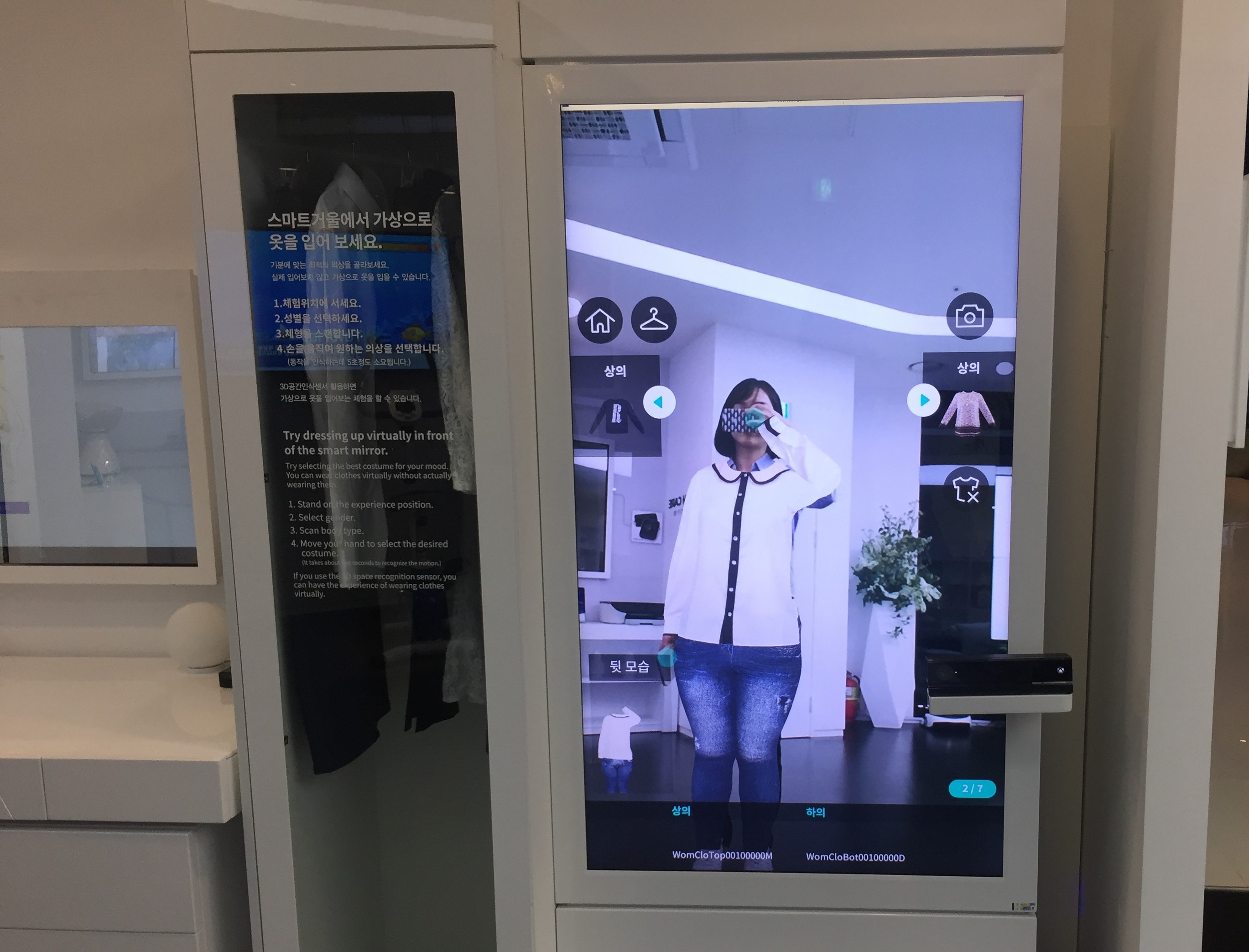
'Well, it's not that fat?'
Because of the design of the pants I was wearing, I ended up wearing size XL which didn't fit my body type.
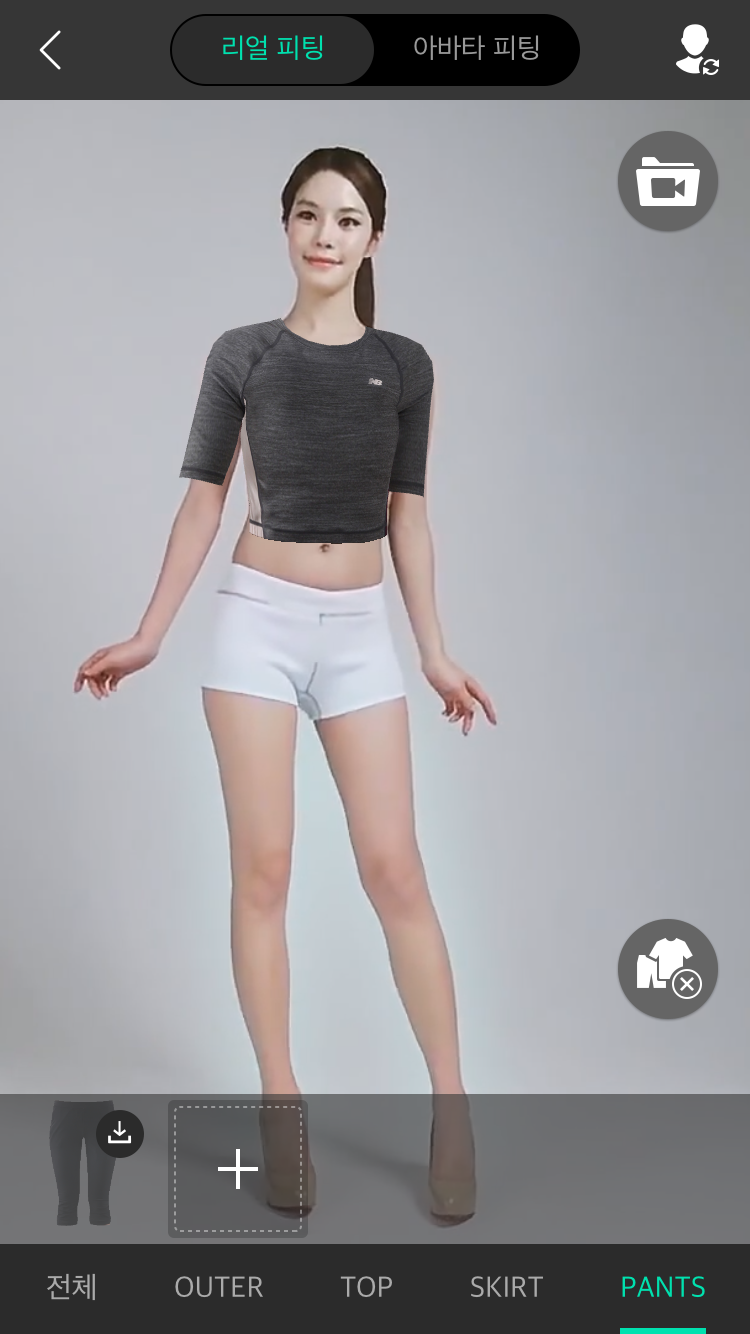
I was tired of doing all kinds of poses, so I made a video and downloaded the FitNshop app. There were more brands than I thought, like Hyunx, Lotte, and xBalance. After choosing clothes, you can do a virtual fitting and even buy them. However, in order to make the video and put the clothes on the video, I had to download the clothes. It may vary depending on your internet speed, but it took the reporter 3 minutes to download the T-shirt.
'Well, it would be faster to try on clothes?'
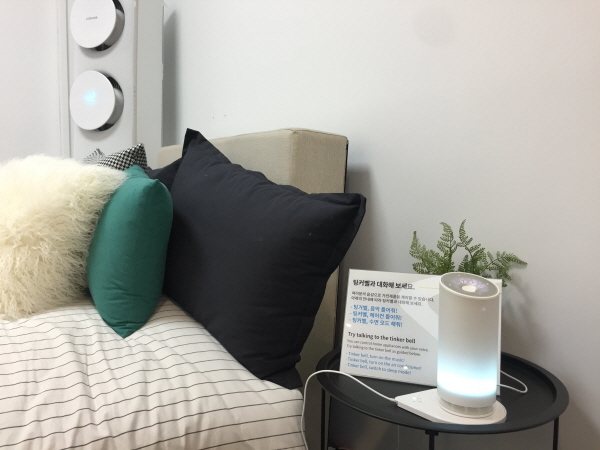
In the bedroom, there is SK's AI speaker 'Who'. Its name is Tinkerbell. It says that it can give three commands: "Tinkerbell, turn on the air conditioner." "Tinkerbell, turn on the air purifier." "Tinkerbell, turn on the music." In a hurry, I said, "Tinkerbell, turn on the air conditioner, air purifier, and music." But there was no response. I completed the experience by calling Tinkerbell three times and giving individual commands.
It was my first time meeting someone in person, so I spoke to her from a distance. One step was easy, and two steps were okay. But when I called her from three steps away, she said, “Tinkerbell, turn off the music,” perhaps because the space in the experience center was wide open.
It's completely dark again with no news. The lights and TV in the bedroom were not connected.
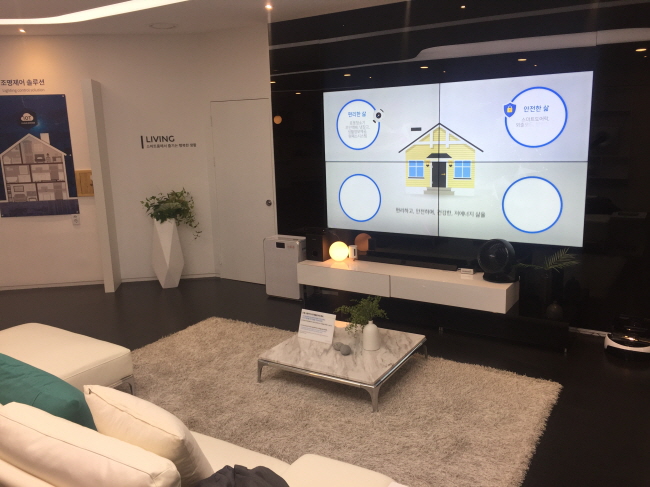
I sat on the living room sofa. Since I didn't have a remote control, I reached out to the TV and 'clicked'. It didn't recognize me at first, so I clicked here and there, and the light on the left and the fan on the right turned on and off alternately. The image was a video, not a TV channel, and only supported play and pause, and there was no function to change channels or adjust the volume.
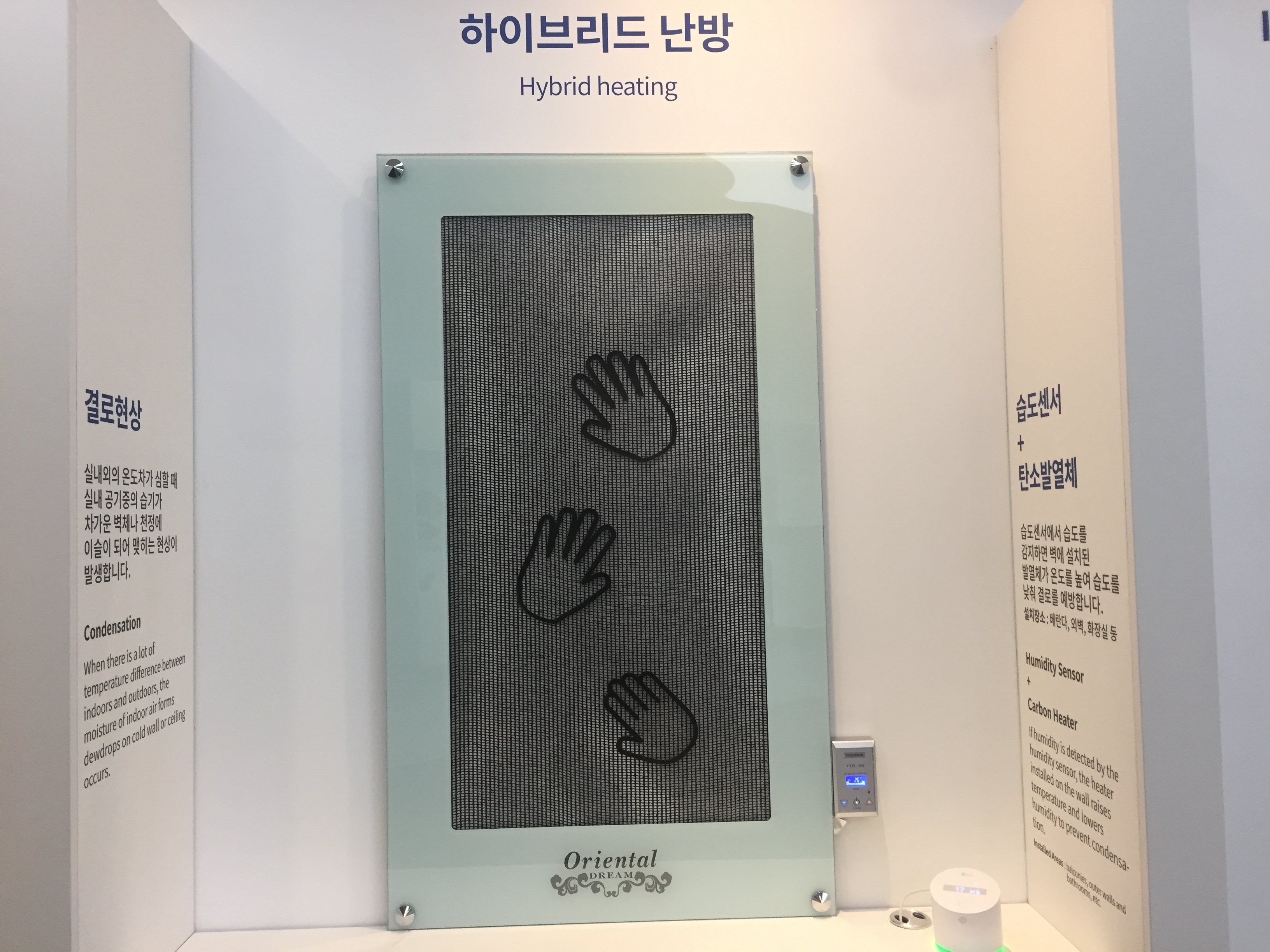
There are air, humidity, and light sensors in the indoor environment. I couldn’t confirm whether these sensors were working properly on site, so I asked the person in charge, and the answer I got was, “When the indoor carbon dioxide is high, the sensors circulate the outside air, and when the humidity is high and mold can grow, the temperature is raised. The light sensor is an LED that allows users to select the color, and when there is no one, the light does not come on, which reduces unnecessary electricity waste.” The lighting is similar to the existing shoe cabinet lights that turn on and off.
The kitchen was equipped with a smart refrigerator, a gas leak detector, an IoT rice cooker, and a coffee machine. The smart refrigerator had notes of visitors. I tried to add a word to the note that said, “I’m here,” but the touch display was slow to respond, so I gave up.
Since I've recently gotten used to voice assistants, I pressed the microphone button and asked, "Are you there?" Again, there was no response. It was voice recording, not voice recognition. All items in the refrigerator, including vegetables, fruits, and side dishes, must be entered using the touch display.
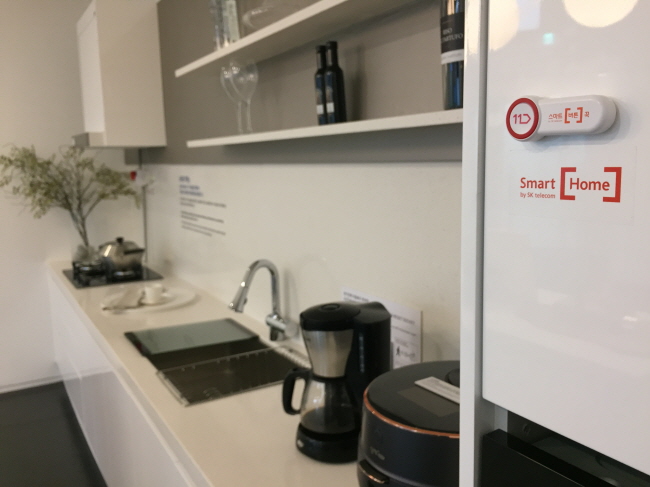
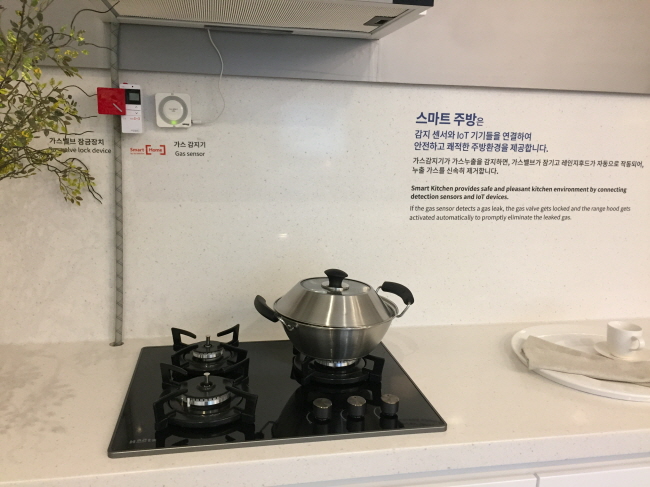
In addition, I was not able to experience the IoT rice cooker, coffee machine, and gas range. If the ideal IoT is realized, coffee will be made and rice will be cooked at the time entered into the application by the user. Also, the gas range will heat the stew with the app, and the exhaust fan will automatically turn on when a leak is detected.
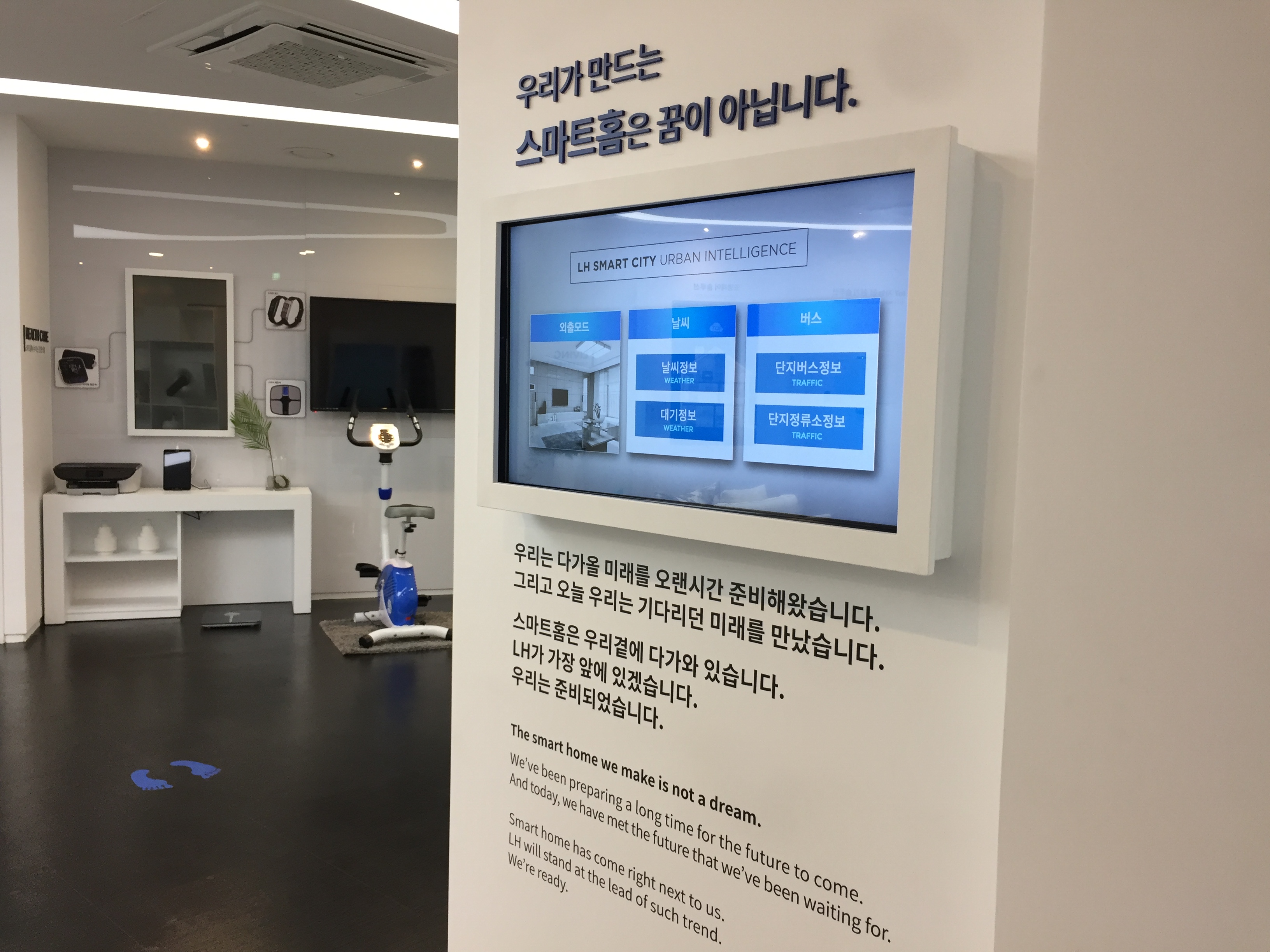
Before leaving the house (experience center), you can check the weather, bus and bus stop information at the front door. It is not information based on actual data, and it is not necessary bus stop information, but it is a screen that allows you to check how fast you should run if you are at your house, whether you can walk, whether you should bring an umbrella, and whether you should wear more outerwear.
On one side, startup products were displayed. From LED toothbrushes to skin humidity sensors, face washers that wash with foam, and pill bottles that tell you when to take your medicine, visitors can experience them and check detailed performance and prices on the monitor before purchasing them. Although visitors cannot actually use the products except for the skin humidity meter, it seemed meaningful that they could interact with startup companies.
Comments
Related news
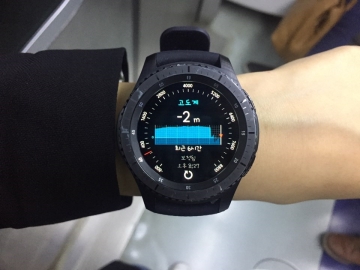
[Experience the experience] I gave my Gear S3 with Samsung Pay to an employee when it didn't work.
On the 2nd of this month (Tuesday), Samsung Pay service came to the Gear S3. "Ah, Samsung Pay, which we've been waiting for!" It seemed as if the voices of Gear users could be heard. As my interest in wearable devices has been heightened among readers and I was paying close attention, I thought this was the right time to test the Gear S3 Bluetooth version. Meeting iPhone and Gear Since I had no experience with smartwatches, I decided to adapt with my own phone (iPhone 6) first and then use a Samsung mobile phone. First, I installed the Gear S app on my phone. It has been 4 months since its official launch on iPhone. The recommended apps include watch faces, games, music playback (Melon, Mnet), Seoul public transportation, and more. Even without a phone connection, I can use basic apps such as S Health (step count, cups of coffee/water consumed, number of times climbing stairs, calories burned, heart rate, etc.) as well as a barometer, calendar, and news briefing reminders. However, since I cannot always connect to WiFi, I connected via Bluetooth. I can make or receive calls, and can only check new text messages and KakaoTalk messages.
2017.05.15by 김자영 기자
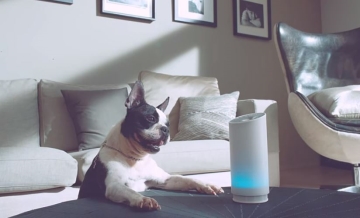
[Reporter's Notebook] Would you like to place an AI speaker at your father's house?
Leading companies have all taken on the role of "assistant." With Alexa, Google Assistant, Cortana and others, we now have—and will continue to have—multiple voice assistants to choose from. Amazon, which opened the voice assistant speaker market in 2014 with the Echo, has since launched the Echo Dot and Echo Look, followed by the Echo Show with a touch screen. Domestic companies are also moving actively. In the Korean market, KT and SK have launched speakers, while LG, Naver, and Kakao are in the preparation stage. SK announced that NUGU, which began sales in September of last year, has surpassed 1 million units sold. In June, SK will introduce Aibril, a Korean-type Watson developed in cooperation with IBM's Watson. An SK C&C Aibril official stated, "There were no open-type API companies in Korea, and Watson has already emerged as a strong player in natural language processing. We chose a strategy to secure data rather than allocate time to platform construction." KT's GiGaGenie has presented an integrated speaker with a set-top box to existing Olleh TV customers. Naver disclosed artificial intelligence "Clova" before launching a speaker. Kakao began artificial intelligence development by establishing Kakao Brain in February.
2017.05.22by 김자영 기자
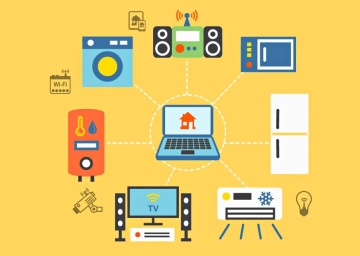
Will the 'Smart Interior' Industry Take Off as a New Market for IoT Convergence?
On the way home, I prepare for the house to recognize its owner. The air conditioner runs to maintain an optimal temperature and a meal is prepared. Upon arriving at the parking lot, I complete parking in an empty spot in one go and board the elevator. Without pressing a floor button, the front door recognizes the owner and opens. This is the "smart home" that will be realized in the not-too-distant future. The Smart Home Industry Association held a seminar at the Korea Science and Technology Center with the theme of "Smart+Interior Convergence New Market Discovery," presenting the direction of the smart interior industry. In the morning session, presentations were given on ▲Smart+Interior of LH Urban Regeneration and Smart City, ▲Competitiveness and Business Direction of Smart Interior O2O Platform Infoteria, ▲SH Advanced Future Technology Housing, and ▲Current Status and Prospects of IoT Smart Interior.
2017.06.02by 김자영 기자
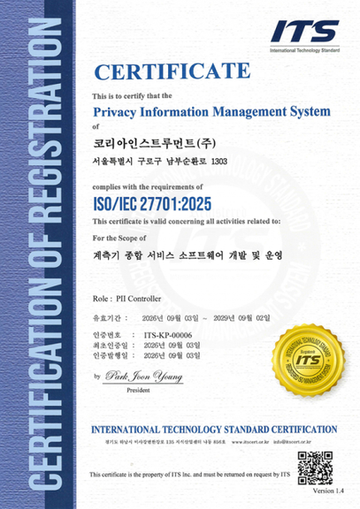
Korea Instrument, KOLAS Accredited Calibration Agency First to Simultaneously Acquire ISO/IEC 27,001·27,701
Korea Instrument has become the first among KOLAS accredited calibration agencies to simultaneously acquire ISO/IEC 27,001 and ISO/IEC 27,701 certifications. Through its proprietary platforms CWIZ Enterprise and CWIZ Partners, the company has embedded information security and personal data protection requirements across all business processes including customer information, equipment data, and calibration reports, with plans to continuously advance its management system through regular audits and security inspections.
2026.10.12by 배종인 기자

TeamViewer One, IT Incident Automation Workflow and Resolution Center Enhanced
TeamViewer has added IT incident automation capabilities and an advanced Resolution Center to its integrated digital workplace management platform 'TeamViewer ONE'. Recurrent service disruptions, configuration errors, and capacity shortages are automatically handled according to preset policies, and device status verification through script deployment can be managed in a unified interface, significantly reducing repetitive tasks for IT teams.
2026.10.12by 배종인 기자











