



[A Close Look at Quantum] 1. Ant-Man and the Story of Quantum
 Published2018.08.07 13:54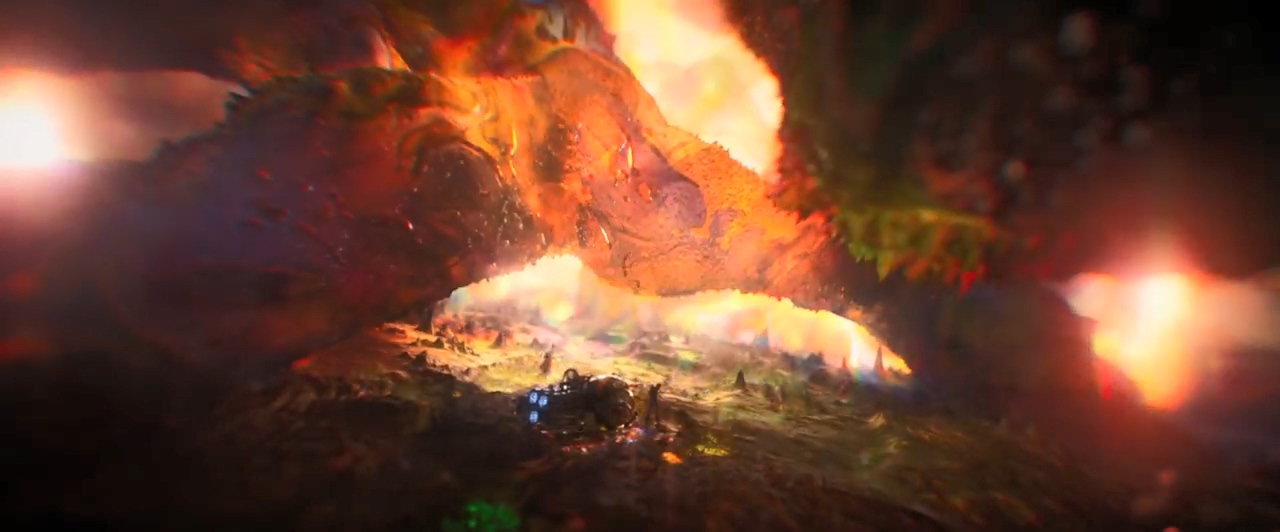
영화 '앤트맨과 와스프'에서 묘사된 양자 영역
작지만 강한 히어로 앤트맨
마블 시네마틱 유니버스(Marvel Cinematic Universe, MCU)의 팬이라면 올해 4월에 개봉한 ‘어벤져스: 인피니티 워’의 손가락 튕기기를 잊을 수 없을 것이다. 남은 히어로들은 이 범우주적 사태를 어떻게 풀어나갈 것인가? 궁금하지만 별수 없다. 후속편이 나올 내년 4월까지 기다려야 한다. 그래도 어느 정도는 해소할 수 있다. 올해 7월에 ‘앤트맨과 와스프’가 개봉했기 때문이다.
앤트맨은 자신과 사물의 크기를 자유자재로 줄였다가 키우면서 싸우는 히어로다. 앤트맨은 주연으로 나온 ‘앤트맨’과 조연으로 나온 ‘캡틴 아메리카: 시빌 워’에서 인상적인 활약을 펼쳤으나 인피니티 워에는 나오지 않았다. 다른 히어로들이 죽어라 싸우는 동안 앤트맨은 어디서 뭘 하고 있었을까? 그 전말은 ‘앤트맨과 와스프’에서 확인할 수 있다.
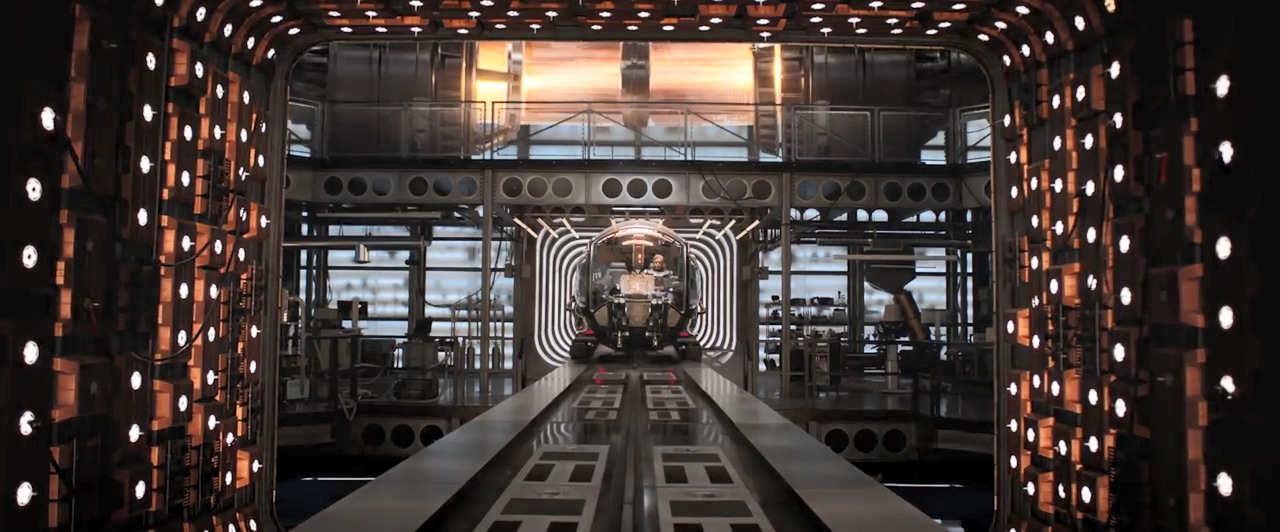
영화 '앤트맨과 와스프'에 등장한 양자 영역으로 들어가는 장치
'양자'를 어디에나 붙일 수 있는 이유
‘앤트맨과 와스프’를 보러 간 관객이 아마도 가장 많이 듣게 될 단어가 바로 ‘양자’일 것이다. 오죽하면 주인공이 “그 양자란 말은 아무데나 다 갖다 붙이는 겁니까?”라고 까지 말한다. 양자 에너지, 양자 영역, 양자역학, 양자 중첩, 양자 투과 등등. 그러나 영화 내내 양자가 줄기차게 언급되는 이유는 앤트맨과 양자가 떼래야 뗄 수 없는 관계기 때문이다.
앤트맨은 이름처럼 개미만큼 작아지지만, 작정하고 작아지면 원자보다 더 작아질 수 있다. 앤트맨은 가상의 핌 입자를 사용해 원자의 간격을 줄였다 늘리면서 작아졌다가 커질 수 있다. 영화 내에서 핌 입자를 개발한 행크 핌 박사의 발언이다. 아니, 원자의 간격만 줄였다 늘리는 데 원자보다 작아진다? 뭐, 앤트맨은 영화다. 영화적 허용으로 넘어갈 수 있는 부분이다. 그래도 핌 박사가 시간 관계 상 대충 설명해준 건 아닐까? 원자의 다른 걸 줄여볼 수 있지는 않을까?
원자는 원자핵과 전자로 이루어져 있다. 원자핵은 원자의 10만분의 1 크기며, 전자는 원자핵의 1000분의 1 크기다. 예를 들어 원자가 야구장이라면, 원자핵은 야구장 중앙에 놓인 야구공이며, 전자는 야구공에서 멀리 떨어진 먼지에 불과하다. 만약 어떤 사람이 원자 속으로 들어갈 수 있다면, 그 사람은 아무것도 없다고 생각할 정도로 원자는 텅 비어 있다. 앤트맨이 핌 입자를 통해 자신과 사물을 이루는 원자핵과 전자의 텅 빈 간격을 줄이고 늘릴 수 있다면 원자보다 더 작아지는 것이 가능하다. 핌 입자가 없는 우리는 불가능하다.
아무튼 앤트맨은 원자를 다룬다. 그리고 양자역학은 원자와 분자 크기 단위 이하의 세계를 다룬다.
양자역학과 양자
양자역학을 영어로는 quantum mechanics라 하는데, 앞의 quantum은 양을 의미하는 quantity에서 온 말이다. 무언가 띄엄띄엄 떨어진 양으로 있는 것을 말한다. 역학은 물체의 운동 및 상호작용을 수식으로 표현하는 방법을 배우는 분야다. 즉, 양자역학은 띄엄띄엄 떨어진 양으로 있는 것이 힘을 받으면 어떤 운동을 하는지 밝혀내는 학문이다.
양자역학은 고전역학으로 설명되지 않는 현상에 대한 정확한 설명을 제공한다. 19세기 중반까지의 실험은 뉴턴의 고전역학으로 설명할 수 있었다. 그러나 19세기 후반부터 이뤄진 아원자입자 관련 실험은 고전역학으로 설명할 수 없었다.
양자의 개념은 흑체복사를 연구하던 독일의 막스 플랑크(Max Planck)가 20세기 초에 도입했다. 그에 의하면 양자는 빛 내부의 에너지, 빛 하나하나의 에너지다. (후에 아인슈타인이 이 하나하나의 양자가 광자라는 사실을 밝혀냈다.) 양자역학에 대한 논의가 어느 정도 이뤄진 현재에는 양자역학과 관련된 모든 것을 양자라고 부른다. 길이, 에너지, 운동량, 퍼텐셜 등 어떤 물리량이 연속값을 취하지 않고 특정 최소단위의 정수배로 표현이 가능할 때, 그 최소단위의 양을 가리키는 용어로 자리매김한 것이다. 영화 내에서 양자란 말을 여기저기 갖다 붙인 데는 이유가 있는 것이다.
양자역학이 어려운 사람들에게
영국의 SF 소설가 아서 C. 클라크는 “충분히 발달한 과학 기술은 마법과 구별할 수 없다”고 자신의 저서에 적었다. 기자는 양자와 양자역학에 대해 배울수록 한없이 작아지는 자신을 발견한다. 분명 이 세상에 존재하는 것인데 무슨 말인지 도통 이해하기 어렵다. 마블 영화에서도 앤트맨과 양자 영역을 공유하는 히어로는 과학을 뛰어넘은 마법사, 닥터 스트레인지 뿐이다. 기자에게 양자와 양자역학이란 꼭 형언할 수 없는 마법 같다.
우리는 과거 고전역학을 통해 거시적인 세계를 이해했듯 이제는 양자역학을 통해 미시적인 세계를 이해하지 않으면 안 된다. 그러나 이해할 수 없으면 또 어떤가.

리처드 파인만 "너만 모르는 거 아냐"
양자 컴퓨터의 등장을 예고한 물리학자 리처드 파인만(Richard Feynman, 1918-1988)은 1965년, 자신의 저서 ‘물리법칙의 특성’에서 “나는 아무도 양자역학을 이해하지 못한다고 틀림없이 말할 수 있다고 생각한다”라고 했다.
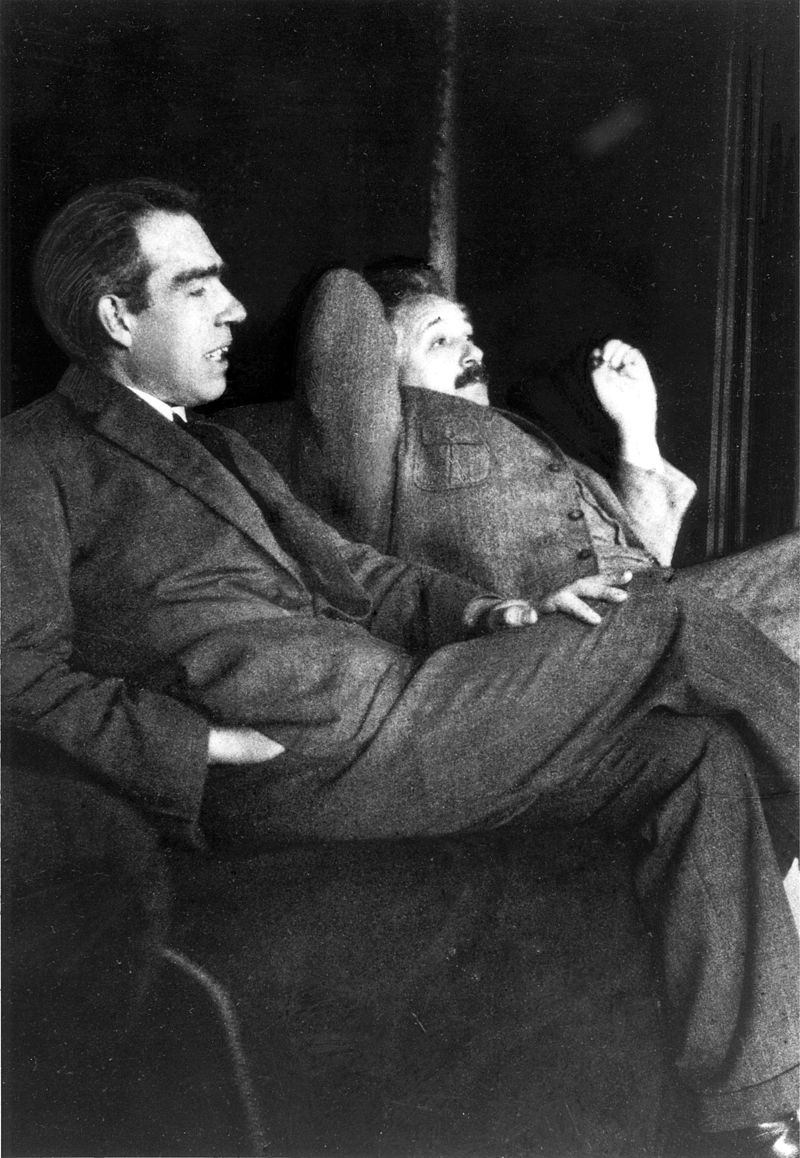
보어와 아인슈타인 "이보게, 그러니까 내 말은..."
양자역학의 코펜하겐 해석에 대해서 아인슈타인과 논쟁을 벌였던 물리학자 닐스 보어(Niels Bohr, 1885-1962)는 “양자역학을 연구하면서 머리가 어지럽지 않은 사람은 그걸 제대로 이해 못 한 겁니다.”라고 했다. 두 발언 모두 물리학 전공자들에게 한 말이다. 모른다고 절망하지 말자. 비전공자는 모르는 게 당연하다.
양자에 대해 가볍게 알아봤다. 이어질 기사에선 양자역학이 다루는 원자에 대해 다뤄보겠다.
Comments 1
1 Comments:
Related news
.jpg)
ETRI succeeds in transmitting wireless quantum cryptography over a distance of 100 meters.
Domestic researchers have successfully developed and systematized key integrated components for wireless quantum key distribution using proprietary technology, demonstrating the transmission and recovery of quantum signals in real-world environments. The Electronics and Telecommunications Research Institute (ETRI) announced that it has successfully transmitted and recovered quantum signals (photons) over a distance of more than 100 meters between the rooftop of Building 1 of the institute, not only at night but also during daytime, using wireless quantum key distribution technology, a next-generation secure communication technology that can fundamentally block hacking.
2018.04.13by 김지혜 기자
Domestically Developed Quantum Cryptography Technology Becomes International Standard
At the ITU standardization conference held in Geneva, Switzerland, the 'Quantum Cryptography Communication Network Technology' jointly proposed by seven leading domestic quantum cryptography communication companies and organizations, including KT and LG Uplus, has been approved as an international standard.
2018.07.29by 이수민 기자
[Quantum Exploration] 2. Everything is made of atoms
A journalist with a humanities background wraps their head around what quantum is and what quantum mechanics is, and examines how quantum mechanics can be applied to our daily lives.
2018.08.16by 이수민 기자
.jpg)
SalePoint Signs Multi-Year Partnership Agreement with AWS… Promoting Identity Security that Integrates Even AI Agents
Sailpoint has entered into a multi-year strategic partnership agreement with AWS and is moving forward with establishing an integrated governance system that manages both human and non-human identities together. The plan is to consistently manage access permissions in an environment where AI agents are increasing as work execution entities, while applying the principle of least privilege and automated policy enforcement. The two companies plan to jointly expand capabilities to manage the identities of various entities, including AI agents, within a single layer in the AWS environment. This collaboration is interpreted as a move to design security and governance together in corporate environments where AI adoption is expanding.
2026.03.26by 배종인 기자
.png)
Databricks Unveils Open AI Security Monitoring 'Lakewatch'
Databricks entered the security market on March 24 by unveiling LakeWatch, an open-source agentic SIEM. The core functionality of this product is to integrate and analyze security, IT, and business data in a single environment to support AI-based threat detection and investigation. The company explained that it reduces the limitations of existing security operations centers, which have had to forgo some data due to high cost structures, and enables large-scale data analysis and automation based on open formats and ecosystems. LakeWatch is currently offered as a private preview, with Adobe and Dropbox mentioned as early customers. Databricks also announced an expanded partnership with Anthropic as well as the acquisition of Antimatter and SiftD.ai.
2026.03.26by 배종인 기자












그렇군요.