


How to Capture "Heat" with a Thermal Imaging Camera in R&D
 Published2018.09.03 17:00
프로브 접촉 없어 간편 측정 가능
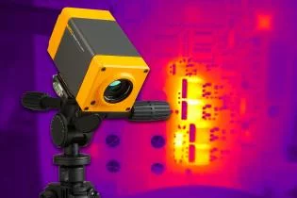
플루크 설치형 열화상 카메라 시리즈
열은 사물의 이상을 드러낸다. 지나친 열은 사물을 파괴하기까지 한다. 사물에만 해당하는 이야기가 아니다. 생명 역시 마찬가지다. 체온보다 높은 온도는 병이 있다는 증거이며, 고열은 체세포를 파괴한다. 따라서 온도 측정은 모든 문제 해결의 출발점이다.
적외선 카메라에 대한 오해
열화상 카메라는 적외선 카메라와 같은 단어다. 열화상 카메라는 눈으로는 볼 수 없는 적외선 에너지를 이용하여 온도를 측정하고, 그 온도 값을 모은 열화상을 화면으로 보여준다.
세간의 오해와 달리 열화상 카메라는 적외선을 발사하고 반사된 적외선의 값을 측정하지 않는다. 절대영도 이상의 모든 물체는 적외선을 발산하고, 열화상 카메라는 그 적외선의 값을 측정할 뿐이다. 적외선을 발사하지 않기 때문에 생명과 사물에 전혀 해를 끼치지 않는다.
레이저를 쏘는 적외선 온도계 역시 적외선을 발사하지 않는다. 적외선 온도계는 열화상 카메라와 작동원리가 같지만, 온도 값을 열화상으로 보여줄 수 없어 레이저로 측정한 곳을 짚어주는 것이다.
열화상 카메라의 열화상은 적게는 5천 개, 많게는 120만 개까지 온도 값이 밀집되어 있다. 온도 값에 색을 입히는 것이 열화상 카메라의 역할이다. 열화상 카메라는 온도 값을 시각적으로 제시하면서 어디에 문제가 있는지 사용자가 파악할 수 있도록 돕는다.
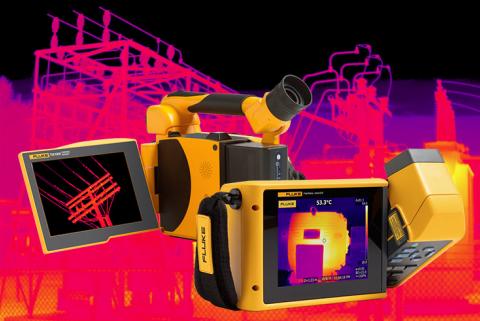
플루크 열화상 카메라 전문가 시리즈
열화상 카메라는 다양한 분야에서 사용되고 있다. 가장 활발히 사용되는 분야는 전기설비 분야다. 전기설비는 항상 고압 전류가 흐르며 설비가 멈춰도 잔여 전류가 있을 수 있어 열화상 카메라가 유용하다. 누전이나 누수 같이 문제 있는 부분이 숨어있는 건축물을 검사할 때도 열화상 카메라가 쓰인다.
R&D 분야에서 열화상 카메라를 사용하는 이유
R&D 분야에서는 측정 장비가 없어서, 또는 그 방법이 없어 감각에만 의존하여 온도를 측정하는 경우가 아직도 많다. 손으로 온도를 측정하는 건 대개 위험하다. 접촉식 온도계도 마찬가지다. 정확하지만 프로브를 측정하고자 하는 곳에 대기 때문이다. 또 자칫 실수라도 하면 프로브로 사물을 파손할 수도 있다. 비접촉식 온도계는 간편하고 안전하지만 올바르게 측정하지 않으면 정확한 데이터를 가질 수 없다. 그래서 현장에선 비접촉식 온도계를 비싸고 적용하기 어렵다고 생각한다. 그러나 최근 가격대가 많이 낮아졌다.
열화상 카메라는 전자장비 측정, PCB 테스트, 설계고장 탐구에 쓰인다. 재료분석 수행 등에도 사용할 수 있다. 열화상 카메라가 주로 쓰이는 R&D 분야는 항공우주, 제약, 전자, 재료 등등 다양하다. 대학과 연구기관에서도 열화상 카메라가 점차 쓰이는 추세다. 열화상 카메라의 온도 값 오차율 보통 2% 이내다.
열화상 카메라의 장점
열화상 카메라는 안전하다. 접촉식 온도계처럼 프로브를 댈 필요가 없기 때문이다. 프로브는 온도 값 측정에 방해가 될 때가 많고 고온, 고전압 설비에 사용하기 적합하지 않다. 열화상 카메라는 이 부분에서 다르다.
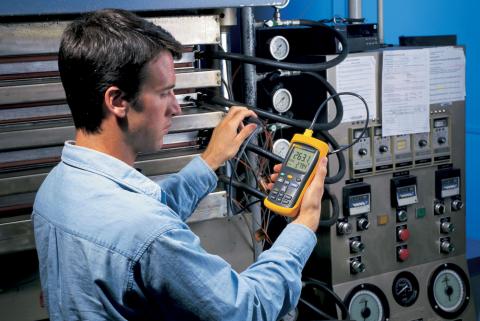
접촉식 온도계 사용 예시
또 문제가 있는 부분을 즉각적으로 확인 할 수 있다. 문제가 있을 것으로 추측되는 부분을 일일이 확인하지 않아도 열화상 카메라는 전체를 넓은 부분을 열화상으로 확인할 수 있어 쉽게 문제 있는 부분을 찾아낼 수 있다. 또한, 대략적인 위치를 추정하여 오실로스코프 같은 2차 장비로 정확한 위치를 찾아낼 수 있도록 돕는다.
그 외에도 실시간으로 온도 값을 파악할 수 있으며, 온도 값 변화를 녹화할 수 있는 동시에 조작법이 간단하다는 장점이 있다.
열화상 카메라 구매 시 고려사항
해상도는 가장 중요한 고려사항이다. 화소 수가 높을수록 더욱 선명한 이미지를 얻을 수 있다. 열화상 카메라는 일반 카메라보다 화소가 더 중요하다. 화소가 적으면 온도 값이 화소 사이로 숨어버릴 수 있다. 온도 값이 화소 사이로 숨는다는 것은 온도 값을 측정할 수 없다는 소리다.
초점이 흐려지면 온도 값이 달라지기 때문에 초점을 잘 맞춰야 한다. 그래서 플루크는 자사의 열화상 카메라에다 모든 피사체에 초점을 맞추는 다초점 기능인 멀티샤프 포커스 기능을 추가했다.
렌즈도 중요하다. 기본 렌즈가 측정 대상을 화각에 담을 수 있을지 고려해야 한다. 측정 대상이 멀리 있는지, 혹은 가까이 있는지에 따라 접사/광원/망원렌즈 중 하나를 선택해야 한다.
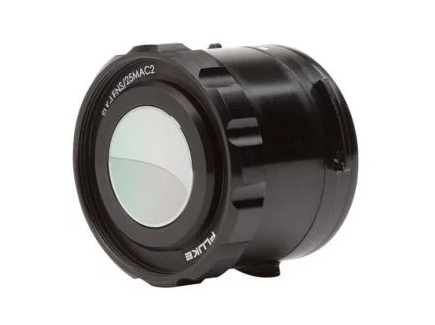
플루크 접사 렌즈
소프트웨어도 중요하다. 플루크는 플루크 스마트뷰를 무료로 제공한다. 랩뷰 및 매트랩 등과 호환 가능하여 사용자 입맛에 맞게 사용할 수 있다.
R&D 분야 활용 사례 6가지
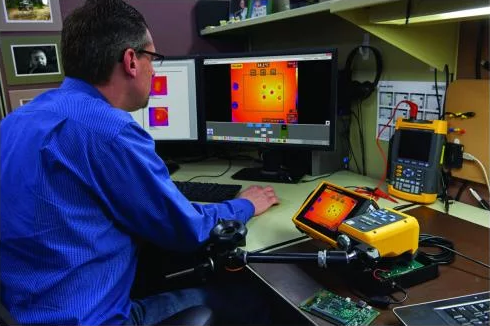
열화상 카메라로 PCB를 검증하는 모습
고해상도 열화상 카메라는 32마이크론보다 작은 전자부품의 온도 값을 측정할 수 있다. 접촉식 온도계로는 대상이 너무 작아 측정이 어렵다. 사용자는 소프트웨어를 이용해 온도분포를 확인할 수 있다. 삼각대와 2차원 정밀조정 어댑터를 사용하면 더욱 쉽게 대상의 온도 값을 측정할 수 있다.
LCD패널의 불량 화소 테스트를 할 때도 열화상 카메라가 사용된다. LCD패널의 불량 화소는 높은 내부 저항 때문에 발생한다. 보통 40마이크론 크기다. 불량 화소와 정상 화소의 차이는 일반적으로 약 1℃ 이하다. 이처럼 온도 차가 적은 대상을 측정하는 경우엔 열화상 카메라의 색상을 그레이스케일 팔레트로 바꾸면 미세한 차이를 측정할 수 있게 된다.
신소재의 녹는 점이나 강도 등을 파악할 때도 유용하다. 시각적으로 온도분포와 온도변화 패턴를 볼 수 있어 간편하기 때문이다. 정상가 비정상 온도 값 차이가 작을 때는 열화상 카메라의 색상을 그레이스케일 팔레트로 변환하면 된다. 또한, 상황에 따른 온도변화를 녹화할 수 있어 편하다.
물질의 인장에 따른 온도변화를 분석할 수 있다. 물질이 늘어나면 물질 내부 스트레스의 결과로 마찰이 증가하며 열이 발생한다. 물질의 인장 테스트는 보통 약 7~8초 동안 진행된다. 일부 테스트는 2~3초 만에 끝난다. 최대온도와 최대온도의 발생 위치를 측정하기 위해선 접사 렌즈, 삼각대, 2차원 정밀조정 어댑터를 사용해야 한다. 또 그레이스케일 팔레트와 사각 마커 기능으로 특정 지점의 미세한 온도변화를 녹화하면 어렵지 않게 원하는 바를 이룰 수 있다.
사용 데모
e4ds의 8월 30일 웨비나에서는 R&D 분야에서 활용할 수 있는 플루크 RSE300과 RSE600 고정형 열화상 카메라의 데모를 확인할 수 있다.
Comments
Related news
FLIR to showcase latest thermal imaging cameras and provide VR experience opportunities at 2018 International Electric Power Exhibition
FLIR Systems Korea announced that it will participate in the 2018 International Electric Power Exhibition (Global Electric Power Tech 2018) being held at COEX in Samseong-dong from May 30 (Wednesday) to June 1 (Friday), introducing various industrial infrared thermal imaging camera products.
2018.05.31by 명세환 기자

AI can be applied in practice even by non-experts
Any engineer or scientist with problem-identification capabilities and the ability to conceive solutions can apply AI in practice with the assistance of MATLAB.
2018.07.25by 이수민 기자
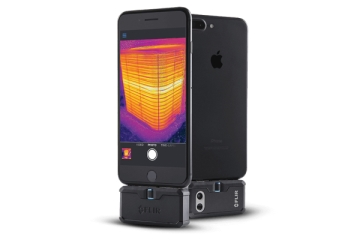
Professional-grade thermal imaging camera that fits on your smartphone
Flir has launched the FLIR ONE Pro LT, a low-cost thermal imaging camera that can be used in conjunction with a smartphone. It offers various thermal imaging camera functions and professional-grade tools that can be expected from the existing FLIR ONE Pro series at a price point in the 300,000 won range.
2018.08.07by 이수민 기자
Nvidia invests $5 billion in Intel
NVIDIA and Intel, leaders in global AI computing technology, are now forging ahead in providing cutting-edge solutions through NVLink-based architecture integration. NVIDIA and Intel have officially announced a strategic partnership and stated that they will jointly develop customized data center and personal computing products to accelerate diverse applications and workloads ranging from hyperscale to enterprise and consumer markets, thereby laying the foundation for the next generation computing era.
2025.09.22by 배종인 기자
.jpg)
Applied Materials Launches Environmental Protection Campaign to Mark World Cleanup Day
Applied Materials Korea (CEO Park Kwang-seon) is carrying out environmental cleanup activities with employees and their families around the Dongtan Sinricheon area on the occasion of World Cleanup Day, evolving into a company that engages with the local community beyond technological innovation.
2025.09.22by 명세환 기자











