


[Quantum Exploration] 5. The Copenhagen Interpretation: Explaining Quantum Mechanics
 Published2018.09.04 14:00
코펜하겐 해석
1. 입자의 상태는 파동함수에 의해 결정된다. 파동함수의 제곱은 측정값에 대한 확률밀도를 나타낸다.
2. 모든 물리량은 관측이 가능할 때만 의미가 있다. 물리적 대상이 가지는 물리량은 관측과 관계없는 객관적인 값이 아니라 관측 작용의 영향을 받는 값이다.
3. 서로 관계를 갖는 물리량들은 하이젠베르크가 제안한 불확정성 원리에 따라 동시에 정확하게 측정하는 것이 불가능하다.
4. 전자와 같은 입자들은 입자의 성질과 파동의 성질을 상보적으로 가진다.
5. 양자 도약이 가능하다. 양자 물리학적으로 허용된 상태들은 불연속적인, 특정한 물리량만 가질 수 있다. 따라서 한 상태에서 다른 상태로 변하기 위해서는 한 상태에서 사라지고 동시에 다른 상태에서 나타나야 한다.
과학자들의 원기옥, 양자역학
앞서 살펴봤듯이 막스 플랑크가 흑체복사 문제를 풀다가 양자화 가설을 제시하면서 양자역학이 촉발되었다. 20세기 초, 더는 발견할 것이 없다고 여겨졌던 물리학에서 고전역학과 다른 양자역학이 성립되었다. 양자역학은 어느 천재 과학자 혼자서 만들어낸 것이 아니다. 물론 상대성이론은 어느 천재 과학자 혼자서 만들어냈다. 양자역학은 수많은 과학자의 연구결과가 중첩되면서 그 기반이 성립되었다. 심지어는 양자역학에 부정적인 과학자의 연구결과마저도 말이다.
1920년대에 구축된 양자역학의 체계는 미시적 계의 현상, 예측, 적용에 성공적이었다. 그러나 양자역학의 수식 결과는 인간이 태어날 때부터 가진 직관과 그 결이 너무도 달랐다. 알베르트 아인슈타인과 같은 뛰어난 물리학자도 이를 쉽게 받아들이지 못했다. 그래서 양자역학에 따른 수식 결과를 설명하기 위한 양자역학의 다양한 해석 방법이 등장하게 된다.
코펜하겐 해석은 닐스 보어, 베르너 하이젠베르크, 막스 보른을 중심으로 한 해석을 가리킨다. 코펜하겐 해석은 현재 양자역학의 주류 해설이다. 그러나 절대적이진 않다. 휴 에버렛이 1957년에 주장한 다세계 해석 등이 존재하기 때문이다. 다세계 해석에 대해선 다음 기사에서 다루겠다.
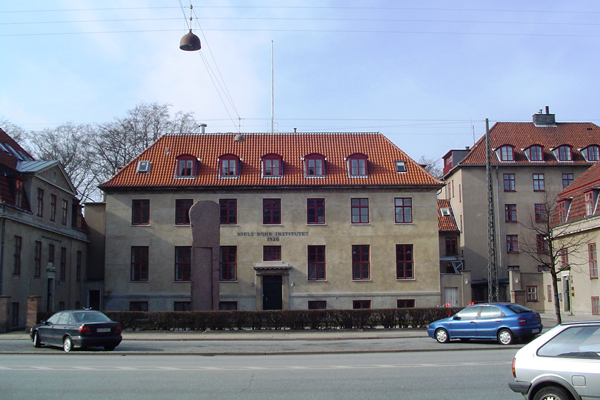
양자역학의 산실, 닐스 보어 코펜하겐 연구소
보어는 원자의 양자적 본질에 관한 연구로 유명해졌다. 덴마크 정부는 1918년, 보어의 이론 물리학 연구소 설립을 승인했다. 보어는 코펜하겐에 연구소를 설립한다. 전 세계로부터 많은 물리학자가 이 코펜하겐 연구소로 몰려들어 여러 해를 머물면서 연구하였다.
즉시 코펜하겐은 양자역학 연구의 중심이 되었다. 여기서 하이젠베르크를 위시한 과학자들의 모임이 훗날 코펜하겐 해석을 창안했다.
큰 틀, 상보성 원리와 불확정성 원리
코펜하겐 해석은 보어의 상보성 원리와 하이젠베르크의 불확정성 원리를 바탕으로 한다. 먼저 두 원리가 무엇인지 살펴보자.
상보성 원리란 원자를 구성하는 입자는 파동과 입자와 같이 전혀 다른 두 가지 성질을 가지지만, 원자를 구성하는 입자들과 관계된 현상을 완전히 기술해 내는 데에는 두 가지 성질 모두가 필요하다는 것이다. 빛은 간섭이나 회절과 같은 실험에서는 ‘파동’의 성질을 보여주고, 광전효과 실험에서는 ‘입자’의 성질을 나타낸다. 그러나 한 가지 실험에서 두 가지 성질이 동시에 나타나지는 않는다. 전자나 양성자와 같은 입자들도 같은 성질을 가진다는 것이 확인되었다. 보어는 빛이나 입자들이 가지는 이러한 이중성을 상보성 원리로 정리했다.
불확정성 원리란 관찰자와 관찰대상 사이에는 항상 일정한 정도의 불확정성이 존재한다는 원리이다. 특정인의 이론이라기보다는 양자론의 기본전제에 해당하는 것으로 보어, 크래머, 슬래터 등의 연구결과를 하이젠베르크가 정리한 것이다.
보어와 하이젠베르크는 1927년 무렵부터 코펜하겐에서 함께 양자역학을 연구하였다. 다양한 조건에서 빛이 방출되는 주파수를 연구하면서 두 사람은 그 이전에 플랑크, 아인슈타인, 그리고 보어 자신의 연구에서 가정하였던 광자 에너지의 양자화 조건을 더욱 일반화시켰다.
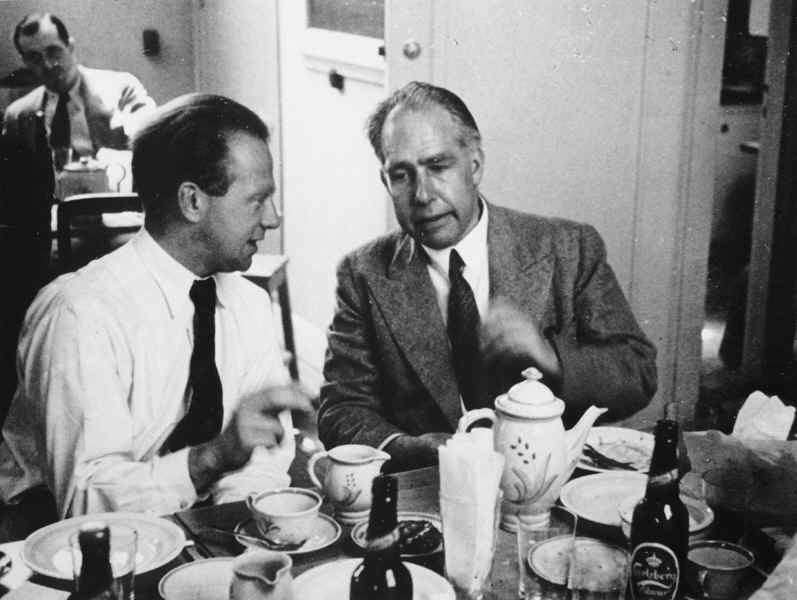
하이젠베르크와 보어

두 사람은 고전역학에서 물리적 대상을 입자나 파동 둘 중 하나로 보는 관점에서 벗어나 입자이면서 파동일 수 있다는 생각을 하였다. 보어의 새로운 이론들은 당시 많은 실험과 물질이 파동과 입자의 이중성을 띤다는 사실을 바탕으로 한다. 그리고 그 후에 하이젠베르크는 입자의 위치와 운동량이 둘 다 정확하게 측정할 수 없다는 불확정성 원리를 발표하였다.
보어와 하이젠베르크가 문을 연 양자역학에 대한 코펜하겐 해석은 사건에 대한 인간의 ‘관측 활동’이 사건의 ‘현실을 변화’시킨다는 결론을 내리게 되었다. 코펜하겐 해석에서 핵심은 어떤 물리량의 값이 측정이라는 행위 이전에는 존재한다고 하는 것이 불필요하다는 것이다. 반대로 고전역학에서는 수식으로 나타난 물리량은 인간의 측정 행위에 무관하게 존재하는 것이다. 즉, 코펜하겐 해석에 따르면 양자역학에서는 관측자와 대상 한쪽이 아닌 모두를 고려해야 한다.
양자역학은 많은 물리학자의 저항을 불러왔다. 1927년과 1930년에 브뤼셀에서 열린 제5, 6차 솔베이 회의에서 보어는 자신이 제창했던 상보성의 원리에 기초를 둔 양자역학의 해석을 당시의 물리학자들에게 설파하였다. 이때 보어와 아인슈타인 사이에서 논쟁이 일어났고, 이 논쟁은 양자역학의 토대를 굳건하게 만들어주었다.
철학으로 새로운 기반을 쌓다
보어와 하이젠베르크는 양자역학에 대한 우리의 직관을 넓히기 위해 철학적 토대 마련에 몰두했다.
하이젠베르크의 불확정성 원리에 따르면, 우리는 한 전자의 위치를 정확히 알기 위해서 짧은 파장의 현미경을 써야 한다. 그러나 콤프턴 효과의 영향 때문에 그 전자의 운동량에 대해서는 그만큼 부정확한 값을 얻을 수밖에 없다. 즉, 위치와 운동량은 아주 작은 범위 내에서 서로 불확실한 관계 내에 있는 것이다.
한편, 광양자의 존재에 관한 논쟁에서 아인슈타인에게 패배한 뒤 줄곧 양자역학의 철학적 기초에 대해 몰두했던 보어도 비슷한 견해에 도달했다. 우리는 항상 거시적 계의 용어와 거기서 얻어진 개념을 바탕으로 원자 현상이라는 미시적 계를 기술할 수밖에 없다. 따라서 미시적 계를 기술하는 우리의 용어에는 한계가 있다. 모순 없는 한 용어는 정의 가능성과 관찰 가능성의 상보적 관계 때문에 제약을 받는다.

보어의 문장, 상보성의 원리를 드러내기 위해 태극을 차용했다
예를 들어 빛과 물질 사이의 상호작용과 같은 미시적 계의 현상이 거시적 계의 관찰 명제인 입자나 파동 등에 의해서 정의될 때에는 어떠한 제한을 받게 된다는 것이다. 이 상보성 원리로 보어는 파동과 입자의 이중성 딜레마에서 벗어날 수 있었다.
아인슈타인이 도저히 만족하지 않아
아인슈타인은 보어와 하이젠베르크의 두 원리에 의해 대변되는 양자역학의 비결정론적인 성격을 인정할 수 없었다. 양자역학의 비결정론적 성격을 비판한 것은 비단 아인슈타인만이 아니었다. 막스 폰 라우에, 에르빈 슈뢰딩거, 플랑크 등도 코펜하겐 해석에 대해 비판적이었다. 특히 아인슈타인은 그중 가장 명망 높고 대중적으로 널리 알려진 과학자로서, 그의 입장이 크게 두드러졌다. 그리고 아인슈타인은 죽을 때까지 양자역학을 믿지 않고 끝없이 보어와 논쟁을 벌였다.
아인슈타인은 1935년, 보리스 포돌스키, 네이선 로젠과 함께 양자역학에 대해 날카로운 비판을 가했다.
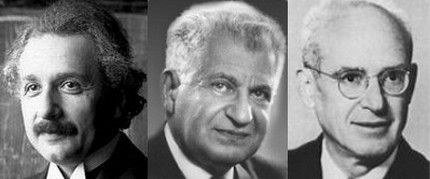
Einstein-Podolsky-Rosen
성의 맨 앞 알파벳만 따와 EPR로 줄여 부르는 세 사람은, “물리적 실재의 모든 요소는 물리 이론 내에서 그 대응물을 가지고 있어야 한다. 또 만약 하나의 계를 어떤 식으로든 교란하지 않고, 물리량의 값을 정확히, 즉, 확률이 1과 같게 예측할 수 있다면, 이 물리량에 대응하는 물리적 실재가 존재한다.”라는 조건을 갖추면 한 이론이 완전하다고 가정했다. 이런 완전성의 기준을 바탕으로 양자역학적 기술을 검토한 결과 EPR은 파동함수에 의해서 주어지는 물리적 실재에 대한 양자역학적 기술은 완전하지 않다는 결론에 도달했다.
이것이 바로 양자적으로 얽힌 두 입자가 있을 때, EPR이 제안하는 실재성의 기준과 특수 상대성 이론을 가정하는 한, 양자역학이 설명할 수 없는 실재적인 요소가 반드시 있을 수밖에 없다는 역설인 EPR 역설이다.
1950년대에는 데이비드 봄에 의해 결정론적인 숨은 변수이론이 제기되어 아인슈타인의 인과적 입장을 부활시키려고 했다. 존 벨은 1964년, 실험에 의해 양자역학 문제를 확인할 수 있는 소위 '벨 부등식'을 제안하였다.
EPR이 했던 국소성 가정을 하자면, 즉, 한쪽에서 물리량을 측정하면, 다른 쪽에서는 같은 물리량에 대해 언제나 확실하게 반대 값을 주는 것을 가정하자. 이러한 물리량을 3가지 생각했을 때, 단순히 물리량이 상관관계를 갖는 상식적인 부등식이 양자역학 계산에서는 성립하지 않는다는 것을 보였다. 이를 일반화한 식이 벨 부등식이다
1970년대 이후 이 벨 부등식을 확인해보려는 여러 실험이 행해졌다. 실험의 결과는? 보어의 승리였다. 모든 양자역학 실험이 벨 부등식을 만족하지 못한 것이다.
고양이는 살아 있을 수도, 죽어있을 수도 있습니다
슈뢰딩거도 1935년, 관찰자의 측정 행위가 대상에 영향을 미친다는 코펜하겐의 해석을 강하게 비판하고 나섰다. 이때 그가 제창했던 사고실험이 훗날 ‘슈뢰딩거의 고양이’이라 불리는 사고실험이다. 슈뢰딩거는 불확정성 원리를 기반으로 한 코펜하겐 해석이 너무나도 싫었다. 그래서 코펜하겐 해석의 비상식적인 면을 드러내기 위해 미시적 계의 사건을 거시적 계의 사건으로 확대했다.

"왜 하필 날 갖고 그래"
“고양이가 상자 속에 갇혀 있다. 이 상자에는 방사성 핵이 들어 있는 기계와 독가스가 들어 있는 통이 연결되어 있다. 실험을 시작할 때 한 시간 안에 핵이 붕괴할 확률을 50%가 되도록 조정한다. 만약 핵이 붕괴하면 독가스가 방출되어 고양이가 죽는다.”
이 상황에서 슈뢰딩거는 파동함수의 표현이 고양이가 살아 있는 상태와 죽은 상태의 결합으로 나타나는 것을 비판하며 "죽었으며 동시에 살아 있는 고양이"는 실제로 존재하지 않는다고 말했다.
“고양이는 반드시 살아 있거나 죽어있어야 한다. 살아 있으면서 죽어있는 고양이가 있을 리 없으니 양자역학은 불완전하고 비현실적이다.”
코펜하겐 해석에서는 고양이는 살아 있는 상태와 죽어있는 상태가 중첩되어 있고 관측이 이루어지면서 살아 있음과 죽어있음이 결정된다는 결론을 내놓았다.
아이러니하게도 슈뢰딩거의 고양이는 그 비유가 워낙 찰진 나머지 고양이 집사들을 제외하곤 모두가 언급하기 좋아하는 대표적인 양자역학 실험으로 자리매김했다.
코펜하겐 해석과 그에 가해진 비판을 통해 양자역학이 어떻게 자리 잡았는지 알아봤다. 이어질 기사에선 다세계 해석에 대해 알아보겠다.
Comments
Related news

[Quantum Exploration] 2. Everything is made of atoms
A journalist with a humanities background wraps their head around what quantum is and what quantum mechanics is, and examines how quantum mechanics can be applied to our daily lives.
2018.08.16by 이수민 기자
.jpg)
[Quantum Exploration] 3. Classical Mechanics Surpassed by Chance
A journalist with a humanities background wraps his head around what quantum is and what quantum mechanics is, and examines how quantum mechanics can be applied to our everyday lives.
2018.08.21by 이수민 기자
[Quantum Review] 4. Why can't you believe it after making it?
A journalist with a humanities background delves into what quantum mechanics is, what quantum mechanics entails, and explores how quantum mechanics can be applied to our everyday lives.
2018.08.28by 이수민 기자
.jpg)
SalePoint Signs Multi-Year Partnership Agreement with AWS… Promoting Identity Security that Integrates Even AI Agents
Sailpoint has entered into a multi-year strategic partnership agreement with AWS and is moving forward with establishing an integrated governance system that manages both human and non-human identities together. The plan is to consistently manage access permissions in an environment where AI agents are increasing as work execution entities, while applying the principle of least privilege and automated policy enforcement. The two companies plan to jointly expand capabilities to manage the identities of various entities, including AI agents, within a single layer in the AWS environment. This collaboration is interpreted as a move to design security and governance together in corporate environments where AI adoption is expanding.
2026.03.26by 배종인 기자
.png)
Databricks Unveils Open AI Security Monitoring 'Lakewatch'
Databricks entered the security market on March 24 by unveiling LakeWatch, an open-source agentic SIEM. The core functionality of this product is to integrate and analyze security, IT, and business data in a single environment to support AI-based threat detection and investigation. The company explained that it reduces the limitations of existing security operations centers, which have had to forgo some data due to high cost structures, and enables large-scale data analysis and automation based on open formats and ecosystems. LakeWatch is currently offered as a private preview, with Adobe and Dropbox mentioned as early customers. Databricks also announced an expanded partnership with Anthropic as well as the acquisition of Antimatter and SiftD.ai.
2026.03.26by 배종인 기자











