



IBM Presents Multi-cloud, Security, AI, Blockchain, and Quantum Computing as Its Five Major Agendas for 2019
 Published2019.01.03 17:53
In 2019, hybrid cloud, security, and
We will focus on AI, blockchain, and quantum computers
On the 3rd, IBM Korea held a meeting at the Client Center on the 6th floor of the IBM Korea headquarters to summarize its 2018 business performance and explain its goals for 2019.
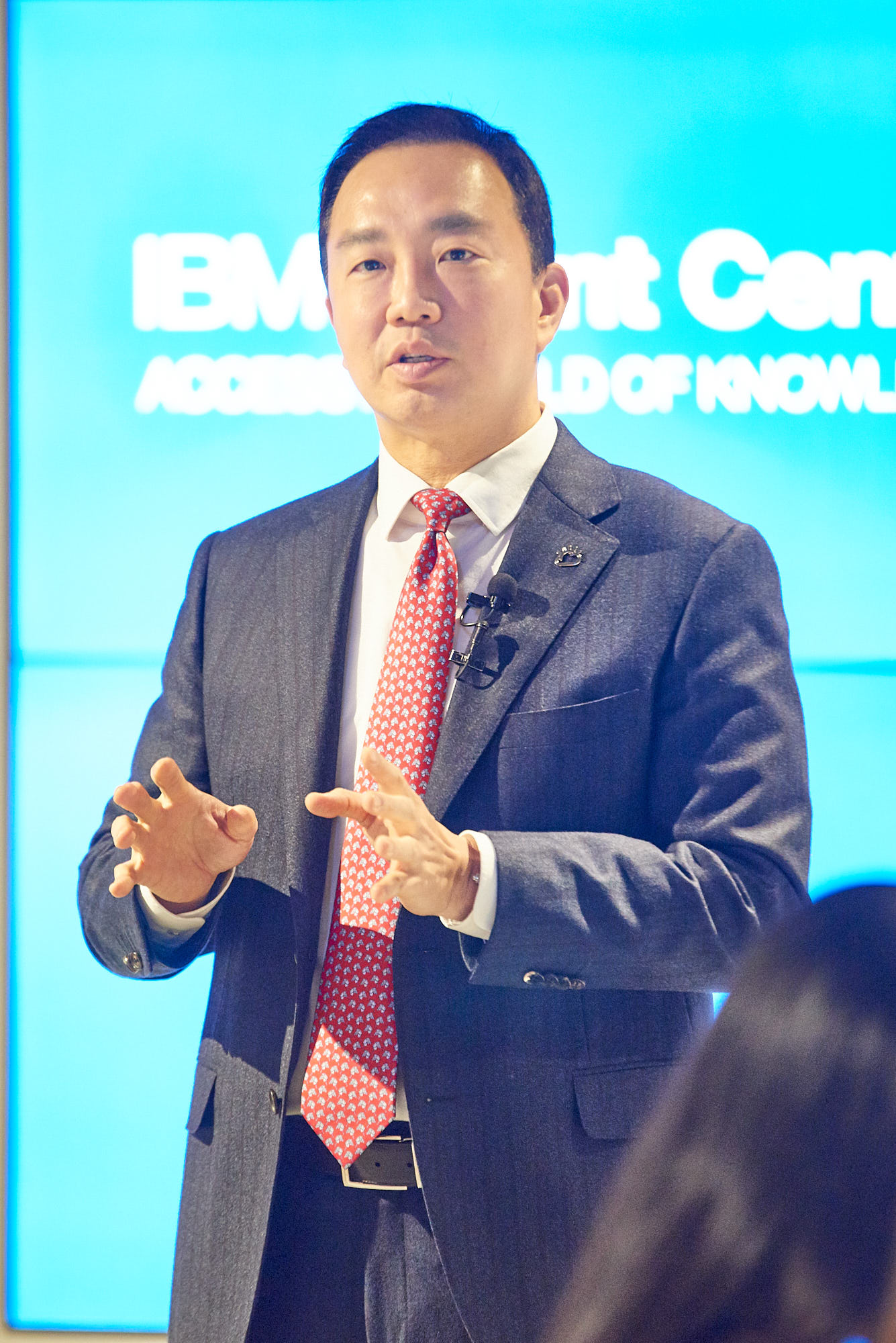
Jang Hwa-jin, President of IBM Korea
Jang Hwa-jin, President of IBM Korea, assessed that IBM achieved results in the fields of AI, cloud, blockchain, systems, and P-Tech in 2018.
IBM, having expanded the application of AI to enterprise and industrial sectors, has expanded its cloud platform and secured an extensive developer community through the acquisition of Red Hat. Furthermore, it has demonstrated blockchain leadership and expanded digital asset management and financial infrastructure systems. It has also introduced P-Tech, a five-year public education system, to the domestic market, setting out to foster talent in cutting-edge technologies such as AI, data science, and cybersecurity.
IBM has undergone continuous transformation since its founding in 1911. Having transformed from a hardware company into a service and software company, IBM is drawing a big picture for 2019 based on its performance in 2018.
IBM is focusing on five areas in 2019. They are hybrid cloud, security, AI, blockchain, and quantum computers.
Combines the advantages of private and public clouds.
Last October, the IBM Institute for Business Value projected that 85% of companies worldwide are using multi-cloud, and that 98% are expected to adopt it by 2021. With various cloud-related regulations expected to ease in 2019, IBM is targeting the market with its hybrid multi-cloud capabilities, cloud security, open source competitiveness, cloud managed services, and private cloud leadership.
We provide security solutions that comply with policies.
Last August, Gartner projected that the size of the domestic security market and security services market would reach 2.2 trillion won and 1.26 trillion won, respectively, in 2019. This trend is driven by the strengthening of issues regarding personal information and data protection. IBM plans to focus on SOC and security management services by providing hybrid multi-cloud security solutions and services that are not tied to specific environments. It also intends to target the market with AI-powered security technologies.
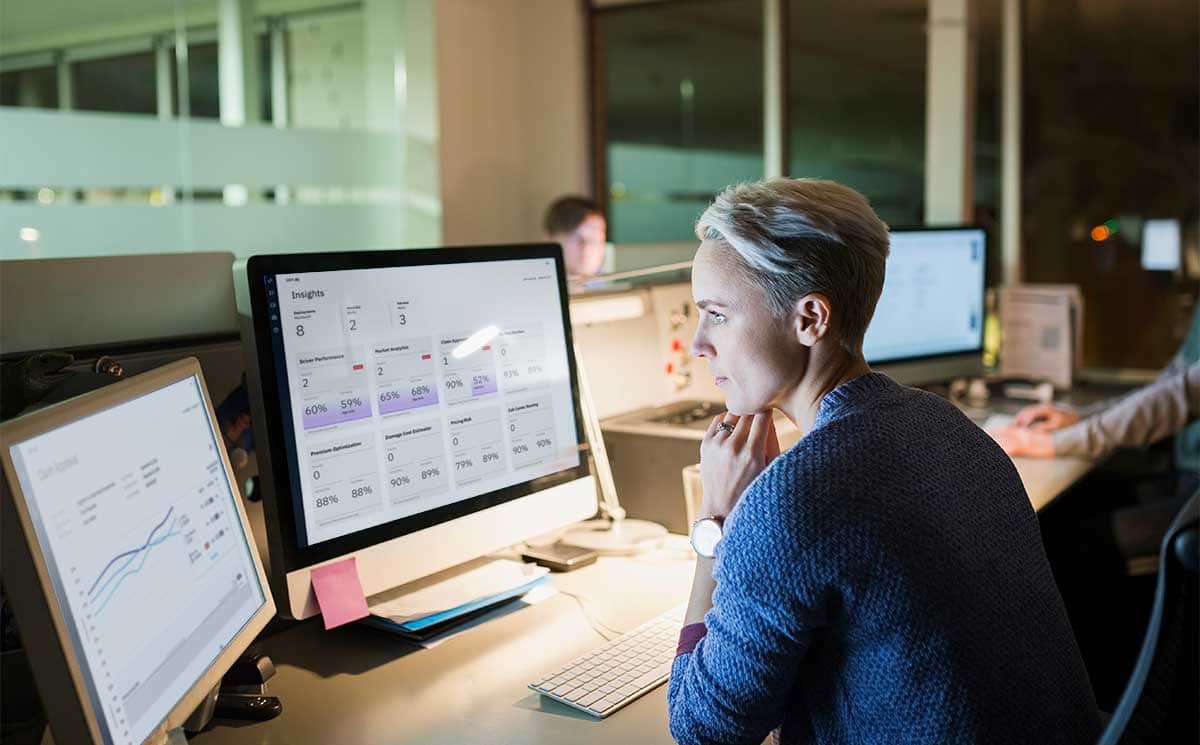
IBM AI OpenScale
Transparently disclose the AI decision-making process
Last April, IDC predicted that the AI market in the Asia-Pacific region would grow at an average annual rate of 69.8% and spend $5 billion. However, there are many obstacles to companies immediately applying AI to their businesses. Representative examples include the absolute lack of data and low trust in AI. Last October, IBM launched 'AI OpenScale.' By making the AI decision-making process transparent so that any stakeholder can view it, it laid the groundwork for detecting data bias and providing solutions.
Leading the commercialization and activation of industry-specific blockchains
Last December, IDC predicted that by 2021, industry-specific blockchains would be implemented, the omni-ecosystem would expand, and transaction costs would be reduced by 35%. Following the government's policy of announcing public blockchain projects worth approximately 25 billion won in 2019, IBM plans to pursue the commercialization of various industry-specific blockchains, as well as the announcement and activation of networks. Blockchain and cryptocurrency are not the same concept. Cryptocurrency is merely one of the possibilities of blockchain. In 2019, IBM predicted the potential of blockchain in distribution, logistics, and even voting.
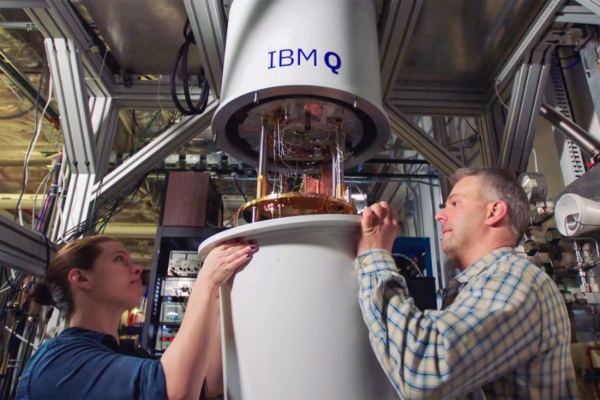
Quantum Computer IBM Q
First commercial quantum computer to be launched
By 2018, more than 100,000 researchers worldwide had experienced IBM's quantum computer, 'IBM Q,' through the IBM Cloud. This led to over 5 million experiments and the publication of more than 110 papers. Even now, IBM Q is being utilized by 1,500 universities, 300 high schools, and 300 private research institutes. IBM aims to launch its first commercial quantum computer in 2019. Currently, Samsung Electronics is the only domestic company collaborating with IBM on quantum computing. IBM Korea plans to seek out partner companies, universities, and institutions and announce related research plans during the first half of the year.
President Jang Hwa-jin shared his New Year's aspirations, stating, "In 2019, IBM will change the world by helping customers' businesses based on technological leadership."
Comments
Related news

IBM Accelerates AI Adoption with Launch of 'AI OpenScale' Later This Year
IBM will launch an open technology platform called 'AI OpenScale' within this year, enabling users to directly verify whether AI models derive biased results based on partially skewed data. IBM expects that AI OpenScale will eliminate the black-box-like uncertainty inherent in AI, thereby facilitating corporate adoption of AI. Customers can accurately understand and transparently manage the decision-making processes derived by AI, regardless of the system to which the AI model is applied or the operational environment.
2018.10.20by 이수민 기자

The Ministry of Science and ICT and the Ministry of Foreign Affairs plan to complete the blockchain-based notarization system for overseas diplomatic missions by the end of this year.
The Ministry of Science and ICT and the Ministry of Foreign Affairs announced that they plan to complete the construction of a blockchain-based notarization issuance system for overseas diplomatic missions by December this year. Going forward, blockchain technology will be applied to the notarization process for documents issued or created overseas at overseas diplomatic missions such as embassies and consulates, enabling rapid verification and distribution of notarized documents regardless of time and space constraints.
2018.12.05by 이수민 기자
.jpg)
[Quantum Review] 11. IBM's 'Current Progress' Quantum Computer Development History
D-Wave's quantum computer is a quantum annealing computer that can only solve optimization problems, but it has drawn market interest in quantum computers. Among organizations developing quantum computers, IBM is the most representative. IBM has had a significant impact on the history of quantum computers, and through IBM Q, it is strengthening the quantum computer ecosystem by bringing together global talent worldwide.
2018.12.19by 이수민 기자
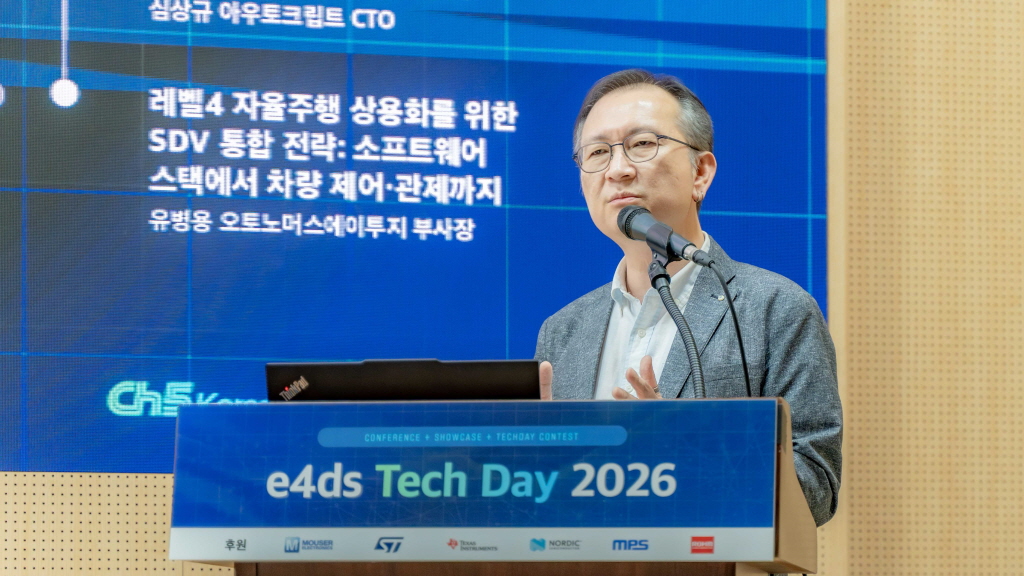
[e4ds Tech Day 2026 ⑨] Sim Sang-gyu, Autocrypt CTO: "In the Physical AI Era, Automotive Security Must Extend Beyond the Vehicle"
At e4ds Tech Day 2026, Sim Sang-gyu, CTO of Autocrypt, explained automotive cybersecurity strategies in the era of Physical AI and SDV (Software-Defined Vehicle). Automobiles are evolving as part of an ecosystem connected to AI, cloud, chargers, IoT, and robots, and he emphasized that the scope of security must expand beyond the vehicle interior to the entire connected environment. In particular, AI model tampering, adversarial attacks, OTA updates, and EV charger hacking were identified as major threats. He explained that response measures require zero trust, AI model integrity protection, intrusion detection, Security by Design and Default, and full lifecycle security management, and that proactive security system establishment beyond regulatory compliance is critical for securing future mobility competitiveness.
2026.10.12by 배종인 기자
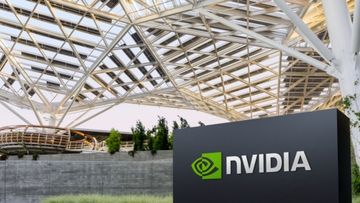
NVIDIA to Invest $1 Billion in U.S. Science Over Next Five Years
NVIDIA has announced plans to invest $1 billion over the next five years to strengthen U.S. scientific and technological competitiveness. The company will enhance cutting-edge artificial intelligence research and development capabilities in key areas including quantum computing, healthcare, and energy security, while expanding support for higher education research institutions and cloud service providers. NVIDIA is participating as a major industry partner in the White House Office of Science and Technology Policy's Genesis Mission, and is promoting supercomputer construction in collaboration with national laboratories including Argonne and Los Alamos.
2026.10.12by 배종인 기자











