


[Quantum Exploration] 12. Are Quantum Computers the Future of Computers?
 Published2019.01.08 17:01
전 세계 주요 국가 기관들과 글로벌 IT 기업들이 양자 컴퓨터 개발에 천문학적인 돈을 쏟아붓는 것을 보자면 양자 컴퓨터란 존재에 경외감마저 든다. 도대체 얼마나 대단한 것이길래 나보다 똑똑한 저 사람들이 나는 평생 만져보지도 못한 돈을 양자 컴퓨터에 투자하는 것일까.
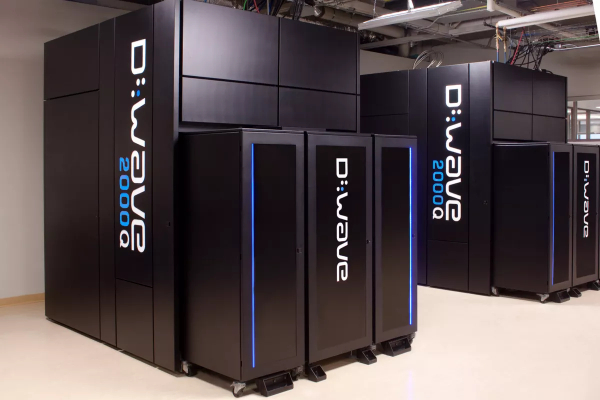
D-웨이브 2000Q는 166억원이다
상용 양자 컴퓨터(는 아니지만 양자 풀림 효과를 사용하는 컴퓨터)인 'D-웨이브 2000Q'는 연봉이 1억인 직장인이 조선 철종 4년 때부터 한 푼도 안 쓰고 모아야 살 수 있다. 물론 D-웨이브 2000Q를 들여놓을 집과 전기 누진세 폭탄을 감당할 깜냥도 있어야 한다.
아무튼 양자 컴퓨터와 관련해서 실제로 많은 돈이 오가고 있다. 그러나 돈이 많이 움직인다고 그 분야의 미래가 항상 밝은 것만은 아니다. 밝을 수도 있고 어두울 수도 있다. 기자도 모른다.
양자 컴퓨터의 미래, 찬란하기만 한가?
양자 컴퓨터 회의론자들은 양자 컴퓨터의 기본 단위인 큐빗이 양자 컴퓨터의 동작에 필요한 복잡한 연산을 수행하는데 근본적으로 부적합하다고 본다.
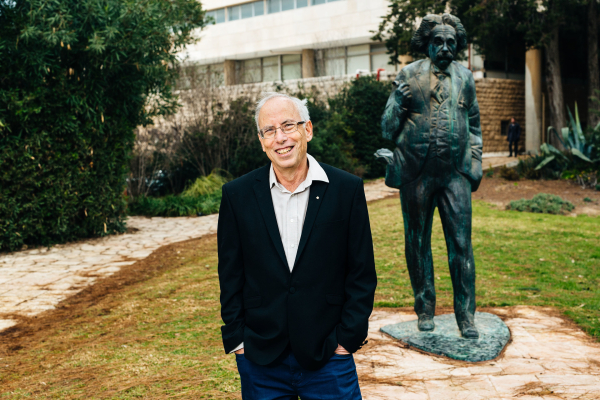
질 칼라이 (출처: Quanta)

이스라엘 예루살렘 헤브루 대학의 수학자 질 칼라이(Gil Kalai)는 대표적인 양자 컴퓨터 회의론자다.
미국 예일대에서 양자 컴퓨터 관련 세미나를 듣다가 문득 "왜 양자 컴퓨터의 미래가 밝기만 한 건가?"라는 생각을 가진 칼라이는 2005년에 이 문제에 대해서 다루기로 결심했다.
칼라이는 계산 복잡성 문제와 노이즈 문제를 연구하고 있다. 칼라이는 모든 물리 시스템은 노이즈를 가지고 있으며 큐빗은 극도로 민감한 '중첩' 성질 때문에 외부와의 상호작용을 통해 노이즈를 가질 수밖에 없다고 주장한다. 그리고 이 노이즈를 줄이는 것은 기술적인 문제가 아니며 근본적인 계산 이론이 노이즈의 최솟값을 결정한다고 말한다.
양자 컴퓨터 역시 주변의 신호에 영향을 받는다. 양자 컴퓨터의 매 처리 과정마다 큐비트는 노이즈에 오염될 가능성이 기존 비트보다 크다. 큐비트의 오염을 정화하기 위해서는 양자 오류 보정(Quantum Error Correction) 기술이 필요하다. 이를 위해서는 하나의 정교한 논리(Logic) 큐비트를 위한 100개에서 500개 정도의 물리(Physical) 큐비트가 있어야 한다. 양자 오류 보정 회로가 동작하기 위해서는 전체 노이즈가 어떤 특정 값 이하여야 한다.
칼라이의 연구팀은 2018년 2월 7일, 퀀타와의 인터뷰에서 노이즈를 수학적으로 모델링하여 그 특정 값을 계산했다고 밝혔다. 칼라이는 노이즈에 의한 오류가 서로 연관되어 있을 경우 어떻게 되는지를 살펴보기 위해 푸리에 해석을 사용했다. 그 결과, 오류의 파형이 저주파일 때는 시스템이 안정적이지만, 고주파로 갈 경우 전체 과정이 오류의 영향을 받게 된다는 것을 발견했다.
큐비트의 오염을 줄일 수 있는가? 해봐야 아는 것이다
많은 양자 컴퓨터 연구자들과 달리 칼라이는 이 결과가 노이즈가 어떤 수준 이하로 줄어들 수 없을 가능성을 암시한다고 본다. 양자 우위, 혹은 양자 오류 보정에 필요한 노이즈 수준으로 낮출 수 없다는 것이다. 양자 우위란 양자 컴퓨터가 기존 컴퓨터의 성능을 앞지르는 것이다. 양자 컴퓨터가 양자 우위를 달성하지 못한다면 양자 컴퓨터를 개발할 이유가 없는 것이다.
칼라이의 주장을 정리하자면, 양자 컴퓨터의 매 처리 과정마다 큐비트에 오류가 발생하고, 이를 보정할 큐비트가 추가로 필요하다. 이 과정이 잘 유지되기 위해서는 노이즈가 낮아야 하는데, 그 노이즈 수준을 맞추는 것이 애초에 불가능하다는 것이다. 그럼에도 양자 컴퓨터 연구자들은 지금도 계속 양자 컴퓨터를 연구 중이다. 칼라이는 이 시도가 실패할 것임을 확신하고 있으면서도 어떤 결과가 나올지 지켜보고 있다. 정말이지 양자 역학적이다.
양자 컴퓨터의 미래를 바라보며
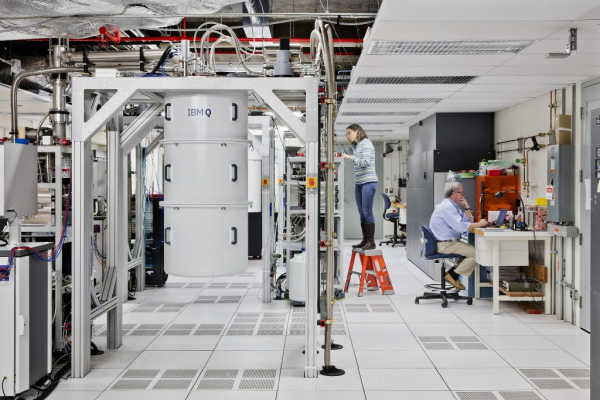
IBM의 양자 컴퓨터를 보면 무슨 생각이 드는가? 정말 크다는 생각이 들지 않는가? 초창기 컴퓨터인 ABC, 콜로서스, ENIAC처럼 IBM Q 역시 크고 무거우며 많은 전기를 소비한다. 이유는 다르다. 위에서 칼라이가 지적한 노이즈 수준과 큐비트 오류를 낮추기 위해 냉각기를 사용하기 때문이다.
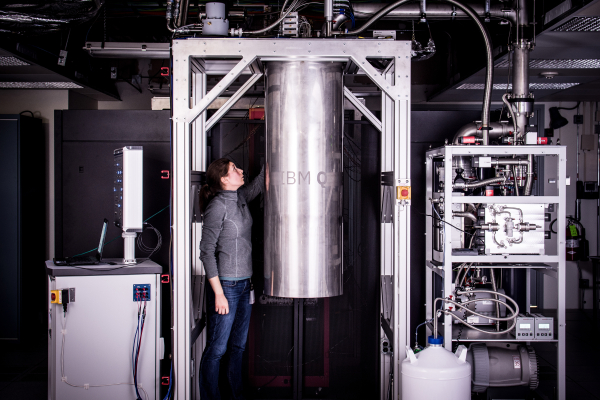
냉각기는 현재 양자 컴퓨터의 중요 요소다
켈빈이 낮을수록, 즉 절대영도에 가까워질수록 원자의 움직임이 둔해진다. 원자가 이리저리 왔다 갔다 하면 오류율이 높아진다. 따라서 IBM Q는 큐비트의 온도를 0.015켈빈으로 유지하고 있으며, 그래서 냉각기가 클 수밖에 없고 컴퓨터 자체가 크다. 큐비트가 많다고 다 되는 일이 아니다.
그럼에도 양자 컴퓨터 개발은 계속되고 있다. 언젠가는 양자 컴퓨터를 랩톱처럼 들고 다닐 날이 올지도 모른다.
현재 양자 컴퓨터를 연구하는 국내 기업은 IBM과 함께하는 삼성전자가 유일하다. 한국IBM에서는 2019년 상반기에 IBM과 함께 양자 컴퓨터를 연구할 기업 및 기관, 대학을 발표할 예정이다.
노이즈 문제처럼, 아직도 양자 컴퓨터 상용화에 많은 해결과제가 남아 있다는 것은 한국에도 기회가 남아있다는 것을 시사한다. 그러나 미중일에 비해 뒤처진 부분이 있음을 부인할 수 없다. 이미 벌어진 격차를 따라잡기 위해서는 선택과 집중이 필요하다.
범용 양자 컴퓨터보다 D-웨이브 같은 특수 목적용 양자 컴퓨터에 집중하는 것도 방법이며, 우수한 기술력을 가진 해외 스타트업을 인수하는 것도 방법이다. SK텔레콤이 양자 암호통신 기업 IDQ를 인수한 것이 좋은 사례다.
IBM Q 네트워크
가트너를 비롯한 예측 기관에서 양자 컴퓨터를 4차 산업혁명 시대의 경쟁력 강화 수단으로 내다보고 있다. 양자 컴퓨터 개발에 더 이상 늑장 부려선 안된다. 관계 당국과 기업, 대학의 총체적인 역량 결집이 필요한 시점이 아닐 수 없다.
<끝>
12회를 끝으로 양자 톺아보기 시리즈를 마무리합니다. 아무리 전공자도 어려워하는 분야라지만, 수박 겉핥기 식으로 다룬 것 같아 독자분들께 죄송스러운 마음입니다. 더 공부하고 더 준비해서 보다 알찬 양자 컴퓨터 기사로 다시 찾아뵙겠습니다.
Comments
Related news
[Quantum Reflection] It's more shameful not to learn than not to know.
A journalist with a humanities background has been grappling with understanding what quantum is and what quantum mechanics is, along with how quantum mechanics can be applied to our daily lives. The "Exploring Quantum" series, which has been examining these topics, has now progressed to its sixth installment. Around the time of Chuseok, a major Korean holiday, we take stock of the content covered so far.
2018.09.20by 이수민 기자
[Quantum Exploration] 10. D-Wave Opens the Door to Commercial Quantum Computers
A quantum computer is implemented to enable simultaneous computation of multiple pieces of information by utilizing quantum mechanical phenomena such as superposition and entanglement of quantum states, representing an ultra-high-speed, large-capacity computing technology optimized for specific operations. Based on its parallel processing capability, it demonstrates computational performance vastly superior to conventional computers at an incomparable level, and is expected to have significant impact on existing industries based on this capability.
2018.12.04by 이수민 기자
.jpg)
[Quantum Review] 11. IBM's 'Current Progress' Quantum Computer Development History
D-Wave's quantum computer is a quantum annealing computer that can only solve optimization problems, but it has drawn market interest in quantum computers. Among organizations developing quantum computers, IBM is the most representative. IBM has had a significant impact on the history of quantum computers, and through IBM Q, it is strengthening the quantum computer ecosystem by bringing together global talent worldwide.
2018.12.19by 이수민 기자
.jpg)
SalePoint Signs Multi-Year Partnership Agreement with AWS… Promoting Identity Security that Integrates Even AI Agents
Sailpoint has entered into a multi-year strategic partnership agreement with AWS and is moving forward with establishing an integrated governance system that manages both human and non-human identities together. The plan is to consistently manage access permissions in an environment where AI agents are increasing as work execution entities, while applying the principle of least privilege and automated policy enforcement. The two companies plan to jointly expand capabilities to manage the identities of various entities, including AI agents, within a single layer in the AWS environment. This collaboration is interpreted as a move to design security and governance together in corporate environments where AI adoption is expanding.
2026.03.26by 배종인 기자
.png)
Databricks Unveils Open AI Security Monitoring 'Lakewatch'
Databricks entered the security market on March 24 by unveiling LakeWatch, an open-source agentic SIEM. The core functionality of this product is to integrate and analyze security, IT, and business data in a single environment to support AI-based threat detection and investigation. The company explained that it reduces the limitations of existing security operations centers, which have had to forgo some data due to high cost structures, and enables large-scale data analysis and automation based on open formats and ecosystems. LakeWatch is currently offered as a private preview, with Adobe and Dropbox mentioned as early customers. Databricks also announced an expanded partnership with Anthropic as well as the acquisition of Antimatter and SiftD.ai.
2026.03.26by 배종인 기자











