



"Wireless charging from smartphones to electric vehicles" A look at the present and future of wireless power transmission technology
 Published2019.02.20 09:50
일체형의 장점은 제품 디자인에서 두드러진다. 먼저 배터리 커버를 고려할 필요가 없어 간결한 디자인이 가능하다. 설계할 때도 마찬가지다. 배터리 패키지를 더 줄일 수 있고 배터리와 다른 부품 사이의 공간을 덜 확보해도 되어 공간 확보에 용이하다.
소비자의 달라진 스마트폰 사용 행태가 일체형의 시장 지배력을 더욱 높였다. 보조배터리의 보급과 무선충전의 확산 덕분이다. 보조배터리가 없는 스마트폰 사용자는 거의 없고, 중국 저가 스마트폰조차도 무선충전을 지원한다. 사람에 따라 다르겠지만 여분의 배터리보다는 보조배터리를 들고 다니거나 무선충전을 하는 것이 더 편해진 시대가 됐다.
무선충전은 이미 충분히 발전한 보조배터리와 달리 발전 가능성이 무궁한 분야다. 그만큼 관련 제품의 연구개발도 활발하다. 다만, 제품을 세상에 내놓기 위해선 인증절차를 밟아야 한다. 이러한 기업들의 무선충전 제품개발을 돕는 곳이 있다. 바로 무선전력전송기술센터다.
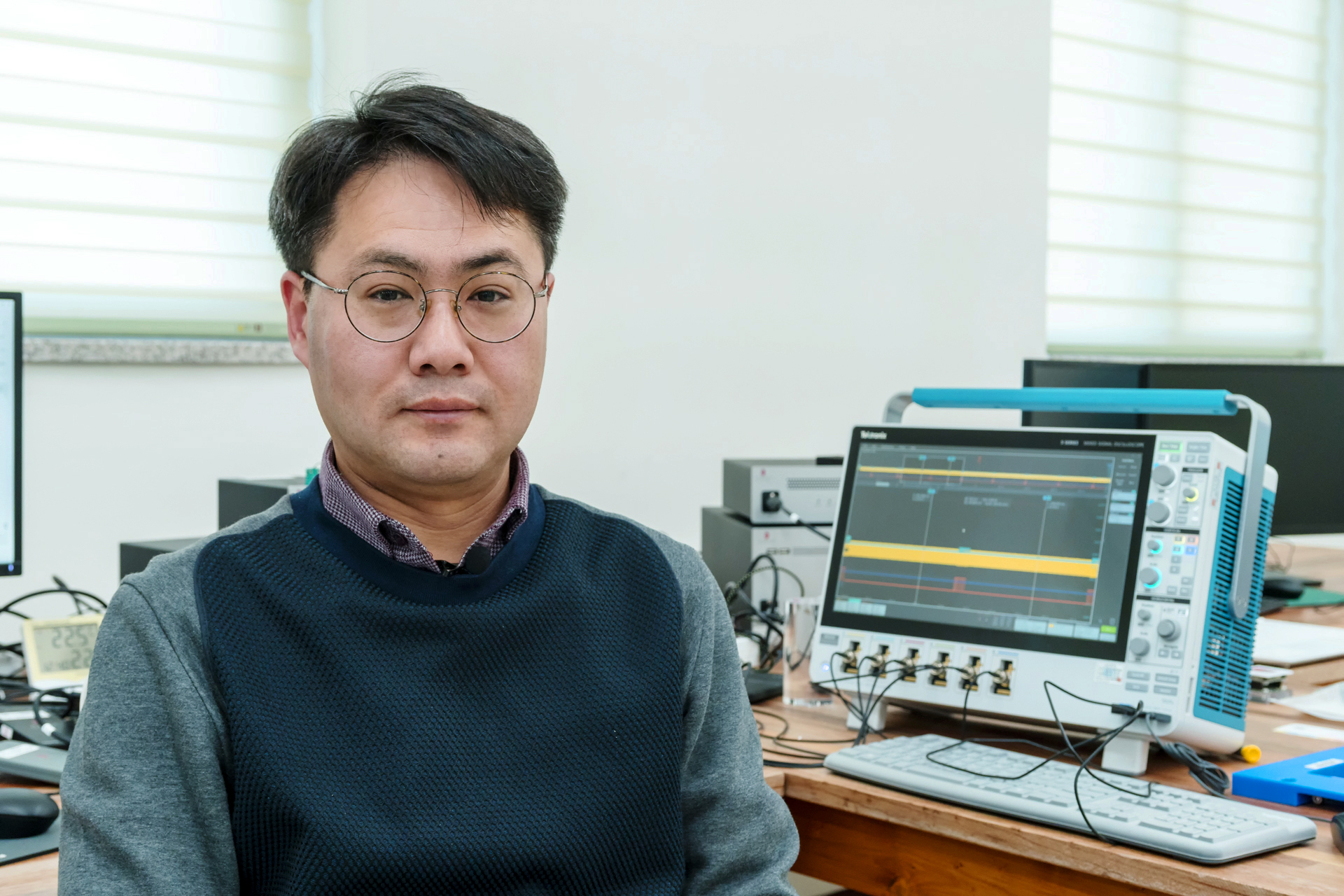
경북테크노파크 무선전력전송기술센터 김형준 선임연구원
경북 경산에 위치한 경북테크노파크 무선전력전송기술센터 김형준 선임연구원을 만나 무선충전의 현재와 미래를 물었다.
무선전력전송이라고 하니 낯섭니다. 무선충전이 곧 무선전력전송 아닙니까?
무선충전은 무선전력전송의 개념 중 하나로, 완전히 일치하지 않습니다. 무선전력전송은 하나의 독립된 기술이 아닙니다. 가령 자율주행차량의 경우, 도로에서의 주행뿐만 아니라 자동차 스스로 주차 후 충전까지 완료해야 진정한 의미에서 자율주행차량이라고 얘기할 수 있습니다.
현재 상용화 된 무선전력전송 기술은 소형기기의 오프라인 형태의 무선충전 기술이지만, 가까운 미래에는 무선충전 뿐만 아니라 실시간으로 전력을 전달하는 온라인 무선전력전송 기술까지 포함합니다.
또한, 방사형 기술이 개발되면 멀리 위성으로부터 전력을 수신 받아 지구에서 사용할 수 있게 돼 기존의 발전방식에서 벗어난 친환경 발전 시스템을 구축할 수 있습니다.
무선전력전송 기술에는 어떠한 것들이 있는지 설명해주십시오.
무선전력전송 방식에는 크게 3가지가 있습니다.
AirFuel에서 주도하는 자기공진 방식, WPC에서 주도하는 자기유도형 방식, 그리고 전자기파를 이용하는 방사형 방식입니다.
자기공진형 방식은 송수신기가 동일한 공진 주파수를 이용하여 무선으로 전력을 전송하는 방식입니다. 변압기의 1차 코일과 2차 코일간의 자기유도 현상을 이용하는 자기유도형 방식에 비해 송수신 거리가 길며, 하나의 송수신기로 여러 개의 수신기로 무선전력전송이 가능합니다. 유도 방식에 비해 낮은 효율이 단점입니다.
방사형 방식은 안테나와 렉테나를 이용하여 전자기파를 이용한 방식입니다. 공진, 유도 방식에 비해 원거리 무선충전이 가능합니다. 외딴 섬이나 우주 공간까지 신호를 보낼 수 있습니다. 다만 많은 전력을 사용하기에 낮은 효율과 인체유해성 문제점이 있습니다.
시중에 출시된 무선충전 제품의 90% 이상은 자기유도형 방식입니다.
그렇다면 무선전력전송기술센터가 하는 일은 무엇입니까?
무선전력전송기술센터(이하 센터)는 국책사업인 산업융합기반구축사업의 일환으로 2018년 5월, 이곳에 설립되었습니다.
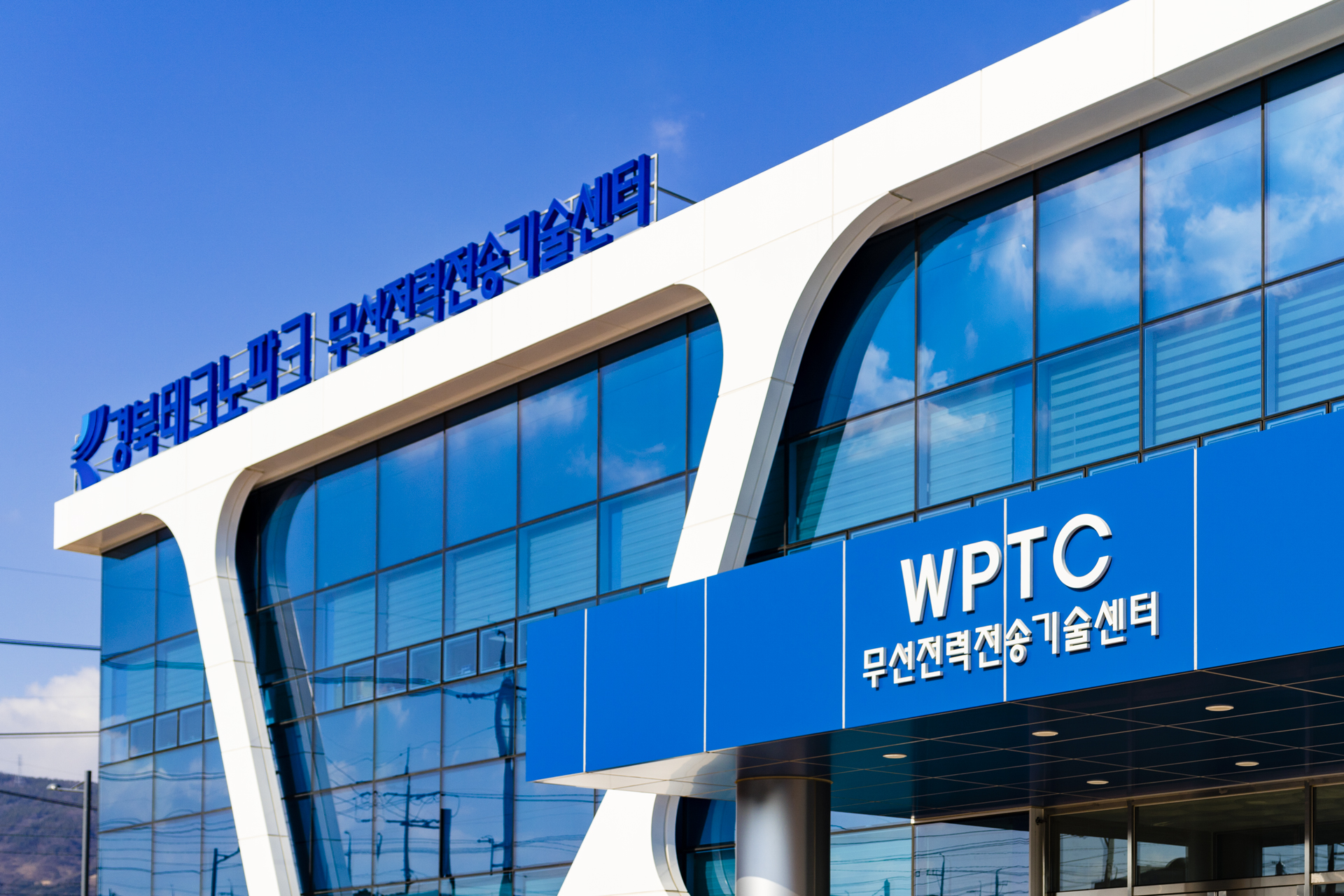
경북테크노파크 무선전력전송기술센터
센터는 4차 산업혁명의 기반기술인 무선전력전송과 관련된 시험 연구 및 기업지원을 수행하는 국내 유일의 무선전력전송 전문기술센터입니다.
센터에서는 국내 무선전력전송산업의 활성화와 함께 기업들이 글로벌 경쟁력을 갖출 수 있도록 관련된 원천기술 개발, 글로벌 인증시험 서비스, 사전시험 및 애로 기술 해결 등을 지원하고 있습니다.
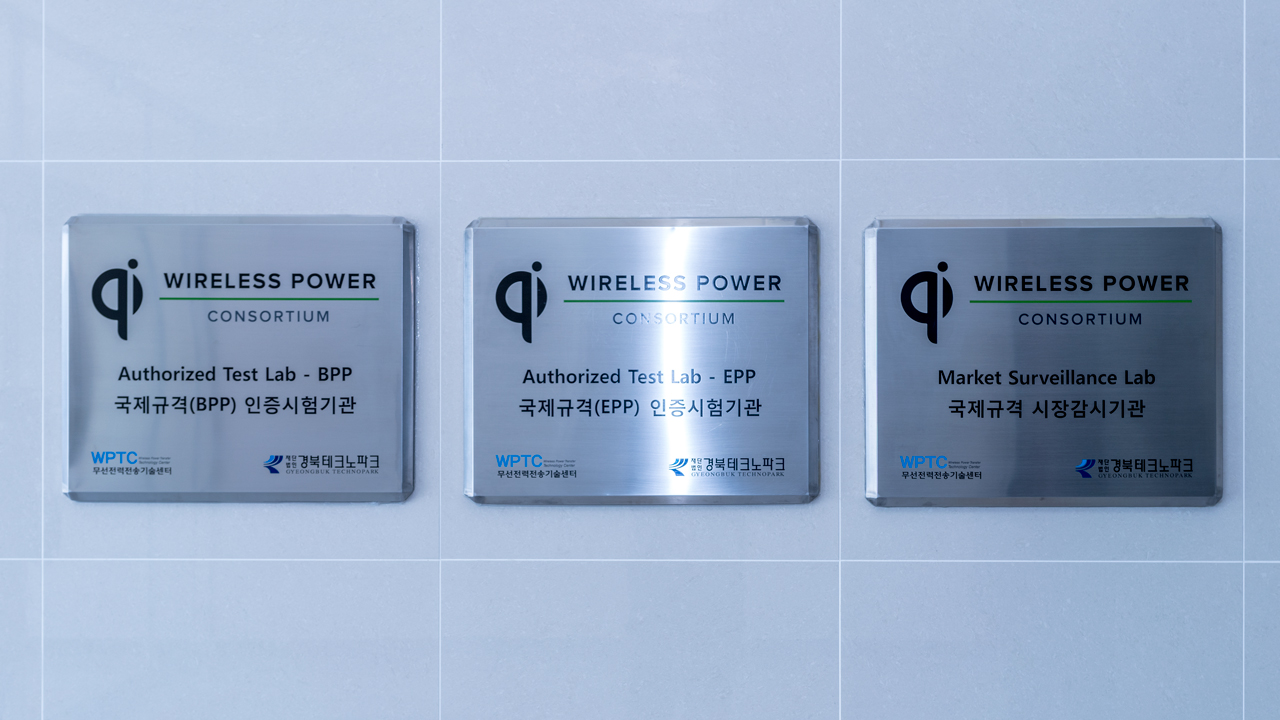
인증시험기관 및 시장감시기관 지정패
경북테크노파크 무선전력전송센터는 2017년 11월, 세계에서 6번째로 Qi 15W 표준인증시험기관에 지정됐다. 2018년 4월에는 세계 최초로 무선충전기관련 국제규격 시장 감시기관으로 지정되었으며, 10월에는 Qi 5W 표준인증시험기관에 지정됐다.
업계에서 무선전력전송 기술과 관련하여 가장 뜨거운 이슈는 무엇입니까?
현재 가장 널리 사용되는 기술은 휴대폰 충전기술입니다. 저전력이다 보니 현재 크게 이슈가 되는 부분은 없지만, 무선으로 전송하는 전력이 점차적으로 증가하는 추세입니다. 무선전력전송이 주파수에 의해 전력을 전달하는 방식이다 보니 무선충전 동작 시 유기되는 전자파로 인한 인체유해성 문제, 전자파 간섭(EMI) 및 전자파 적합성(EMC) 문제가 업계에서는 큰 관심사입니다.
업체들이 어려움을 토로하는 인증절차 과정은 어떤 것입니까?
무선충전기의 경우 로드의 저항 값, 즉 수신기의 환경 변화에 따라 송수신되는 전압 및 전류가 달라집니다. 따라서 제품의 인증시험 때 목표로 한 정류 전압의 안정화가 쉽지 않습니다.
기업에서 가장 어려워하는 인증절차 과정은 이물질 탐지 기능입니다. 이물질 탐지 기능은 무선충전 동작 시 동전, 반지 등의 전도성 물체가 송수신기 사이에 삽입되었을 때, 송수신 되는 전력에 의해 발열 현상이 발생하며, 이로 인해 화재의 위험을 방지하고 하는 기능입니다. 이물질 탐지 시 무선충전 동작을 중지시키거나 10분 동안 이물질의 온도를 60도 이하를 유지해야 합니다.
센터에서 제품 인증시험뿐만 아니라 감시활동도 한다고 들었습니다. 센터에서 수행하는 무선전력전송 기술과 관련된 감시활동은 어떤 것입니까?
2018년 4월, WPC는 세계 최초로 저희 센터와 미국의 NTS를 시장감시기관(Market Surveillance Lab)으로 지정하였습니다. 그 후로 센터에서는 WPC로부터 QI 인증을 받은 제품을 무작위로 구매하여 간단한 인증시험을 재실시하고 있습니다. 시험 후 결과를 WPC에 통보하고, 이를 근거로 인증 획득 후 관리를 하고 있습니다.
인증시험, 사전시험, 거기다 감시활동까지. 이 모든 것을 다 하려면 계측기가 많이 필요할 것 같습니다.
센터에서는 인증 및 사전시험과 기업지원을 위해 많은 계측기를 구축하고 있습니다. 인증시험을 할 때는 측정해야 할 팩터가 여럿입니다. 채널 또한 6개 이상입니다.
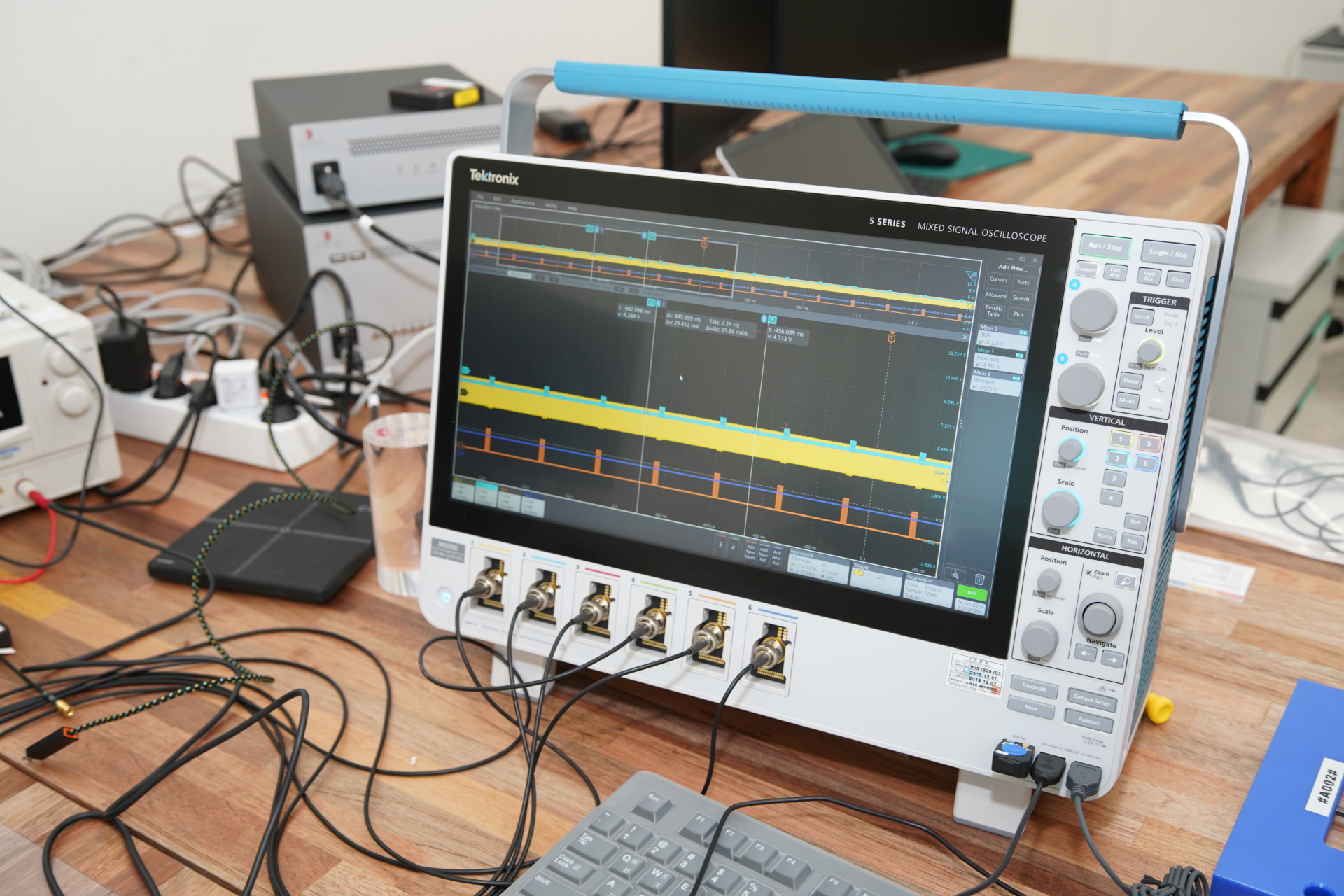
센터에서 사용 중인 텍트로닉스 5 시리즈 MSO
텍트로닉스의 제품은 기존 제품과 비교하여 여러 채널 여러 개 팩터를 측정할 때 연산 및 분석 속도가 빨라 인증시험을 신속히 진행하는데 도움을 주고 있습니다. 이는 빠른 인증획득을 원하는 기업들에게 강력한 소구점입니다.
센터의 비전에 대해서 말씀해주십시오.
센터는 국내 유일한 무선전력전송기술 전문센터입니다. 센터는 소전력 제품뿐만 아니라 대전력 제품의 개발 및 인증을 지원하기 위해 중대형 차폐실을 갖췄습니다. 대형버스 충천 시스템도 거뜬히 테스트할 수 있습니다.
.jpg)
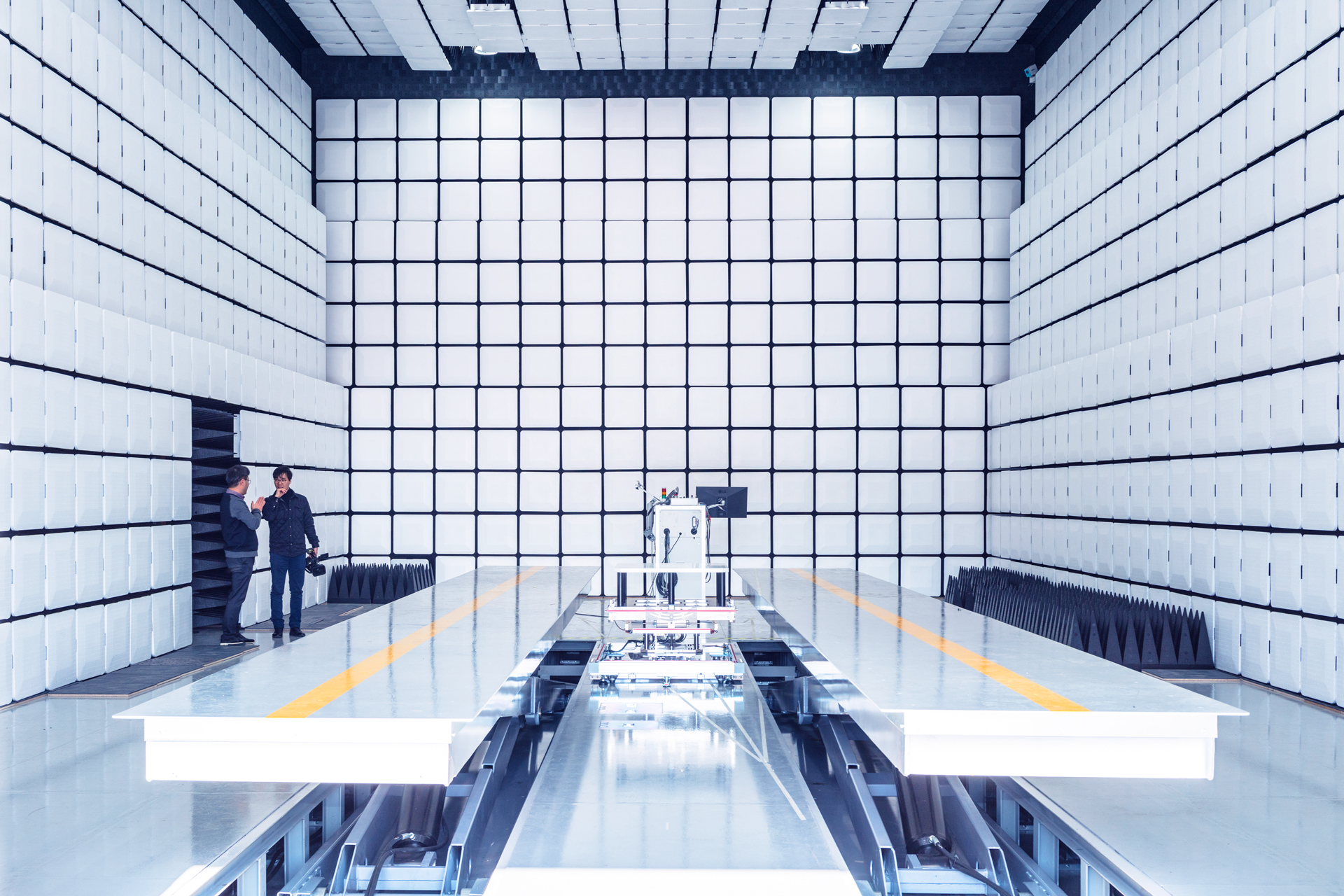
센터의 중대형 차폐실은 대형버스도 들어올 수 있는 규모다
무선전력전송센터의 가장 큰 목표는 역시 기업지원입니다. 센터는 원스톱 테스트 시스템을 구축해 기업, 특히 중소기업의 시간과 돈을 절감하기 위해 노력하고 있습니다. 센터에서는 계속해서 인력을 충원하고 있습니다. 이를 바탕으로 관련 연구를 진행하여 관련 기업들이 고충을 더는 데 기여할 것입니다.
무선전력전송 기술의 가능성이 소전력 제품에만 한정되지 않는다는 것을 알 수 있는 인터뷰였다. 태양광 발전 인공위성이 지상으로 전력을 전송하거나, 도로 밑에 빼곡히 설치된 전력 전송기가 도로 위에서 운행 중인 전기자동차를 충전하는 미래를 꿈꾸는 것. 더 이상 허황된 것은 아니다.
Comments
Related news
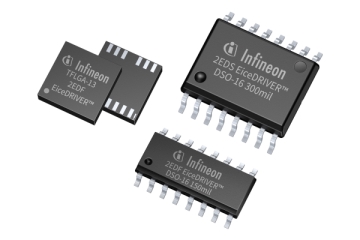
Infineon launches two-channel isolated gate driver family for high-performance power conversion applications
Infineon Technologies is launching a new family of 2-channel isolated EiceDRIVER IC products for high-performance power conversion applications. The new gate driver IC family is suitable for use in high-voltage PFC and DC-DC stages, and synchronous rectification stages in servers, telecom, and industrial SMPS. Additionally, it is suitable for use in 48V to 12V DC-DC converters, battery systems, electric vehicle chargers, smart grids, and solar microinverters.
2018.11.27by 이수민 기자
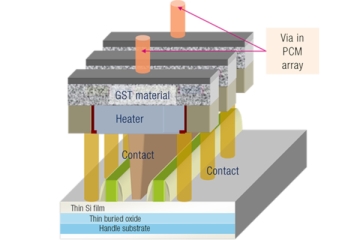
ST Announces ePCM Performance and Benchmark for Automotive MCU
STMicroelectronics announced the architecture and performance benchmarks of its ePCM designed for automotive microcontrollers and technology based on 28nm FD-SOI at IEDM 2018. This MCU, the world's first to use ePCM, targets powertrain systems and advanced secure gateways, safety/ADAS applications, and the automotive charging market.
2019.01.11by 이수민 기자
ST 'NFC IC and 8-bit MCU' Adopted in ROHM Automotive Wireless Charging Reference
ST Microelectronics' automotive NFC reader IC ST25R3914 and automotive 8-bit microcontroller STM8AF have been adopted in Rohm's Qi-compatible automotive wireless charging reference design. Contactless communication based on NFC is already widely used for functions such as mobile payment on smartphones, and recently its usage has been rapidly expanding from mobile devices to industrial equipment, IoT devices, and automotive systems. Rohm's automotive wireless charging module reference design, which adopts ST's NFC reader IC and 8-bit MCU, is based on the BD57121MUF-M, a Qi-standard 15W wireless charging IC developed by Rohm to enable more widespread application of wireless charging functionality in automotive center console boxes.
2019.01.29by 이수민 기자
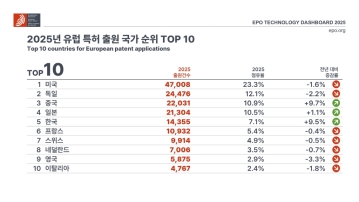
European Patent Applications Surpass 200,000 for the First Time… South Korea Maintains 5th Place, Led by Batteries and Telecommunications
According to the European Patent Office (EPO)'s 'Technology Dashboard 2025', European patent applications last year reached 201,974, surpassing 200,000 for the first time. Korean companies and inventors filed 14,355 applications, representing a 9.5% increase from the previous year and maintaining 5th place by country. Battery, digital communication, and semiconductor technologies led the growth, with Samsung ranking as the top EPO applicant for the second consecutive year and LG reaching 3rd place. The presence of major domestic cities such as Seoul, Suwon, and Yongin was also confirmed. It was also revealed that Korea's European patent strategy is expanding beyond individual technologies to span the entire industry.
2026.03.24by 명세환 기자

SK Telecom First Applies AI-Based Network Operations at Gwanghwamun K-Pop Concert
SK Telecom announced that it applied an AI-based network operation system for the first time at a large-scale K-pop concert held in the Gwanghwamun area of Seoul on March 21st, managing communication quality throughout the event. Mobile data usage during the three hours before and after the concert reached 12.15TB, approximately doubling compared to the same time slot the previous weekend. SK Telecom monitored traffic using the AI system 'A-One' in five-minute and 50-meter units to respond to potential overload situations, while also operating temporary communication facilities and on-site personnel in parallel. This case is interpreted as confirmation of the practical applicability of AI-based autonomous network operation in an environment where demand from dense events and foreign users increases simultaneously.
2026.03.23by 명세환 기자











