



ETRI Unveils "Covert," a Korean Language Model for AI Applications
 Published2019.06.11 09:50
| AI 비서·질의응답 등 한국어 처리 분야 활용 가능
| 파이토치와 텐서플로 환경 모두에서 사용 가능
과학기술정보통신부와 정보통신기획평가원(IITP)의 혁신성장동력 프로젝트로 추진 중인 엑소브레인 사업에서 최첨단 한국어 언어모델을 공개했다. 이로써 인공지능(AI) 비서, AI 질의응답, 지능형 검색 등 한국어를 활용한 인공지능 서비스 개발이 한층 고도화될 것으로 전망된다.
한국전자통신연구원(ETRI)은 10일, 최첨단 한국어 언어모델 ‘코버트(KorBERT)’를 홈페이지를 통해 공개했다.
언어모델은 자연어 처리 딥러닝을 위해 언어를 숫자로 표현한 후 학습에 따라 단어가 나타날 확률 분포를 모은 말뭉치다.
연구진이 공개한 모델은 두 종류다. 구글의 언어표현 방법을 기반으로 더 많은 한국어 데이터를 넣어 만든 언어모델과 한국어의 교착어 특성까지 반영해 만든 언어모델이다.
이 기술은 올해 3월, 한컴오피스 지식검색 베타버전에 탑재되었다. 하반기에는 ETRI의 언어모델을 활용한‘법령분야 질의응답 API(Application programming interface)’를 추가 공개하고 ‘유사 특허 지능형 분석 기술’도 출시를 목표하고 있다.
언어처리를 위한 딥러닝 기술을 개발하기 위해서는 텍스트에 기술된 어절을 숫자로 표현해야 한다. 이를 위해 그동안 언어를 활용한 서비스를 개발하는 기관에서는 주로 구글의 다국어 언어모델 ‘버트’(BERT)를 사용했다.
버트는 문장 내 어절을 한 글자씩 나눈 뒤, 앞뒤로 자주 만나는 글자끼리 단어로 인식한다. 이 방식은 지난해 11월 처음 공개되었을 때 언어처리 11개 분야에서 많은 성능 향상을 이뤄 주목을 받았다.
구글은 40여 만 건의 위키백과 문서 데이터를 사용해 한국어 언어모델을 개발했다. ETRI 연구진은 여기에 23기가바이트(GB)에 달하는 지난 10년간의 신문기사와 백과사전 정보를 더해 45억 개의 형태소를 학습시켜 구글보다 많은 한국어 데이터를 기반으로 언어모델을 개발했다.
단순히 입력한 데이터양만을 늘리는 것은 언어모델 고도화에 한계가 있다. 한글은 다른 언어와 달리 어근에 조사가 붙는 교착어다. 연구진은 이에 한국어의 의미 최소 단위인 형태소까지 고려해 한국어특성을 최대한 반영한 언어모델을 만들었다.
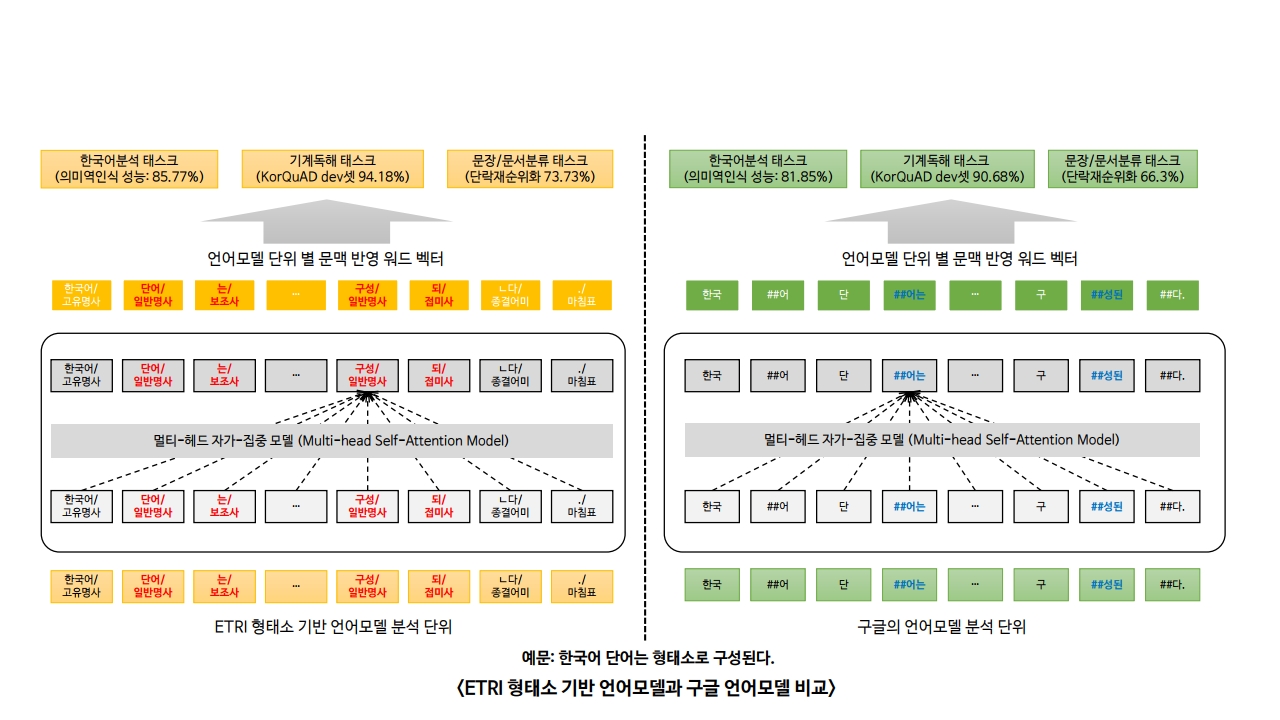
연구진은 이번 한국어에 최적화된 언어모델이 ▲전처리 과정에서 형태소를 분석한 언어모델 ▲한국어에 최적화된 학습 파라미터 ▲방대한 데이터 기반 등이 구글과 차별성 있는 특징이라고 설명했다.
개발된 언어모델은 성능을 확인하는 5가지 기준에서 구글이 배포한 한국어 모델보다 성능이 평균 4.5% 가량 우수했다. 단락 순위화(Passage Ranking) 기준에서는 7.4%나 높은 수치를 기록했다.
연구진의 언어모델을 활용하면 서비스 성능 및 경쟁력을 높일 수 있어 딥러닝 연구, 교육 등의 목적으로 대학, 기업, 기관의 개발자들의 많은 활용이 이뤄질 것으로 예측된다.
개발된 언어모델은 대표적인 딥러닝 프레임워크인 파이토치(PyTorch)와 텐서플로(Tensorflow) 환경 모두에서 사용 가능하며, 공공인공지능 오픈 API‧데이터 서비스 포털에서 쉽게 찾아볼 수 있다.
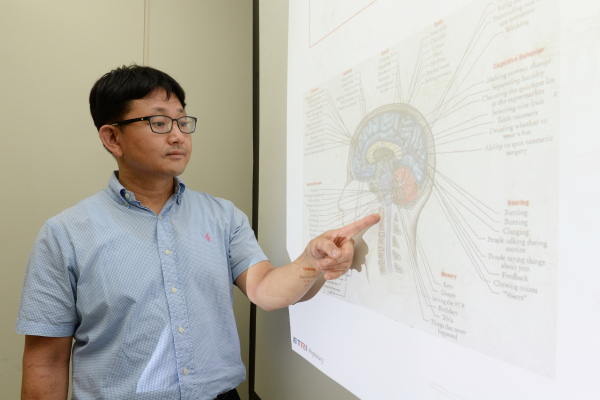
엑소브레인 사업의 총괄책임자인 ETRI 김현기 박사는 “한국어에 최적화된 언어모델을 통해 한국어 분석, 지식추론, 질의응답 등의 다양한 한국어 딥러닝 기술의 고도화가 가능할 것으로 기대된다”고 말했다.
과기부 인공지능정책팀 김지원 팀장도 “AI 허브를 통해 정부 R&D를 통해 개발되는 양질의 인공지능 SW API 및 데이터를 공개함으로써 개방형 혁신을 촉진할 수 있도록 노력하겠다”고 밝혔다.
현재 구글과 연구진이 언어모델 개발에 활용한 버 방식은 약 512개 이상의 단어가 들어간 문서를 한 번에 처리하지 못한다. 향후 연구진은 한 번에 더욱 많은 언어 데이터를 처리하고 검증 방법을 고도화한 모델을 개발할 계획이다.
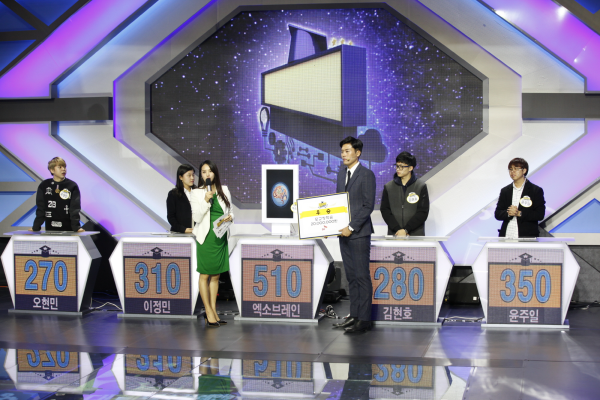
이번 연구개발에 근간이 된 ‘엑소브레인 사업’은 2016년 EBS 장학퀴즈 우승, 기술이전 및 사업화 39건, 국내외 표준화 44건, 특허출원 70건 등의 성과를 낸 바 있다.
한편, ETRI는 2017년도부터 언어지능 기술 오픈 API 및 기계학습 데이터를 공개했다. 지금까지 1천3백만 건 이상 활용됐고 산업체(42%), 대학교(34%), 개인(20%), 기타(4%)의 개발자들이 사용하고 있다. 또한, 은행권·지자체를 대상으로 인공지능 대국민 서비스 등을 개발하며 국내 인공지능 분야의 산업화 촉진을 추진하고 있다.
Comments
Related news
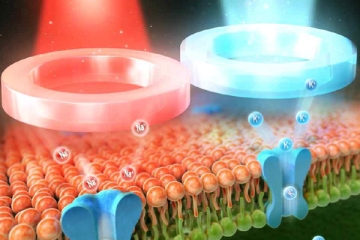
AI device operating at the speed of light has been developed
A research team led by Professor Park Nam-gyoo, Dr. Yu Seon-gyoo, and Dr. Park Hyun-hee at Seoul National University has successfully demonstrated the simulation of neuron operations—the basic units of the brain—through the flow of light for implementing high-speed AI computation. As semiconductor electronic circuits have recently undergone miniaturization to several nanometers in nanotechnology processes, heat generation and speed limitations have become fundamental constraints on performance enhancement of semiconductor devices, and these are expected to be ultimate limiting factors in the implementation of neuromorphic semiconductor electronic circuits. By contrast, neuromorphic devices that perform computation using light rather than electrons are being researched at research institutions worldwide, including MIT and Stanford University, due to their capability for low-power operation without heat generation and ultra-high-speed operation. The research team successfully simulated and reproduced various computational functions of unit neurons through optical signal processing by utilizing metamaterials that satisfy parity-time symmetry, an unusual physical symmetry, with amplification and loss materials, to which nonlinearity controlling temporal symmetry was added.
2019.06.08by 이수민 기자
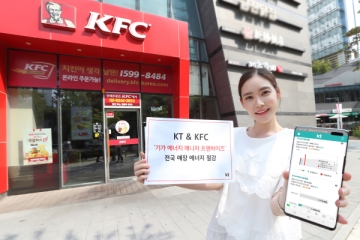
KT Leads Energy Efficiency Improvement at 190 KFC Stores
KT and KFC Korea are implementing the Giga Energy Manager Franchise service at 190 KFC locations nationwide to enhance energy efficiency. Giga Energy Manager Franchise is a solution based on KT's intelligent energy platform 'KT-MEG' that monitors and controls energy and facilities within stores in real-time to reduce energy consumption and improve efficiency. The solution analyzes energy consumption patterns and automatically controls systems using big data and AI, providing an optimal energy environment. Based on the analysis, it predicts energy usage and proposes optimal energy operation schedules, enabling practical cost savings as well.
2019.06.10by 이수민 기자
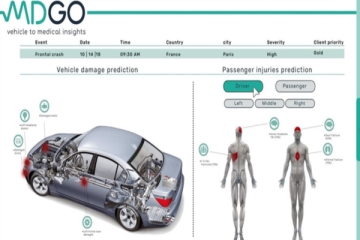
Hyundai Motors and Israeli Startup 'MDigo' to Develop Technology to Predict Injuries to Passengers in Accident Vehicles
Hyundai Motor has decided to jointly develop with MDGo a service that predicts occupant injury status in the event of a vehicle accident and enables the provision of accurate initial medical services. When an unexpected vehicle accident occurs, it is as important as the rapid on-site dispatch of medical personnel to accurately assess the injuries of the victims and provide appropriate initial emergency response at the scene. MDGo, based in Israel, is a specialized company in medical information analysis utilizing AI. MDGo's AI algorithm analyzes data collected from various sensors in the vehicle when a collision occurs and generates a report indicating occupant injury location and trauma severity in real time. This report is immediately transmitted to nearby hospitals and ambulances transporting patients, helping to provide optimal emergency treatment at the accident scene.
2019.06.10by 이수민 기자

[e4ds Tech Day 2026 ⑨] Sim Sang-gyu, Autocrypt CTO: "In the Physical AI Era, Automotive Security Must Extend Beyond the Vehicle"
At e4ds Tech Day 2026, Sim Sang-gyu, CTO of Autocrypt, explained automotive cybersecurity strategies in the era of Physical AI and SDV (Software-Defined Vehicle). Automobiles are evolving as part of an ecosystem connected to AI, cloud, chargers, IoT, and robots, and he emphasized that the scope of security must expand beyond the vehicle interior to the entire connected environment. In particular, AI model tampering, adversarial attacks, OTA updates, and EV charger hacking were identified as major threats. He explained that response measures require zero trust, AI model integrity protection, intrusion detection, Security by Design and Default, and full lifecycle security management, and that proactive security system establishment beyond regulatory compliance is critical for securing future mobility competitiveness.
2026.10.12by 배종인 기자
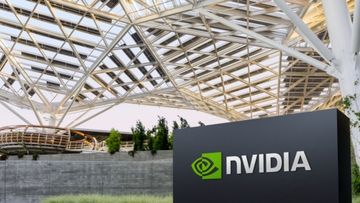
NVIDIA to Invest $1 Billion in U.S. Science Over Next Five Years
NVIDIA has announced plans to invest $1 billion over the next five years to strengthen U.S. scientific and technological competitiveness. The company will enhance cutting-edge artificial intelligence research and development capabilities in key areas including quantum computing, healthcare, and energy security, while expanding support for higher education research institutions and cloud service providers. NVIDIA is participating as a major industry partner in the White House Office of Science and Technology Policy's Genesis Mission, and is promoting supercomputer construction in collaboration with national laboratories including Argonne and Los Alamos.
2026.10.12by 배종인 기자











