



Semiconductors are the key to implementing connected smart factories.
 Published2019.06.12 15:34
| 반도체, 새로운 시대 산업 자동화 장비의 중심
| 수요에 맞는 공정 조정, SDI/O를 통해 가능
센서의 사용과 클라우드 연결이 광범위하게 증가하면서 공장의 체계와 장비의 변화 속도가 빨라지고 있다.
오늘날의 공장 가동 방식은 성장하는 경제력과 기술력에 힘입어 빠르게 변하고 있다. 이처럼 빠르게 변하는 환경에서는 공장을 더 유연하고 안전하게 할 뿐 아니라 연결성 확장과 보안성 유지에 기여할 수 있는, 더욱 연결되고 지능적인 시스템을 개발하기 위해 가장 민첩하게 대응하는 공장 장비 제조사만이 번창할 수 있을 것이다.
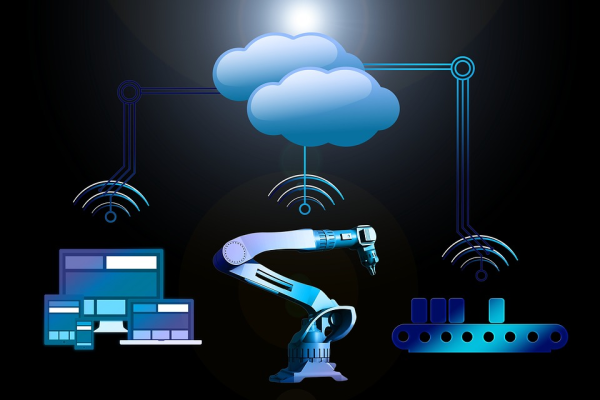
자동화되고 자율적인 시스템 사용이 증가하면서 공장에서 반복적이고 복잡한 수작업을 처리하는 노동력에 대한 의존도가 줄어들고 있다. 반도체는 이렇듯 새로운 시대의 산업 자동화 장비의 중심에 있으며, 커넥티드 환경을 효율적으로 운영하는 데 필요한 프로세싱, 제어 및 감지 기능을 제공한다.
반도체 제조사는 센싱, 신호 컨디셔닝, 디지털 신호 처리, 유선 및 무선 연결, 소프트웨어 분야의 전문지식을 바탕으로 산업 고객이 직면한 과제를 파악해 OEM의 제품 출시 기간을 단축할 수 있게 하는 애플리케이션 중심의 솔루션을 개발해야 한다. 또 고객이 기술 혁신을 이루고, 다가오는 미래를 준비할 수 있게 지원하는 한편, 기존 시스템을 지속적으로 활용할 수 있도록 산업용 부품을 장기적으로 공급할 수 있어야 한다.
미래는 인류에게 엄청난 변혁을 가져다 줄 것이며, 그 변혁은 풍요로움이 전 세계적으로 확산되는데 기여할 것이다.
경제적 풍요의 확산
21세기 들어 눈에 띄는 특징 중 하나는 기존에 개발도상국으로 간주되었던 국가와 지역들의 소득 수준이 눈에 띄게 증가했다는 점이다. 그에 따라 제조 상품에 대한 수요가 전 세계적으로 증가하자, 제조업체들은 생산을 확대하고 지역과 국가적 차이를 만족하기 위해 보다 다양한 제품 구성을 제공해야 하는 요구를 끌어안게 되었다.
동시에 세계적인 경제 성장은 인건비가 낮은 비숙련 노동력을 감소시켰다. 이 지역들의 인건비가 상승하는 한편, 노동 인구의 교육 수준이 높아짐에 따라 기존에는 저임금으로 수행하던 반복적인 수작업에 대한 유입 인원을 잃게 되자, 제조업체들은 지난 30년 간 역외 생산을 통해 중국처럼 인건비가 저렴한 지역으로 이전함으로써 얻었던 단발성의 경제적 호황을 기대할 수 없게 됐다.
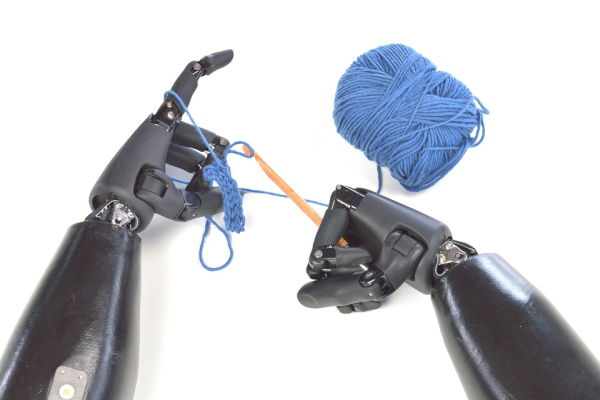
앞으로 제조업체들은 인건비가 낮은 새로운 지역을 찾아 이동하는 대신 자동화 기술을 도입함으로써 경쟁력을 높이는 전략을 추구해야 한다.
커넥티드 스마트 팩토리
새로운 기술의 가능성은 제조업체들이 공장 자동화 장비에 비용을 지출함으로써 추가적인 가치를 얻을 수 있게 해준다.
초소형 고성능 반도체 센서의 확산에 따라 기계 가동과 공정 수행 중 엄청난 양의 데이터가 발생한다. 여기에는 기계 상태 모니터링, 예방적 유지보수 등 데이터 분석과 관련하여 그 어느 때보다 새롭고 풍부한 애플리케이션 가능성이 존재한다. 동시에 하드웨어 및 소프트웨어로 정의하는 전자장치 기능의 사용 증가는 공장의 공정과 툴의 신속한 재구성을 가능하게 한다.
미래의 공장은 더 민첩하고 빠르게 수요에 대응하고, 더 자동화되고 신뢰할 수 있게 될 것이다. 동시에 인간 작업자에 대한 의존도는 더욱 줄어들고, 예기치 않은 유지보수로 인한 가동 중단은 점점 더 줄어들 것이다.
그러면, 아날로그 및 디지털 반도체 세계의 어떤 기술이 이러한 공장 자동화의 새로운 모델을 구현하는지 살펴보자.
센서; 기계 상태 모니터링의 핵심
MEMS 센서 기술을 활용하면 작고 견고하면서 진동과 동작을 정밀하게 측정할 수 있는 새로운 종류의 센서 개발이 가능하다.
일례로, 저잡음에 넓은 대역폭 특성의 가속도계는 기계의 진동 특성에서 미세한 변화를 식별하는 데 필요한 우수한 정밀도와 정확도를 제공한다. 이 디바이스를 센서 분석 소프트웨어와 함께 사용하면, 고장이 발생하기 훨씬 전에 잠재적 고장 원인을 찾아내 충분한 시간을 두고 예방적 유지보수 조치를 취할 수 있다.
기계 상태 모니터링은 전통적인 공장 설정에만 국한되지 않는다. 모바일 또는 원격 산업 장비는 무선 연결 기술을 사용하여 진단 정보와 동작 상태를 중앙 컨트롤러에 보고할 수 있다. 이러한 종류의 애플리케이션은 배터리 전원이나 태양광 에너지 같은 간헐적 전원으로 동작하므로 초저전력 감지 솔루션을 필요로 한다.
작업장 간 고속연결
공장과 플랜트 전체에 걸쳐 설치되는 센서의 수가 늘어나면 실시간 데이터 흐름이 엄청나게 늘어난다. 4~20mA 제어 루프 같은 PLC와 센서 노드 간 기존 통신 방식들이 산업용의 다양한 초고속 이더넷 프로토콜로 대체되면서 공장의 운영 기술(OT) 인프라와 기업의 정보 기술(IT)의 통합이 늘어나는 추세다.
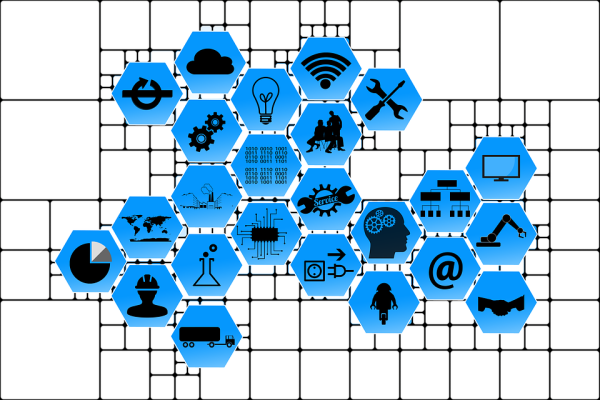
공장의 고속 데이터 전송에 대한 이러한 새로운 요구에 대처하려면 OEM은 미래 경쟁력을 갖춘 시스템을 구현해야 한다. 이를 위해서는 오늘날 사용되는 산업용 이더넷 프로토콜뿐 아니라, 실시간 산업용 통신을 위한 유망한 표준 유선 네트워킹 기술로 새로이 떠오르는 이더넷 기반 TSN(time-sensitive networking)을 지원할 필요가 있다.
물리적 배선이 어려운 위치에 있는 센서 노드를 연결하기 위한 견고한 무선 센서 네트워크 기술도 필요하다. SmartMesh 및 WirelessHART 같은 무선 네트워크 기술은 열악한 IoT 애플리케이션에서 동작하도록 설계돼 선 없이 산업용 자동화 장비를 연결할 수 있는 검증된 고성능 방법을 제공한다.
자율기계를 위한 안전 시스템
자율자동차와 협동로봇, 즉 코봇(cobot)은 공장과 창고에서 자동화 애플리케이션을 확대할 수 있는 폭 넓은 기회를 제공한다. 다만, 이와 관련한 업계의 과제는 자율 기계가 주변 환경을 완벽하게 인지할 수 있다는 것을 보장함으로써 안전성을 보증하는 데 있다.
첨단 레이더와 라이다(LiDAR) 기술은 물체와 근접 감지, 3D 지도 애플리케이션에서 정확도와 정밀도 표준을 높여준다.
온라인 공격으로부터 공장 보호
연결성에 대한 부작용으로, 작업자의 임금을 빼내려는 해커의 침투나 고부가가치 산업 시스템에 혼란을 초래하려는 국가 차원의 지원을 받는 온라인 공격의 위험 또한 높아졌다.
점점 더 많은 공장의 노드가 클라우드로 연결됨에 따라 이러한 노드는 해커가 침입할 수 있는 새로운 진입 지점으로 활용될 수 있다.
반도체 기반 연결 시스템은 임베디드 시스템에 최적화된 견고한 보안을 필요로 한다.
구성 가능한 생산 공정
미래의 공장은 새로운 수요와 작업 흐름에 맞춰 신속하게 조정할 수 있어야 한다. 핵심은 아키텍처 수준에서 산업 자동화 기술 제품에 유연성을 구축하는 데 있다.
이러한 유연성 요구를 지원할 수 있는 한 가지 방법은 배선을 변경하지 않고도 아날로그 또는 디지털, 입력 또는 출력으로 구성할 수 있는 소프트웨어 정의 I/O를 사용하는 것이다.
아날로그, 디지털, 소프트웨어의 통합 솔루션
산업 자동화 장비의 개발과 생산은 점점 더 하이테크 화하고 있다. 최종 사용자가 요구하는 더 높은 생산성, 더 구성 가능한 기능, 더 안전한 운영, 그리고 더 높은 클라우드 통합 특성을 만족해야 하기 때문이다. 동시에 새롭고 더 정교한 설계로 시장에 보다 빨리 진출해야 한다는 압력이 지속적으로 높아지고 있다.
ADI는 이러한 요구에 부응하여 기계 상태 모니터링, 고속 연결, 안전 및 보안 시스템을 비롯한 다양한 애플리케이션을 위한 시장 중심적인 통합 솔루션을 제공한다. 이러한 ADI 솔루션은 아날로그, 혼성 신호, 디지털 소자들을 펌웨어 및 소프트웨어와 결합함으로써 고객이 당면한 가장 긴급한 개발 문제를 해결할 수 있도록 하며, 현재는 물론 향후에 요구되는 기술적, 경제적 과제에 빠르고 효과적으로 대응할 수 있게 해준다.
이 기사는 아나로그디바이스의 산업자동화 사업부 총괄인 브렌든 오도우드(Brendan O’Dowd)의 글인 ‘미래 공장의 기술 혁신을 이끌 실시간 제어, 안전, 보안(How Real-Time Control, Safety, and Security Are Driving Technological Innovation in the Factory of Tomorrow)’을 정리한 것입니다.
Comments
Related news
KT-Hyundai Heavy Industries Holdings to Cooperate on 5G-Based Robot and Smart Factory Business
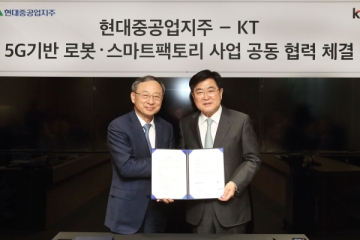
KT has signed an MOU with Hyundai Heavy Industries Holdings for joint cooperation in 5G-based robotics and smart factory business. This business agreement concretizes previous collaborative efforts and covers the following key areas: development of 5G connected robots, development of service robots, joint development of smart factory platforms, joint R&D in machine vision and AI fields, commercialization of jointly developed solutions, and joint sales promotion. Through this cooperation, both companies aim to jointly pioneer the smart factory market and expand their business to the global market. KT will provide communication infrastructure and ICT platforms including 5G, AI, and Cloud, while Hyundai Heavy Industries Holdings will provide robots, automation equipment, and smart factory platforms, thereby cooperating in the development of 5G-based smart factory solutions.
2019.05.13by 이수민 기자
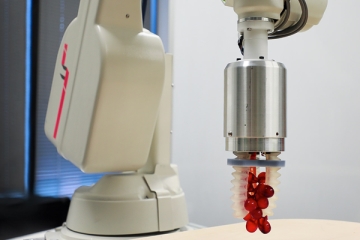
Cambridge Consultants unveils Hank, a robot with the sensitivity of a human hand, supporting full logistics automation.
Over the past decade, logistics automation has achieved significant advances, but robots have yet to match the sophistication of the human hand in picking diverse individual items from large containers. In response, Cambridge Consultants has unveiled Hank, a robotic hand that moves like human fingers. Hank is a pneumatic finger robot equipped with sophisticated tactile sensing and slip detection systems, enabling it to mimic the human hand's ability to manipulate objects with appropriate pressure and delicate grip control. Hank is expected to demonstrate value in agriculture and logistics automation sectors, where there have been difficulties in handling small, irregularly shaped and sized, and fragile objects.
2019.05.23by 이수민 기자
ADI Unveils Two New Products in May… Ultra-Low Noise Frequency Synthesizer ADF41513 and PMU ADP1031
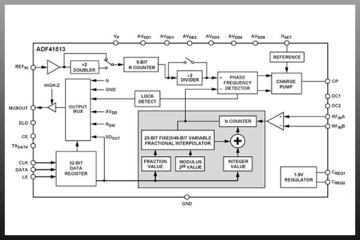
ADI has unveiled two new products in May. The ADF41513 is an ultra-low noise frequency synthesizer that can be used to implement local oscillators at high frequencies up to 26.5GHz in the up-conversion and down-conversion regions of wireless receivers and transmitters. This product is suitable for applications such as test and measurement equipment, wireless infrastructure, microwave P2P, and multipoint RF. The ADP1031 is a high-performance isolated micro PMU that combines an isolated flyback DC/DC regulator, an inverting DC/DC regulator, and a buck DC/DC regulator to deliver three isolated power rails. Additionally, the ADP1031 includes four high-speed SPI isolated channels and three general-purpose isolators for channel-to-channel applications requiring low heat dissipation and compact solution size. Key applications include industrial automation, process control, instrumentation, data acquisition systems, and data and power isolation.
2019.05.27by 이수민 기자
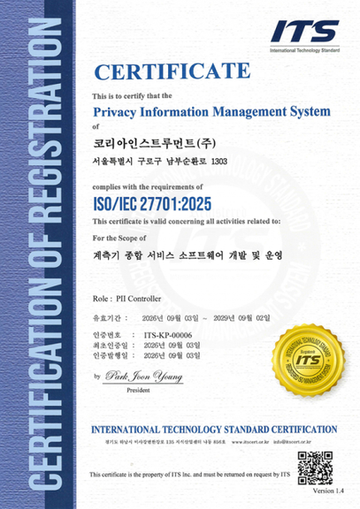
Korea Instrument, KOLAS Accredited Calibration Agency First to Simultaneously Acquire ISO/IEC 27,001·27,701
Korea Instrument has become the first among KOLAS accredited calibration agencies to simultaneously acquire ISO/IEC 27,001 and ISO/IEC 27,701 certifications. Through its proprietary platforms CWIZ Enterprise and CWIZ Partners, the company has embedded information security and personal data protection requirements across all business processes including customer information, equipment data, and calibration reports, with plans to continuously advance its management system through regular audits and security inspections.
2026.10.12by 배종인 기자

TeamViewer One, IT Incident Automation Workflow and Resolution Center Enhanced
TeamViewer has added IT incident automation capabilities and an advanced Resolution Center to its integrated digital workplace management platform 'TeamViewer ONE'. Recurrent service disruptions, configuration errors, and capacity shortages are automatically handled according to preset policies, and device status verification through script deployment can be managed in a unified interface, significantly reducing repetitive tasks for IT teams.
2026.10.12by 배종인 기자











