



Smart factories that complement existing industries and create new businesses.
 Published2019.07.29 17:41
비즈니스 모델 최적화 및 재구성 가능
기초적인 스마트팩토리로도 생산성 30% 향상
디지털 트랜스포메이션은 기술적인 부분과 구조적인 부분으로 나눌 수 있다. 기술적인 부분은 IoT, 빅데이터, AI, 로봇 등 디지털 기술이 적용되는 것으로서 대표적인 예가 바로 스마트팩토리다.
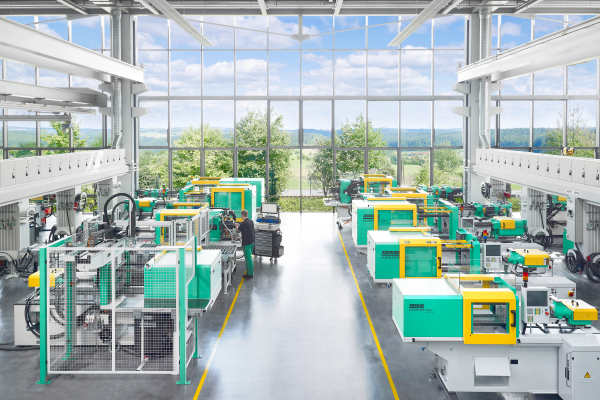
국내 제조업은 출산율 감소에 따른 생산 가능 인구 감소와 인건비 상승으로 개발도상국 대비 경쟁력이 낮아진 상황이다. 사회구조적인 변화에 따른 제조업의 경쟁력 확보를 위해 정부 차원의 지원정책이 확대되고 있으며, 제조업 대기업도 자체적인 생산성 확보 및 효율성 증대를 위해 스마트팩토리 도입을 가속하고 있다.
스마트팩토리는 더 이상 거부할 수 없는 흐름이다. 그렇다면 어디 스마트팩토리에 대해 한번 차근차근 짚어보자.
스마트팩토리 도입의 효과
스마트팩토리에서는 기존의 물리적인 제조공정의 기계설비 또는 생산 공장이 IoT로 연결된다. 여기서 발생하는 빅데이터를 모아 AI로 분석한다. 이어 가상공간에서 실제 기계 설비부터 제조공정까지 자동적이고 지능적으로 제어할 수 있는 사이버 물리 시스템이 도입된다.
이를 통해 공장 내의 장비, 부품들이 연결 및 상호 소통하는 생산체계로 최소비용과 최소시간으로 고객맞춤형 제품뿐만 아니라 다품종 복합생산이 가능한 유연한 생산체계를 구현한다. 프로세스의 변화로 운영 효율성이 높아지면 비즈니스 모델 최적화 및 재구성도 가능하다.

유지하면서도 다품종 대량 및 소량생산을 실현할 수 있게 됐다

데이터 저장과 처리, 분석, 보고 과정이 수 시간, 수 일 단위에서 거의 실시간에 가까운 속도로 빨라진다는 장점은 제조, 생산 외에도 마케팅, 영업, 고객 대응 등 전 분야에 영향을 미친다.
제품을 통해 수집되는 데이터를 분석하면 고장에 대한 사전적 예방과 원격 서비스를 통한 유지 및 관리가 가능해진다. 물리적인 제품을 단순 일회성으로 판매하는 것에서 멈추는 것이 아니라, 스마트 제품에 대한 각종 서비스를 판매하는 것으로 새로운 수익구조를 창출하게 되는 것이다.
스마트팩토리는 사람의 노동력을 기계로 대체하는 공장 자동화를 포함하는 개념이지만 그것이 전부가 아니다. 중요한 것은 센서, 최첨단 공정, 데이터 등을 축적하는 디지털화, IoT를 통한 네트워크 연결화, 수집된 데이터 분석을 통한 문제점 발견 및 의사결정을 내리는 스마트화 등이다.
캡제미니에 따르면, 스마트팩토리 도입을 통해 창출되는 경제 효과는 2018년부터 2022년까지 5년 간 전 세계적으로 최대 1.5조 달러에 달할 것으로 예상된다. 같은 기간 전 세계 GDP 예상 증가액이 약 18.4조 달러 수준인 점을 고려할 때 1.5조 달러는 약 8%를 차지하는 규모이다.
스마트팩토리의 단계
스마트팩토리는 기술 적용에 따라 크게 4가지 단계로 분류할 수 있다.
▲ICT 미적용 단계에서는 생산설비, 물류 등의 모니터링 관리가 수작업으로 이루어질 뿐만 아니라 종이문서에 의해 운영된다. 그 다음 ▲기초 단계에서는 생산설비, 물류정보를 바코드를 통해 정보를 수집해서 생산관리를 운영한다.
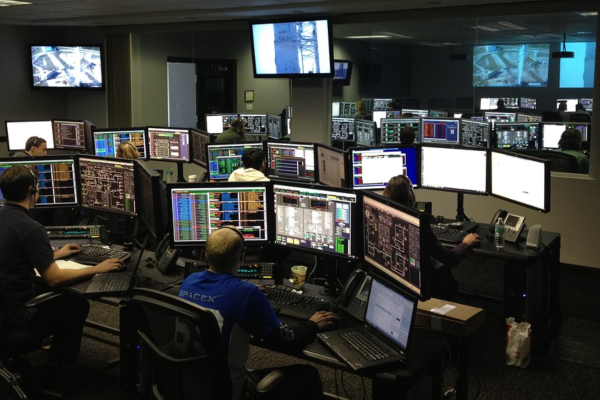
▲중간 단계에서는 센서와 IoT, 빅데이터를 활용해 자동화 설비를 구축하고 실시간으로 제조상황을 파악이 가능하며, ▲고도화 단계에서는 실제와 가상이 결합된 고도화된 ICT가 접목된 생산시설로 시스템이 완전히 자동화된다.
스마트팩토리의 구성
스마트팩토리는 기존 제조기술에 IT를 접목하여 센서, 정밀제어, 네트워크, 데이터 수집 및 분석 등 다양한 기술이 융합되어 서비스를 구성함에 따라 크게 센서 디바이스 및 정밀제어기기, 네트워크 플랫폼, 제조환경 애플리케이션으로 구분된다.
센서 디바이스 및 정밀제어기기의 경우 스마트팩토리의 생산 환경 변화, 제품 및 제고 현황 등 제조·생산과 관련된 정보를 감지하고 애플리케이션에 전달하여 분석·판단 결과를 제조현장에 반영하고 수행한다.
네트워크 플랫폼은 센서 디바이스 및 정밀제어기기와 애플리케이션을 이어주는 역할로, 효율적인 데이터 채널을 제공한다.
제조환경 애플리케이션은 제조 실행에 직접적으로 관여하거나 현장 디바이스로부터 수집된 데이터를 분석하고 정해진 규칙에 따라 판단할 수 있는 시스템이다.
스마트팩토리에 요구되는 것들
스마트팩토리와 관련한 애플리케이션 및 플랫폼은 수평적·수직적 통합이, 스마트 디바이스는 기기간의 연결이 주된 이슈다. 그래서 전 세계적으로 시스템 공급업체들을 중심으로 요소기술의 혁신 및 통합이 이루어지고 있다.
생산시스템의 부가가치를 극대화하기 위해서 기존 장비 위주의 생산시스템 공급을 탈피하여 하드웨어와 소프트웨어가 결합된 ICT 융합형 기계·장비 및 생산시스템 패키지 공급이 확대되고 있다.
스마트팩토리가 성공하기 위해서는 독립적인 공장 하나의 시스템만이 중요한 것이 아니라 그 공장에 부품과 재료를 제공하는 공급업체들까지도 서로 연결이 최적화돼야 한다. 즉, 스마트팩토리의 핵심은 연결성(Connectivity)이며, 이를 가능케 하기 위한 IIoT 기술이 요구되고 있다.
IoT 인프라 구축, 스마트팩토리 구축 첫 단계
스마트팩토리 구축을 위해 가장 선행되어야 하는 작업은 IoT 환경의 조성이다. 공장 내 모든 설비와 시스템들이 하나의 통신망으로 연결되어야 한다. 그리고 분석을 통한 편익을 극대화하기 위해서는 데이터가 안정적으로 왜곡 없이 수집될 수 있어야 한다는 점이다. 이를 위해 공장 환경에 맞게 최적화된 IoT 환경을 조성해야 한다.
최적화된 IoT 환경 구축을 위해 가장 중요한 것은 통신 프로토콜의 일원화다. 현재 공장 내에서 사용되고 있는 통신 프로토콜의 종류가 수십 가지에 달할 정도로 다양하다. 각 공정 별로 서로 다른 프로토콜이 사용되고 있기 때문에 상호 통합되지 않은 채 운영되고 있다.
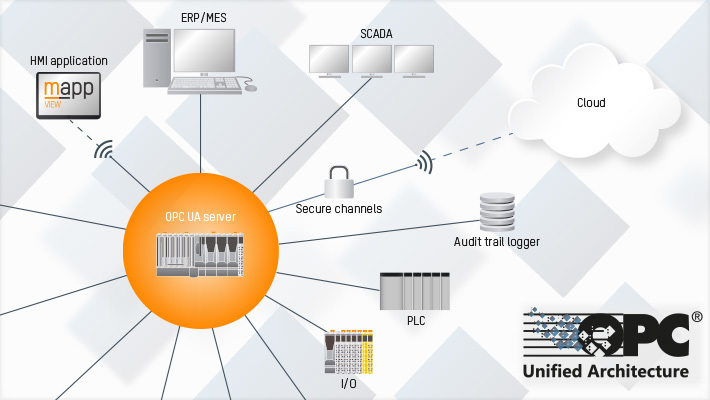
이렇게 공정간 통신이 불가능한 환경에서는 의미 있는 데이터 수집이 불가능하기 때문에 빅데이터/AI 솔루션의 활용도 불가능하다. 이에 따라 OPC-UA, IO-Link 등의 기술들이 대안으로 떠오르고 있으며, 이를 활용해 통신 프로토콜이 일원화되어야 진정한 IoT 환경이 구현될 수 있다.
스마트팩토리, 거부할 수 없는 흐름
스마트팩토리는 제조경쟁력을 강화하며 4차 산업혁명시대 각국의 첨단 산업을 주도할 것으로 기대된다. 따라 세계 시장 규모는 연평균 8% 성장해, 2020년에는 2,870억 달러에 이를 것으로 전망된다.
지역별 스마트팩토리 시장 현황을 살펴보면, 아시아 및 중동이 미주 및 유럽보다 높은 성장세를 나타낼 것으로 전망된다.
아시아의 경우 세계 주요 기업들의 제조 공장들이 많이 위치하고 있기 때문에 이러한 기업들에 의한 스마트팩토리 도입이 타 지역에 비해 빠를 것으로 예상된다. 중국은 제조 역량을 확대함에 따라 아시아 시장 성장에서 높은 비중을 차지할 것이다.
스마트팩토리 기술을 도입한 주요 업종으로는 자동차, 반도체/전자, 에너지, 광업/금속업, 화학, 식음료 등이 될 것으로 전망되며, 산업용 사물인터넷과 빅데이터 분석이 스마트제조 분야의 핵심기술이 될 것으로 예상된다.
우리나라의 경우도 스마트팩토리의 시장 규모가 2020년까지 연평균 11.2%의 고성장이 예상되어, 2020년에는 78.3억 달러 규모로 형성될 것으로 전망된다.
스마트팩토리 도입에 따른 생산성 향상의 효과는 이미 구축 사례들을 통해 증명되고 있다. 중소업체에 대한 스마트팩토리 보급을 주관하는 중소벤처기업부는 지난해 말까지 스마트팩토리 도입을 완료한 7,800개 공장의 생산성이 평균 30% 개선되었다고 발표하였다.
또 불량률은 43.5% 감소하였으며 이에 따라 제조원가는 15.9% 절감됐다. 7,800개 업체 중 약 80%가 기초 단계 수준이었다는 점을 감안하면 스마트팩토리 도입 효과는 명약관화하다.
Comments
Related news
How to achieve smart manufacturing innovation and enhanced security simultaneously? Smart Factory Convergence Security Seminar Held
The Ministry of Science and ICT, the Ministry of SMEs and Startups, Democratic Party members Lee Jong-geol and Noh Woong-rae, and Liberty Korea Party member Yun Sang-jik held a joint seminar titled "Smart Manufacturing Innovation and Convergence Security in the 5G Era" at the National Assembly Members' Building. This seminar was organized as part of a collaborative project between the Ministry of Science and ICT and the Ministry of SMEs and Startups to strengthen smart factory security. It was designed to reflect on-site voices through joint efforts by the National Assembly and government ministries to explore smart factory expansion and cybersecurity response measures, with participation from numerous experts from the National Assembly, government, and industry, academia, and research institutions. The Ministry of SMEs and Startups, the lead agency for smart factory expansion projects, emphasized manufacturing innovation, while SK Infosec emphasized hyper-security that transcends existing security values.
2019.07.09by 이수민 기자
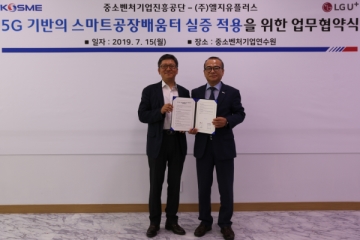
LG U+ Expands 5G Smart Factory to SMEs
The Smart Factory Promotion and Dissemination Project being pursued by the Ministry of SMEs and Startups aims to supply 30,000 smart factories and nurture 60,000 operational personnel by 2022. To this end, the Korea Venture Business Institute plans to apply cutting-edge technologies such as 5G at the Smart Factory Learning Center, an educational facility of the Small and Medium Venture Business Training Institute in Ansan, Gyeonggi Province, and will expand smart education facilities nationwide to locations including Jeonju, Jeollabuk-do and Changwon, Gyeongnam. LG Uplus will apply 5G modules and industrial IoT solutions including motor diagnostics and direct cameras to training equipment such as mobile robots, MCT equipment sensors, and vision inspection ROS at the Smart Factory Learning Center of the Ansan SME Training Institute by the end of August. The company plans to showcase newly constructed Smart Factory Learning Centers as smart factory education facilities by integrating 5G technology.
2019.07.16by 이수민 기자
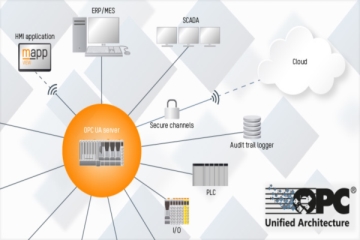
[Webinar Q&A Report] Introduction to Smart Factory Protocol OPC-UA over TSN and Case Analysis
Manufacturing is the foundation of Korea's industry and economy. As the era of the Fourth Industrial Revolution is drawing near, voices are rising everywhere regarding the intelligentization of Korean manufacturing. The word "smart," which was attached to everything, also came to factories, giving rise to the term "smart factory," which soon became generalized. Smart factory is an advanced concept beyond factory automation. Factory automation, where automation and optimization are implemented for each individual process unit, collects data separately. In contrast, smart factory has connected data. Therefore, when data is collected, data can be linked with one another. OPC-UA is a vendor-independent communication protocol for industrial automation applications. OPC-UA is flexible and independent. Therefore, it is regarded as an ideal communication protocol for the implementation of Industry 4.0.
2019.07.29by 이수민 기자
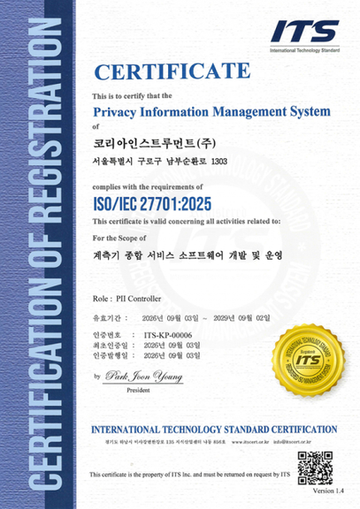
Korea Instrument, KOLAS Accredited Calibration Agency First to Simultaneously Acquire ISO/IEC 27,001·27,701
Korea Instrument has become the first among KOLAS accredited calibration agencies to simultaneously acquire ISO/IEC 27,001 and ISO/IEC 27,701 certifications. Through its proprietary platforms CWIZ Enterprise and CWIZ Partners, the company has embedded information security and personal data protection requirements across all business processes including customer information, equipment data, and calibration reports, with plans to continuously advance its management system through regular audits and security inspections.
2026.10.12by 배종인 기자
TeamViewer One, IT Incident Automation Workflow and Resolution Center Enhanced
TeamViewer has added IT incident automation capabilities and an advanced Resolution Center to its integrated digital workplace management platform 'TeamViewer ONE'. Recurrent service disruptions, configuration errors, and capacity shortages are automatically handled according to preset policies, and device status verification through script deployment can be managed in a unified interface, significantly reducing repetitive tasks for IT teams.
2026.10.12by 배종인 기자











