


Wi-SUN, a low-power IoT solution that penetrates smart cities
 Published2019.08.28 18:05
| LoRa, Sigfox, NB-IoT, Wi-SUN 등이 대표적
| 한국전력 AMI 구축사업에 Wi-SUN 사용 중
한국전력은 2013년부터 전국의 약 2,300만 가구를 대상으로 지능형전력계량인프라(Advanced Metering Infrastructure; AMI) 구축사업을 진행 중이다.

매년 약 200만 가구씩 설치하여 2022년 설치완료를 목표로 진행 중인 이 사업이 가능했던 것은 모든 사물이 인터넷으로 연결되는 IoT 기술이 성숙해졌기 때문이다.
박배영 I&C 테크놀로지 수석연구원의 Wi-SUN 프로토콜 및 활용 동향에 따르면, 이러한 IoT 시장의 확장으로 다양한 무선통신 기술이 발표되고 있다.
Wi-Fi나 LTE 등 비교적 높은 데이터 전송률을 갖는 기기들의 경우 주로 계속적인 전원 공급을 필요로 하는 IoT 게이트웨이에 사용된다. 반면, 전원공급이 어렵거나 배터리의 교체가 힘든 환경에서는 통신 커버리지가 넓고 저전력 특성을 갖는 무선통신기술이 요구된다.
이러한 특성을 갖는 LP-WAN(Low Power-Wide Area Network) 기술로는 LoRa, Sigfox, NB-IoT, Wi-SUN 등이 대표적이다.
그 중에서도 Wi-SUN은 802.15.4g로 표준화된 물리계층 기술로서, 좁은 커버리지의 무선 PAN 영역에 한정되었다. 그러나 900MHz(917~923.5MHz) 대역의 출력이 기존 10mW에서 최대 200mW까지 상향 조절되었고, 이렇게 WAN 영역으로 커버리지가 확대되면서 다양한 분야에서 활용이 가능해졌다.
앞서 언급한 한국전력의 AMI 구축사업에도 전력선통신(ISO/IEC12139-1) 기술과 함께 Wi-SUN 기술이 사용되고 있다.
Wi-SUN 활용 동향
Wi-SUN 얼라이언스(Wireless Smart Utility Network Alliance)는 IEEE802.15.4-2011 표준이 완성된 2012년에 설립되었다. 연합은 개방형 글로벌 표준들을 활용해 IEEE 802.15.4g 표준 기반의 상호운용성을 보유한 Wi-SUN의 글로벌 인증과 확산에 관여하고 있다.
<이미지 출처: Wi-SUN 얼라이언스>
ECHONET(Energy Conservation and HOmecare NETwork) Lite는 일본의 스마트 전력량계에 대한 데이터 교환 프로파일로서 PHY, MAC 기반 프로토콜로 IEEE802.15.4g/e를 적용하였고, 미주 지역의 스마트 전력량계의 통신기술을 FAN(Field Area Network) 프로파일로 정의하고 기술 사양과 테스트 표준 개발을 완료했다.
Wi-SUN 모뎀 간은 가시거리 기준으로 최소 100미터 이상의 거리에서 통신이 가능해야 하며, 무선설비 규칙 제30조에 명시된 200mW 출력을 지원해야 한다.
현재 Wi-SUN은 전력선이 지중으로 매설되어 정상적인 전력선 통신이 어려운 구간이나 농어촌 지역에 주로 시공 및 운영되고 있다.
그 외에도 ETRI 산하 UGS 융합연구단에서는 도시 지하 공간 내 지하매설물의 상태와 지하 공간 상황을 실시간으로 모니터링 하여 이상 징후를 사전에 감지, 예측 대응하는 IoT 기반 무선통신망 구축에 활용되는 Wi-SUN FSK PHY 기반에 LECIM MAC이 결합된 무선통신 칩 기술 개발을 완료하였다.
넓은 Wi-SUN 운용처
IEEE802.15.4 WPAN 표준 기술은 홈 네트워킹, 웨어러블 기기 등 좁은 커버리지 영역에 서의 저속도, 저전력 기기를 활용한 애플리케이션이 주류를 차지해 왔다.
IEEE802.15.4 SUN PHY 기술은 HAN(Home Area Network) 영역을 NAN(Neighbor Area Network) 영역으로 확장시켜 다양한 IoT 분야에 활용 가능하다.
비면허 대역을 사용함으로써 별도의 주파수 사용료 지불이 필요 없고, IPv6 적용에 유리하며, 물리계층에서 프레임의 길이를 최대 2,047바이트까지 지원하여 LoRa, SigFox 등의 LPWAN과는 차별화된 특징을 갖는다.
SUN PHY 계층에는 송수신기 구현에 있어 단순하고 경제적 구현이 가능한 FSK 방식, 신뢰성 향상과 고속전송을 가능하게 하는 OFDM 방식, DSSS/MDSSS 형태로 다양한 전송률의 데이터 전송이 가능한 OQPSK 방식이 있다.
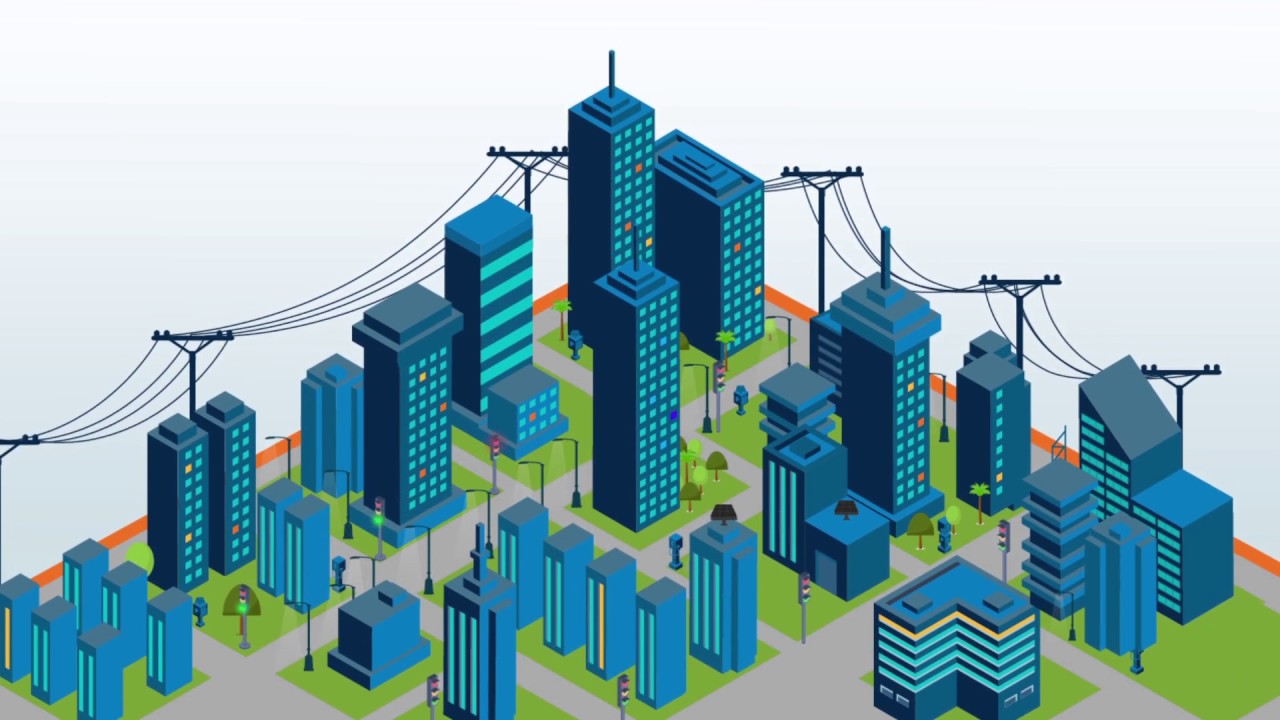
최신 Wi-SUN 규격으로 HAN과 FAN이 있다.
<이미지 출처: Wi-SUN 얼라이언스>
Wi-SUN HAN은 차세대 스마트미터와 주택 내의 에너지 관리 시스템(Home Energy Management System; HEMS) 사이의 통신 규격이다. 또한 릴레이 기능 및 배터리 구동 기기와 같은 에너지 전력을 위한 절전 모드 등의 기기에 대처할 수 있는 기능을 탑재한 Enhanced HAN이 있다.
Wi-SUN FAN은 스마트 미터링, 배선 자동화를 실현하는 스마트그리드 및 인프라 관리, 지능형 교통 시스템, 스마트조명 등을 위한 것이다. 주로 야외에 설치된 센서, 미터, 모니터 등에서 얻은 데이터를 클라우드로 전송하며, 필요에 따라 클라우드에서 센서, 미터, 모니터 등을 제어할 수 있다.
Wi-SUN 기술은 LoRa, Sigfox, NB-IoT 등의 저전력 특성을 가지면서 장거리의 통신이 가능한 LPWAN 기술과 더불어 스마트그리드, 스마트팩토리, 스마트시티 등 더 넓은 영역에서 경쟁과 공생이 예상된다.
Comments
Related news
Breakwater Breaks Off at Incheon Songdo Tomorrow City, the Korean Version of Silicon Valley
The Ministry of SMEs and Startups announced on the 11th that Incheon's Songdo Tomorrow City was selected as the final winner of the 2019 Startup Park Development Project competition among metropolitan local governments nationwide. The Startup Park Development Project is an initiative to establish open innovation and entrepreneurship hubs similar to China's Zhongguancun, the United States' Silicon Valley, and France's Station-F. The Ministry of SMEs and Startups is implementing this as a pilot project this year through a nationwide competition among metropolitan local governments. Incheon plans to remodel underutilized municipal buildings to establish an entrepreneurial ecosystem including startup office spaces and networking facilities, and to activate startups with a focus on IT, biotechnology, and smart city industries.
2019.07.12by 이수민 기자
.png)
How Far Has the Ultimate Goal of IoT, the 'Smart City,' Been Realized?
According to the UN, the global population is expected to reach 9 billion by 2050, with over 65% of that population residing in urban areas. Urbanization, along with climate change, can be identified as a major factor that will bring the greatest changes to the Earth in the future. Governments worldwide are pursuing smart city projects to minimize the damage caused by urbanization. A smart city can be defined as a future city that enhances urban efficiency through networks that enable connectivity with everything anytime and anywhere, along with intelligent ICT technology, while improving citizen convenience and quality of life, and realizing sustainable innovative growth.
2019.07.15by 이수민 기자

Everything about AI at a glance: The International AI Expo opens on the 17th.
What will AI mean for us in the future, and what innovations will it bring to our society and industry? The Second International AI Expo, where you can check everything about AI including related AI technologies and platforms, solutions, AI-based business models, and business strategies of domestic and international AI companies, will be held for four days from the 17th to the 19th at COEX in Samseong-dong, Seoul. At this event, approximately 120 domestic and international AI-specialized companies and organizations will participate and showcase their capabilities in machine learning, deep learning, neural networks, reinforcement learning, natural language processing, speech recognition, image recognition, AI chips and components, computing, AI platforms and solutions, chatbots and assistants, 5G and networks, IoT, autonomous vehicles, healthcare, gaming, finance, security, manufacturing, distribution and retail, AI robots, wearables, smart factories, smart cities and smart homes, drones and UAVs, predictive maintenance, and AI consulting over the four-day period.
2019.07.16by 이수민 기자
Korea Instrument, KOLAS Accredited Calibration Agency First to Simultaneously Acquire ISO/IEC 27,001·27,701
Korea Instrument has become the first among KOLAS accredited calibration agencies to simultaneously acquire ISO/IEC 27,001 and ISO/IEC 27,701 certifications. Through its proprietary platforms CWIZ Enterprise and CWIZ Partners, the company has embedded information security and personal data protection requirements across all business processes including customer information, equipment data, and calibration reports, with plans to continuously advance its management system through regular audits and security inspections.
2026.10.12by 배종인 기자
TeamViewer One, IT Incident Automation Workflow and Resolution Center Enhanced
TeamViewer has added IT incident automation capabilities and an advanced Resolution Center to its integrated digital workplace management platform 'TeamViewer ONE'. Recurrent service disruptions, configuration errors, and capacity shortages are automatically handled according to preset policies, and device status verification through script deployment can be managed in a unified interface, significantly reducing repetitive tasks for IT teams.
2026.10.12by 배종인 기자











