



Three 5G NR Challenges That Can Be Solved Right Now
 Published2019.10.07 17:01
3.5GHz 대역과 기존의 LTE망을 동시에 사용함으로써 전국을 5G 영향권 안에 넣겠다는 NSA (Non Stand Alone) 딱지는 오는 2020년 이후로 떼어낼 모양이다. 그러나 28GHz 도입은 아직도 풀지 못한 다양한 5G과제에 더 많은 숙제를 개발 엔지니어에게 던져주고 있다.
이번 기술 기고문에서는 키사이트가 전하는 다시 시작하는 5G New Radio의 과제와 현재 직면하고 있는 과제 해결 방법에 관해 기술한다.
이 기사는 키사이트테크놀로지스의 닉 벤(Nick Ben) 기술 마케팅 엔지니어의 기고를 정리한 것입니다.
기술 혁신으로 인해 사회가 세상과 상호 작용하는 방식 및 속도가 변화하고 있다.
얼마 전까지만 해도 손으로 쓴 편지를 우편을 통해 전달하는 데만 몇 주가 걸렸다. 이메일의 등장은 며칠 또는 몇 주가 아니라 몇 초면 메시지가 전달되는 커뮤니케이션 방식으로 근본적인 전달 방식을 바꾸었다.
또한 엔진의 혁신은 자동차를 등장시켜 마차를 대체했고, 이를 통해 과거 보다 훨씬 짧은 시간 내에 사람과 물품을 A 지점에서 B 지점으로 운반할 수 있도록 하였다.
5G New Radio(NR)의 등장에는 소비자의 요구도 있었지만, 기술과 속도의 발전을 꾀하는 혁신가들이 주된 역할을 했다. 대역폭 및 속도에 대한 소비자들의 요구가 끊임 없이 증가하고 있는 것은 사실이지만, 이와 같은 요구가 상당 부분 기술 혁신에 의해 촉발되고 있기 때문이다. 5G NR 기술의 미래는 밝지만, 거기에는 해결해야 할 과제가 있다.
5G New Radio
대역폭, 데이터 전송 속도 및 연결성 향상에 대한 소비자의 요구는 끊임없이 증가하고 있으며, 엔지니어들은 5G NR을 사용해 셀룰러 기술을 새롭게 혁신하여 안정적인 통신 네트워크를 통해 이러한 요구를 충족해야만 하는과제를 안게 되었다.
5G NR에서는 신규 및 기존 기술을 활용하여 엄청난 데이터 처리량을 달성하는 동시에, mmWave 주파수, 보다 넓은 채널 대역폭, 복잡한 다중 안테나 구성에서 테스트를 수행하는 등 새로운 테스트 과제 해결을 필요로 한다.
5G NR 모바일 디바이스와 기지국은 sub-6GHz 및 mmWave 설계를 구현할 계획이기 때문에 넓은 채널 대역폭과 멀티 채널 MIMO 테스트 요구 사항을 지원하는 보다 복잡하고 새로운 OTA(Over-The-Air) 테스트 구성을 통해 3D 빔 성능을 최적화 및 검증해야 한다.
이러한 복잡성으로 인해 mmWave OTA 시스템에서 필요한 계측기 수가 증가하고 측정 불확실성이 높아지므로 정확하고 반복 가능한 측정을 달성하기가 더 어렵다. 그러나 개발자는 진화하는 5G New Radio 표준이 불확실함에도, 5G는 다양한 산업 분야에서 활발하게 응용되고 있는 현실을 직시해야 한다.
자동차의 경우 비상 상황에 대한 자율주행차의 반응 시간은 사람의 반응 시간보다 몇 배 더 빠르다. 휴대폰 및 PC의 엔터테인먼트 및 멀티미디어 스트리밍의 경우 평균 길이의 영화를 다운로드하는 데 걸리는 시간을 7분에서 6초로 단축할 수 있다. 마지막으로 IoT에서 5G 기술은 스마트 홈에서 IoT 디바이스의 전송 속도를 향상시켜 보안 강화를 약속한다.
그러나 이러한 이점을 실현하려면 현재 당면한 세 가지 5G 테스트 장애물을 먼저 뛰어 넘어야 한다.
핵심과제 1 : 테스트 시스템 설정 복잡성
5G 테스트에서는 보통 새로운 셀룰러 설계를 특성 분석해야 하기 때문에 보다 복잡한 테스트 설정이 필요하다. 초기 5G 애플리케이션은 sub-6GHz 및 mmWave 주파수(28GHz – 39GHz)에서 작동하게 된다. 또한 5G에는 피크 데이터 속도를 지원하기 위한 변조 대역폭(최대 2GHz)이 필요하다.
5G 애플리케이션은 mmWave 주파수에서 작동하기 때문에 이전에 수행된 설정이 위상 배열 안테나를 통해 OTA 테스트 설정으로 전환되었다. 이러한 안테나는 RFIC(RF Integrated Circuit)에 직접 연결된다. 이들은 mmWave 주파수에서 안정성을 높일 수 있도록 높은 이득 및 빔 스티어링 기능을 제공한다.

그림 2: 5G 네트워크 무선 시스템 및 사물인터넷(IoT)
핵심과제 2 : 시스템 경로 손실 증가
이제는 원하는 신호가 물리적인 케이블 매체가 아니라 무선으로 전파되기 때문에 약간의 시스템 경로 손실이 발생할 수 있다. 시스템 경로 손실이 증가하면 SNR(Signal-to-Noise Ratio)이 낮아지는 결과가 초래된다. SNR이 낮으면 송신기 측정 시 EVM(Error Vector Magnitude) 및 ACPR(Adjacent Channel Power Ratio)가 낮아진다.
이는 곧 측정이 디바이스의 실제 성능을 보여주지 못할 뿐만 아니라, 수신기 민감도를 저하시킨다는 의미가 된다. OTA가 대세가 된 오늘날에는 누구나 복사형 안테나 테스트라는 개념을 잘 알고 있다. 그러나 4G가 5G로 전환됨에 따라 OTA 테스트에는 mmWave 주파수에서 RF 파라미터 및 성능 테스트가 모두 필요하다. 이러한 테스트는 EVM 및 ACLR(Adjacent Channel Leakage Ratio) 테스트부터 모뎀 및 데이터 처리량 테스트에 이르기까지 다양하
핵심과제 3 : 제품 개발 주기 연장
마지막으로 5G NR 표준이 안고 있는 또 다른 중요한 테스트 문제는 수행해야 하는 테스트 수가 증가하여 제품 개발 주기의 연장을 초래할 수 있다는 점이다. 두 개의 간섭 채널 테스트를 듀얼 채널 MIMO 및 빔포밍 테스트로 손쉽게 전환할 수 없는 인스턴스가 일부 원인일 수 있다. 또한 새 표준에서는 검증해야 할 테스트 항목 및 시나리오의 수가 더 많다는 점을 기억해야 한다.
뿐만 아니라 진화하는 표준에 맞춰 공급업체가 애플리케이션을 위한 최신 5G NR 표준 호환 신호를 제공할 때까지 기다려야 한다는 점에서 시간 소모적이다. 이러한 과제는 단순한 장애물이 아니라, 핵심 제품 개발 시간을 연장시켜 5G 경쟁에서 뒤떨어지게 만들 수 있다.
솔루션
이미 많은 개발자가 알고 있듯이 5G NR에는 보다 넓은 변조 대역폭(2GHz)이 필요하고 mmWave 주파수에서 작동한다. 예를 들어 수신기를 테스트하려면 이러한 최소 자격 요건을 충족하는 안정적인 신호 생성기(그림 3 참조)가 필요하다.
실행 중인 다양한 5G 테스트에서 여러 개의 계측기를 사용하는 것은 최상의 해결책이 아니다. 계측기가 단일 상자에서 모든 테스트를 수행하도록 하면 테스트 설정 시간을 최소화하는 것은 물론이고, 5G 3GPP 표준을 보다 신속하게 충족할 수 있다.
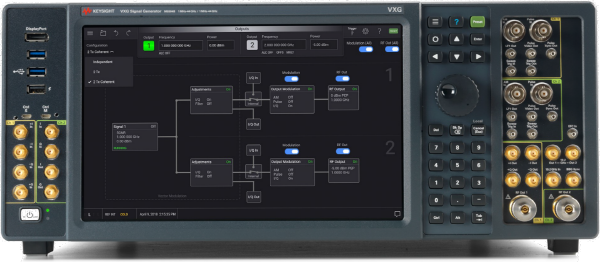
그림 3: 올바른 단일 계측기 신호 생성기를 사용하면 테스트 시스템 설정의 복잡성을 줄이고, 방사형 mmWave 테스트에 필요한 높은 출력 전력을 제공하며, 제품 개발 주기를 최소화하는 데 도움이 될 수 있다.
mmWave 주파수에서의 작동은 장점도 있지만, 시스템 경로 손실이라는 심각한 단점이 있다. mmWave 주파수에서 과도한 시스템 경로 손실을 보상하려면 출력 전력이 높은 신호 생성기가 필요하다. 또한 신호 생성기는 선형 출력 섹션과 낮은 왜곡, 높은 전력 수준에서의 낮은 위상 노이즈를 가지고 있어야 한다.
이들은 mmWave 주파수에서 정확한 측정을 수행하고 신호 생성기 자체에서 오류가 발생하지 않도록 하는데 중요한 요소들이다. 과도한 경로 손실 문제를 해결하려면 신호 생성기의 출력 전력을 늘리고 민감도가 높은 신호 분석기를 사용해 손실을 보상하는 것이 좋은 방법이다.
독립적인 간섭 채널 테스트를 듀얼 채널 MIMO 및 빔포밍 테스트로 신속하게 전환할 수 있도록 지원하는 안정적인 신호 생성기를 갖추지 못해서 자체 5G NR 신호를 생성하여 따로 업데이트를 유지해야 하는 경우에는 제품 개발 시간이 느려질 수 있다. 듀얼 채널이 내장된 신호 소스는 다수의 3GPP 적합성 테스트 구성을 손쉽게 처리할 수 있도록 지원한다.
현재 5G NR 표준을 준수하는 신호를 가진 소프트웨어를 사용하면 자체 준수 신호를 생성하는 데 시간을 낭비할 필요 없이 제품 개발에만 주력할 수 있다.
결론
5G NR 기술은 혁명적임에 틀림없다. 셀룰러 네트워크는 더 많은 대역폭과 향상된 데이터 전송 속도, 더 나은 연결을 제공하기 때문에 5G NR 기술은 다른 기술 전환에도 파급될 것이다. 5G가 제공하게 될 기회는 무한하지만, 아래 세가지의 테스트 문제를 극복하기 위해서는 올바른 도구가 필요하다.
• 테스트 시스템 설정 복잡성
올바른 도구를 선택하면 5G로의 경쟁에서 앞서 나가는 데 도움이 될 뿐만 아니라, 디바이스 성능에 대한 신뢰성을 빠르게 높일 수 있다.

Comments
Related news

Keysight World Seoul 2019 Highlights '5G', the Next-Generation Engine of Innovation
Keysight Korea held Keysight World Seoul 2019 at El Tower in Yangjaedong, Seoul, showcasing a comprehensive range of solutions covering the latest communication technologies including 5G. Achieving next-generation innovation requires perfect harmony between ideas, technology, solutions, and global partners. To directly support customer innovation, Keysight introduced approximately 20 solutions including the latest product portfolio. Additionally, Keysight World Seoul 2019 was conducted across five tracks: 5G, Automotive & Energy, Data Center & Telecom, Network Operations & Security, and Keysight Services.
2019.08.27by 이수민 기자
.png)
Intel Begins Full-Scale Shipments of 10nm FPGA "Agilex" for '5G Era Data Centers'
Intel has begun shipping Intel Agilex FPGAs manufactured on its 10-nanometer process to early access program customers. Reconfigurable and power-efficient, Agilex provides the flexibility and agility needed to address these challenges with high performance and low latency. It also creates intelligent, higher-bandwidth networks through accelerated AI and other analytics performed across edge, cloud, and network environments. It also offers compute capabilities and high-speed interface capabilities that deliver actionable insights in real time. Intel provides a custom logic continuum that enables developers to seamlessly migrate designs from FPGAs to structured ASICs.
2019.09.02by 이수민 기자
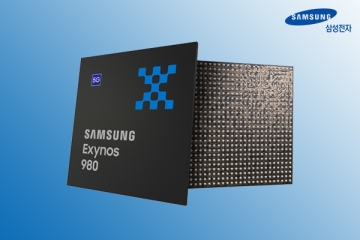
Samsung Electronics Launches Exynos 980, a 5G Modem + Mobile AP
Samsung Electronics has unveiled the Exynos 980, a 5G mobile processor that integrates a 5G communication modem and mobile AP into a single chip. The Exynos 980 implements two chips in one, improving power efficiency and reducing the physical footprint of components, thereby enhancing design convenience for mobile devices. Additionally, by applying advanced 8-nanometer FinFET process technology, it supports a wide range of mobile communication standards from 2G to 5G with a single chip, and features an integrated high-performance NPU that enhances AI performance.
2019.09.05by 이수민 기자
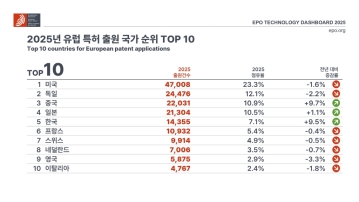
European Patent Applications Surpass 200,000 for the First Time… South Korea Maintains 5th Place, Led by Batteries and Telecommunications
According to the European Patent Office (EPO)'s 'Technology Dashboard 2025', European patent applications last year reached 201,974, surpassing 200,000 for the first time. Korean companies and inventors filed 14,355 applications, representing a 9.5% increase from the previous year and maintaining 5th place by country. Battery, digital communication, and semiconductor technologies led the growth, with Samsung ranking as the top EPO applicant for the second consecutive year and LG reaching 3rd place. The presence of major domestic cities such as Seoul, Suwon, and Yongin was also confirmed. It was also revealed that Korea's European patent strategy is expanding beyond individual technologies to span the entire industry.
2026.03.24by 명세환 기자

SK Telecom First Applies AI-Based Network Operations at Gwanghwamun K-Pop Concert
SK Telecom announced that it applied an AI-based network operation system for the first time at a large-scale K-pop concert held in the Gwanghwamun area of Seoul on March 21st, managing communication quality throughout the event. Mobile data usage during the three hours before and after the concert reached 12.15TB, approximately doubling compared to the same time slot the previous weekend. SK Telecom monitored traffic using the AI system 'A-One' in five-minute and 50-meter units to respond to potential overload situations, while also operating temporary communication facilities and on-site personnel in parallel. This case is interpreted as confirmation of the practical applicability of AI-based autonomous network operation in an environment where demand from dense events and foreign users increases simultaneously.
2026.03.23by 명세환 기자











